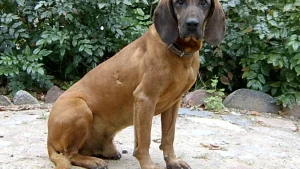
Schiller Hound
Breed Group
Hound Dogs
Country of Origin
Sweden
Breed Size
Large
AKC Recognition
No
FCI Recognition
Yes, recognized in 1955
Family dog
Poor2 / 10
Good with kids
Not Recommended2 / 10
First-time owner
Poor2 / 10
Apartment dog
Poor2 / 10
Yard need
Strictly Required9 / 10
Can be left alone
Good7 / 10
What Do Owners Want to Know?
Are Schiller Hound good family dogs?
The Schiller Hound is a loyal companion that forms strong bonds with its owners and is generally gentle with children. However, they are best suited for active families who can provide the significant daily exercise and large yard they require to thrive.
Family dog: 2 / 10
Are Schiller Hound good with kids?
Schiller Hounds are generally gentle and form strong bonds with children, but they are best suited for active families who can manage their high energy and prey drive. Due to their athletic nature and need for significant exercise, they are not typically recommended for households with very young children unless parents can provide rigorous daily activity and supervision. Proper socialization is key to ensuring they remain calm and well-behaved around kids.
Good with kids: 2 / 10
Are Schiller Hound good for first-time owners?
The Schiller Hound is generally not recommended for first-time owners due to its high energy levels and strong hunting instincts. They require a firm, consistent hand in training and significant daily exercise to prevent destructive behaviors. Success with this breed demands a dedicated owner who can provide the vigorous physical and mental stimulation necessary for a specialized working scenthound.
First-time owner: 2 / 10
Are Schiller Hound good apartment dogs?
Schiller Hounds are excellent apartment dogs because they are small, require minimal daily exercise, and do not strictly need a yard to thrive. Their manageable size and low activity requirements make them well-suited for compact living spaces and city dwellers who can provide short daily walks. Despite their athletic heritage, they adapt easily to indoor environments when their basic needs are met.
Apartment dog: 2 / 10
Do Schiller Hound need a yard?
A yard is strictly required for a Schiller Hound, as they are highly energetic hunting dogs that need ample space to move. To thrive, they require a large, securely fenced yard where they can engage in the significant daily exercise and physical activity necessary for their well-being.
Yard need: 9 / 10
Can Schiller Hound be left alone?
Schiller Hounds are relatively independent and can handle being alone well, especially compared to more social breeds. While they enjoy human attention and bond closely with their owners, they are not typically prone to separation anxiety and can manage periods of solitude if their high physical and mental stimulation needs are met before and after.
Can be left alone: 7 / 10
Are Schiller Hound good with cats?
Schiller Hounds generally coexist well with cats, especially when raised together from puppyhood. Their even-tempered nature allows them to form peaceful bonds with feline housemates. However, as scenthounds originally bred to hunt fox and hare, they possess a natural prey drive, so early socialization and supervised introductions are essential to ensure a harmonious relationship.
Good with cats: 8 / 10
Are Schiller Hound aggressive?
Schiller Hounds are not naturally aggressive; they are generally described as having a lively, attentive, and even-tempered nature. While they form strong bonds with their owners and are typically gentle companions, their history as independent scenthounds means they may be reserved with strangers. Proper socialization and consistent training from a young age are essential to ensure they remain well-adjusted and friendly in various social situations.
Aggression tendency: 7 / 10
Are Schiller Hound high-energy dogs?
Schiller Hounds are highly energetic scenthounds that possess incredible speed and endurance. Originally bred for hunting, they require significant daily physical activity and mental engagement to stay healthy and satisfied. Without an outlet for their high energy levels, such as long walks or running in a large yard, they may become restless, making them best suited for active owners who enjoy the outdoors.
Energy level: 5 / 10
How much exercise does a Schiller Hound need?
Schiller Hounds are high-energy scenthounds that require substantial daily exercise, typically between 60 and 120 minutes, to satisfy their hunting instincts and prevent restlessness. Ideal activities include long walks, jogging, and vigorous play sessions in a large, secure yard. Providing consistent mental stimulation through training and scent work is also essential to ensure these athletic dogs remain healthy and well-balanced at home.
Exercise need: 2 / 10
Can Schiller Hound live in hot weather?
Schiller Hounds generally tolerate warm weather well due to their short, harsh coats and athletic Swedish heritage. While they are resilient, owners should still provide ample shade and fresh water during peak temperatures to prevent overexertion. Maintaining moderate activity during the cooler parts of the day ensures these energetic scenthounds remain comfortable and safe in hot conditions.
Hot weather tolerance: 8 / 10
Can Schiller Hound live in cold weather?
Schiller Hounds have a fair tolerance for cold weather, but their short, harsh coats provide limited insulation against extreme temperatures. Owners should monitor them during winter months and provide extra protection or limit outdoor time during severe cold to ensure their safety and comfort.
Cold weather tolerance: 3 / 10
Are Schiller Hound banned in apartments or rentals?
Schiller Hounds are typically not subject to breed bans, as they are not commonly classified as aggressive or high-risk breeds. Their small size often falls well within standard apartment weight limits. However, because they are a rare breed, always check with individual landlords regarding their specific pet policies and rental insurance requirements.
Rental restriction risk: 9 / 10
Vet Insights
Schiller Hounds are remarkably robust and healthy scenthounds, but as a veterinarian, I recommend regular screening for hip dysplasia, which can affect active hunting breeds. Their long, pendant ears require routine cleaning to prevent moisture buildup and potential infections. Owners should also be mindful of their high energy levels; without sufficient daily physical and mental stimulation, they can develop behavioral issues. I advise maintaining a lean body weight to protect their joints and ensuring they have a secure, large space to run, as their strong prey drive can lead them to wander. Consistent preventative care and monitoring for working-related injuries are key to ensuring their longevity.