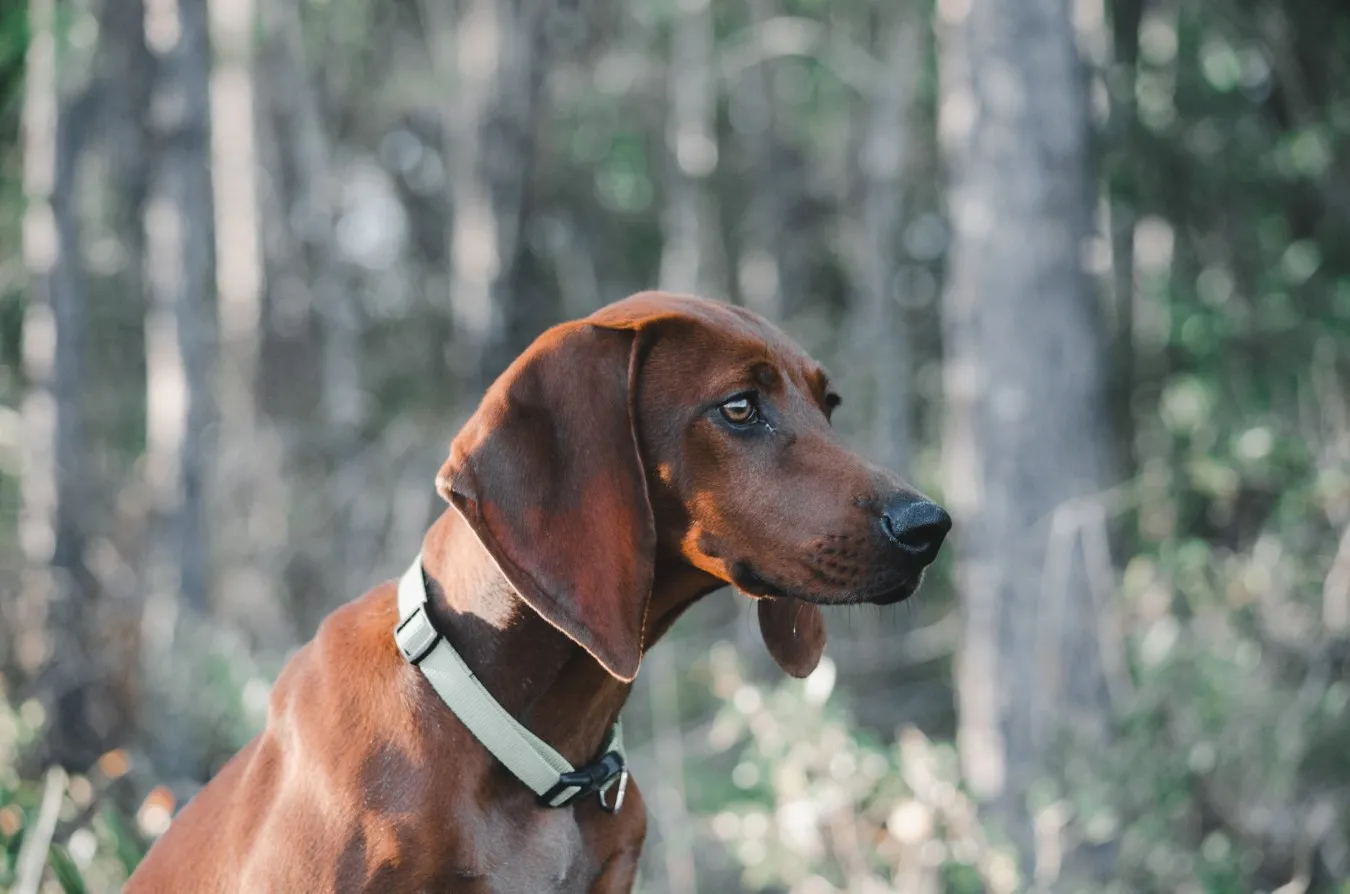
Redbone Coonhound - MAIN HUB
BREED GROUP
Hound Dogs
Country of origin
United States
BREED SIZE
Large
BREED HEIGHT
21 -
27 IN
53 -
69 cm
BREED WEIGHT
45 -
70 LB
20 -
32 KG
WHAT YOU NEED TO KNOW
american kennel club (AKC) recognition
Yes
Breed was recognized in 2009.

International Canine Federation (FCI) recognition
No
Breed was recognized in 0.
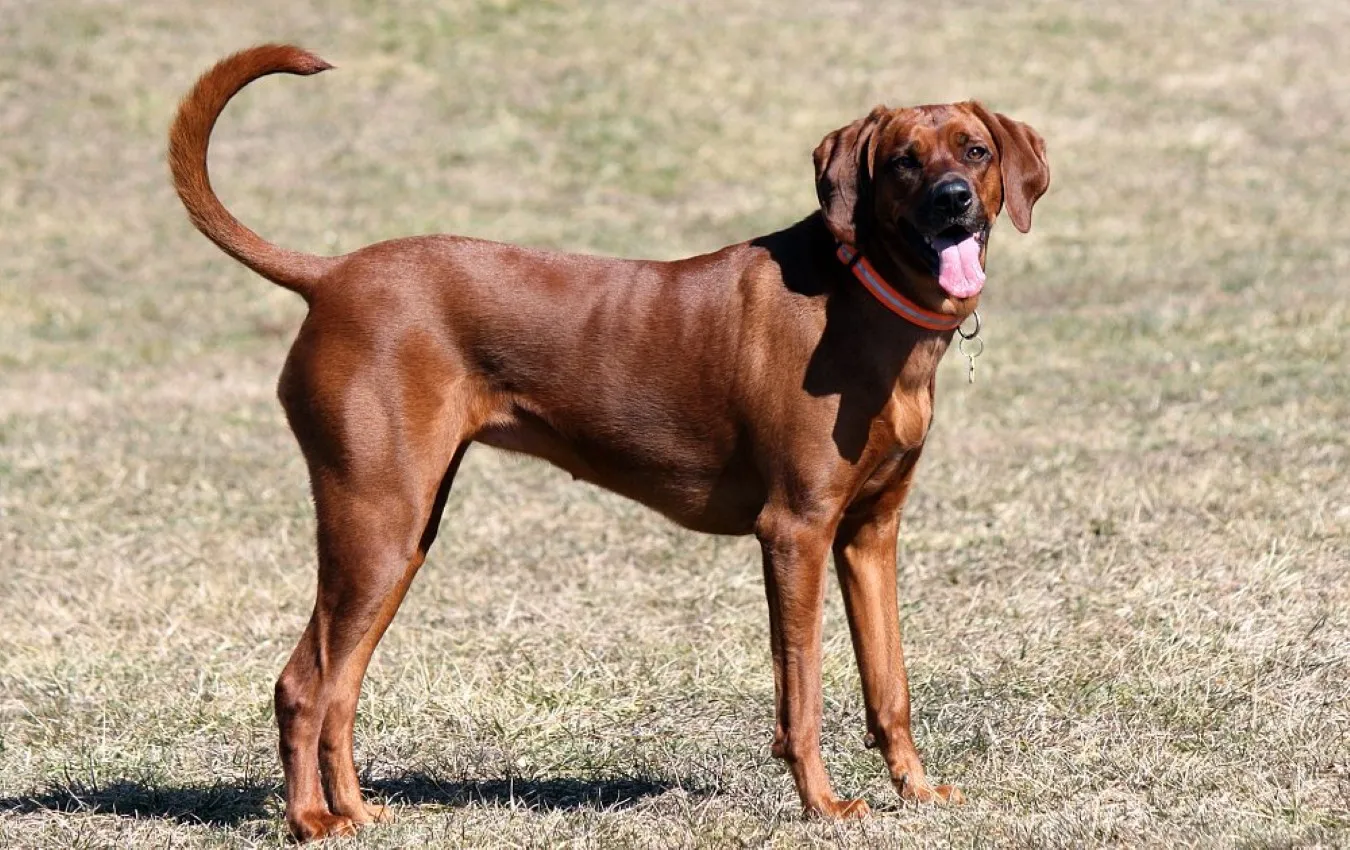
WHAT DO OWNERS WANT TO KNOW?
Are Redbone Coonhounds good family dogs?
Very Good
8 out of 10
The Redbone Coonhound is an excellent family dog for active households, known for being an affectionate and loyal companion that bonds closely with its owners. While even-tempered and mellow indoors, they require vigorous daily exercise and a secure yard to manage their high energy and strong hunting instincts.


Are Redbone Coonhounds good with kids?
Excellent
9 out of 10
Redbone Coonhounds are generally excellent with children, known for their patient, gentle, and even-tempered nature. They often form strong, loyal bonds with family members and are sturdy enough to be great playmates for active kids. While they are famously kind and mellow indoors, their high energy and large size mean supervised play is recommended with younger children to ensure safe and respectful interactions.
Are Redbone Coonhounds good dogs for first time owners?
Poor
2 out of 10
Redbone Coonhounds can be challenging for first-time owners due to their high energy, loud baying, and independent streak which may lead to stubbornness during training. While they are affectionate and eager to please, success requires a dedicated owner who can provide at least 90 minutes of daily vigorous exercise and consistent, positive reinforcement training to manage their strong hunting instincts.
Are Redbone Coonhounds good apartment dogs?
Poor
2 out of 10
They can adapt to apartment living if their significant exercise needs are met, though it is not ideal.
Do Redbone Coonhounds need a yard?
Highly Recommended
9 out of 10
A securely fenced yard is highly recommended for a Redbone Coonhound to safely accommodate their high energy levels and strong hunting instincts. While they can adapt to different living environments if provided with vigorous daily exercise, a yard provides an ideal space for off-leash exploration and prevents them from wandering off after a scent.
Can Redbone Coonhounds be left at home alone?
Poor
2 out of 10
Redbone Coonhounds are highly social dogs that bond closely with their families and are prone to separation anxiety if left alone for extended periods. They thrive best in households where they have frequent human companionship or a companion animal to prevent distress and vocal behaviors like baying.
Do Redbone Coonhounds tolerate cats well?
Poor
2 out of 10
Redbone Coonhounds can generally coexist well with cats, especially when raised together from a young age. However, their strong hunting instincts and high prey drive may lead to chasing behaviors toward smaller animals. Successful integration typically requires early socialization, consistent training, and slow, supervised introductions to ensure a peaceful multi-pet household. Owners should provide cats with safe, high retreats and monitor interactions closely until both pets are comfortable.
Are Redbone Coonhounds known to be aggressive?
Calm
8 out of 10
Redbone Coonhounds are not naturally aggressive; they are known for their social, friendly, and even-tempered nature at home. While tenacious on the hunt, they are typically gentle and affectionate with people and other dogs. Their loud baying or exuberant play can sometimes be mistaken for aggression, so early socialization and consistent training are essential to ensure they remain well-behaved and polite companions.
Do Redbone Coonhounds have a lot of energy?
High
8 out of 10
Redbone Coonhounds are high-energy athletes that require vigorous daily exercise, such as long hikes, runs, or swimming, to remain healthy and happy. While they are tireless on the trail and thrive in active environments, they are famously mellow and affectionate companions indoors once their physical needs are met. Owners should provide 60 to 90 minutes of daily activity to prevent boredom and destructive behaviors like excessive barking or digging.
How much exercise do Redbone Coonhounds need?
~90 min a day
8 out of 10
Redbone Coonhounds are high-energy canine athletes that require approximately 1 to 2 hours of vigorous daily exercise to stay healthy and happy. They excel as companions for active runners, hikers, and bikers, and they thrive when given the opportunity to engage in scent-based activities or swimming. Without sufficient physical and mental stimulation, these intelligent hounds can become bored and destructive, so consistent engagement is essential.
Do Redbone Coonhounds tolerate hot weather well?
Great
8 out of 10
Redbone Coonhounds generally tolerate heat well, as they were originally bred to work in the warm and humid climates of the American South. Their short, single-layered coats help them manage heat more effectively than double-coated breeds. However, owners should still provide constant access to shade and fresh water, and schedule vigorous exercise during the cooler morning or evening hours to prevent overheating and heatstroke.
Are Redbone Coonhounds good with cold weather?
Great
8 out of 10
Redbone Coonhounds generally tolerate heat well, as they were originally bred to work in the warm and humid climates of the American South. Their short, single-layered coats help them manage heat more effectively than double-coated breeds. However, owners should still provide constant access to shade and fresh water, and schedule vigorous exercise during the cooler morning or evening hours to prevent overheating and heatstroke.
Are Redbone Coonhounds sometimes banned from rentals?
Often Restricted
4 out of 10
Redbone Coonhounds are rarely listed on standard breed ban lists, but their large size and loud, melodic baying can be a significant concern for apartment living. Many rentals impose weight limits that this breed may exceed, and their vocal nature can lead to noise complaints. Always verify specific landlord policies regarding hound breeds and potential weight restrictions before applying.
WHAT DO OWNERS WANT TO KNOW?