Skip to content

Leonberger - MAIN HUB

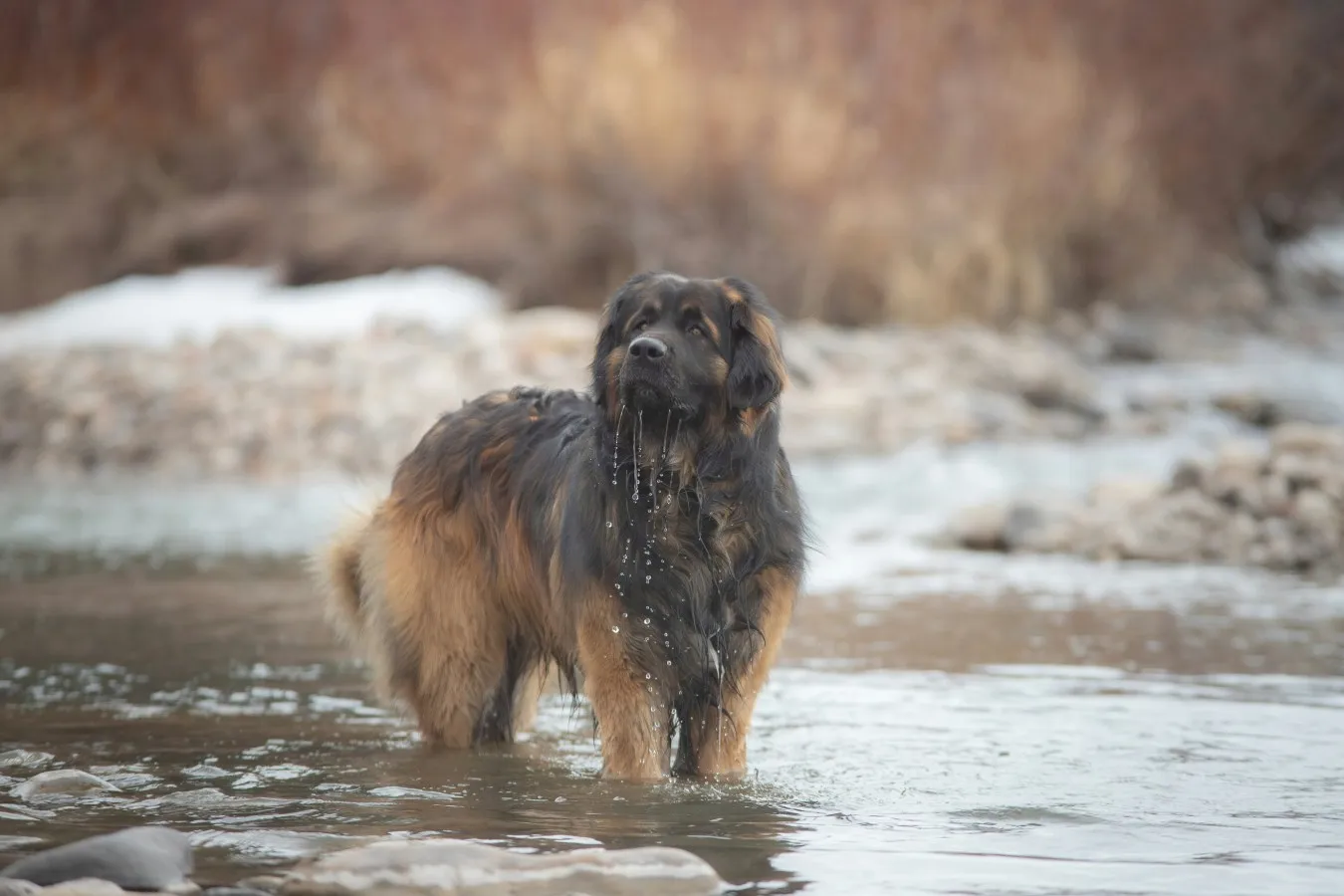
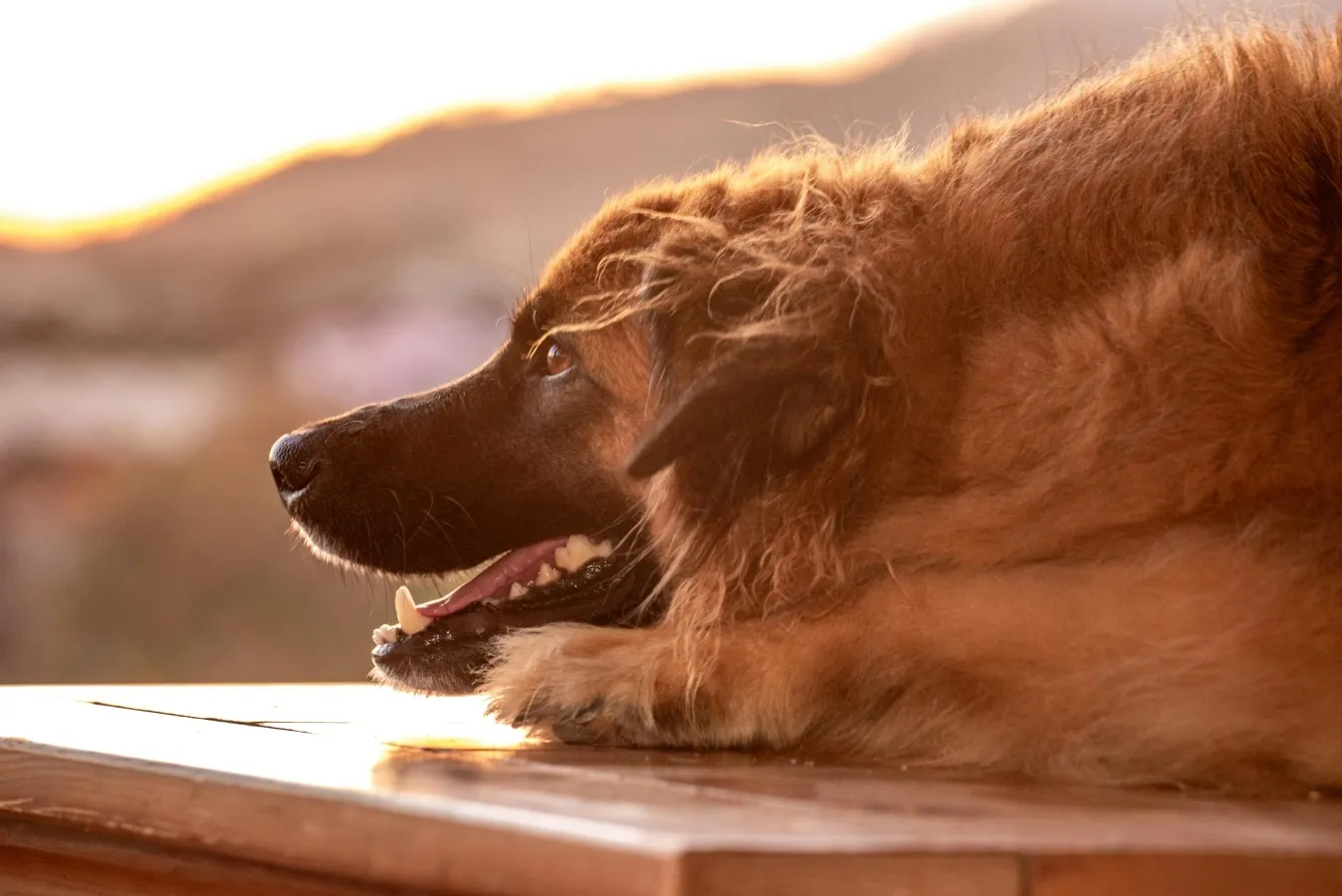
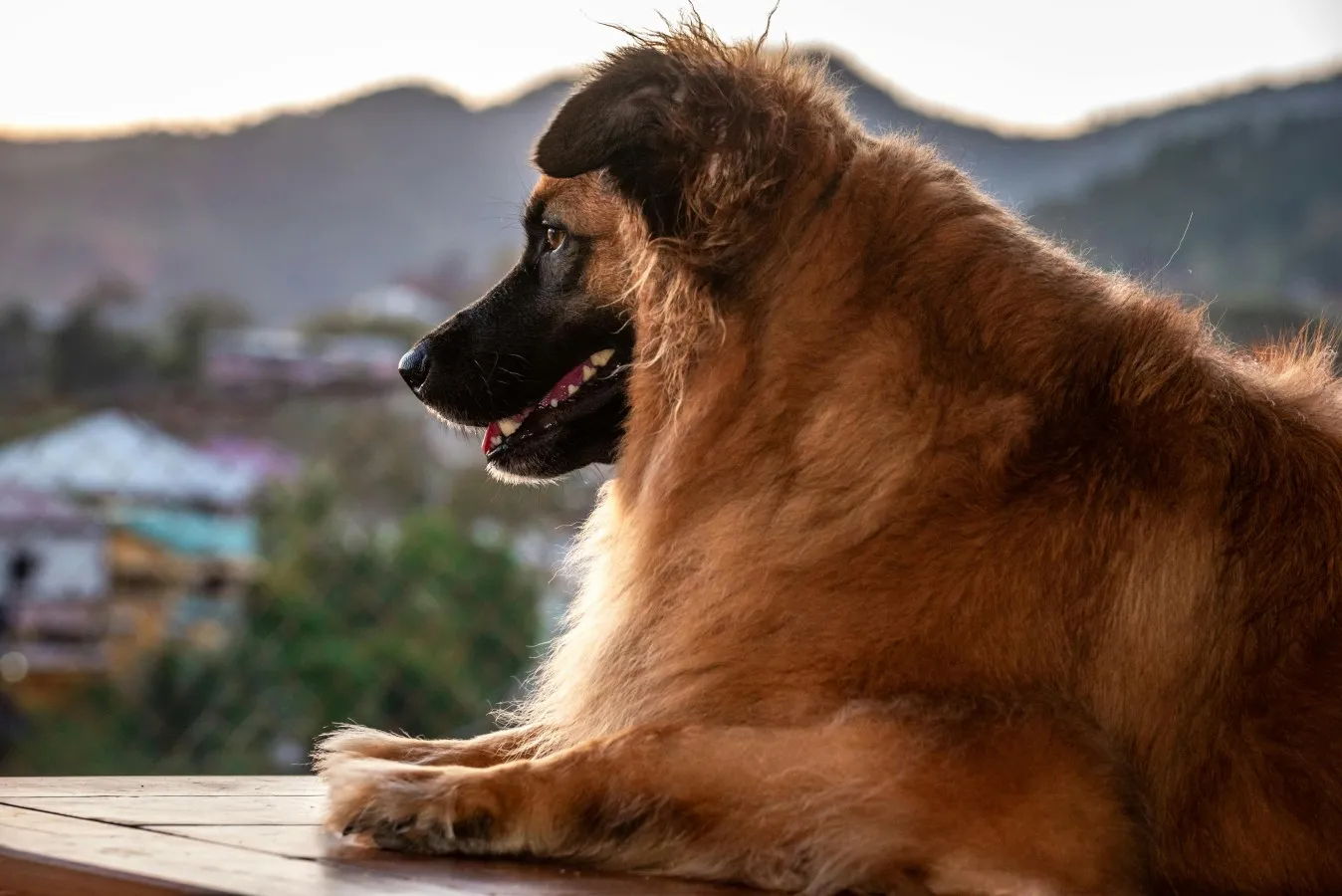
Meet the Leonberger: a majestic gentle giant with a lion-like mane, a heart of gold, and a love for deep bonds and extra-large family snuggles!

BREED GROUP

Working Dogs

Country of origin

Germany

BREED SIZE

Giant

BREED HEIGHT

26 -

32 IN

66 -

81 cm

BREED WEIGHT

90 -

170 LB

41 -

77 KG

WHAT YOU NEED TO KNOW

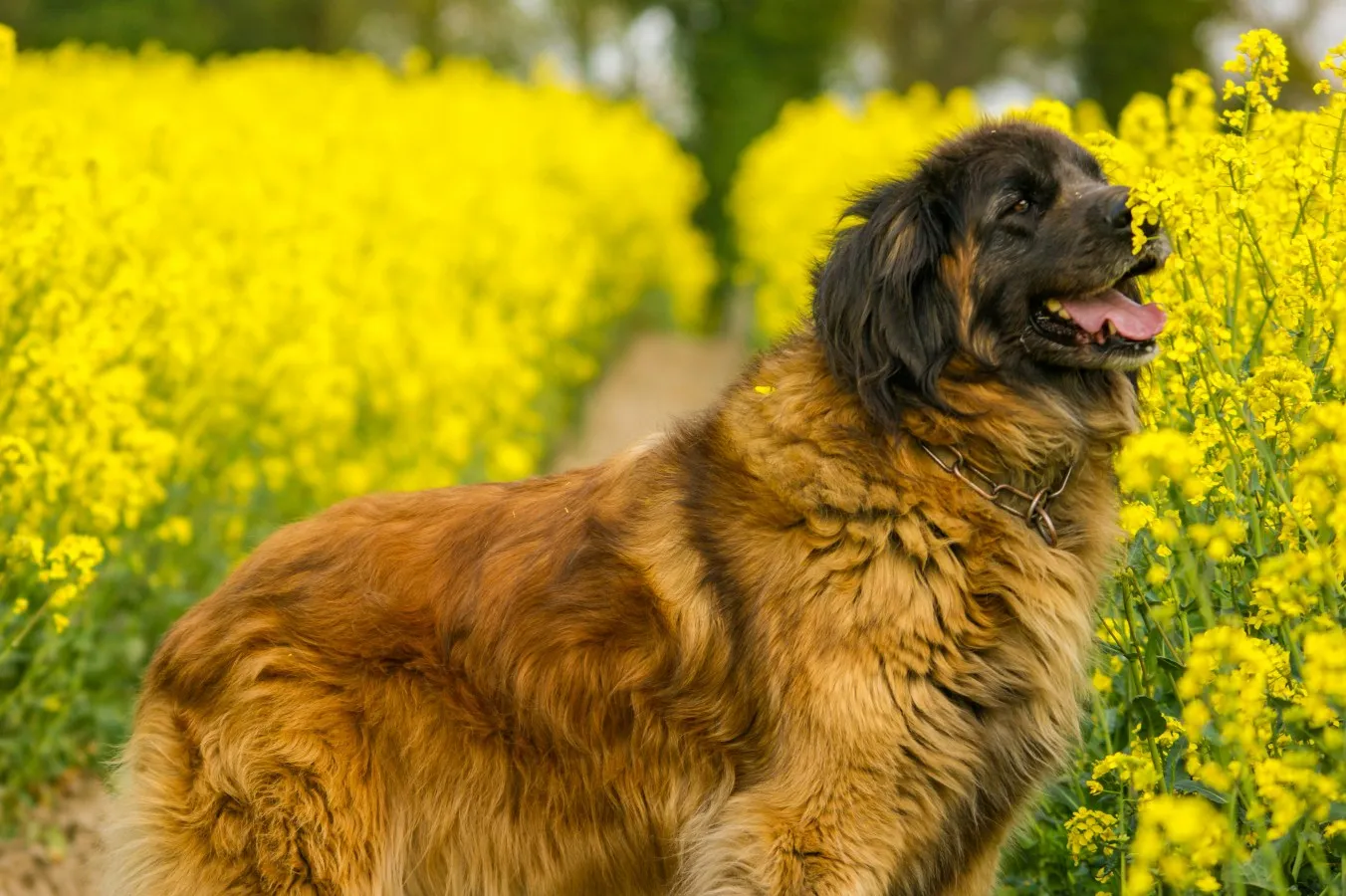
The Leonberger is a majestic giant breed from Germany, known as a gentle and loyal family companion. These powerful dogs possess a thick, water-resistant double coat, a distinctive black mask, and a lion-like mane in males. While calm and patient with children, their massive size requires supervision around toddlers. Owners should provide at least one hour of daily exercise and consistent, firm training to manage their strength and occasional stubbornness. Despite their affectionate nature and versatility in activities like swimming and carting, they have a short lifespan of seven to nine years.
american kennel club (AKC) recognition

Yes

Breed was recognized in 2010.

International Canine Federation (FCI) recognition

Yes

Breed was recognized in 1955.
WHAT DO OWNERS WANT TO KNOW?

Are Leonbergers good family dogs?

Excellent

10 out of 10

The Leonberger is an excellent family dog, known for being a gentle, loyal companion that is both calm and patient with children. Due to their massive size, they require supervision around toddlers and consistent training to manage their strength and occasional stubbornness. Their affectionate nature and versatility make them deeply bonded members of the household, though owners should be mindful of their relatively short lifespan.

Excellent

10 out of 10

Leonbergers are exceptionally good with children, earning a reputation as patient and nurturing gentle giants. They form deep emotional bonds with their families and are known for their calm, non-aggressive temperament around kids. While they are famously tolerant and gentle, their massive size requires supervision around toddlers to prevent accidental knocks during enthusiastic play. Consistent training and early socialization ensure these loyal companions remain well-behaved playmates.

Not Recommended

1 out of 10

Leonbergers are generally not recommended for first-time owners due to their massive size and significant care requirements. While gentle, their strength and occasional stubbornness require experienced handling and consistent, firm training from a young age. Prospective owners must be prepared for the substantial commitment to grooming, high maintenance costs, and the need for ample living space to accommodate a giant breed.

Fair

3 out of 10

Leonbergers can adapt to apartment living if their significant physical and mental exercise needs are met, though their massive size makes them better suited for homes with more space. While they are relatively calm and quiet indoors, they occupy considerable room and require at least one hour of vigorous daily activity to prevent boredom. Owners must also navigate potential challenges such as weight limits in rental agreements and the breed's need for constant human companionship.

Highly Recommended

2 out of 10

Leonbergers ideally require a large, securely fenced yard due to their massive size and need for daily movement. While adult Leonbergers are often calm indoors, a spacious outdoor area provides an essential outlet for their physical needs and allows them to explore safely. Access to a yard is highly recommended to ensure this giant breed remains healthy, happy, and well-stimulated throughout its life.

Not Recommended

1 out of 10

Leonbergers are devoted dogs that thrive on human companionship. While they are generally more confident and less prone to severe separation anxiety compared to other "velcro" breeds, provided they are properly socialized, they are best suited for households where someone is frequently present to prevent boredom and destructive behaviors.

Good

8 out of 10

Leonbergers generally get along well with cats, especially when socialized and introduced at a young age. Their calm, patient, and gentle nature allows them to integrate harmoniously into multi-pet households. However, due to their massive size and natural prey drive, owners should provide early training and supervised introductions to ensure interactions remain safe and peaceful.

Gentle

9 out of 10

Leonbergers are not naturally aggressive and are renowned for their calm, stable, and gentle temperaments. While they are loyal and possess a protective instinct that makes them excellent watchdogs, they typically use their massive size and deep bark as a deterrent rather than physical aggression. They are friendly, patient companions that require early socialization and consistent training to ensure their strength is managed and they remain well-behaved around strangers and other animals.

High

8 out of 10

Leonbergers have a moderate to high energy level, characterized by a calm and balanced temperament indoors but a need for vigorous daily activity outdoors. They require at least one to two hours of exercise, such as long walks, hiking, or swimming, to remain healthy and prevent destructive behavior. While they are energetic as puppies, adults are often described as "gentle giants" who alternate between being active partners and relaxed companions.

~60 min a day

9 out of 10

Leonbergers require approximately 1 to 2 hours of daily exercise to maintain their health and manage their large frames. Activities such as long walks, hiking, and swimming are ideal for this breed, as they have good stamina and a natural affinity for water. While generally calm indoors, they need consistent physical activity and mental stimulation to prevent boredom and destructive behaviors, though exercise for puppies must be carefully limited to protect developing joints.

Danger

1 out of 10

Leonbergers can live in hot weather but are not well-suited to hot climates due to their thick, insulating double coats. They are highly susceptible to overheating and heatstroke, requiring owners to provide air conditioning, ample shade, and constant fresh water. Exercise should be strictly limited to the cooler morning or evening hours, and activities like swimming or using a kiddie pool are highly recommended to help them manage the heat. Proper grooming is essential to maintain airflow through their coat, and they should never be shaved.

Danger

1 out of 10

Leonbergers can live in hot weather but are not well-suited to hot climates due to their thick, insulating double coats. They are highly susceptible to overheating and heatstroke, requiring owners to provide air conditioning, ample shade, and constant fresh water. Exercise should be strictly limited to the cooler morning or evening hours, and activities like swimming or using a kiddie pool are highly recommended to help them manage the heat. Proper grooming is essential to maintain airflow through their coat, and they should never be shaved.

Likely Banned

3 out of 10

Leonbergers are frequently subject to apartment breed bans primarily due to their massive size and weight, which often far exceed standard rental limits. While they are known as gentle giants with calm temperaments, their sheer power and space requirements can make them challenging for many rental properties. Prospective owners should carefully review individual landlord policies regarding giant breeds and weight restrictions before applying.

WHAT DO OWNERS WANT TO KNOW?


Photo
Reviewed by
Dr. Vojtech Gabriel
DVM · PhD · MBA
Veterinarian Researcher Dog breed specialist
Verified

"Leonbergers are majestic gentle giants, but they are predisposed to several serious health conditions that require proactive management. As a veterinarian, I prioritize screening for Leonberger Polyneuropathy (LPN) and Leukoencephalomyelopathy (LEMP), which are degenerative neurological disorders common in the breed. Their giant size makes them highly susceptible to Gastric Dilatation-Volvulus (bloat), a life-threatening emergency, as well as hip and elbow dysplasia, necessitating strict weight management and joint support. Furthermore, Leonbergers have a tragically high incidence of aggressive cancers, specifically osteosarcoma and hemangiosarcoma, which significantly impact their lifespan. I also recommend regular monitoring for heart conditions like dilated cardiomyopathy and endocrine issues such as Addison’s disease. Given their short life expectancy and potential for complex medical needs, I strongly advise owners to choose health-screened puppies and secure comprehensive pet insurance early on."


Other Working Dogs