Skip to content

Dalmatian - MAIN HUB

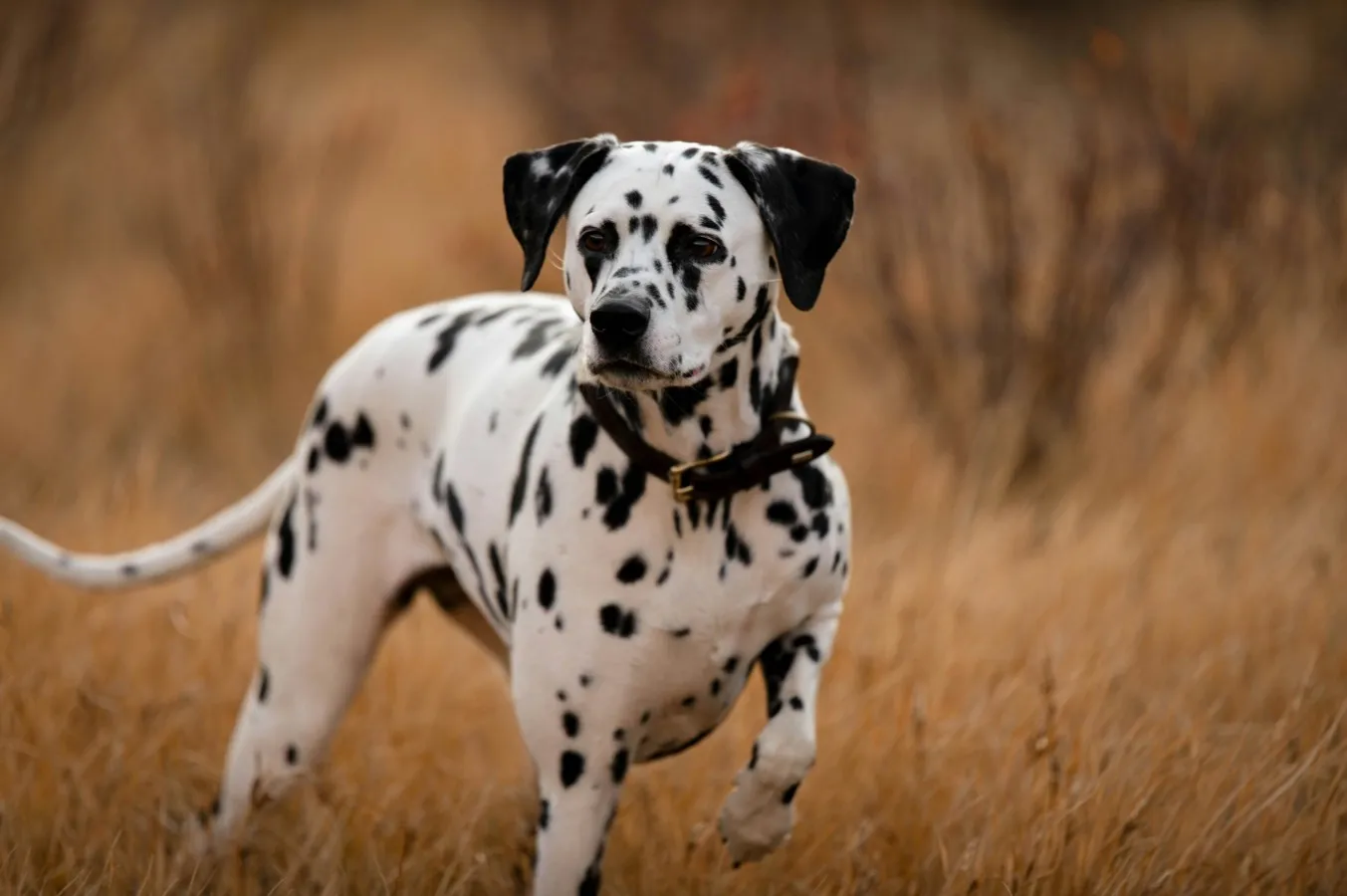
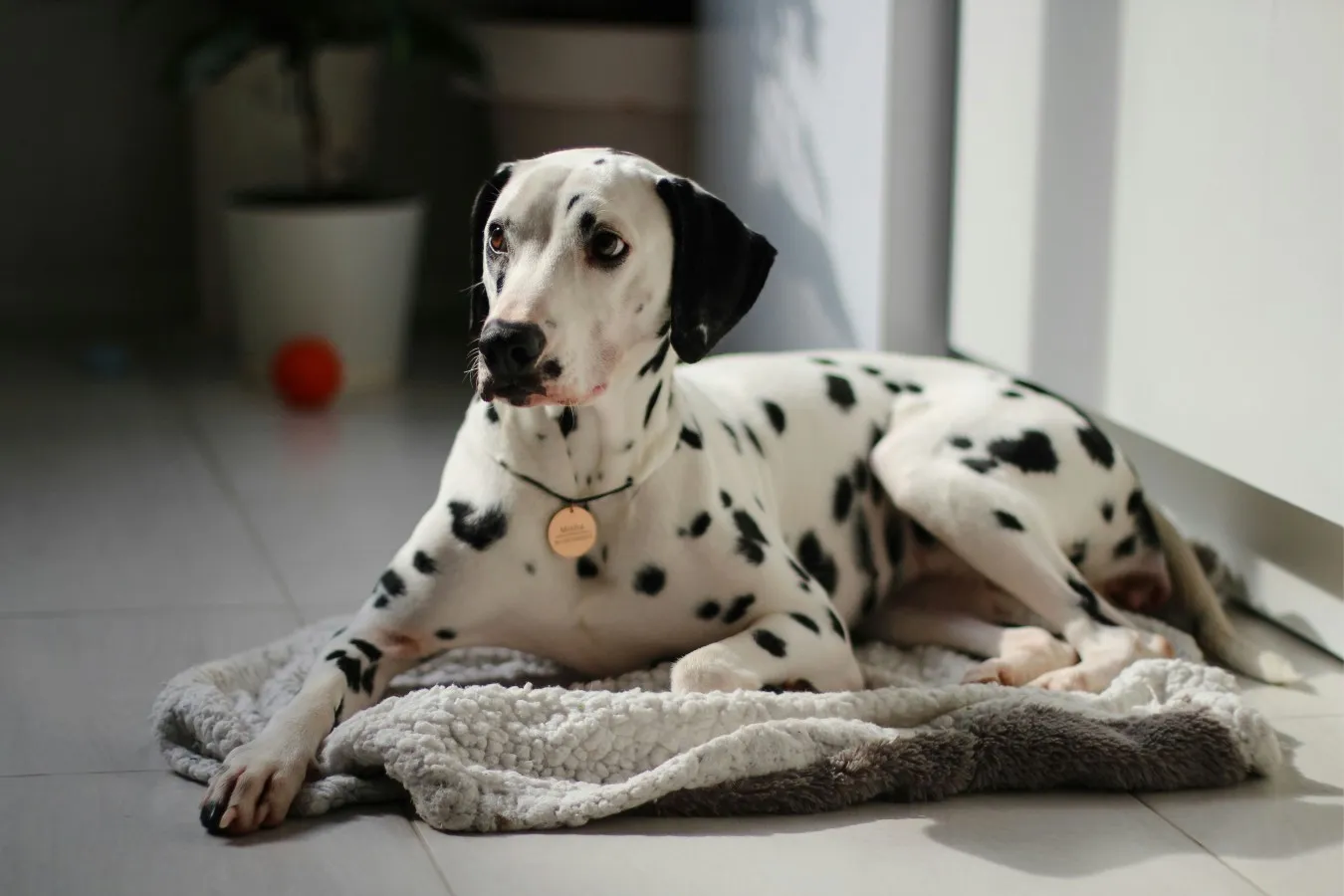
Meet the iconic spotted athlete! Loyal and full of life, Dalmatians are perfect for active families who love long runs and constant companionship.

BREED GROUP

Companion Dogs

Country of origin

Croatia

BREED SIZE

Large

BREED HEIGHT

19 -

23 IN

48 -

58 cm

BREED WEIGHT

45 -

70 LB

20 -

32 KG

WHAT YOU NEED TO KNOW

The Dalmatian is an iconic, high-energy breed famous for its unique spotted coat and history as a carriage dog and firehouse mascot. Originating from Croatia, these muscular athletes require at least two hours of daily exercise to prevent destructive behavior. While loyal and friendly with their families, they can be reserved with strangers and stubborn during training, necessitating patient, reward-based guidance. Owners should expect heavy year-round shedding and potential health issues like deafness or bladder stones. Ideal for active households with older children, Dalmatians thrive on constant human companionship and mental stimulation.
american kennel club (AKC) recognition

Yes

Breed was recognized in 1888.

International Canine Federation (FCI) recognition

Yes

Breed was recognized in 1955.
WHAT DO OWNERS WANT TO KNOW?

Are Dalmatians good family dogs?

Good

7 out of 10

Dalmatians are loyal and friendly companions that thrive on constant human interaction, making them a great fit for active families. However, due to their high energy levels and requirement for significant daily exercise, they are generally best suited for households with older children.

Good

7 out of 10

Dalmatians are generally good with children, especially when raised with them, and are known for their playful and loyal nature. However, due to their large size and high energy levels, they may be too boisterous for toddlers and are often better suited for families with older children who can handle their enthusiastic play. Early socialization and supervision are essential to ensure positive interactions and to teach the dog gentle behavior around younger family members.

Not Recommended

2 out of 10

Dalmatians are generally not recommended for first-time owners due to their high energy, extreme stamina, and independent nature. They require a significant daily commitment of at least two hours of physical activity and mental stimulation to prevent boredom and destructive behaviors. While loyal and intelligent, they are best suited for experienced owners who can provide the consistent training and extensive socialization they need to thrive.

Below Average

4 out of 10

Dalmatians are generally not recommended for apartment living due to their exceptionally high energy levels and need for vigorous daily activity. While they can adapt if owners commit to at least two hours of daily exercise and significant mental stimulation, they typically thrive much better in homes with a large, securely fenced yard where they can run and satisfy their natural athletic instincts. Without sufficient outlets for their stamina, they may become bored, restless, or destructive.

Strictly Required

9 out of 10

A large, securely fenced yard is highly recommended for Dalmatians due to their exceptionally high energy levels and need for vigorous daily activity. While they can adapt to apartment living with at least two hours of daily exercise and mental stimulation, a yard provides the necessary space for them to run safely and satisfy their natural athletic instincts, helping to prevent boredom and destructive behaviors.

Not Recommended

1 out of 10

Dalmatians are highly social "velcro" dogs that thrive on human companionship and can develop separation anxiety if left alone too often. While well-bred adults can learn to tolerate moderate absences with proper training and exercise, prolonged isolation often leads to destructive behaviors or excessive barking. They are best suited for households where they can be involved in family activities and are not left alone for more than four hours.

Good

7 out of 10

Dalmatians generally get along well with cats, especially when raised together from a young age or introduced properly. Their loyal and social nature helps them form harmonious bonds with feline companions. However, their high energy and potential chase instinct mean that introductions should be slow and supervised to ensure a peaceful multi-pet household.

Protective

3 out of 10

Dalmatians are not naturally aggressive but possess strong protective instincts and a history as guardians. While they are loyal and affectionate with their families, they can be reserved or wary toward strangers. Consistent positive reinforcement training, early socialization, and significant daily exercise are essential to prevent their high energy from manifesting as reactivity or territorial behaviors.

Hyperactive

10 out of 10

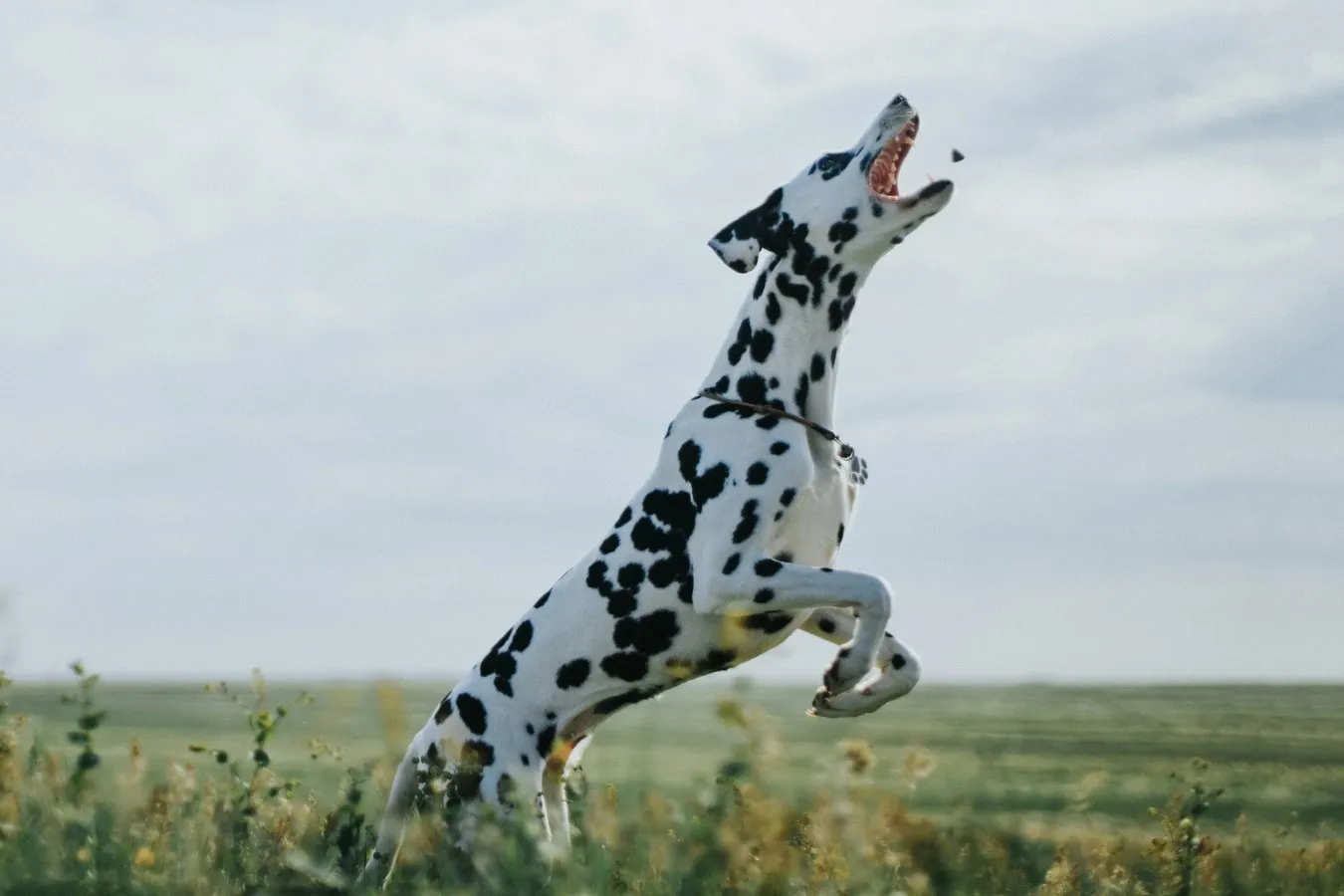
Dalmatians are exceptionally high-energy athletes with remarkable stamina, originally bred to run miles alongside horse-drawn carriages. They require at least one to two hours of vigorous daily exercise, such as running, hiking, or agility, combined with consistent mental stimulation to stay healthy. Without sufficient physical and mental outlets, these spirited dogs can quickly become bored, restless, and destructive.

~120+ min a day

10 out of 10

Dalmatians are exceptionally high-energy athletes that require at least two hours of vigorous daily exercise to remain healthy and prevent destructive behaviors. Originally bred as carriage dogs, they possess incredible stamina and thrive on activities like long runs, hiking, and agility. Owners must also incorporate regular mental stimulation, such as puzzle toys and scent work, to satisfy this intelligent breed's active mind.

Average

5 out of 10

Dalmatians have a moderate tolerance for hot weather, but their short, thin coats and lean builds make them susceptible to overheating and sunburn. Owners should provide constant access to shade and fresh water, and prioritize exercise during the cooler morning or evening hours. Due to their unique urinary system, maintaining consistent hydration is especially critical for this breed in warm climates.

Average

5 out of 10

Dalmatians have a moderate tolerance for hot weather, but their short, thin coats and lean builds make them susceptible to overheating and sunburn. Owners should provide constant access to shade and fresh water, and prioritize exercise during the cooler morning or evening hours. Due to their unique urinary system, maintaining consistent hydration is especially critical for this breed in warm climates.

Rarely Restricted

7 out of 10

Dalmatians are rarely subject to specific breed bans, as they are not typically classified as high-risk or aggressive. However, their large size and high energy levels may conflict with standard apartment weight limits and noise policies. Always verify individual landlord rules regarding pet size and activity requirements to ensure the breed is permitted in your rental.

WHAT DO OWNERS WANT TO KNOW?


Photo
Reviewed by
Dr. Vojtech Gabriel
DVM · PhD · MBA
Veterinarian Researcher Dog breed specialist
Verified

"Dalmatians are iconic athletes but possess unique metabolic and genetic predispositions. As a veterinarian, my primary concern is Hyperuricosuria; 100% of purebred Dalmatians carry a mutation affecting purine metabolism, leading to a high risk of painful urate bladder stones. Managing this requires a lifelong, low-purine diet, constant hydration, and frequent urination to prevent life-threatening blockages. Sensorineural deafness is another major concern, affecting 15-30% of the breed, necessitating BAER testing in puppies. They are also prone to skin allergies and hip dysplasia. I strongly recommend choosing puppies from BAER-tested and health-screened parents, strictly adhering to dietary requirements, and obtaining comprehensive pet insurance to manage potential emergency surgeries or chronic health needs."


Other Companion Dogs