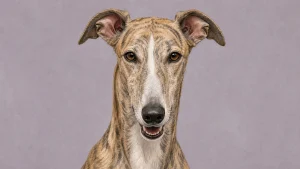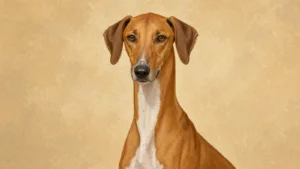
Sloughi
Breed Group
Hound Dogs
Country of Origin
North Africa
Breed Size
Giant
AKC Recognition
Yes, recognized in 2016
FCI Recognition
Yes, recognized in 2006
Family dog
Good7 / 10
Good with kids
Good7 / 10
First-time owner
Not Recommended1 / 10
Apartment dog
Fair4 / 10
Yard need
Highly Recommended2 / 10
Can be left alone
Not Recommended1 / 10
What Do Owners Want to Know?
Are Sloughi good family dogs?
The Sloughi is a loyal and deeply affectionate breed that bonds closely with its family members, making it a devoted companion. While quiet and gentle indoors, they are best suited for active families who can provide significant daily exercise and experienced handling to manage their sensitive nature and high prey drive.
Family dog: 7 / 10
Are Sloughi good with kids?
Sloughis are generally good with children, especially when raised with them from a young age. Originating from the Maghreb region (Morocco, Algeria, Tunisia, and Libya), their gentle and affectionate nature makes them devoted family companions, though they are best suited for older, respectful children who understand how to handle a sensitive dog. Because of their cautious and reserved temperament, they may retreat from rowdy play or loud noises, so supervision and early socialization are essential to ensure they remain calm and comfortable.
Good with kids: 7 / 10
Are Sloughi good for first-time owners?
Sloughis are best suited for experienced sighthound owners rather than first-time owners due to their high prey drive, sensitivity, and independent nature. While loyal and gentle, they require specific handling, consistent positive reinforcement training, and a significant commitment to providing ample daily exercise in secure areas. Success for a novice owner would require extensive research and dedication to meeting this ancient breed's unique physical and emotional needs.
First-time owner: 1 / 10
Are Sloughi good apartment dogs?
Sloughis can adapt to apartment life if their significant exercise needs are met, as they are notably quiet and gentle indoors. However, their large size and need for vigorous daily activity mean they are best suited for active owners who can provide ample time for outdoor running. Consistent training and mental stimulation are essential to ensure these sensitive sighthounds remain well-behaved in smaller living environments.
Apartment dog: 4 / 10
Do Sloughi need a yard?
A yard is not strictly required for a Sloughi as they are adaptable to different living environments, including apartments, provided they receive significant daily exercise. However, a securely fenced yard is highly recommended to allow them to gallop freely and satisfy their natural running instincts safely. Due to their exceptional jumping ability, any enclosure should have a fence at least 6 feet high to prevent them from leaping over it.
Yard need: 2 / 10
Can Sloughi be left alone?
Sloughis bond deeply with their families and can suffer from separation anxiety if left alone for long periods. They thrive on human companionship and do best in calm households where someone is frequently present. With early socialization and gradual training from a young age, they can learn to tolerate short absences, but they are not well-suited for long periods of isolation.
Can be left alone: 1 / 10
Are Sloughi good with cats?
Sloughis can coexist peacefully with cats if they are raised with them from a young age and taught that they are not prey. However, due to their millennia-old hunting heritage and exceptionally high prey drive, they should never be left alone with small animals unsupervised. Even a well-socialized Sloughi may still chase unfamiliar cats or small pets encountered outdoors.
Good with cats: 2 / 10
Are Sloughi aggressive?
Sloughis are not naturally aggressive; they are known for their gentle, quiet, and noble temperament within the home. While deeply loyal and affectionate with their families, they are naturally aloof and cautious around strangers, which makes them excellent watchdogs. Their high prey drive is a characteristic of the breed rather than interpersonal aggression, and they respond best to patient, positive reinforcement training rather than harsh methods.
Aggression tendency: 9 / 10
Are Sloughi high-energy dogs?
Sloughis have a balanced energy profile, acting as high-energy, athletic runners outdoors while remaining calm and restful "couch potatoes" indoors. They require significant daily exercise, such as long walks or sprinting in secure areas, to satisfy their sighthound instincts. Without appropriate outlets for their energy, they may become anxious or destructive, but they generally adapt well to quiet home routines once their physical needs are met.
Energy level: 8 / 10
How much exercise does a Sloughi need?
Sloughis are athletic sighthounds that require significant daily exercise to maintain their physical and mental well-being, typically needing between 1 to 2 hours of activity. This should include long, brisk walks and opportunities for high-speed sprints in a securely fenced area to satisfy their natural hunting instincts. Providing mental stimulation through activities like lure coursing, agility, or puzzle toys is also essential to prevent boredom and destructive behaviors in this energetic breed.
Exercise need: 8 / 10
Can Sloughi live in hot weather?
Sloughis are exceptionally well-adapted to hot, arid climates due to their North African heritage, lean builds, and short, fine coats that dissipate heat efficiently. Their dark skin pigmentation also provides natural protection against intense sun exposure. However, owners must still be proactive by providing ample shade, constant fresh water, and avoiding strenuous exercise during peak sun hours to prevent heatstroke and protect their paws from scorching pavement.
Hot weather tolerance: 10 / 10
Can Sloughi live in cold weather?
Sloughis are sensitive to cold weather due to their thin coats and low body fat, which offer minimal insulation against freezing temperatures. Originally from North Africa, they are better suited for warmer climates and can quickly succumb to hypothermia in winter. Owners should provide warm sweaters or coats and limit outdoor exposure during cold spells to ensure their comfort and safety.
Cold weather tolerance: 2 / 10
Are Sloughi banned in apartments or rentals?
Sloughis are sometimes subject to apartment breed restrictions, primarily due to their large size and high prey drive. While they are quiet and gentle indoors, many landlords may impose limits based on weight or perceived exercise requirements. Prospective owners should always check individual rental policies and insurance requirements, as these sighthounds often exceed common 50-pound weight limits found in many apartment complexes.
Rental restriction risk: 5 / 10
Vet Insights
The Sloughi is an ancient and generally healthy breed, but it has specific health risks that require veterinary attention. As a veterinarian, I focus on screening for Progressive Retinal Atrophy (PRA), a genetic eye disorder that can lead to vision loss, as well as autoimmune conditions like Addison's disease and lupus. Due to their deep-chested build, owners must be vigilant for gastric torsion (bloat), which is a life-threatening emergency. Sloughis are also notably sensitive to anesthesia and certain medications, necessitating specialized protocols during surgical procedures. Maintaining a lean body condition through regular exercise and a high-quality diet is vital, as is proactive dental care to prevent periodontal disease. Given their sensitive nature, I recommend positive reinforcement training and early socialization to ensure their long-term mental and physical well-being.