Skip to content

German Spitz - MAIN HUB

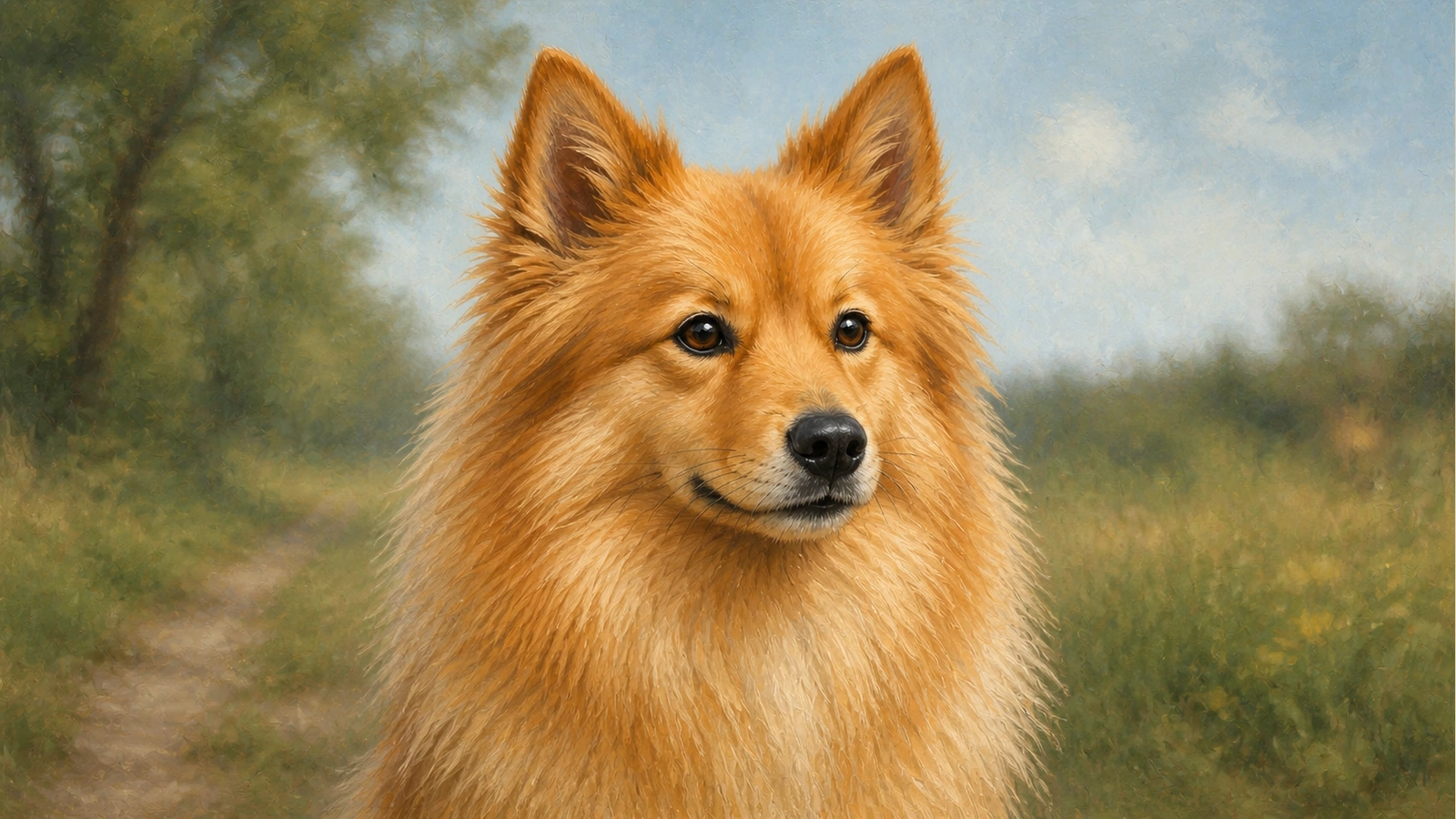
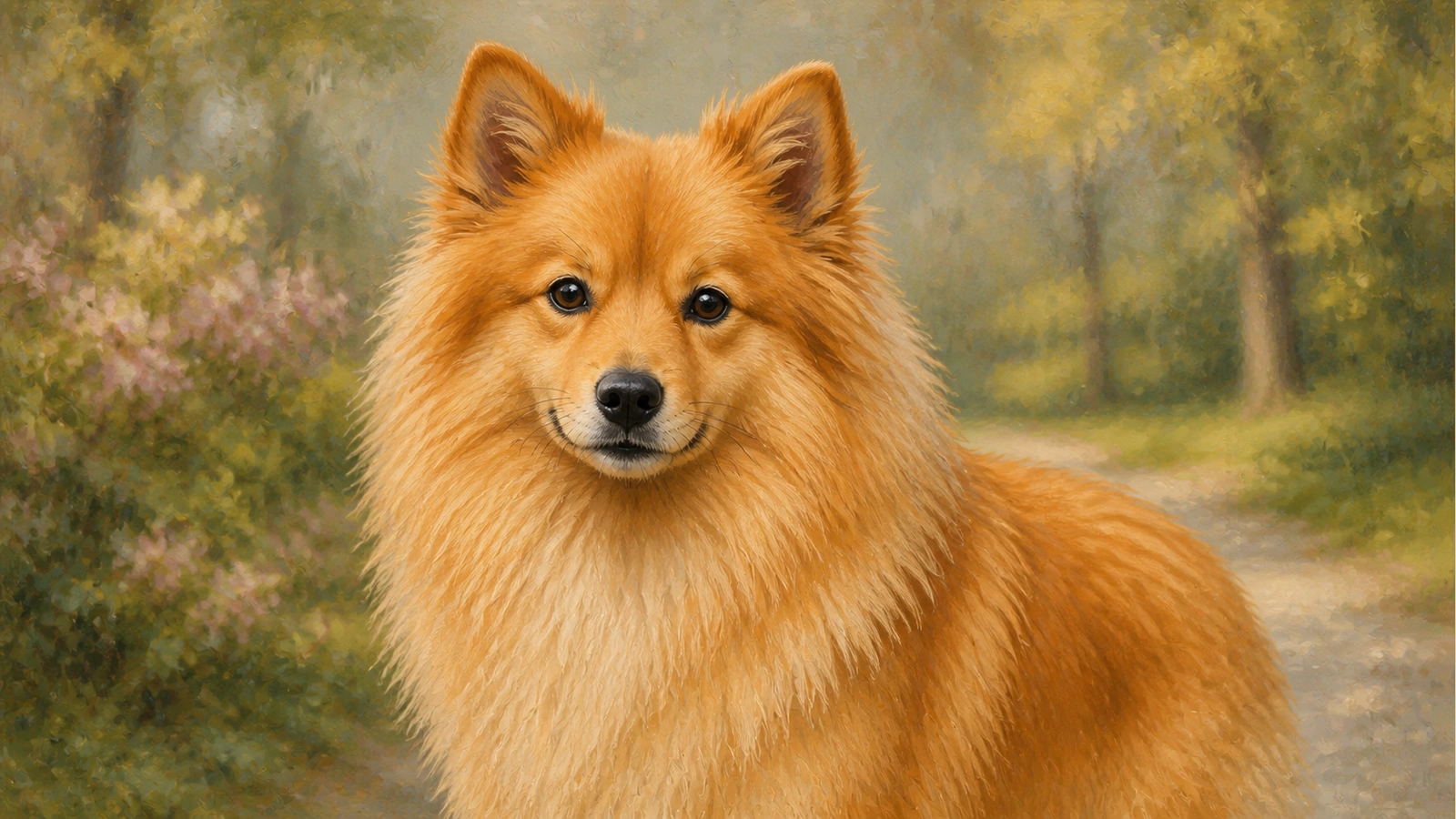
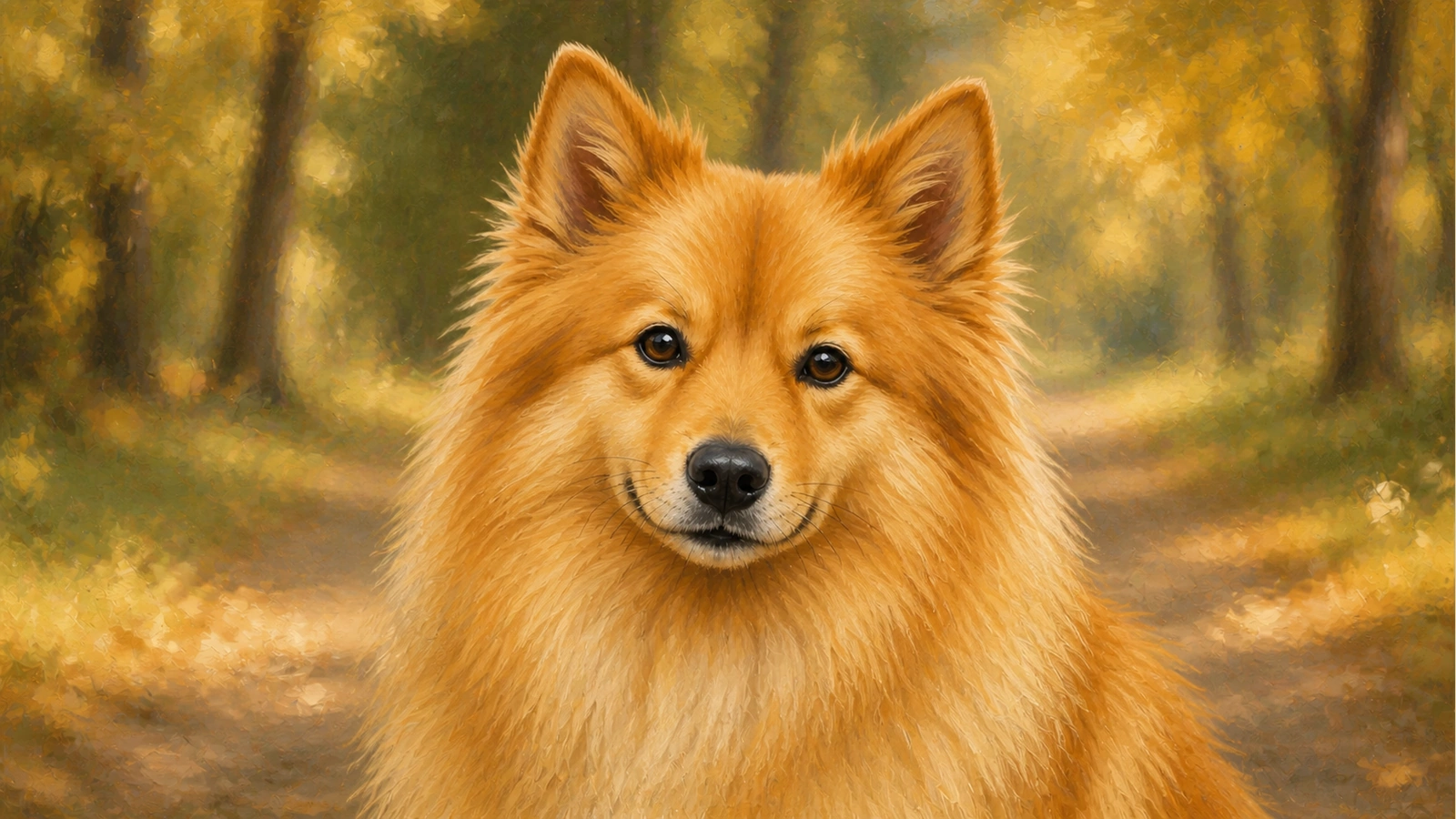
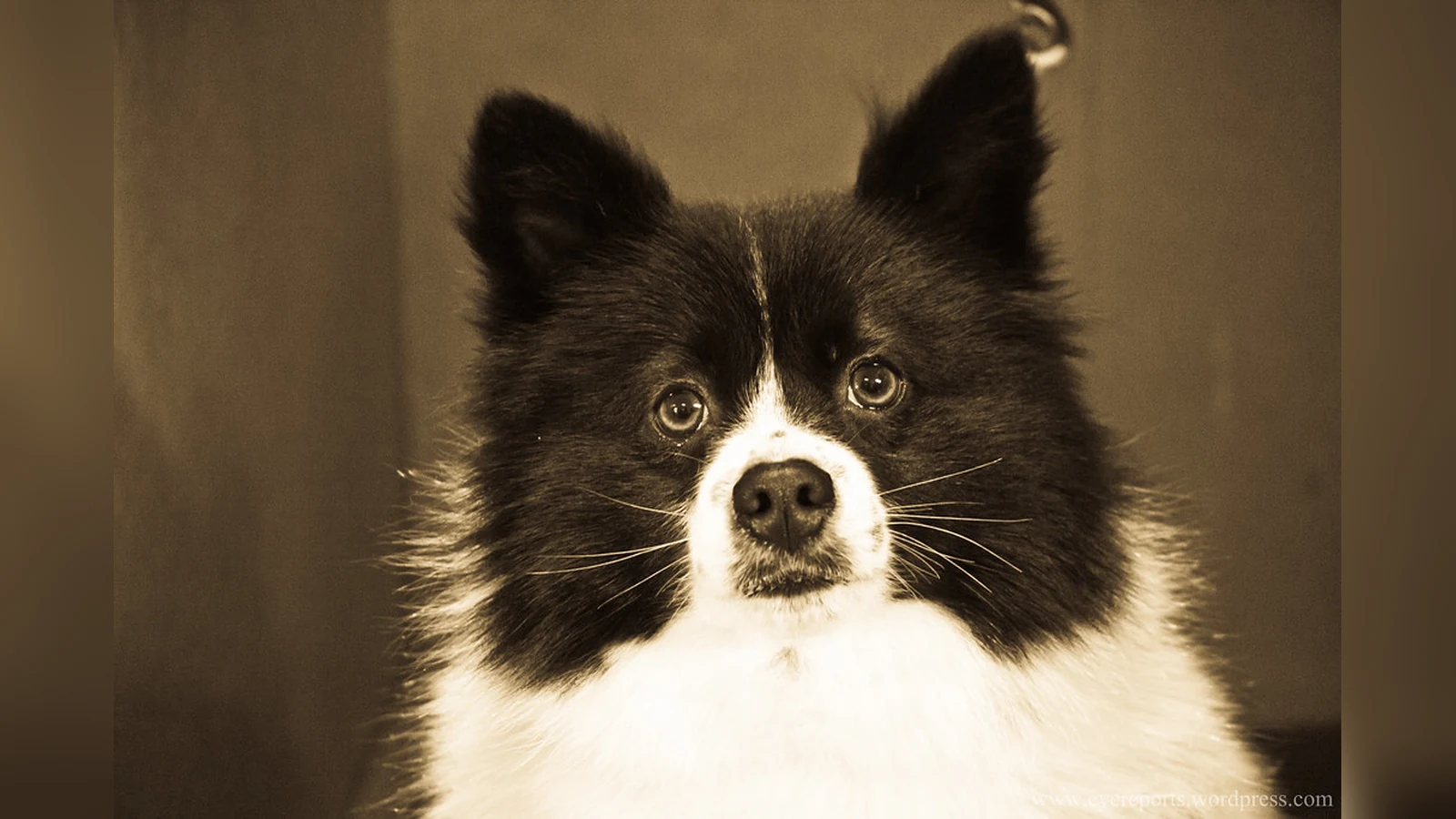
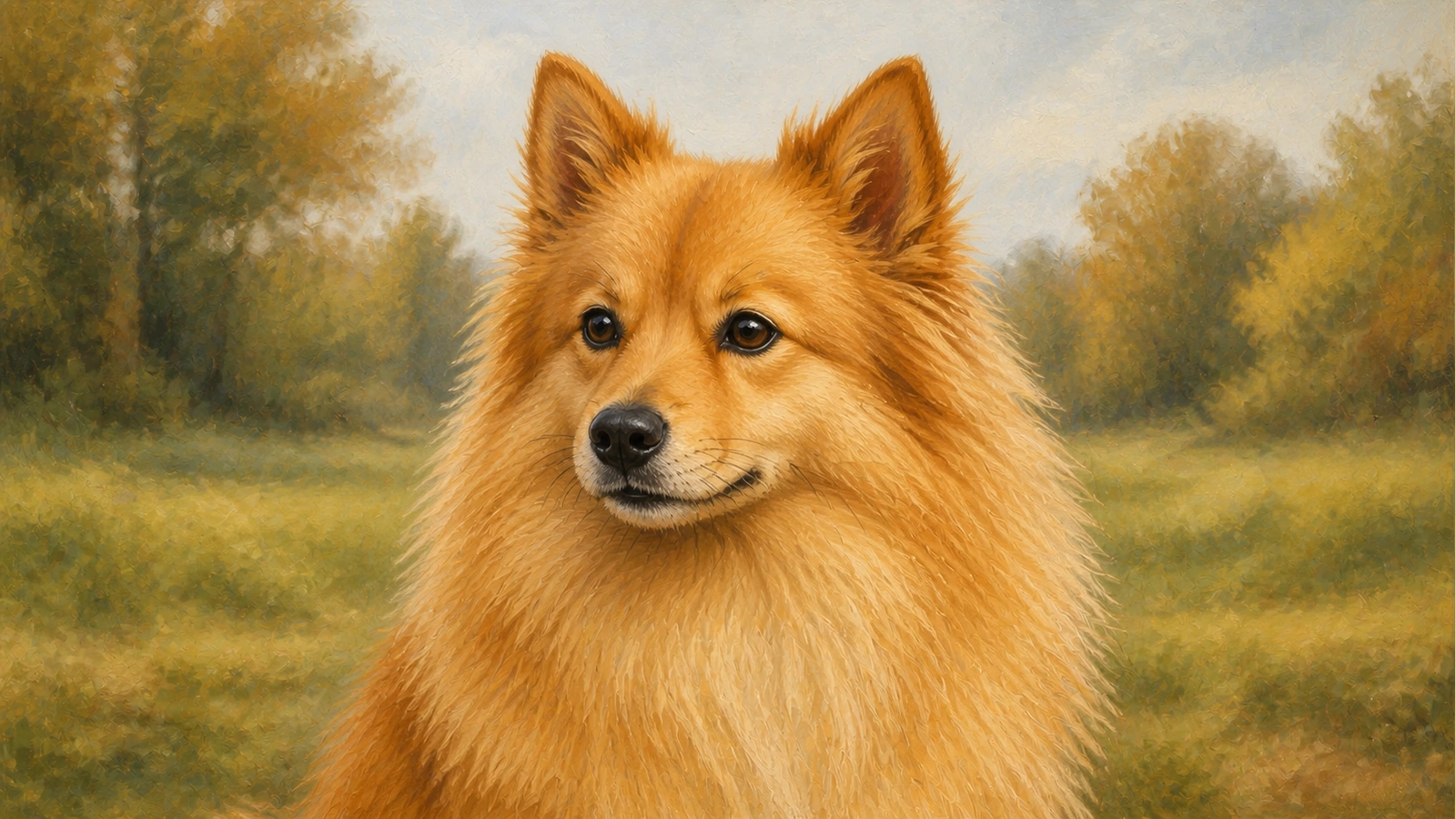
A lively, foxy-faced companion, the German Spitz is a devoted “firecracker” known for its fluffy coat, alert nature, and unwavering family loyalty.

BREED GROUP

Companion Dogs

Country of origin

Germany

BREED SIZE

Small

BREED HEIGHT

12 -

15 IN

30 -

38 cm

BREED WEIGHT

24 -

26 LB

11 -

12 KG

WHAT YOU NEED TO KNOW

The German Spitz is a lively and ancient breed originating from Germany, known for its intelligence and devotion to family. With a lifespan of 13 to 15 years, these small to medium dogs stand 12 to 15 inches tall and weigh between 15 and 25 pounds (7-11 kg). They are highly alert companions that make excellent watchdogs due to their vocal nature. Although they currently sit in the AKC Foundation Stock Service, they have been recognized by the FCI since 1957. They thrive with regular exercise, mental stimulation, and consistent grooming.
american kennel club (AKC) recognition

No

Breed was recognized in 0.

International Canine Federation (FCI) recognition

Yes

Breed was recognized in 1957.
WHAT DO OWNERS WANT TO KNOW?

Are German Spitzes good family dogs?

Excellent

4 out of 10

The German Spitz is an excellent family dog due to its high level of intelligence and unwavering devotion to its owners. Its lively nature and status as an alert watchdog make it a loyal and protective companion for household life.

Excellent

4 out of 10

German Spitzes are excellent playmates for children due to their lively, fun-loving, and adoring nature. They are particularly patient and known for not holding grudges, making them ideal companions for families with kids of all ages. However, because their sharp minds can lead them to be distracted by fast-moving children, supervision is recommended to ensure interactions remain safe.

Below Average

4 out of 10

German Spitzes are generally considered below average for first-time owners because their high intelligence is often paired with a stubborn, independent streak that can be challenging for novices. Their vocal nature and history as alert watchdogs require consistent, patient training and early socialization to manage. While they are devoted companions, they demand a firm handle on positive reinforcement to ensure they remain well-behaved members of the household.

Very Good

7 out of 10

German Spitzes are very good apartment dogs because of their manageable size and high level of adaptability to urban environments. They thrive in smaller spaces provided they receive regular daily walks and mental stimulation to manage their energy. While their alert nature can lead to barking, consistent training helps ensure they remain well-behaved and devoted companions for city living.

Below Average

6 out of 10

A yard is not strictly required for a German Spitz, as they are highly adaptable and can thrive in apartments with regular walks and mental stimulation. However, a secure, fenced yard is highly recommended to accommodate their active nature and strong prey drive, providing a safe outdoor space for this curious breed and helping to prevent potential escape attempts.

Average

5 out of 10

German Spitzes are devoted companions that thrive on attention and may become vocal or destructive if left alone for extended periods. While they can be trained to tolerate being alone for reasonable amounts of time, they are best suited for households where they receive consistent interaction and mental stimulation to prevent boredom.

Very Good

7 out of 10

German Spitzes generally coexist well with cats, especially when raised together from a young age. Their friendly and affectionate nature helps them form strong bonds with feline housemates. However, because they retain a strong prey drive, they may instinctively chase cats if they run, so early socialization and supervised introductions are essential to ensure a harmonious multi-pet household.

Balanced

5 out of 10

German Spitzes are not naturally aggressive; they are typically lively, friendly, and devoted companions. While they possess a natural distrust of strangers and a strong vocal instinct to alert their owners to anything unusual, they are neither timid nor over-sharp. With early socialization and positive reinforcement training, their protective nature remains balanced, and they stay well-behaved family pets.

Very Low

2 out of 10

German Spitzes have relatively low energy levels, typically characterized as lively but easily satisfied with moderate daily activity. They generally require about 45 minutes of exercise, such as short walks or interactive play, to remain happy and healthy in a household environment.

~45 min a day

5 out of 10

An adult German Spitz typically needs 45 to 60 minutes of daily exercise, including brisk walks and interactive play. Providing mental stimulation through puzzle toys or dog sports like agility is also important to satisfy their intelligence and prevent boredom.

Fair

4 out of 10

German Spitzes are sensitive to excessive heat due to their dense double coats, which can lead to overheating and circulatory problems. Owners must never shave or clip the coat, as the undercoat is essential for insulating against heat and protecting the skin from sunburn. During warmer months, it is vital to avoid overexertion, provide ample shade and fresh water, and limit outdoor activities to the cooler parts of the day.

Fair

4 out of 10

German Spitzes are sensitive to excessive heat due to their dense double coats, which can lead to overheating and circulatory problems. Owners must never shave or clip the coat, as the undercoat is essential for insulating against heat and protecting the skin from sunburn. During warmer months, it is vital to avoid overexertion, provide ample shade and fresh water, and limit outdoor activities to the cooler parts of the day.

Low Risk

7 out of 10

German Spitzes are rarely subject to breed-specific bans and are generally considered low-risk for apartment living due to their manageable size and friendly nature. However, because they can be vocal watchdogs, potential owners should consider individual building noise policies. It is always recommended to check with landlords regarding specific weight limits or pet insurance requirements before moving in.

WHAT DO OWNERS WANT TO KNOW?


Photo
Reviewed by
Dr. Vojtech Gabriel
DVM · PhD · MBA
Veterinarian Researcher Dog breed specialist
Verified

"German Spitzes are generally healthy but predisposed to several conditions. As a veterinarian, I recommend monitoring for patellar luxation, which is common in smaller varieties and can cause lameness. Eye issues like Progressive Retinal Atrophy (PRA) and retinal dysplasia are significant risks that can lead to blindness, so regular ophthalmic exams are essential. I also prioritize screening for idiopathic epilepsy and monitoring for collapsing trachea, especially if the dog develops a honking cough. Maintaining an ideal weight is critical to reduce joint stress and support respiratory health. Owners should also establish a consistent dental care routine to prevent periodontal disease and ensure they use positive reinforcement to manage the breed's vocal nature."

Other Companion Dogs