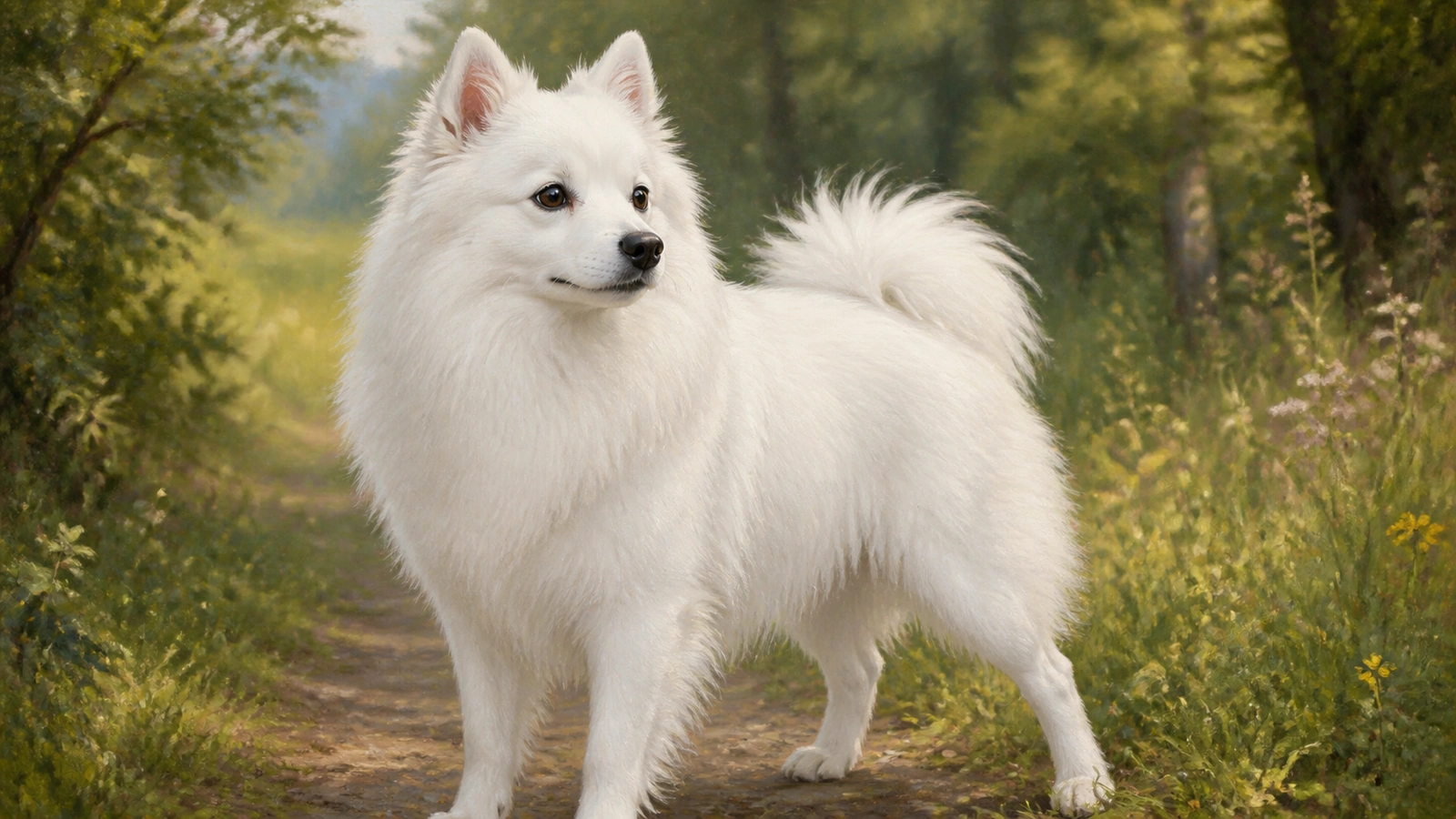
Japanese Spitz - MAIN HUB
BREED GROUP
Companion Dogs
Country of origin
Japan
BREED SIZE
Small
BREED HEIGHT
12 -
15 IN
30 -
38 cm
BREED WEIGHT
10 -
25 LB
5 -
11 KG
WHAT YOU NEED TO KNOW
american kennel club (AKC) recognition
No
Breed was recognized in 0.

International Canine Federation (FCI) recognition
Yes
Breed was recognized in 1964.
WHAT DO OWNERS WANT TO KNOW?
Are Japanese Spitzes good family dogs?
Exceptional
10 out of 10
The Japanese Spitz is an excellent family dog due to its loyal, affectionate, and cheerful nature. These intelligent companions are generally good with children and other animals, making them a harmonious addition to most households.
Are Japanese Spitzes good with kids?
Excellent
10 out of 10
Japanese Spitz are cheerful and patient companions that generally get along well with children of all ages. Their small size and playful spirit make them approachable playmates, though supervision is recommended around younger kids to ensure interactions remain gentle. They are loyal family dogs that thrive on being included in household activities.


Are Japanese Spitzes good dogs for first time owners?
Exceptional
10 out of 10
The Japanese Spitz is generally a good choice for first-time owners due to its high intelligence, eagerness to please, and highly trainable nature. While they are adaptable and affectionate companions, novice owners should be prepared for a steep learning curve regarding their consistent grooming needs and their requirement for constant human interaction to prevent separation anxiety.
Are Japanese Spitzes good apartment dogs?
Very Good
7 out of 10
Japanese Spitzes are excellent apartment dogs due to their small-to-medium size, low-maintenance nature, and high adaptability. While they are energetic and require daily exercise, their needs can be easily met with short walks and indoor play. Their loyal, affectionate personality makes them perfect companions for urban dwellers, though consistent training is needed to manage their tendency to bark.
Do Japanese Spitzes need a yard?
Rarely Needed
9 out of 10
A yard is not strictly required for a Japanese Spitz, as they are highly adaptable and well-suited for apartment living. While a securely fenced garden is beneficial for bursts of play and "zoomies," their moderate exercise needs can be fully met through daily brisk walks and indoor interactive games. Their small size and preference for human companionship make them content in various home environments provided they receive regular mental and physical stimulation.
Can Japanese Spitzes be left at home alone?
Not Recommended
1 out of 10
Japanese Spitz are highly social "velcro dogs" that thrive on human companionship and are prone to developing separation anxiety if left alone for long periods. While they can typically tolerate moderate periods of solitude if well-exercised and provided with mental stimulation, they are happiest in households where they can remain close to their owners throughout the day. Without sufficient attention, they may resort to excessive barking or destructive behaviors to attract notice.
Do Japanese Spitzes tolerate cats well?
Fair
4 out of 10
Japanese Spitzes generally get along well with cats, especially when socialized from a young age. Their friendly and outgoing nature makes them harmonious additions to multi-pet households. However, due to their active and playful spirit, initial introductions should be supervised to ensure a positive relationship with feline companions.
Are Japanese Spitzes known to be aggressive?
Moderate
6 out of 10
Japanese Spitzes are not naturally aggressive; they are typically friendly, playful, and loyal companions. While they are alert watchdogs that will bark to alert their owners of strangers or unusual activity, this behavior is a protective instinct rather than a sign of aggression. With early socialization and consistent positive reinforcement training, they remain gentle and well-behaved family pets.
Do Japanese Spitzes have a lot of energy?
Moderate
5 out of 10
Japanese Spitzes have moderate energy levels and are known for their playful and mischievous nature. They are energetic and enjoy engaging in activities with their families, such as short daily walks and interactive play sessions, but they are not excessively hyperactive and remain calm indoors once their exercise needs are met.
How much exercise do Japanese Spitzes need?
~60 min a day
5 out of 10
Japanese Spitzes have moderate exercise needs, typically requiring 30 to 60 minutes of daily activity. This can be achieved through a combination of brisk neighborhood walks, interactive indoor play, and games like fetch. While they are agile enough for dog sports, their adaptability means they are equally content with mental stimulation through puzzle toys and training sessions to keep their sharp minds engaged.
Do Japanese Spitzes tolerate hot weather well?
Fair
4 out of 10
Japanese Spitz dogs can tolerate hot weather fairly well because their thick double coats provide insulation against the heat, a practical adaptation for various climates. However, they are still at risk for overheating and should be provided with constant access to fresh water, ample shade, and air conditioning during extreme temperatures. Owners should limit strenuous activity to the cooler morning or evening hours to ensure their pet's safety and comfort.
Are Japanese Spitzes good with cold weather?
Fair
4 out of 10
Japanese Spitz dogs can tolerate hot weather fairly well because their thick double coats provide insulation against the heat, a practical adaptation for various climates. However, they are still at risk for overheating and should be provided with constant access to fresh water, ample shade, and air conditioning during extreme temperatures. Owners should limit strenuous activity to the cooler morning or evening hours to ensure their pet's safety and comfort.
Are Japanese Spitzes sometimes banned from rentals?
Low Risk
7 out of 10
Japanese Spitz are rarely subject to breed-specific bans, as they are small, non-aggressive companions. Their compact size and adaptable nature make them excellent candidates for apartment living. However, because they are exceptionally vocal, potential owners should check individual landlord policies regarding noise or general weight limits and prioritize training to manage their alert barking.
WHAT DO OWNERS WANT TO KNOW?