Skip to content

Australian Terrier - MAIN HUB

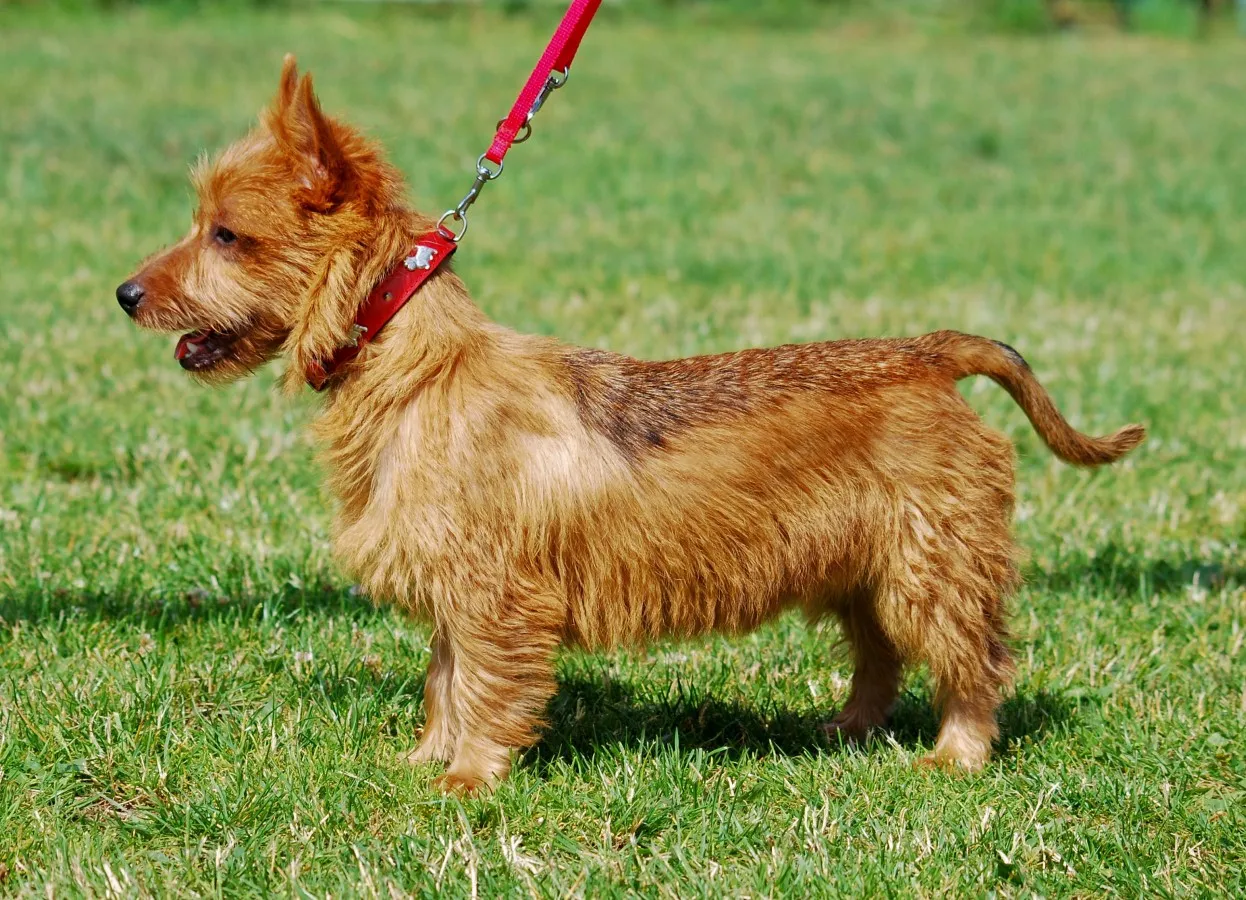
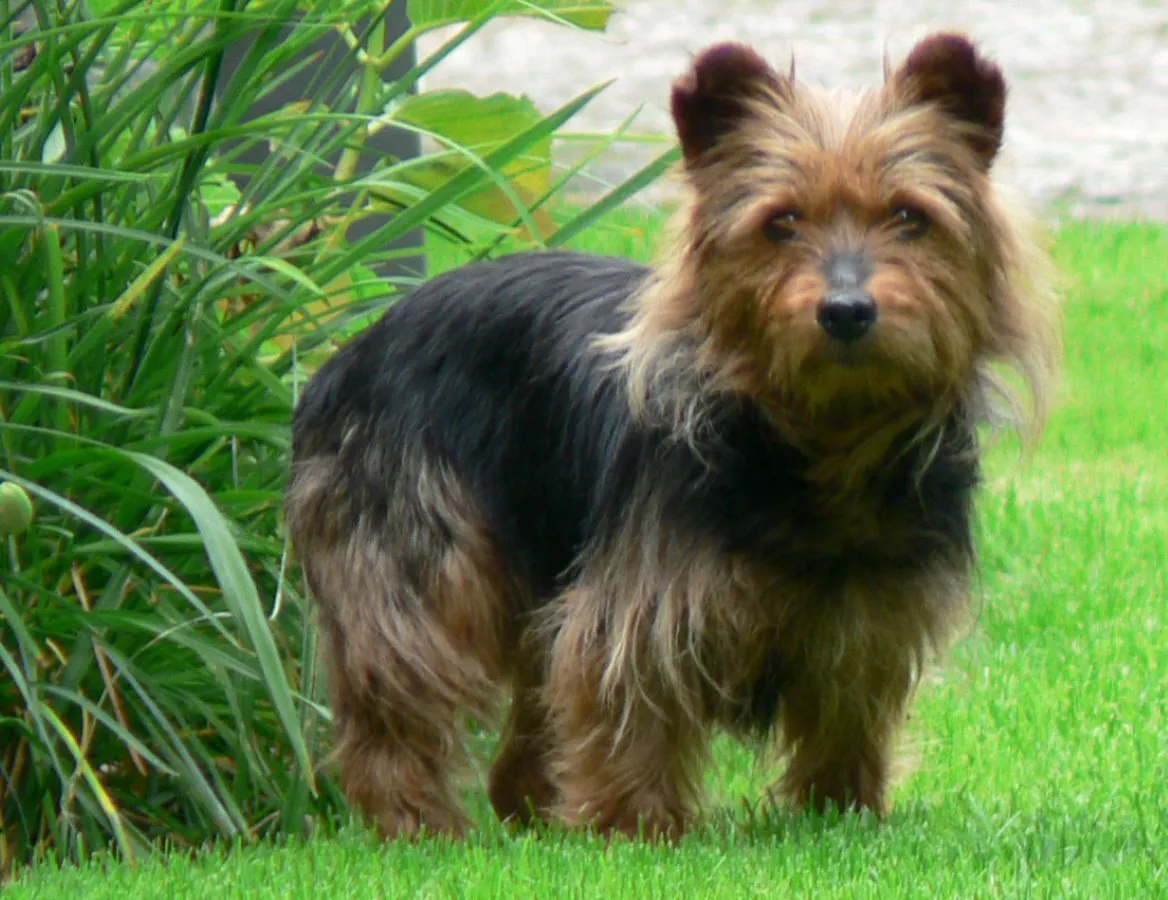
Small but mighty, this spirited Aussie ratter is a loyal, low-shedding companion who brings courage and heaps of personality to any active home.

BREED GROUP

Terrier Dogs

Country of origin

Australia

BREED SIZE

Small

BREED HEIGHT

10 -

11 IN

25 -

28 cm

BREED WEIGHT

15 -

20 LB

7 -

9 KG

WHAT YOU NEED TO KNOW

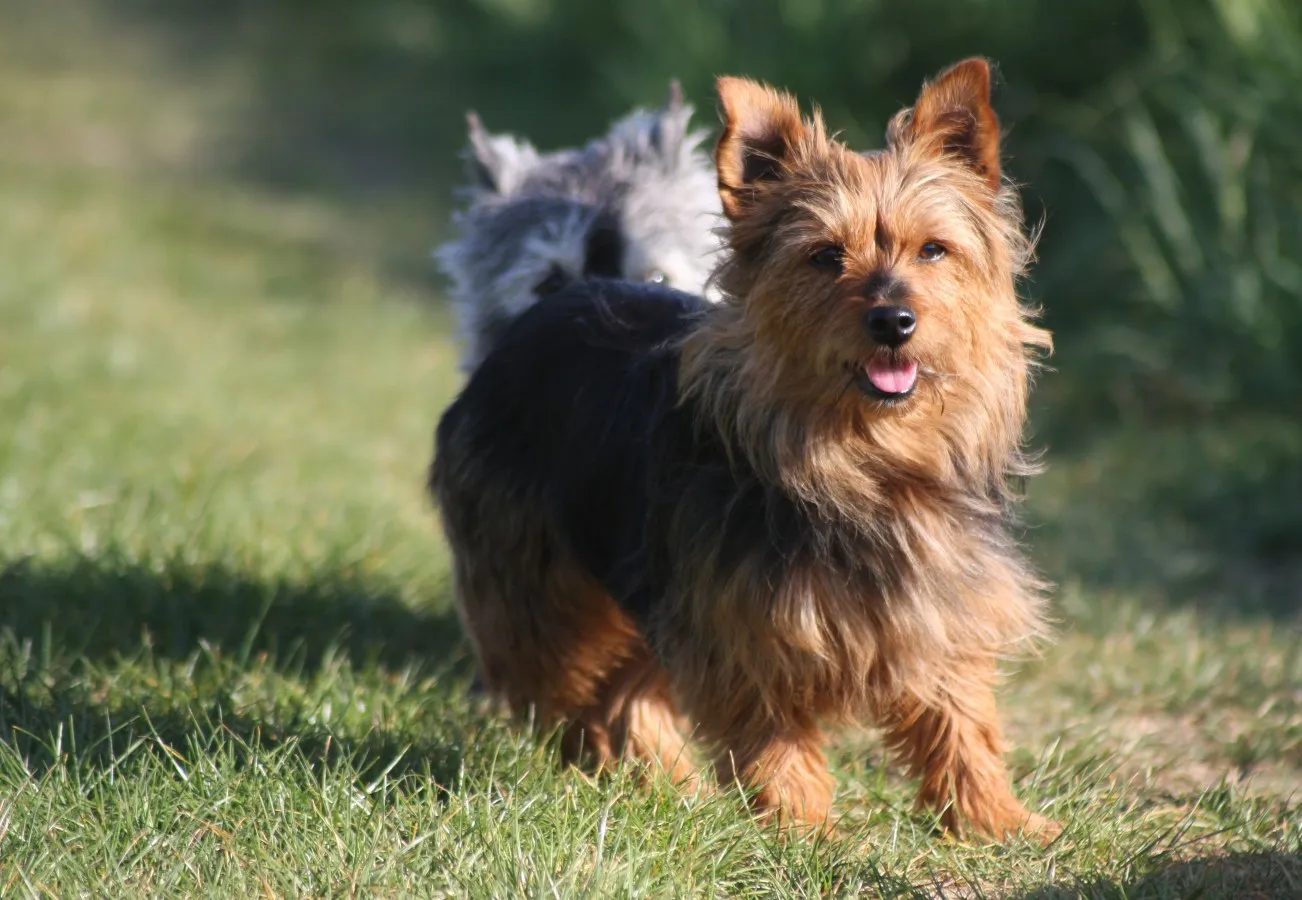
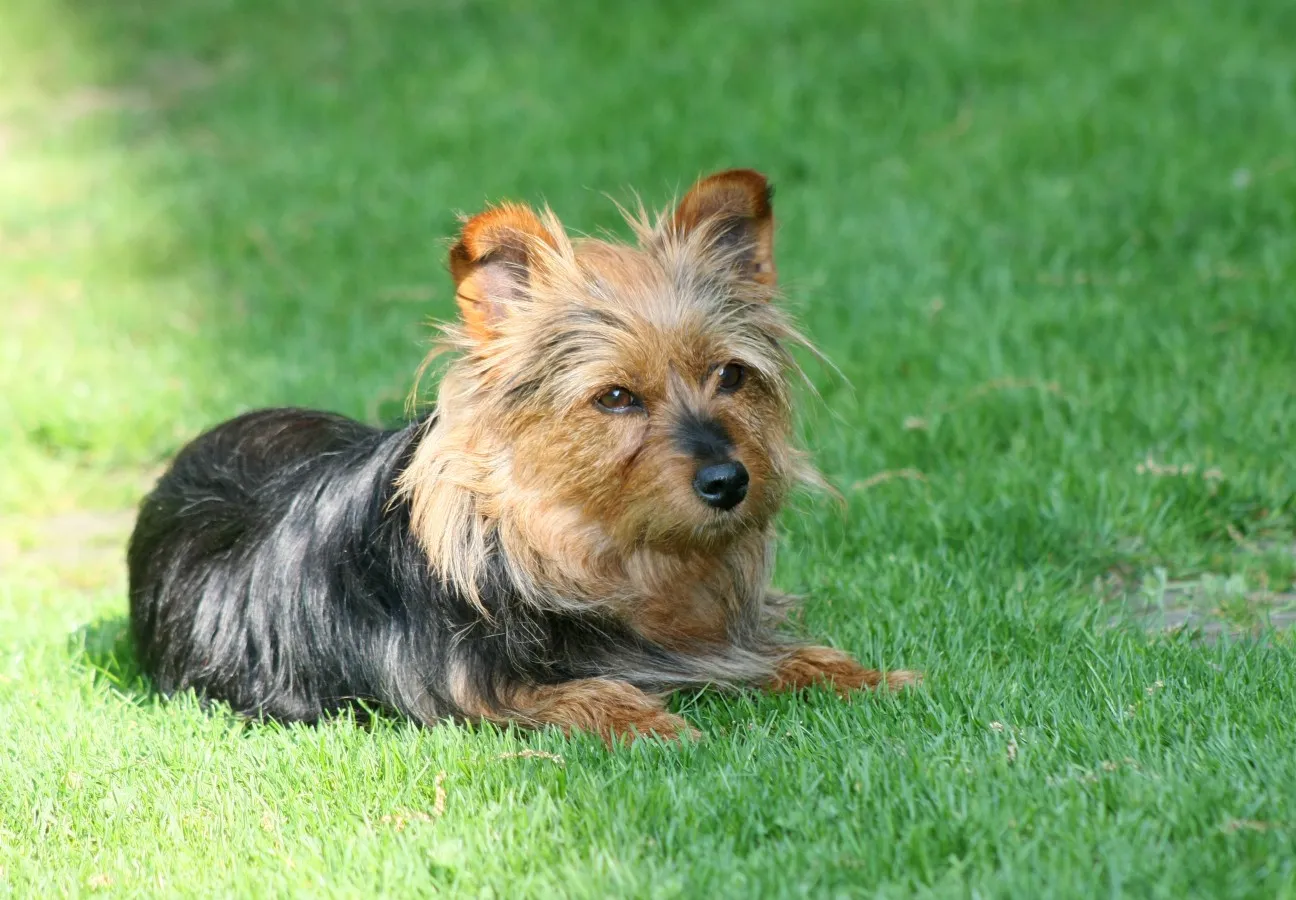
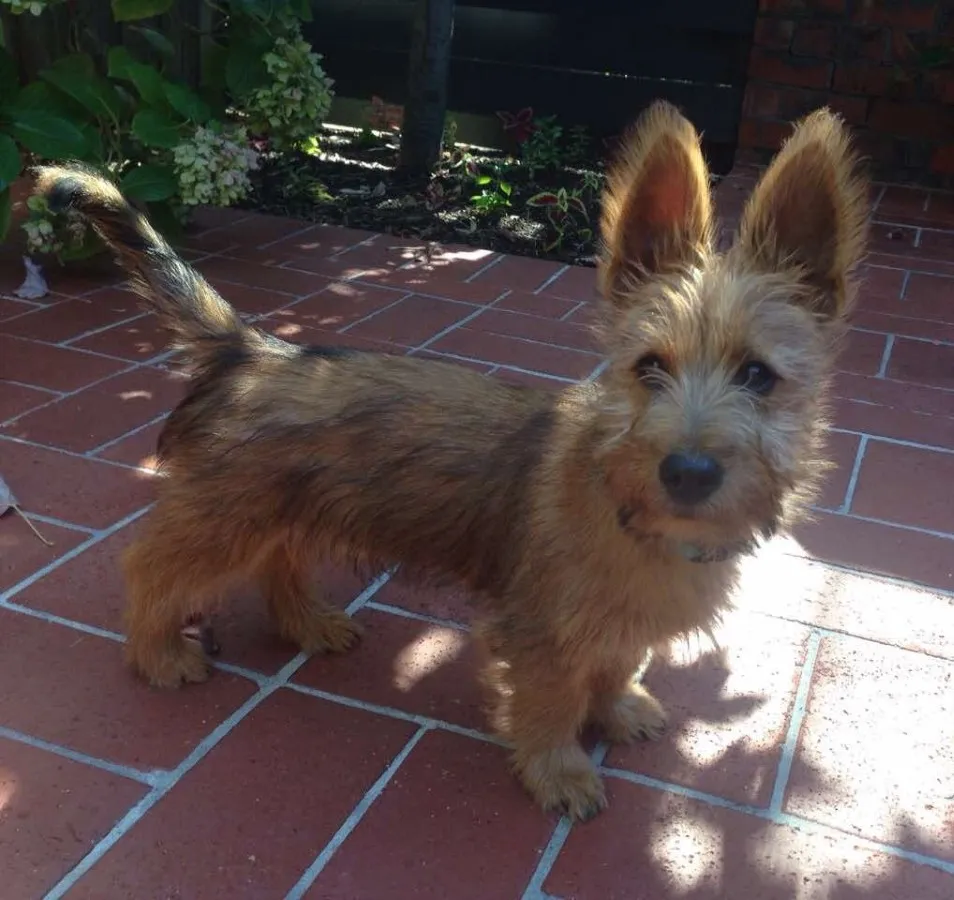
The Australian Terrier is a small, sturdy, and spirited terrier originating from Australia. Bred to control rodents and snakes, they are courageous and alert. With a lifespan of 11-15 years, they make lively and affectionate companions. They have a harsh double coat that requires regular grooming. Australian Terriers are highly intelligent and eager to please, making them trainable but they still possess a typical terrier stubborn streak. They are energetic and require daily exercise to stay happy and healthy.
american kennel club (AKC) recognition

Yes

Breed was recognized in 1960.

International Canine Federation (FCI) recognition

Yes

Breed was recognized in 1954.
WHAT DO OWNERS WANT TO KNOW?

Are Australian Terriers good family dogs?

Great

9 out of 10

The Australian Terrier is a good family dog, described as a lively and affectionate companion that is highly intelligent and eager to please. While their sturdy nature makes them suitable for active households, they do possess a stubborn streak and require daily exercise to remain happy and healthy.

Great

9 out of 10

They are generally excellent with children, being playful and sturdy despite their small size. They are less snappy than some other terrier breeds. However, as with any dog, interactions with young children should be supervised to ensure play remains gentle and safe.

Great

8 out of 10

They are a good choice for first-time owners. Australian Terriers are intelligent and generally eager to please, making them more trainable than many other terriers. However, they still require consistent, positive reinforcement training to manage their independent streak and prevent excessive barking.

Great

8 out of 10

Australian Terriers are excellent apartment dogs due to their small size. They are active indoors but their exercise needs can be met with daily walks and play sessions. However, they are alert watchdogs and can be prone to barking, which requires early training to manage in close quarters.

Highly Recommended

8 out of 10

A yard is not strictly required for an Australian Terrier, as they are adaptable and their exercise needs can be met with daily walks and play. However, a securely fenced yard is highly recommended to accommodate their high energy, digging instincts, and strong prey drive. Owners must ensure the fence is secure, as these dogs are known to dig or climb to escape.

Poor

2 out of 10

They can tolerate being left alone for moderate periods, but they are social dogs that prefer the company of their families. Prolonged isolation can lead to boredom, separation anxiety, and destructive behaviors like excessive barking or digging.

Poor

2 out of 10

Australian Terriers have a strong prey drive, having been bred to hunt small vermin. While they can learn to live with indoor cats if socialized from puppyhood, they may still be tempted to chase them. Careful introductions and supervision are necessary.

Protective

3 out of 10

They are not inherently aggressive, but they are alert and make excellent watchdogs, readily barking to announce visitors. Early socialization is important to ensure their alertness doesn't develop into excessive wariness or fearfulness around strangers.

Medium

8 out of 10

Yes, they are energetic and active dogs. Despite their small size, they possess a lot of stamina and require regular daily exercise to keep them physically fit and mentally stimulated, preventing boredom-induced behavioral issues.

~75 min a day

7 out of 10

Australian Terriers need about 75 minutes of daily exercise. Despite their small size, they're spirited and energetic, and a couple of brisk walks plus active play keeps boredom-driven barking and digging in check.

Very Good

7 out of 10

Australian Terriers generally tolerate hot weather well, as they are adapted to the harsh Australian climate and possess a protective, weather-resistant coat. Despite their resilience, they remain susceptible to heatstroke in extreme temperatures and must have constant access to fresh water and shade. Owners should avoid strenuous exercise during peak heat and provide a cool indoor space to ensure their safety.

Very Good

7 out of 10

Australian Terriers generally tolerate hot weather well, as they are adapted to the harsh Australian climate and possess a protective, weather-resistant coat. Despite their resilience, they remain susceptible to heatstroke in extreme temperatures and must have constant access to fresh water and shade. Owners should avoid strenuous exercise during peak heat and provide a cool indoor space to ensure their safety.

Rarely Banned

2 out of 10

Australian Terriers are rarely subject to breed bans. Their small size makes them widely accepted in most apartments and rental properties. However, their tendency to bark might be an issue in buildings with strict noise policies.

WHAT DO OWNERS WANT TO KNOW?


Photo
Reviewed by
Dr. Vojtech Gabriel
DVM · PhD · MBA
Veterinarian Researcher Dog breed specialist
Verified

"Australian Terriers are a hardy breed, but as a veterinarian, I focus on monitoring for diabetes mellitus, which affects 10-13% of the breed. They are also prone to musculoskeletal issues like patellar luxation and Legg-Calve-Perthes disease, making weight management essential to protect their joints. Owners should stay vigilant for signs of eye conditions, such as cataracts and progressive retinal atrophy, and manage potential skin allergies through proper grooming and diet. Regular veterinary screenings and dental care are vital to ensuring these spirited companions reach their full 11-15 year lifespan."

Other Terrier Dogs