Skip to content

West Siberian Laika - MAIN HUB

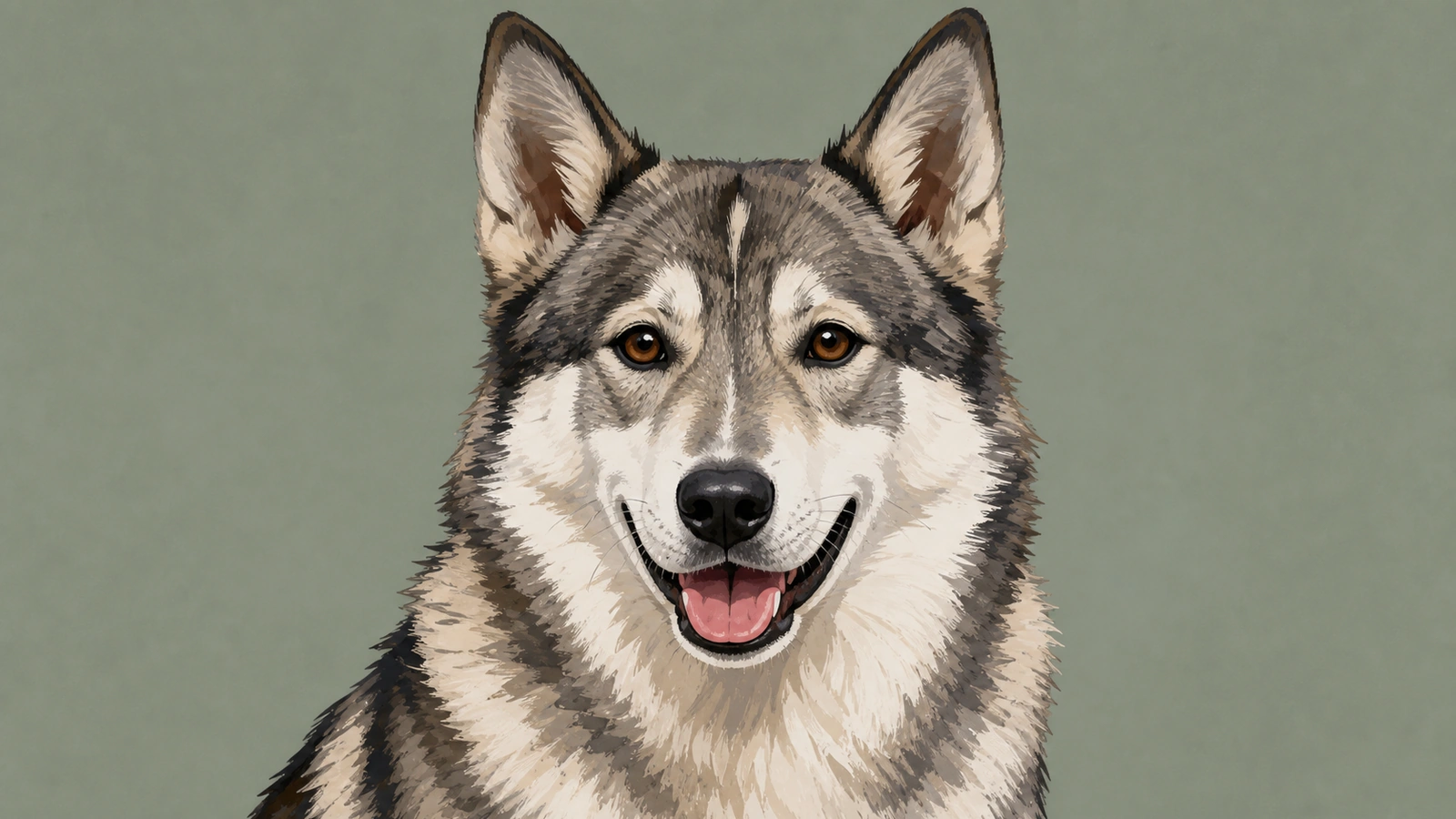
A wolf-like, loyal hunter from Russia, this high-energy companion thrives on adventure, deep family bonds, and plenty of daily outdoor exercise.

BREED GROUP

Spitz Dogs

Country of origin

Russia

BREED SIZE

Large

BREED HEIGHT

21 -

24 IN

53 -

61 cm

BREED WEIGHT

62 -

66 LB

28 -

30 KG

WHAT YOU NEED TO KNOW

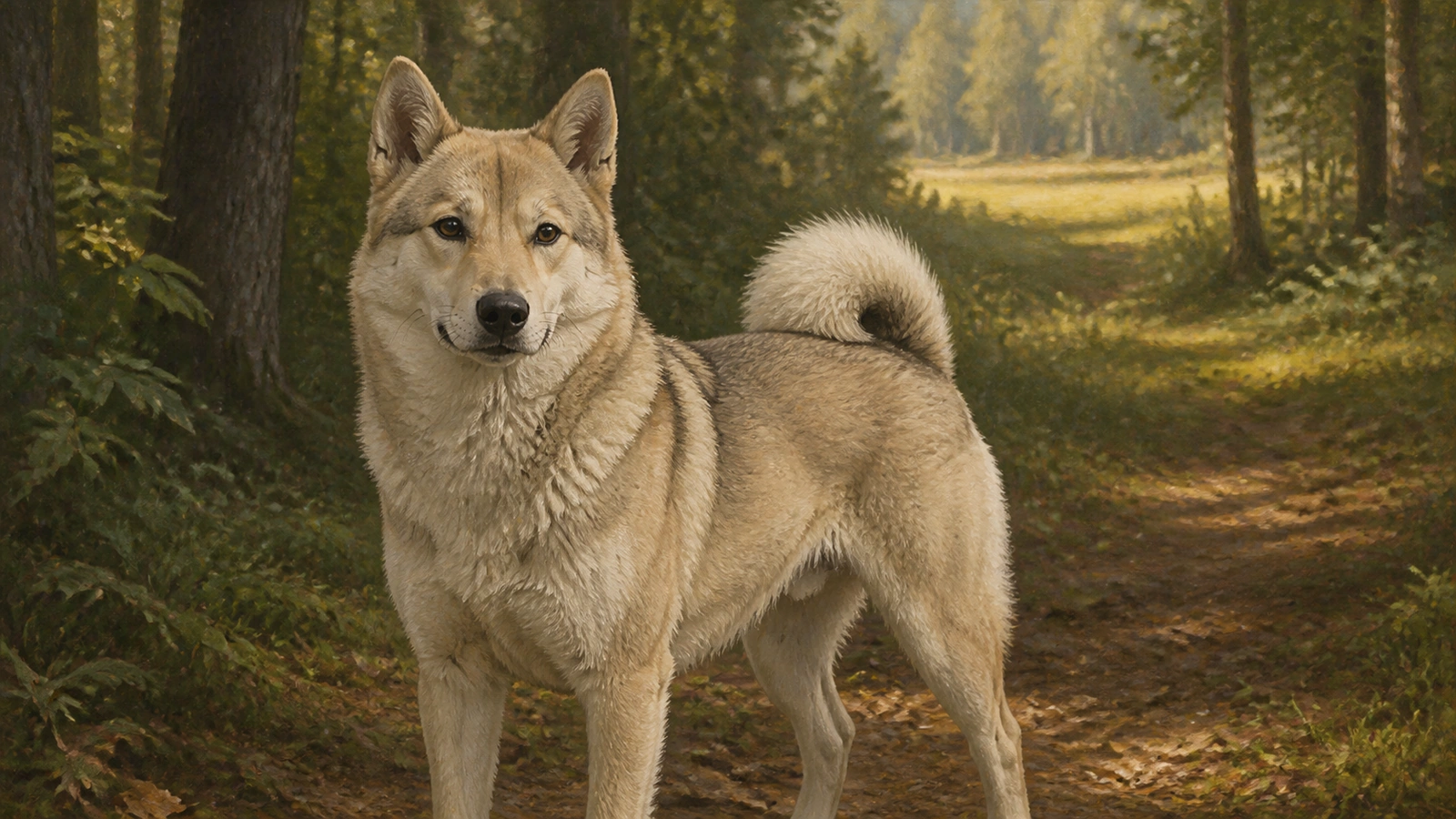
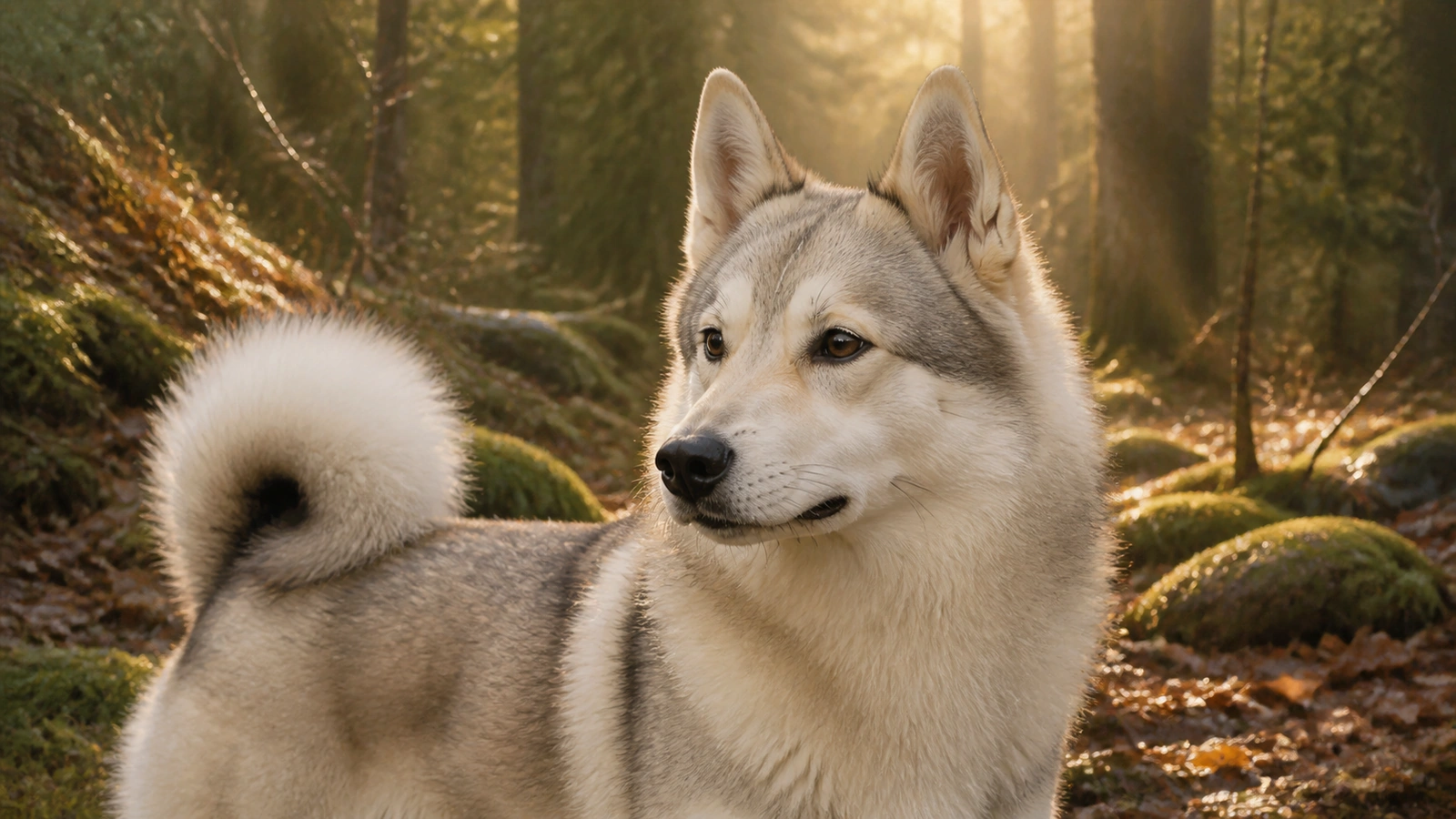
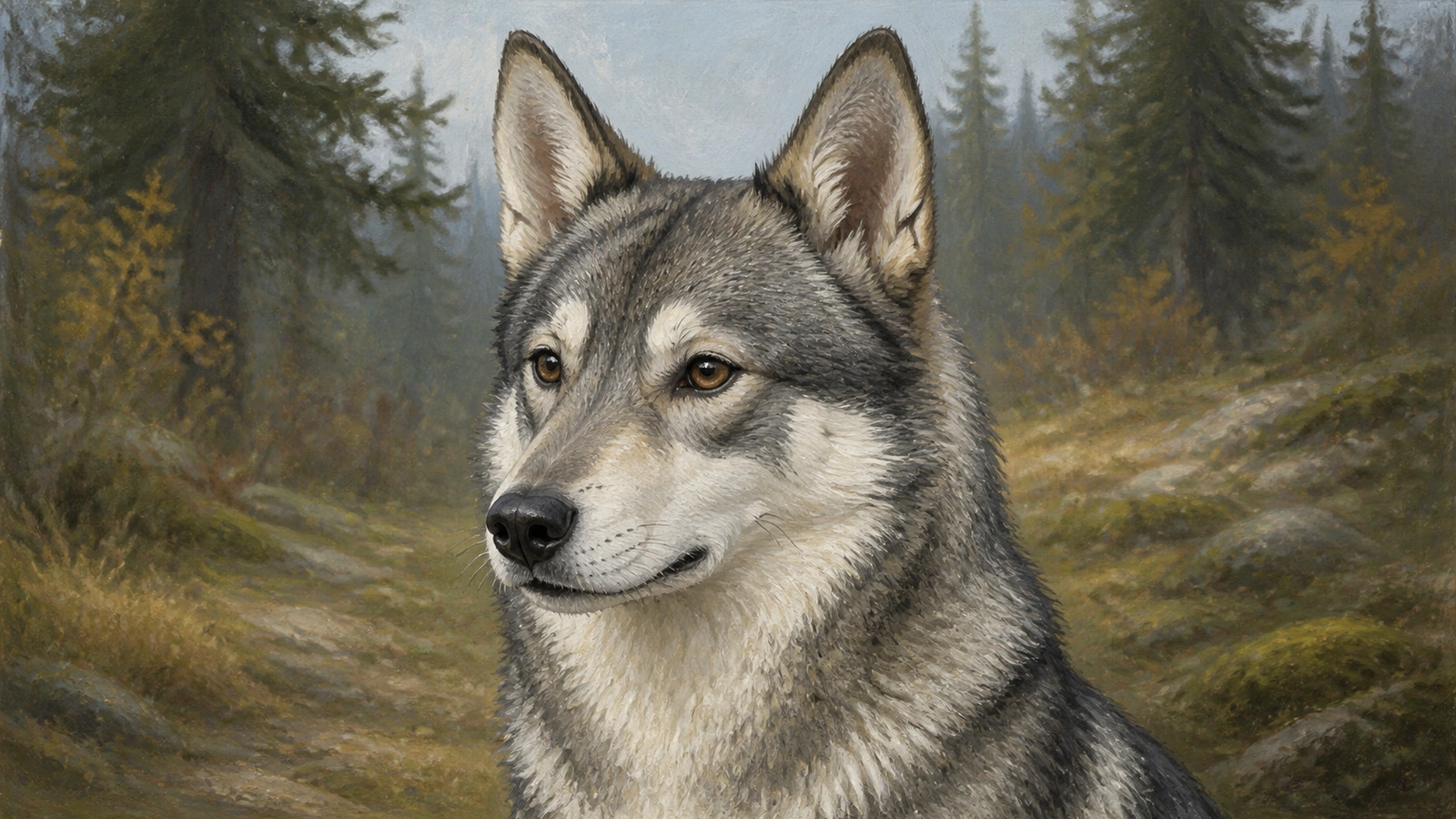
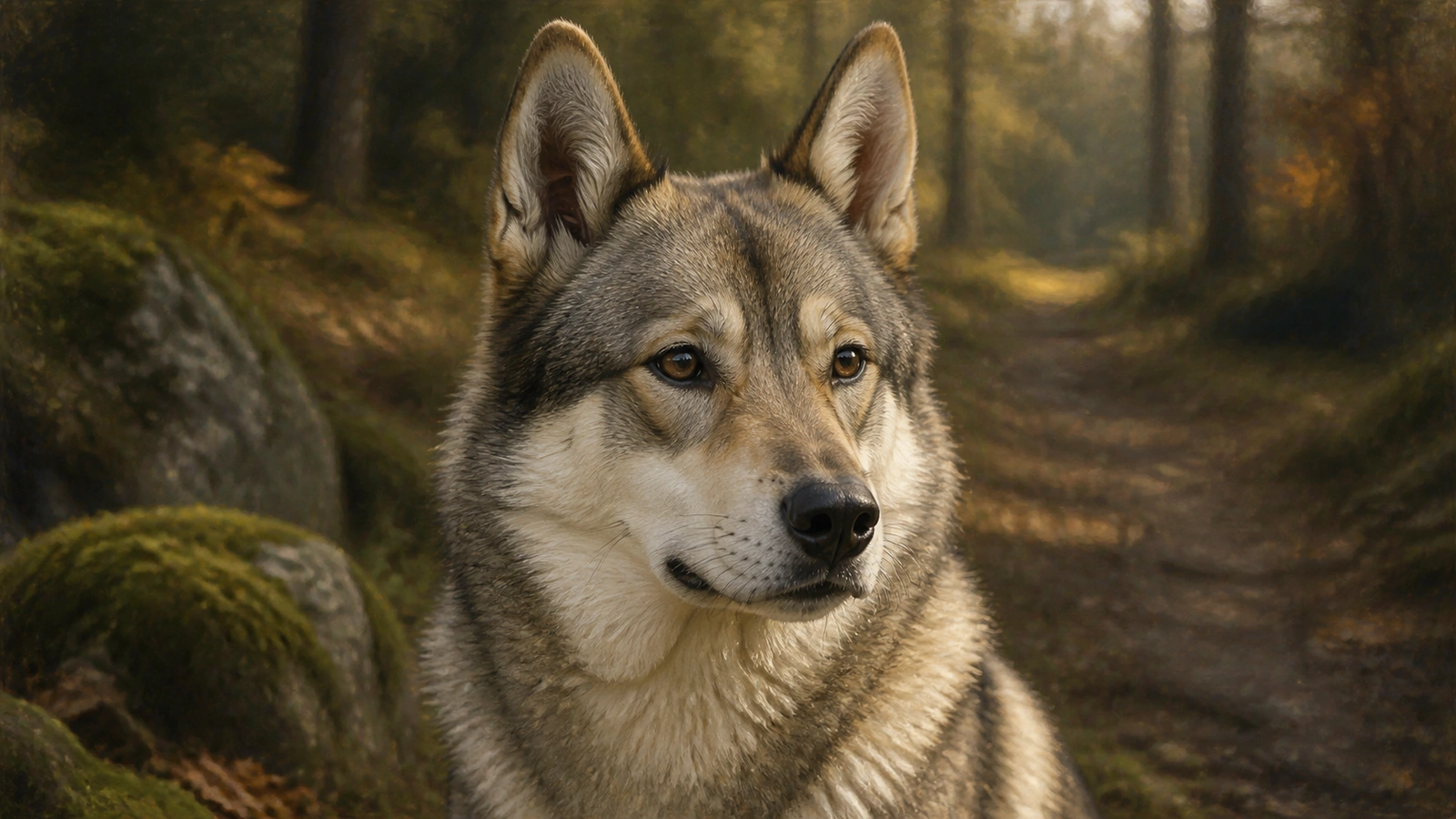
The West Siberian Laika is a versatile, wolf-like hunting breed from Russia, known for its loyalty and endurance. These medium-to-large dogs possess a dense, weather-resistant double coat and a distinct curled tail. Highly intelligent and affectionate, they form strong family bonds and are generally friendly toward strangers. However, their primal hunting instincts and high energy levels require significant daily exercise and mental stimulation. They are not suited for small apartments or long periods of isolation, as boredom can lead to excessive barking or destructive behavior.
american kennel club (AKC) recognition

No

Breed was recognized in 0.

International Canine Federation (FCI) recognition

Yes

Breed was recognized in 1980.
WHAT DO OWNERS WANT TO KNOW?

Are West Siberian Laikas good family dogs?

Average

5 out of 10

The West Siberian Laika can be a good family dog for active households due to its loyalty and affectionate nature. While they form strong bonds with family members and are generally friendly toward strangers, they require significant daily exercise and mental stimulation to prevent destructive behaviors.

Average

5 out of 10

West Siberian Laikas are generally good with children due to their loyal, affectionate, and social nature. They form strong family bonds and are typically patient and gentle playmates. However, because of their high energy and primal hunting instincts, early socialization and supervised interactions are recommended to ensure they remain well-behaved around younger family members.

Average

5 out of 10

West Siberian Laikas are generally not recommended for first-time owners because their high energy, strong hunting instincts, and independent nature require experienced handling. While they are loyal and intelligent, their need for significant daily exercise and mental stimulation can be overwhelming for novices. Success with this breed requires a dedicated commitment to consistent training and an active lifestyle to prevent boredom and destructive behaviors.

Poor

2 out of 10

West Siberian Laikas are poorly suited for apartment life due to their high energy levels and strong hunting instincts. They are active, independent dogs that require significant daily exercise and mental stimulation to prevent destructive behaviors and excessive barking. While they can adapt to various living situations with extremely dedicated owners, they thrive best in homes with ample outdoor space to roam.

Low

7 out of 10

A fenced yard is highly recommended for West Siberian Laikas as they are a highly active hunting breed with a restless spirit and boundless energy. While they can adapt to various living conditions with dedicated owners, access to a secure outdoor space is essential to provide them with the freedom of movement they require and to prevent the development of destructive behaviors or excessive barking caused by boredom.

Not Recommended

1 out of 10

West Siberian Laikas are human-oriented working dogs that are not suited for long periods of solitude. They form tight bonds with their owners and thrive on consistent interaction; if left alone for extended periods without exercise or a task, they can become bored, vocal, and highly destructive. While they are independent hunters, they require a home where they can participate in daily life and remain close to their family.

Average

5 out of 10

West Siberian Laikas generally coexist moderately well with cats, particularly if raised together from a young age. While they form strong family bonds, their primal hunting instincts and high prey drive mean they may be naturally inclined to chase. Early socialization and carefully supervised introductions are essential to manage these instincts and ensure a peaceful relationship with feline housemates.

Calm

3 out of 10

West Siberian Laikas are not inherently aggressive but are naturally alert and possess strong protective instincts. While they are loyal and affectionate with their families, they can be reserved or suspicious toward strangers. Their high prey drive can lead to aggression toward other animals if not properly socialized from a young age. Consistent training and early socialization are essential to ensure they remain well-behaved and manageable companions.

Hyperactive

10 out of 10

West Siberian Laikas are high-energy working dogs with immense endurance, agility, and speed. They require significant daily exercise and mental stimulation to stay well-balanced, as they thrive when given a task to perform. Without an outlet for their boundless energy, such as long walks, hikes, or dog sports, they can become bored and develop destructive behaviors like excessive barking or chewing.

~60-120 min a day

10 out of 10

West Siberian Laikas require significant daily exercise, typically at least 60 minutes of vigorous activity, to satisfy their high endurance and working instincts. They thrive on long walks, hiking, and mentally challenging tasks like dog sports or scent work. Consistent physical engagement and mental stimulation are essential to keep these energetic companions well-balanced and prevent boredom-related destructive behaviors.

Average

5 out of 10

West Siberian Laikas have a moderate tolerance for heat, as their thick double coats provide some insulation but can also lead to overheating in high temperatures. Owners should provide constant access to shade and fresh water, and limit vigorous exercise to the cooler morning or evening hours to prevent heat stress.

Average

5 out of 10

West Siberian Laikas have a moderate tolerance for heat, as their thick double coats provide some insulation but can also lead to overheating in high temperatures. Owners should provide constant access to shade and fresh water, and limit vigorous exercise to the cooler morning or evening hours to prevent heat stress.

Highly Likely

2 out of 10

West Siberian Laikas are highly likely to face apartment breed bans due to their large size, high energy, and primitive hunting instincts. Their wolf-like appearance and tendency for vocal barking often lead property managers to classify them as high-risk or unsuitable for shared housing. Renters should verify specific building policies and local laws, as these dogs typically thrive best in rural settings or homes with private outdoor space.

WHAT DO OWNERS WANT TO KNOW?


Photo
Reviewed by
Dr. Vojtech Gabriel
DVM · PhD · MBA
Veterinarian Researcher Dog breed specialist
Verified

"The West Siberian Laika is a robust and resilient hunting breed, but as a veterinarian, I emphasize monitoring for specific hereditary conditions to ensure their long-term well-being. This breed is predisposed to hip and elbow dysplasia, which can lead to painful arthritis and mobility issues if not managed through proper weight control and orthopedic screenings. They can also be affected by genetic eye conditions such as Progressive Retinal Atrophy (PRA) and cataracts, necessitating regular veterinary ophthalmology exams. Given their thick double coats, they are prone to skin issues and follicular dysplasia if not groomed correctly. Because of their high energy and working nature, owners must be vigilant about preventing injuries during intense physical activity and should maintain a proactive relationship with their veterinarian to monitor joint health as they age."


Other Spitz Dogs