Skip to content

Jagdterrier - MAIN HUB

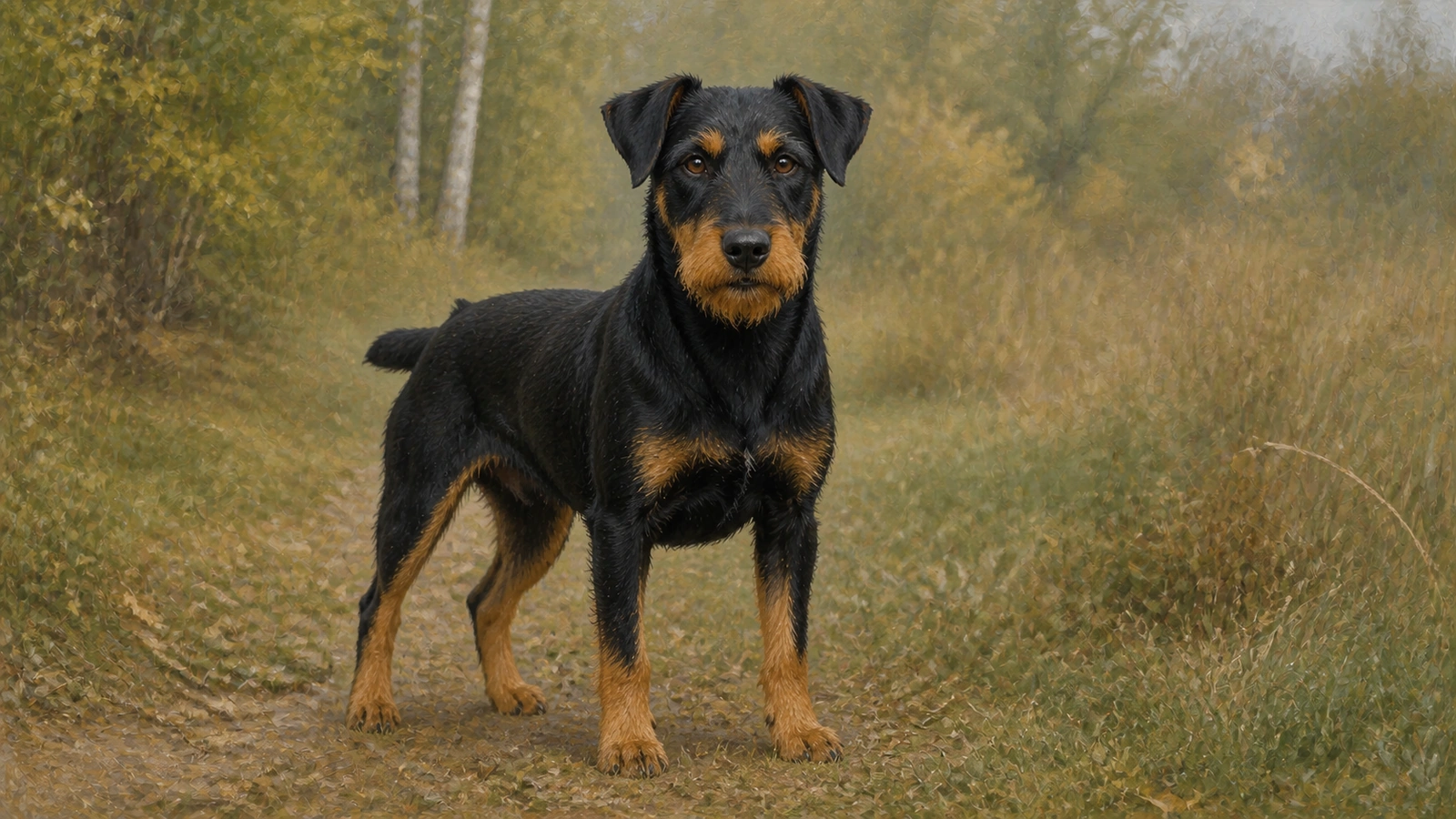
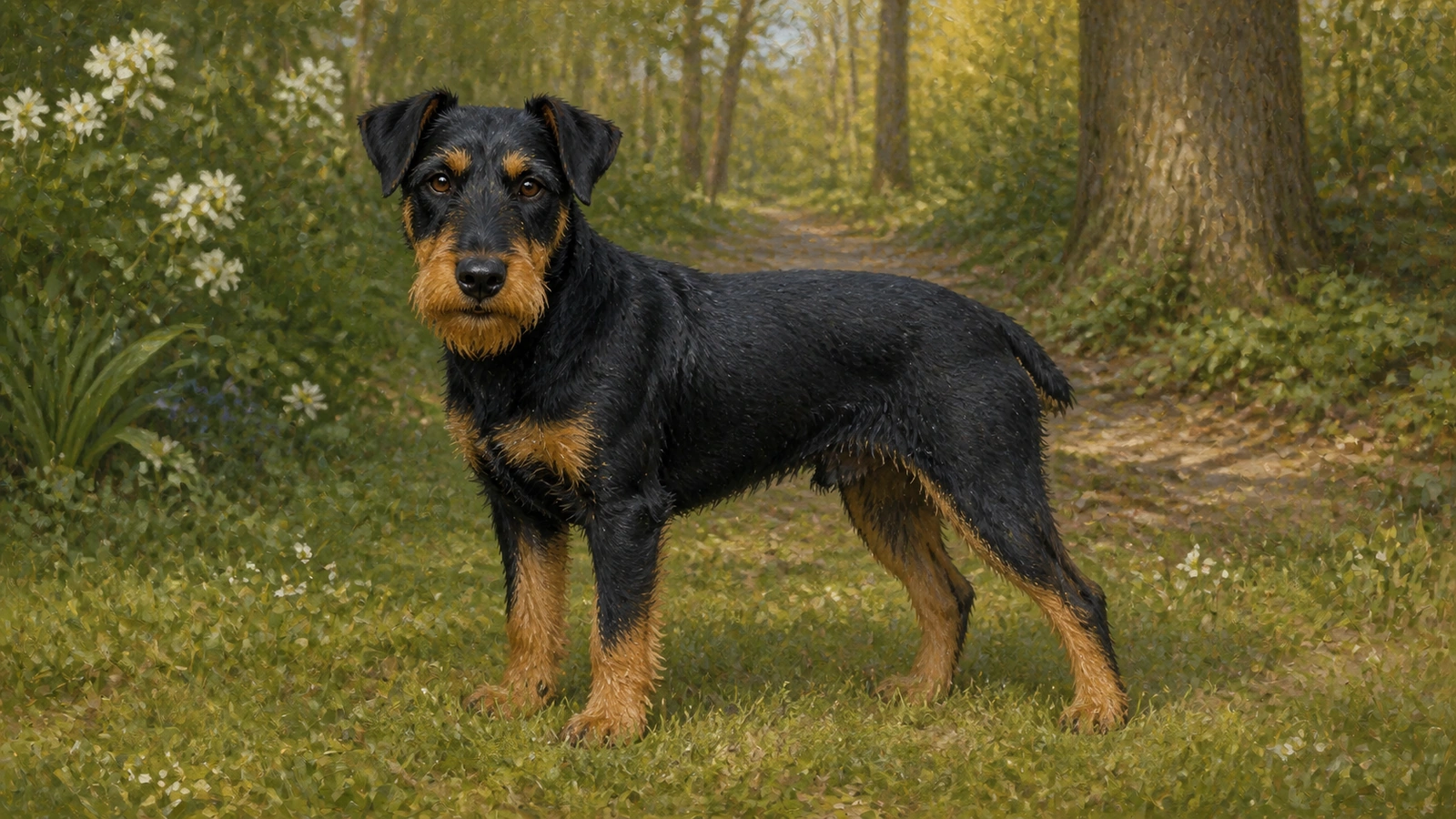
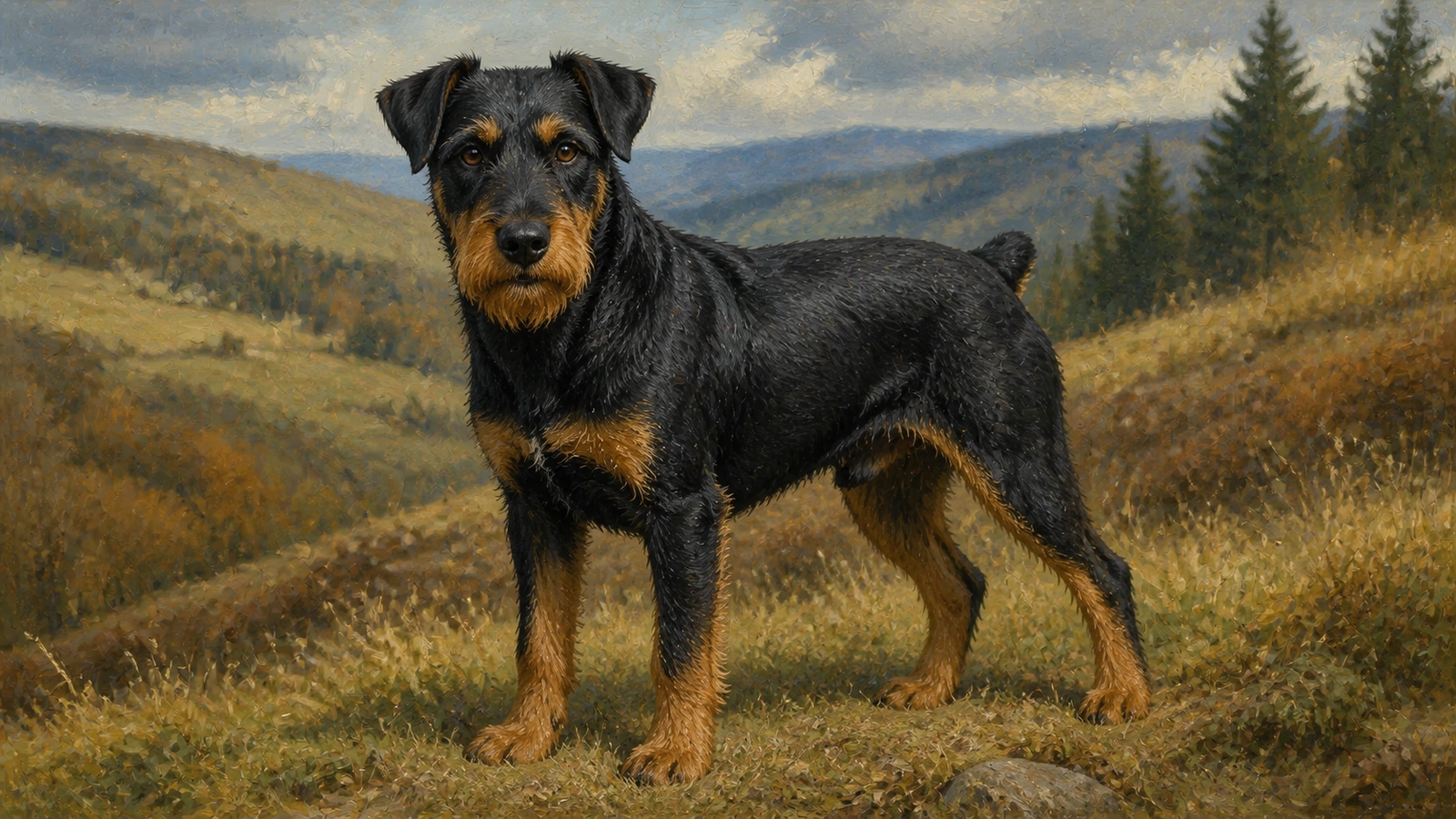
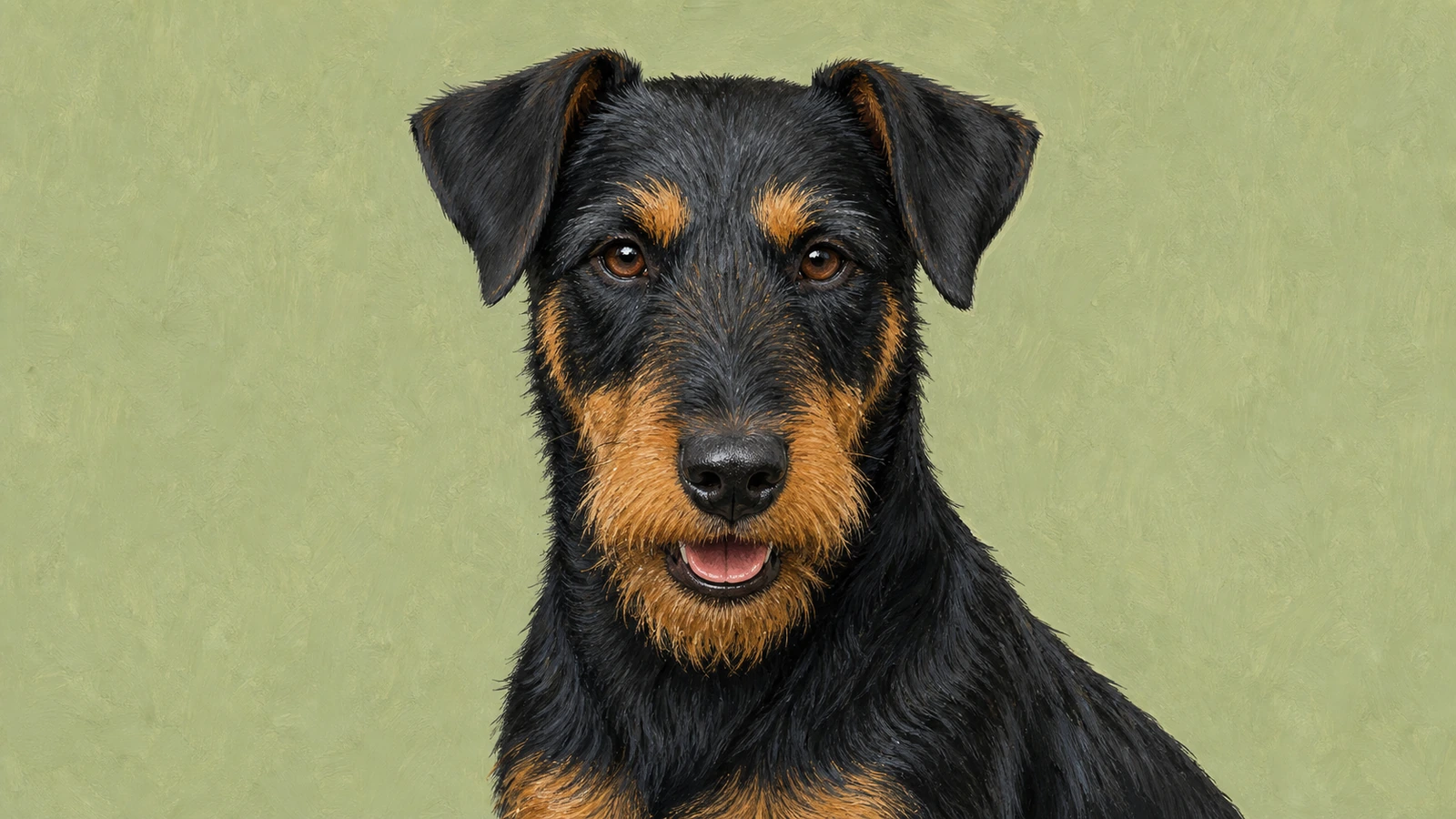
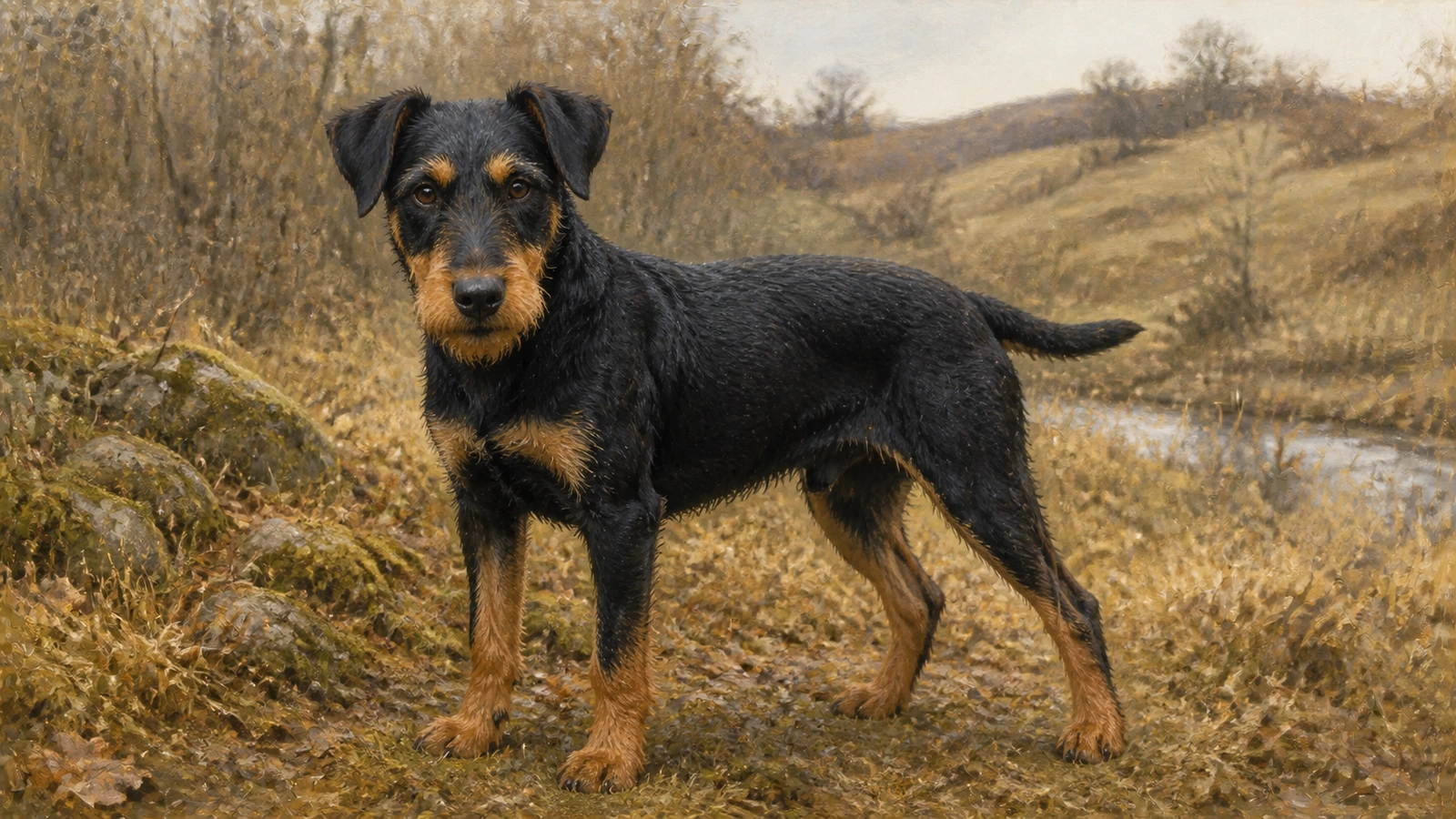
Fearless and fiery, the Jagdterrier is a loyal hunting pro. Best for active experts, this clever companion thrives on outdoor adventures and jobs!

BREED GROUP

Terrier Dogs

Country of origin

Germany

BREED SIZE

Small

BREED HEIGHT

13 -

16 IN

33 -

41 cm

BREED WEIGHT

17 -

22 LB

8 -

10 KG

WHAT YOU NEED TO KNOW

The Jagdterrier is a compact, fearless German hunting breed known for its intense prey drive and versatile skills. These intelligent dogs are deeply loyal to their families but require experienced owners who can provide structure and significant daily exercise. Due to their history as "hunt terriers," they possess high energy levels and a tendency to chase smaller animals. Potential owners should be aware of health concerns like Primary Lens Luxation. While they can adapt to various living situations, they thrive best in active, rural, or suburban environments where they have a job to perform.
american kennel club (AKC) recognition

No

Breed was recognized in 0.

International Canine Federation (FCI) recognition

Yes

Breed was recognized in 1954.
WHAT DO OWNERS WANT TO KNOW?

Are Jagdterriers good family dogs?

Poor

2 out of 10

The Jagdterrier can be a loyal family dog, but its intense prey drive and high energy levels make it best suited for active, experienced owners. While deeply devoted to their families, they require significant daily exercise and structure to thrive and manage their hunting instincts. Consequently, they are often better companions for households that can provide a consistent job or an outdoorsy lifestyle.

Not Recommended

2 out of 10

Jagdterriers are generally not recommended for households with young children due to their intense prey drive and high energy. While they are loyal and affectionate with their families, their fiery nature and history as tenacious hunters mean they require careful supervision and are often better suited for families with older children who can respect their working-dog temperament.

Poor

2 out of 10

Jagdterriers are generally not recommended for first-time owners due to their intense prey drive, independent nature, and extreme energy levels. They require a firm, experienced handler who can provide consistent training, clear boundaries, and significant daily physical and mental stimulation. Success with this breed demands a deep commitment to managing their strong-willed personality and ensuring they have a productive job or outlet for their hunting instincts.

Very Good

7 out of 10

Jagdterriers can be successful apartment dogs due to their compact size, provided owners commit to significant daily exercise and mental stimulation. While they fit well in smaller spaces, their high energy levels and vocal nature require dedicated outlets for activity to ensure they remain well-behaved neighbors in close living quarters.

Rarely Needed

9 out of 10

A yard is rarely needed for a Jagdterrier because their compact size allows them to adapt well to smaller living spaces or apartments. While a secure, fenced yard is highly beneficial for providing a safe outlet for their intense prey drive and high energy, they can thrive without one as long as owners commit to significant daily exercise and vigorous mental stimulation.

Above Average

6 out of 10

Jagdterriers are highly social and loyal to their families, but they can be prone to separation anxiety due to their deep bonds and need for mental engagement. While they may tolerate moderate periods of solitude if well-exercised, they thrive in active households where they have a job to perform and consistent companionship to prevent restlessness or destructive digging.

Poor

2 out of 10

Jagdterriers are generally a poor choice for homes with cats due to their exceptionally high prey drive and natural instinct to chase smaller animals. Their history as tenacious hunting dogs means they are likely to view felines as prey, necessitating constant supervision and rigorous socialization if kept in the same household.

Moderate

6 out of 10

Jagdterriers are generally not aggressive but possess a strong protective instinct and an intense prey drive. While they are loyal and calm with their families, they can be reserved or wary of strangers and are likely to chase smaller animals. With early socialization and firm, consistent training, their protective nature remains manageable and they function as well-behaved companions.

Hyperactive

5 out of 10

Jagdterriers are high-intensity working dogs with immense stamina and a relentless drive to hunt. They require significant daily physical activity and mental challenges, such as tracking or agility, to prevent boredom and destructive behaviors. While they are loyal companions, they are not couch potatoes and thrive best when given a consistent job or an active, outdoor lifestyle.

~60-90 min a day

9 out of 10

Jagdterriers are high-intensity working dogs that require at least 60 to 90 minutes of vigorous daily exercise to remain healthy and well-behaved. They thrive on activities like hiking, running, hunting, and dog sports such as agility or tracking. Without sufficient physical movement and mental stimulation, they can quickly become bored, restless, and destructive.

Excellent

9 out of 10

Jagdterriers possess an excellent tolerance for warm weather and generally handle heat well. However, owners should still monitor them during extreme temperatures, ensuring they have constant access to fresh water and shade. Limiting vigorous hunting or exercise to the cooler morning and evening hours helps prevent overexertion and ensures these active companions stay safe in the sun.

Excellent

9 out of 10

Jagdterriers possess an excellent tolerance for warm weather and generally handle heat well. However, owners should still monitor them during extreme temperatures, ensuring they have constant access to fresh water and shade. Limiting vigorous hunting or exercise to the cooler morning and evening hours helps prevent overexertion and ensures these active companions stay safe in the sun.

Low Risk

7 out of 10

Jagdterriers are rarely subject to specific breed bans but may face restrictions in apartments due to their intense prey drive and high energy levels. While their compact size often falls within weight limits, landlords may have concerns about their vocal nature or potential for chasing other animals in shared spaces. Always verify individual property policies regarding high-energy hunting breeds and insurance requirements.

WHAT DO OWNERS WANT TO KNOW?


Photo
Reviewed by
Dr. Vojtech Gabriel
DVM · PhD · MBA
Veterinarian Researcher Dog breed specialist
Verified

"Jagdterriers are rugged and resilient hunting dogs, but they are genetically predisposed to several serious health conditions. As a veterinarian, I emphasize the critical importance of screening for Primary Lens Luxation (PLL), an inherited eye disorder that is highly prevalent in the breed and can lead to painful glaucoma or blindness if not caught early. They are also prone to hip dysplasia and heart conditions, including arrhythmias and murmurs, making regular cardiac and orthopedic evaluations essential. Owners should also monitor for hypothyroidism and chronic allergies, which can manifest as recurring ear or skin infections. Given their intense drive and physical nature, maintaining a lean weight and investing in comprehensive pet insurance is highly recommended to manage potential lifelong medical needs."
Other Terrier Dogs