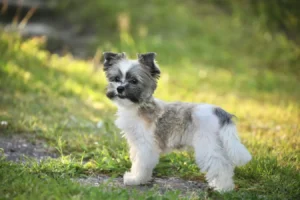
Japanese Terrier - MAIN HUB
BREED GROUP
Terrier Dogs
Country of origin
Japan
BREED SIZE
Small
BREED HEIGHT
11 -
13 IN
28 -
33 cm
BREED WEIGHT
5 -
12 LB
2 -
5 KG
WHAT YOU NEED TO KNOW
american kennel club (AKC) recognition
No
Breed was recognized in 0.

International Canine Federation (FCI) recognition
Yes
Breed was recognized in 1964.

WHAT DO OWNERS WANT TO KNOW?
Are Japanese Terriers good family dogs?
Excellent
3 out of 10
Japanese Terriers are excellent family dogs known for their lively, cheerful, and affectionate temperament. They form deep bonds with their owners and generally get along well with both children and other pets.
Are Japanese Terriers good with kids?
Good
3 out of 10
Japanese Terriers are generally good with children, known for being gentle, loyal, and playful. However, due to their small size and fine bones, they can be easily injured during rough play. They are best suited for families with older, responsible children who have been taught how to interact respectfully and gently with a small dog. Prompt supervision is always recommended to ensure the safety of both the child and the dog.


Are Japanese Terriers good dogs for first time owners?
Below Average
4 out of 10
Japanese Terriers can be challenging for first-time owners due to their independent, "terrier-lite" temperament and their need for intensive early socialization to prevent skittishness or aggression. While they are intelligent and adapt well to apartment living, their stubborn streak and sensitive nature require a patient, consistent owner who can provide confident leadership and positive reinforcement. They are best suited for novices who are committed to thorough training and understanding unique terrier behaviors.
Are Japanese Terriers good apartment dogs?
Great
8 out of 10
Japanese Terriers are great apartment dogs due to their small size, quiet disposition, and clean habits. They are calm and gentle indoors, making them ideal for compact living spaces and urban environments. Their moderate energy levels are easily managed with daily walks, and their affectionate, loyal nature makes them devoted companions for city dwellers.
Do Japanese Terriers need a yard?
Rarely Needed
9 out of 10
A yard is not strictly required for a Japanese Terrier, as they are exceptionally well-suited to apartment living and have moderate exercise needs. While they enjoy having a secure space for play, their physical requirements can be fully met through daily walks and indoor mental stimulation. This small breed primarily thrives on being close to its family, making indoor companionship more important than outdoor space.
Can Japanese Terriers be left at home alone?
Above Average
6 out of 10
Japanese Terriers are social dogs that bond deeply with their families, but they possess a more independent nature than many other terrier breeds, allowing them to tolerate moderate periods of solitude. While they generally handle being alone well, they still require mental stimulation and a consistent routine to prevent boredom. Owners should ensure they receive adequate exercise and interaction when home to maintain their cheerful, well-adjusted temperament.
Do Japanese Terriers tolerate cats well?
Average
5 out of 10
Japanese Terriers generally coexist well with cats, especially when introduced at a young age. Their lively yet gentle nature allows them to form harmonious bonds, although their terrier instincts may occasionally trigger a desire to chase. Providing slow, supervised introductions and ensuring the cat has safe spaces will help maintain a peaceful multi-pet household.
Are Japanese Terriers known to be aggressive?
Moderate
6 out of 10
Japanese Terriers are not inherently aggressive but possess a moderate, alert temperament that includes strong protective instincts. While they are cheerful and affectionate with their families, they are naturally reserved and cautious around strangers. Without intensive early socialization and consistent positive reinforcement training, their independent terrier nature can lead to skittishness or defensive behavior. Proper leadership and gradual exposure to new environments are essential to ensure they remain well-adjusted and calm companions.
Do Japanese Terriers have a lot of energy?
Energetic
7 out of 10
Japanese Terriers are energetic and cheerful companions with moderate exercise needs. Despite their lively terrier nature, they are often described as Terrier-lite, balancing playful bursts of energy with a love for snuggling as a devoted lapdog. They typically require around 45 to 60 minutes of daily physical and mental stimulation to stay happy and prevent boredom-related behaviors.
How much exercise do Japanese Terriers need?
45-60 min a day
3 out of 10
Japanese Terriers require around 45 to 60 minutes of daily physical and mental stimulation to stay happy and prevent boredom-related behaviors. Despite their lively terrier nature, they are often described as Terrier-lite, balancing playful bursts of energy with a love for snuggling as a devoted lapdog. Daily activities should include a mix of brisk walks and interactive indoor play to maintain their health and balanced temperament.
Do Japanese Terriers tolerate hot weather well?
Fair
4 out of 10
Japanese Terriers have a moderate tolerance for heat but require careful monitoring due to their small size and fine build. Their single, short coat offers little insulation, making them prone to overheating if overexerted in direct sunlight. Owners should provide constant access to shade and fresh water, and limit outdoor activities to the cooler morning or evening hours during peak summer.
Are Japanese Terriers good with cold weather?
Fair
4 out of 10
Japanese Terriers have a moderate tolerance for heat but require careful monitoring due to their small size and fine build. Their single, short coat offers little insulation, making them prone to overheating if overexerted in direct sunlight. Owners should provide constant access to shade and fresh water, and limit outdoor activities to the cooler morning or evening hours during peak summer.
Are Japanese Terriers sometimes banned from rentals?
Rarely Banned
8 out of 10
Japanese Terriers are rarely subject to apartment breed bans due to their small size and rare status. Their compact build and cheerful temperament make them ideal for city living, typically falling well within standard rental weight limits. However, because they are a rare breed, it is always advisable to provide your landlord with breed information or a pet resume to ensure they are not mistaken for restricted terrier mixes.
WHAT DO OWNERS WANT TO KNOW?