Skip to content

German Shepherd - MAIN HUB

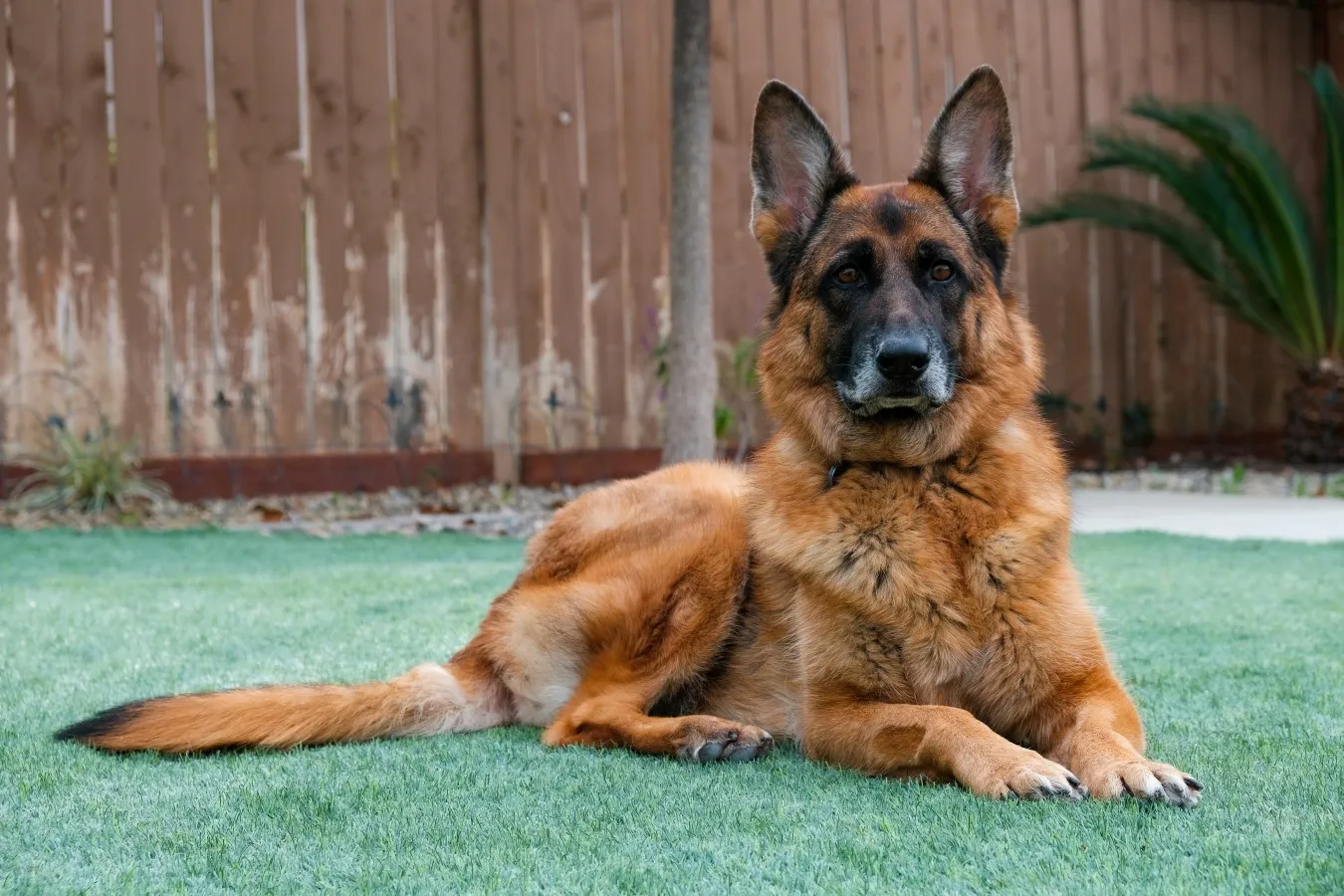
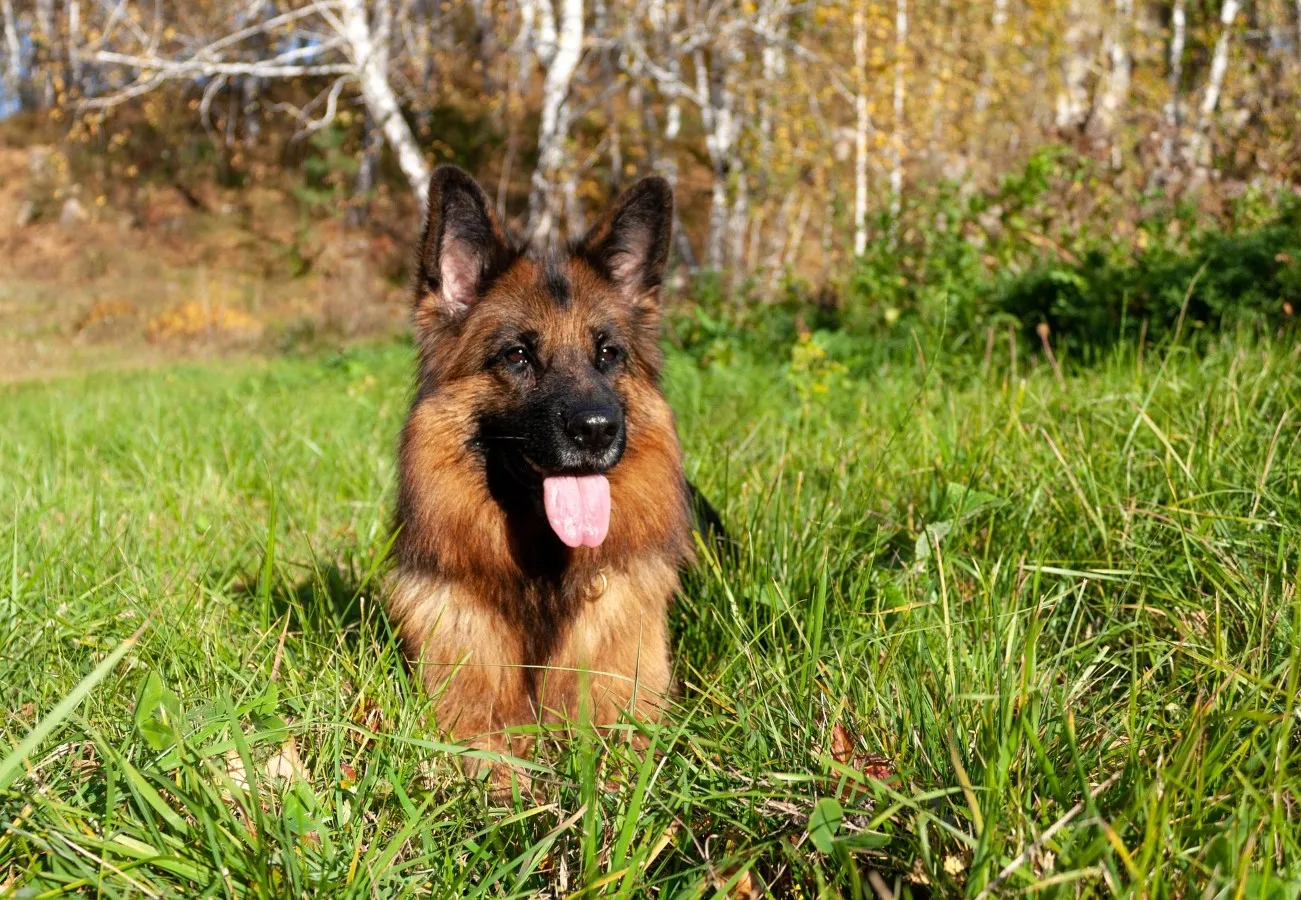
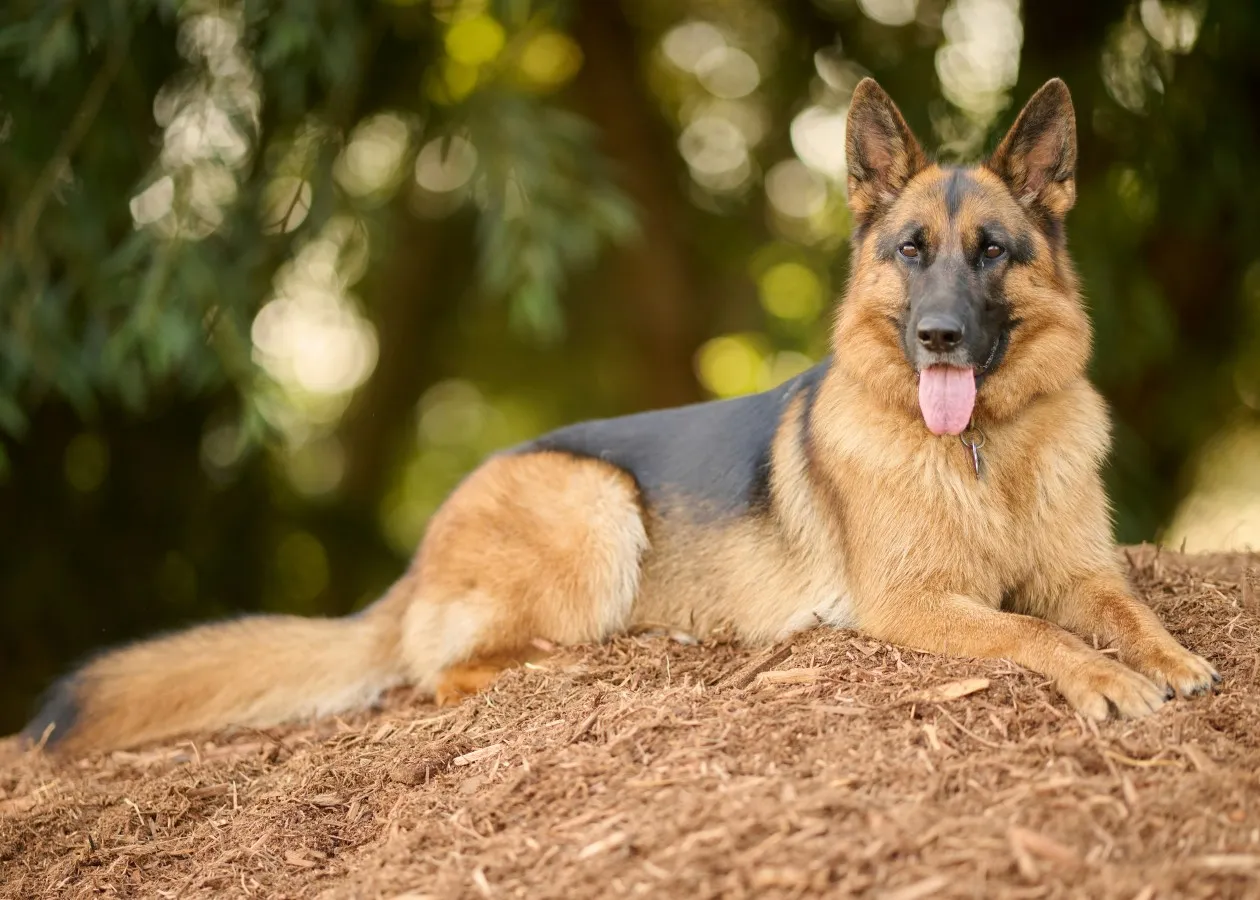
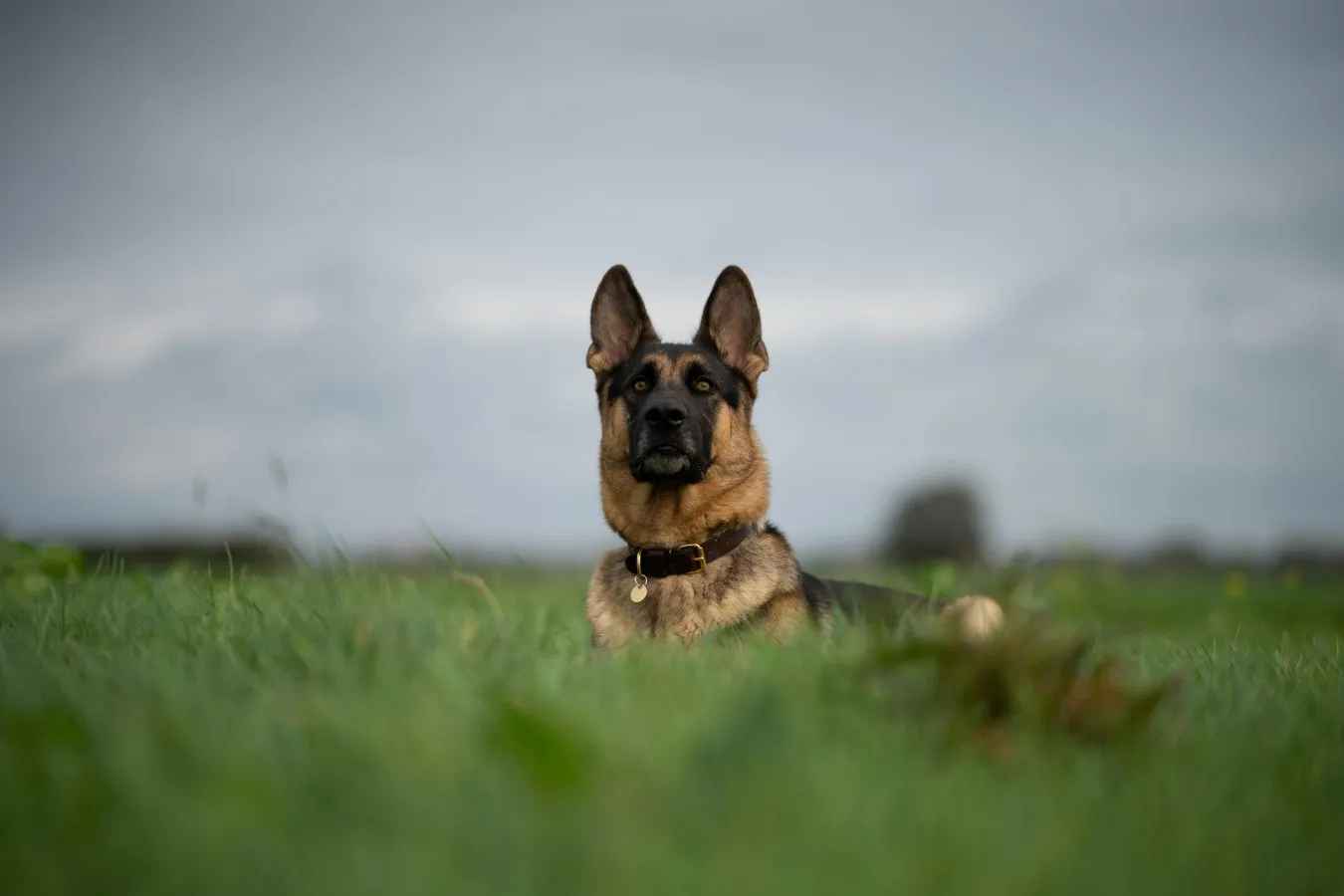
Loyal, intelligent, and versatile, the German Shepherd is a devoted partner that thrives on activity, learning, and protecting its favorite people.

BREED GROUP

Herding Dogs

Country of origin

Germany

BREED SIZE

Large

BREED HEIGHT

22 -

26 IN

56 -

66 cm

BREED WEIGHT

50 -

90 LB

23 -

41 KG

WHAT YOU NEED TO KNOW

The German Shepherd is a premier working breed, renowned for its loyalty, intelligence, and versatility. Originally developed in Germany for herding, these athletic dogs now excel in police, military, and service roles. They require significant commitment from owners, including over two hours of daily exercise and consistent mental stimulation to prevent destructive behaviors. While devoted and gentle with their families, they can be reserved with strangers and possess a strong protective instinct. Prospective owners should prioritize early socialization and be prepared for heavy year-round shedding from their dense double coats. German Shepherds often require experienced handling rather than being "Excellent" for all families without caveat.
american kennel club (AKC) recognition

Yes

Breed was recognized in 1908.

International Canine Federation (FCI) recognition

Yes

Breed was recognized in 1955.
WHAT DO OWNERS WANT TO KNOW?

Are German Shepherds good family dogs?

Excellent

10 out of 10

German Shepherds make excellent family dogs because they are incredibly loyal, gentle, and protective of their loved ones. However, they are best suited for active families who can commit to providing the extensive daily exercise and mental stimulation they need to stay well-behaved.

Excellent

10 out of 10

German Shepherd Dogs are generally excellent with children, known for being patient, protective, and loyal family companions. While their large size requires supervised play with toddlers, their high intelligence and gentle nature make them wonderful playmates. Early socialization and consistent training ensure they remain calm and well-behaved around kids.

Not Recommended

1 out of 10

German Shepherds can be challenging for first-time owners due to their high energy and intense training needs. However, for dedicated novices willing to provide consistent socialization and vigorous daily exercise, their intelligence and loyalty make them rewarding companions. Success requires a significant commitment to mental and physical engagement.

Not Recommended

1 out of 10

German Shepherds can adapt to apartment living if their high physical and mental exercise needs are met. Due to their large size and vocal nature, they require dedicated daily training and long walks. Owners must also check for breed-specific restrictions in lease agreements before bringing one home.

Strictly Required

1 out of 10

German Shepherds thrive with access to a yard where they can run and train safely. While they can adapt to apartment living with 1-2 hours of daily vigorous exercise and mental stimulation, a fenced outdoor space significantly improves their quality of life by accommodating their high energy levels.

Not Recommended

1 out of 10

German Shepherds bond deeply with their families and are prone to separation anxiety if left alone for long periods. They thrive on companionship and mental stimulation. With proper training, early socialization, and significant daily exercise, they can learn to settle quietly and tolerate moderate absences.

Average

4 out of 10

German Shepherd Dogs can coexist peacefully with cats, but their natural herding instinct may trigger a drive to chase. Success depends on early socialization, consistent training, and gradual introductions. Providing cats with high, safe retreats and supervising early interactions is essential to ensure a harmonious and safe multi-pet household. German Shepherds often require experienced handling rather than being "Excellent" for all families without caveat.

Protective

3 out of 10

German Shepherd Dogs are not inherently aggressive but possess strong protective instincts. While they are loyal to family, they can be reserved with strangers. Proper socialization and consistent training from a young age are essential to ensure their natural guarding tendencies remain manageable and do not develop into aggression.

Hyperactive

10 out of 10

German Shepherd Dogs are high-energy working dogs that require substantial daily exercise and mental stimulation. They thrive when given a job to do and need at least one to two hours of active engagement, such as hiking or agility, to prevent boredom and destructive behaviors.

~120+ min a day

10 out of 10

German Shepherd Dogs are a highly active, working breed that typically requires between 60 and 120 minutes of daily exercise. This should include brisk walks, jogging, and intense play like fetch. Incorporating mental challenges such as obedience training or agility is essential to satisfy their high-energy needs.

Fair

4 out of 10

German Shepherds have a moderate heat tolerance, but their thick double coats can trap heat, making them prone to overheating. Owners should provide constant shade, fresh water, and air conditioning. Limit exercise to cooler morning or evening hours and never shave their protective coat, as it also insulates against heat.

Fair

4 out of 10

German Shepherds have a moderate heat tolerance, but their thick double coats can trap heat, making them prone to overheating. Owners should provide constant shade, fresh water, and air conditioning. Limit exercise to cooler morning or evening hours and never shave their protective coat, as it also insulates against heat.

Frequently Restricted

1 out of 10

German Shepherds are frequently subject to apartment breed bans due to their large size and reputation as protective guardians. Insurance policies often label them as high-risk liabilities. Renters should check specific building policies, as these restrictions are common despite the breed's intelligence and popularity.

WHAT DO OWNERS WANT TO KNOW?


Photo
Reviewed by
Dr. Vojtech Gabriel
DVM · PhD · MBA
Veterinarian Researcher Dog breed specialist
Verified

"German Shepherds are noble and intelligent, but potential owners must be proactive regarding their health. As a veterinarian, I strongly recommend screening for hip and elbow dysplasia, as about 20% of the breed is affected. They are also prone to degenerative myelopathy and life-threatening bloat; learning the signs of gastric torsion is essential. Regular exercise is vital to prevent boredom-induced behaviors and obesity. I also advise consistent dental care and ear checks to avoid infections. With proper nutrition, early socialization, and routine veterinary exams, these loyal companions typically live 9-13 years."


Other Herding Dogs