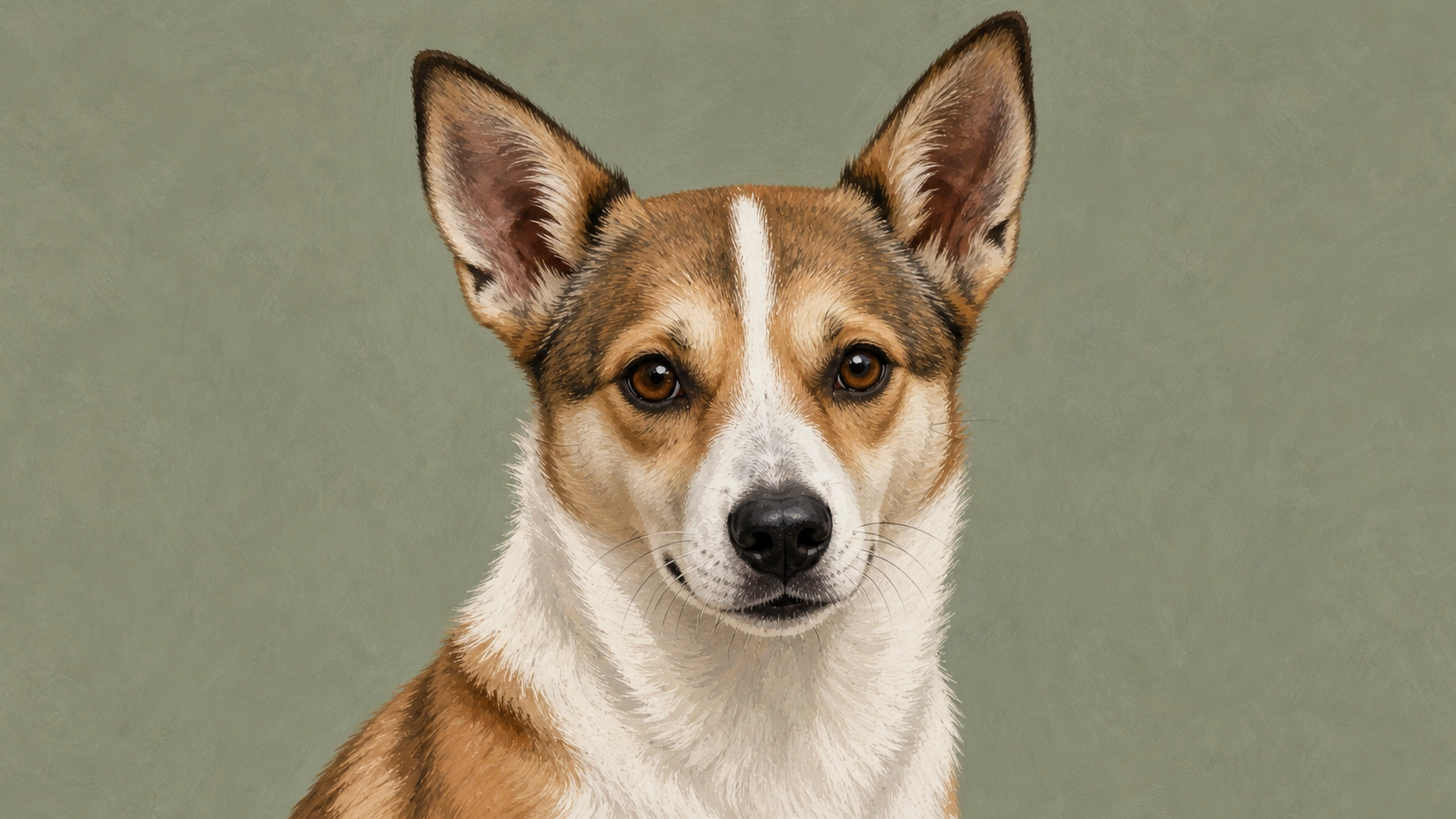
Norwegian Lundehund - MAIN HUB
BREED GROUP
Spitz Dogs
Country of origin
Norway
BREED SIZE
Small
BREED HEIGHT
12 -
15 IN
30 -
38 cm
BREED WEIGHT
20 -
30 LB
9 -
14 KG
WHAT YOU NEED TO KNOW
american kennel club (AKC) recognition
Yes
Breed was recognized in 2011.

International Canine Federation (FCI) recognition
No
Breed was recognized in 0.
WHAT DO OWNERS WANT TO KNOW?
Are Norwegian Lundehunds good family dogs?
Good
7 out of 10
The Norwegian Lundehund is a loyal and energetic companion that can make a good family dog for active households. While they are affectionate with their owners, their independent nature and wariness of strangers mean they require consistent mental stimulation and early socialization. Families must also be prepared to manage their specific health needs, such as a specialized diet for Lundehund Syndrome.
Are Norwegian Lundehunds good with kids?
Excellent
10 out of 10
Norwegian Lundehunds are generally good with children, known for being playful, affectionate, and gentle. However, they can be wary of strangers and sensitive to loud noises, requiring a 3/5 rating for children. Because of their small size and energetic nature, they make lively companions, though their interactions with younger kids should be supervised to ensure safety for both. Early socialization helps them remain calm and adaptable in family environments.
Are Norwegian Lundehunds good dogs for first time owners?
Not Recommended
1 out of 10
Norwegian Lundehunds are generally not recommended for first-time owners due to their independent, stubborn temperament and complex health requirements. Their natural wariness of strangers and predisposition to Lundehund Syndrome require a level of patience, training consistency, and medical diligence that is often better suited for experienced dog handlers.
Are Norwegian Lundehunds good apartment dogs?
Very Good
7 out of 10
Norwegian Lundehunds are very good apartment dogs due to their small size and adaptable nature. While they are energetic and require daily mental and physical stimulation to prevent boredom, their exercise needs can be met with brisk walks and indoor play. Owners should be mindful of their alert nature and tendency to bark at unusual sounds, which requires consistent training to ensure they remain polite neighbors.
Do Norwegian Lundehunds need a yard?
Highly Recommended
10 out of 10
A yard is highly recommended for a Norwegian Lundehund to accommodate their high energy levels and natural agility. While they can adapt to apartment living with diligent exercise routines, they thrive in homes with a fenced outdoor space where they can explore, run, and engage in their instinctive digging and climbing behaviors safely.
Can Norwegian Lundehunds be left at home alone?
Not Recommended
1 out of 10
Norwegian Lundehunds are affectionate and loyal to their families but can be selective and wary of strangers. While they are independent and happy to settle down inside, they thrive on consistent companionship and mental stimulation to prevent boredom. Because they can develop separation anxiety and are prone to alarm barking when left alone, they do best in households where they receive attentive care and regular interaction.
Do Norwegian Lundehunds tolerate cats well?
Good
7 out of 10
Norwegian Lundehunds generally coexist well with cats, particularly when raised together from a young age. While they possess a hunting background, they typically lack a strong prey drive toward feline housemates. To ensure a harmonious bond, introductions should be slow and supervised, using scent swapping and positive reinforcement to build trust and prevent any potential chase instincts.
Are Norwegian Lundehunds known to be aggressive?
Protective
3 out of 10
Norwegian Lundehunds are not naturally aggressive and are typically described as loyal, affectionate, and gentle companions. However, they are inherently wary and reserved around strangers, often acting as alert watchdogs. To ensure their natural cautiousness remains manageable, owners should prioritize early socialization and consistent, positive reinforcement training.
Do Norwegian Lundehunds have a lot of energy?
Moderate
5 out of 10
Norwegian Lundehunds have moderate energy levels and are generally balanced indoors, alternating between active exploration and settling down with their family. Originally bred for the physical demands of puffin hunting, they require daily mental and physical stimulation, such as brisk walks or interactive puzzles, to prevent boredom. While they are energetic enough for outdoor adventures like hiking, they are not typically hyperactive and are content to relax once their exercise needs are met.
How much exercise do Norwegian Lundehunds need?
~45 min a day
5 out of 10
Norwegian Lundehunds require moderate to high daily exercise, typically between 45 and 60 minutes of active walking and interactive play. Incorporating mental challenges like agility, scent work, and opportunities to climb or explore varied terrain is essential to satisfy their intelligent and adventurous nature.
Do Norwegian Lundehunds tolerate hot weather well?
Poor
3 out of 10
Norwegian Lundehunds have a poor tolerance for hot weather due to their origins in the Arctic climate of Norway. Their thick double coats, designed for insulation against cold winds, can cause them to overheat quickly in high temperatures. Owners should provide constant access to shade and fresh water, and limit outdoor activities to the cooler morning or evening hours to prevent heatstroke.


Are Norwegian Lundehunds good with cold weather?
Poor
3 out of 10
Norwegian Lundehunds have a poor tolerance for hot weather due to their origins in the Arctic climate of Norway. Their thick double coats, designed for insulation against cold winds, can cause them to overheat quickly in high temperatures. Owners should provide constant access to shade and fresh water, and limit outdoor activities to the cooler morning or evening hours to prevent heatstroke.
Are Norwegian Lundehunds sometimes banned from rentals?
Low Risk
7 out of 10
Norwegian Lundehunds are generally considered low risk for apartment breed bans due to their small size and rare status. Most rental restrictions target larger breeds or those with a reputation for aggression, whereas the Lundehund is known for being a compact, unique companion. However, their tendency to be vocal and their high energy levels mean owners should ensure they receive proper training and mental stimulation to remain good neighbors in close living quarters.
WHAT DO OWNERS WANT TO KNOW?