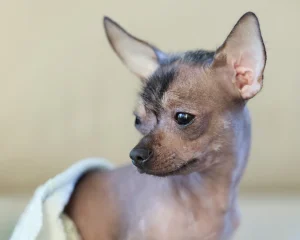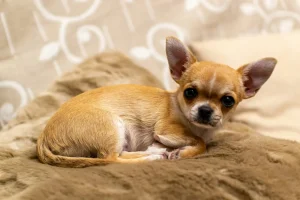
Prague Ratter
Breed Group
Toy Dogs
Country of Origin
Czech Republic
Breed Size
Toy
AKC Recognition
No
FCI Recognition
Yes, recognized in 2019
Family dog
Poor2 / 10
Good with kids
Not Recommended2 / 10
First-time owner
Poor2 / 10
Apartment dog
Great8 / 10
Yard need
Rarely Needed9 / 10
Can be left alone
Good7 / 10
What Do Owners Want to Know?
Are Prague Ratter good family dogs?
The Prague Ratter is a highly affectionate and social companion that thrives in family settings and adapts well to apartment living. However, due to their tiny and fragile size, they require close supervision around young children and larger pets to prevent accidental injury.
Family dog: 2 / 10
Are Prague Ratter good with kids?
Prague Ratters are not recommended for families with young children due to their extremely tiny and fragile stature, which makes them highly susceptible to accidental injury. While they are affectionate and social, their delicate bones can easily fracture during rough or unsupervised play. They are best suited for households with older, respectful children who can handle them with the necessary care and gentleness.
Good with kids: 2 / 10
Are Prague Ratter good for first-time owners?
Prague Ratters are generally not recommended for first-time owners because their tiny, fragile bodies are highly susceptible to accidental injury and bone fractures. While they are intelligent and eager to please, their sensitive nature and specific health needs—such as intensive dental care and strict weight management—require an experienced hand to ensure they remain safe and healthy.
First-time owner: 2 / 10
Are Prague Ratter good apartment dogs?
Prague Ratters are great apartment companions due to their tiny size, quiet nature, and high adaptability to small living spaces. They are energetic yet content with indoor play and short daily walks, making them an ideal choice for city dwellers seeking a loyal, affectionate pet that doesn't require a yard. Their social personality ensures they bond closely with their owners, even in compact environments.
Apartment dog: 8 / 10
Do Prague Ratter need a yard?
A yard is not strictly required for a Prague Ratter, as they are exceptionally well-suited for apartment living due to their tiny size and quiet nature. While they are energetic and enjoy a safe area to frolic, their exercise needs can be easily met through indoor play and daily walks, making a private yard a bonus rather than a necessity.
Yard need: 9 / 10
Can Prague Ratter be left alone?
Prague Ratters are highly social and affectionate dogs that thrive on human companionship. While they can handle being alone for moderate periods due to their intelligent and calm nature, they are susceptible to separation anxiety if isolated for too long. They do best in households where someone is frequently available to provide interaction and mental stimulation.
Can be left alone: 7 / 10
Are Prague Ratter good with cats?
Prague Ratters are exceptionally good with cats due to their social, non-aggressive, and easygoing nature. Their small size makes them less intimidating to felines, often allowing them to form peaceful and playful bonds. While they lack a high prey drive, their history as rat hunters means early socialization and supervised introductions are recommended to ensure a harmonious relationship.
Good with cats: 9 / 10
Are Prague Ratter aggressive?
Prague Ratters are not naturally aggressive; they are typically friendly, social, and affectionate companions that bond deeply with their families. While they are generally easygoing and eager to please, they can be reserved or distrustful toward strangers and may feel intimidated by larger dogs due to their tiny size. Proper socialization is important to ensure they remain confident and well-behaved in various environments.
Aggression tendency: 7 / 10
Are Prague Ratter high-energy dogs?
Prague Ratters are active, spirited, and surprisingly energetic for their tiny size. Originally bred as agile rat hunters, they possess a playful nature and require regular exercise, such as brisk walks and interactive play sessions, to burn off energy. Despite their high energy levels, they are equally happy to settle down as affectionate lap warmers once their physical and mental stimulation needs are met.
Energy level: 6 / 10
How much exercise does a Prague Ratter need?
Prague Ratters require 30 to 60 minutes of daily exercise, which can be achieved through short walks and indoor play.
Exercise need: 2 / 10
Can Prague Ratter live in hot weather?
Prague Ratters have a fair tolerance for heat but can be sensitive to high temperatures due to their tiny size and active nature. Their small bodies can overheat quickly if they overexert themselves in direct sunlight. Owners should provide plenty of fresh water and shade, and limit outdoor exercise to the cooler morning or evening hours to ensure their safety.
Hot weather tolerance: 4 / 10
Can Prague Ratter live in cold weather?
Prague Ratters are highly sensitive to cold weather due to their tiny size, short coats, and low body fat, which cause them to lose body heat rapidly. They lack the natural insulation needed to withstand freezing temperatures and are at an increased risk of hypothermia. Owners should provide warm sweaters or jackets, limit outdoor exposure to brief periods, and ensure they have a cozy, draft-free environment indoors during winter months.
Cold weather tolerance: 4 / 10
Are Prague Ratter banned in apartments or rentals?
Prague Ratters are rarely subject to breed bans due to their extremely tiny size and quiet nature. Their reputation as excellent apartment companions makes them a top choice for city dwellers. However, owners should always check individual landlord policies regarding pet limits or specific rental insurance requirements.
Rental restriction risk: 8 / 10
Vet Insights
Prague Ratters are generally healthy, but their diminutive size requires specialized care. As a veterinarian, I prioritize monitoring for patellar luxation and fragile bone structures, as their delicate legs are highly susceptible to fractures from jumps or accidental falls. Due to their small mouths and crowded teeth, they are particularly prone to rapid dental tartar buildup and periodontal disease, necessitating frequent professional cleanings and diligent at-home care. Additionally, their lack of body fat and thin coats make them extremely vulnerable to hypothermia in cold weather. I recommend consistent weight management to avoid joint stress and provide high-calorie, small-breed specific nutrition to support their active metabolism.