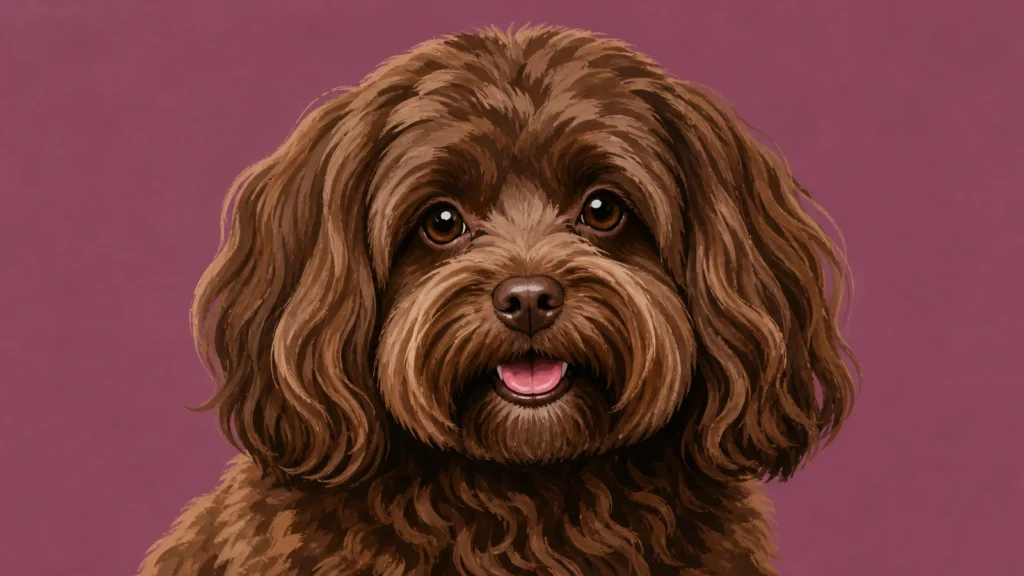
Russian Tsvetnaya Bolonka
Breed Group
Toy Dogs
Country of Origin
Russia
Breed Size
Toy
AKC Recognition
No
FCI Recognition
Yes, recognized in 1954
Family dog
Good7 / 10
Good with kids
Good7 / 10
First-time owner
Very Good7 / 10
Apartment dog
Good6 / 10
Yard need
Low7 / 10
Can be left alone
Good7 / 10
What Do Owners Want to Know?
Are Russian Tsvetnaya Bolonka good family dogs?
The Russian Tsvetnaya Bolonka is an excellent family dog due to its sweet, sociable nature and fierce loyalty to its owners. Because it is typically non-aggressive and thrives on human interaction, it makes a wonderful companion for households with children and other pets.
Family dog: 7 / 10
Are Russian Tsvetnaya Bolonka good with kids?
Russian Tsvetnaya Bolonkas are generally excellent with children, known for their sweet, gentle, and patient temperament. Their spirited yet easy-going nature makes them wonderful playmates, though their small size means supervision is recommended to ensure they are handled respectfully. They thrive on human interaction and quickly form strong, affectionate bonds with all family members.
Good with kids: 7 / 10
Are Russian Tsvetnaya Bolonka good for first-time owners?
Russian Tsvetnaya Bolonkas are ideal for first-time owners due to their sociable, intelligent, and eager-to-please nature, which makes them relatively easy to train. Their adaptable personality and moderate exercise requirements allow them to thrive in various living situations, providing a rewarding and manageable experience for novice pet parents.
First-time owner: 7 / 10
Are Russian Tsvetnaya Bolonka good apartment dogs?
Russian Tsvetnaya Bolonkas are excellent apartment dogs because they were specifically bred as the ultimate apartment-friendly lapdogs [cite: 1]. Their small size, adaptable nature, and moderate exercise requirements allow them to thrive in compact urban spaces [cite: 1]. Their sweet, sociable disposition makes them perfect companions for city living, provided they receive regular daily interaction [cite: 1].
Apartment dog: 6 / 10
Do Russian Tsvetnaya Bolonka need a yard?
A yard is not strictly required for a Russian Tsvetnaya Bolonka, as they were specifically bred for apartment living and possess moderate exercise needs. While they enjoy outdoor play and daily walks, their small size and adaptable nature allow them to stay healthy and happy through indoor activities and short excursions, making them ideal for urban environments.
Yard need: 7 / 10
Can Russian Tsvetnaya Bolonka be left alone?
Russian Tsvetnaya Bolonkas are social, people-oriented dogs that thrive on companionship and do not like being left alone for long periods. While they can handle a few hours of solitude, their fierce loyalty and desire for interaction mean they are prone to separation anxiety, making them best suited for households where someone is frequently home.
Can be left alone: 7 / 10
Are Russian Tsvetnaya Bolonka good with cats?
Russian Tsvetnaya Bolonkas generally get along very well with cats and other pets, especially when raised together from a young age. Their sociable, non-aggressive, and easygoing nature allows them to forge friendships easily, making them a harmonious addition to multi-pet households. Since they were bred specifically for companionship, they typically view other animals as friends rather than prey.
Good with cats: 2 / 10
Are Russian Tsvetnaya Bolonka aggressive?
Russian Tsvetnaya Bolonkas are naturally sweet, even-tempered, and typically show no aggression toward family or strangers. While they are alert and will bark to announce visitors, they quickly settle down and are known for their friendly, sociable disposition. With early socialization and their innate desire to please, they remain gentle companions that lack the snappy tendencies often associated with other small breeds.
Aggression tendency: 7 / 10
Are Russian Tsvetnaya Bolonka high-energy dogs?
Russian Tsvetnaya Bolonkas are spirited and playful dogs with moderate energy levels that balance their identity as classic lapdogs. They enjoy a mix of short walks, indoor play, and mental stimulation, but they are equally content to settle down and cuddle with their owners. This adaptable nature makes them ideal companions for urban living, provided they receive regular daily interaction and moderate exercise.
Energy level: 5 / 10
How much exercise does a Russian Tsvetnaya Bolonka need?
The Russian Tsvetnaya Bolonka has moderate exercise needs, typically requiring about 30 to 60 minutes of daily activity. As a classic lapdog, they enjoy short walks, indoor play, and interactive games like fetch or hide-and-seek. Providing mental stimulation through puzzle toys and training helps keep this intelligent breed engaged and happy without needing vigorous physical exertion.
Exercise need: 4 / 10
Can Russian Tsvetnaya Bolonka live in hot weather?
Russian Tsvetnaya Bolonkas have a moderate tolerance for hot weather, but their long, curly double coats can make them prone to overheating. Owners should provide plenty of shade and fresh water, and it is best to avoid strenuous exercise during the hottest parts of the day. Regular grooming and keeping their coat trimmed can also help them stay comfortable in warmer temperatures.
Hot weather tolerance: 4 / 10
Can Russian Tsvetnaya Bolonka live in cold weather?
Russian Tsvetnaya Bolonkas are sensitive to cold due to their small size. Despite their Russian origin, they are not well-suited for extreme cold and require warm sweaters and protection during winter.
Cold weather tolerance: 4 / 10
Are Russian Tsvetnaya Bolonka banned in apartments or rentals?
Russian Tsvetnaya Bolonkas are rarely subject to breed bans, as they were specifically developed to be the ultimate apartment-friendly companions. Their tiny size, quiet nature, and minimal shedding make them ideal for rental living. However, always check specific landlord policies regarding pet deposits or general weight limits for small dogs.
Rental restriction risk: 6 / 10
Vet Insights
Russian Tsvetnaya Bolonkas are generally healthy and long-lived, but as a veterinarian, I focus on several small-breed health risks. Their compact jaws make them highly prone to dental overcrowding and periodontal disease, requiring diligent oral hygiene. I also prioritize screenings for patellar luxation, heart murmurs, and inherited eye conditions like progressive retinal atrophy (PRA). Additionally, their long backs can put them at risk for Intervertebral Disc Disease (IVDD), and their small size makes them susceptible to hypoglycemia and tracheal collapse. Maintaining a lean weight and performing regular wellness exams are essential for managing these structural and genetic predispositions.