Skip to content

Pomeranian - MAIN HUB

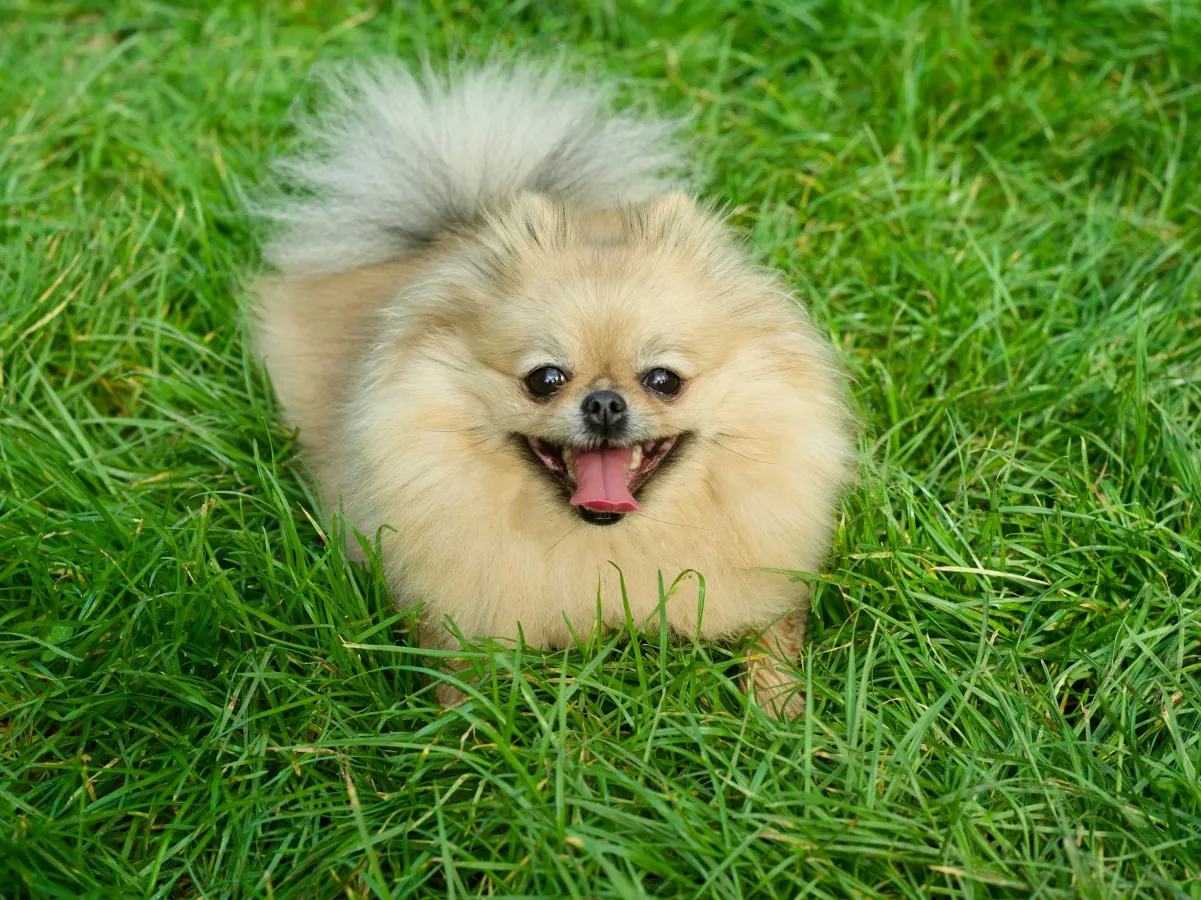
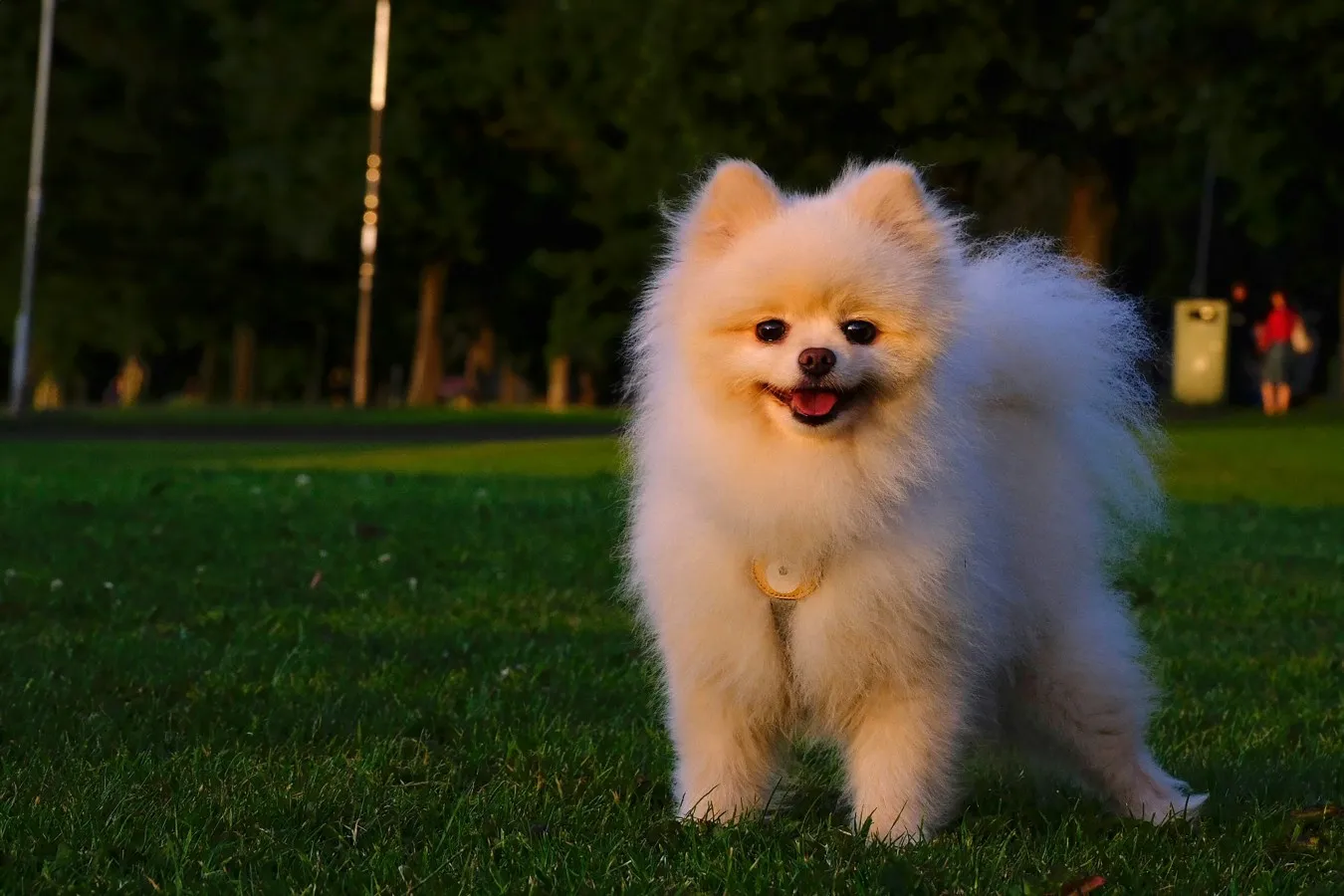
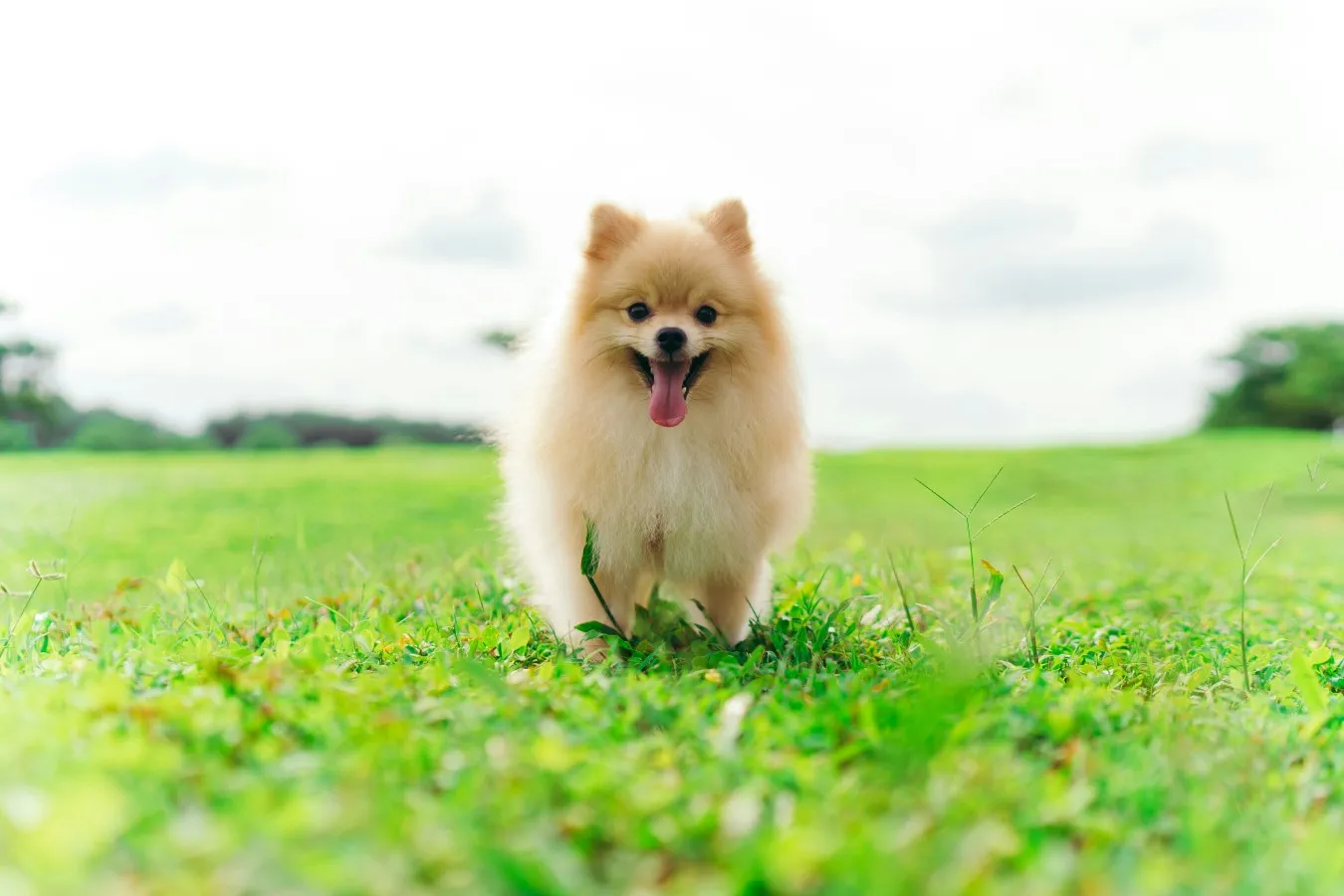
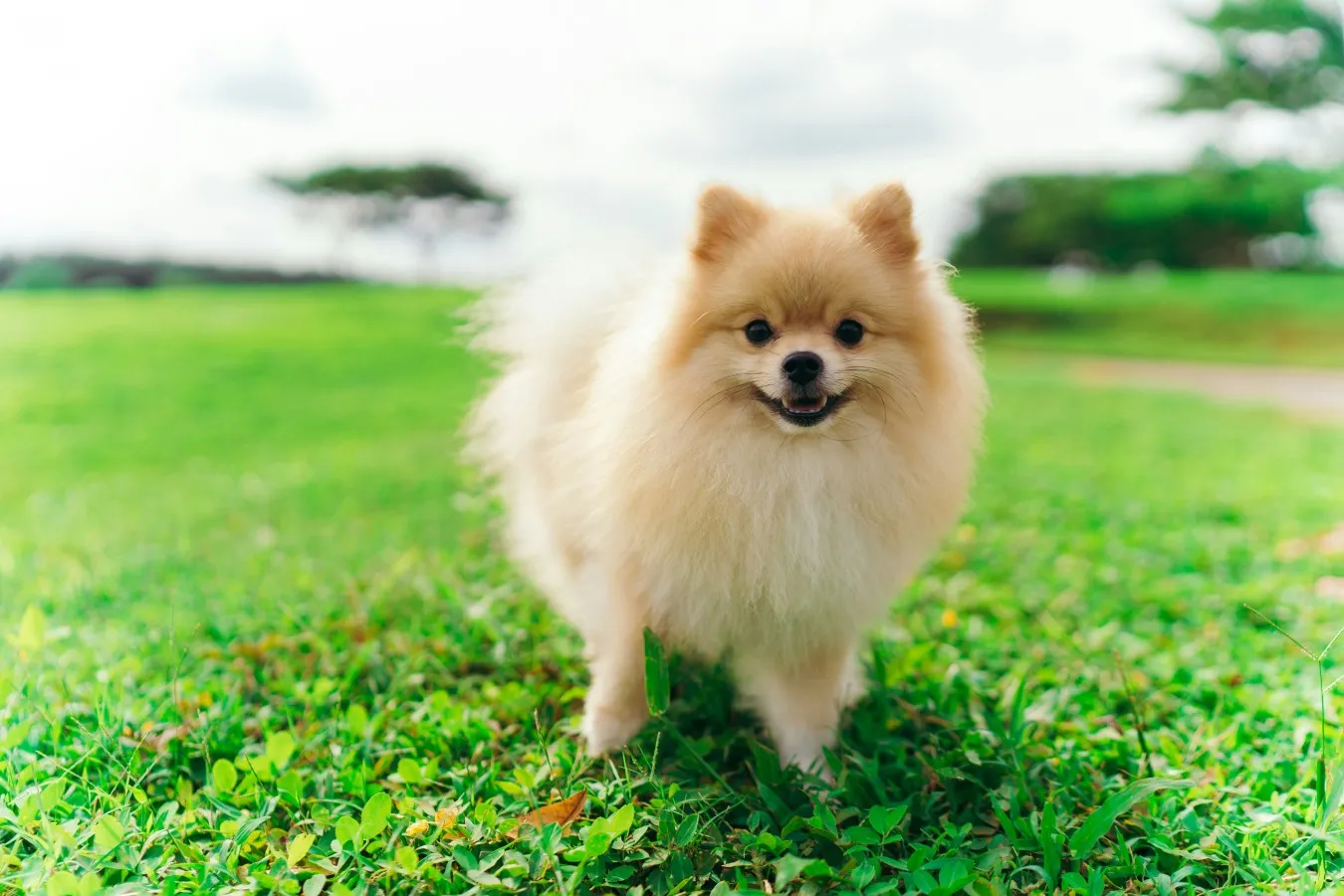
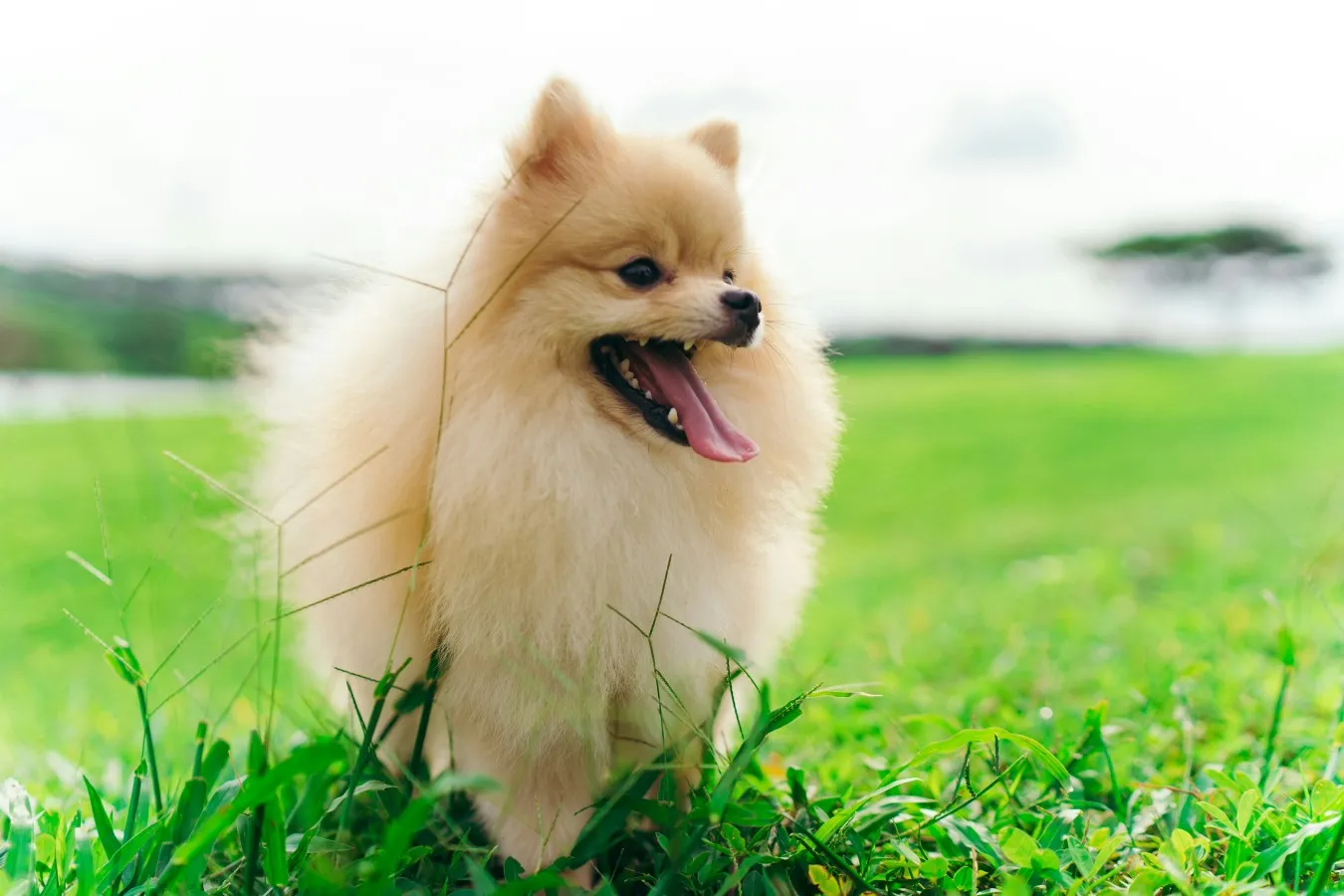
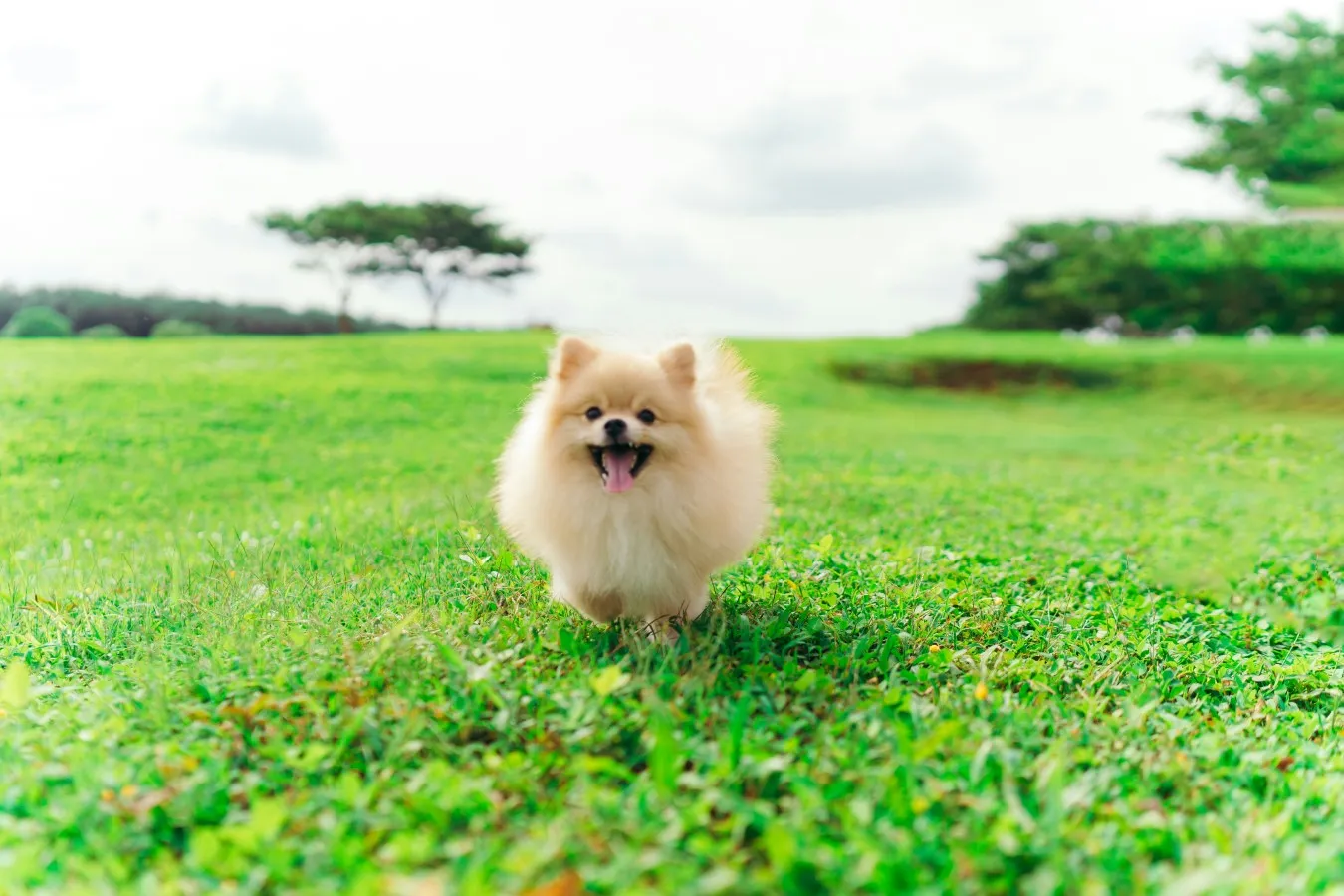
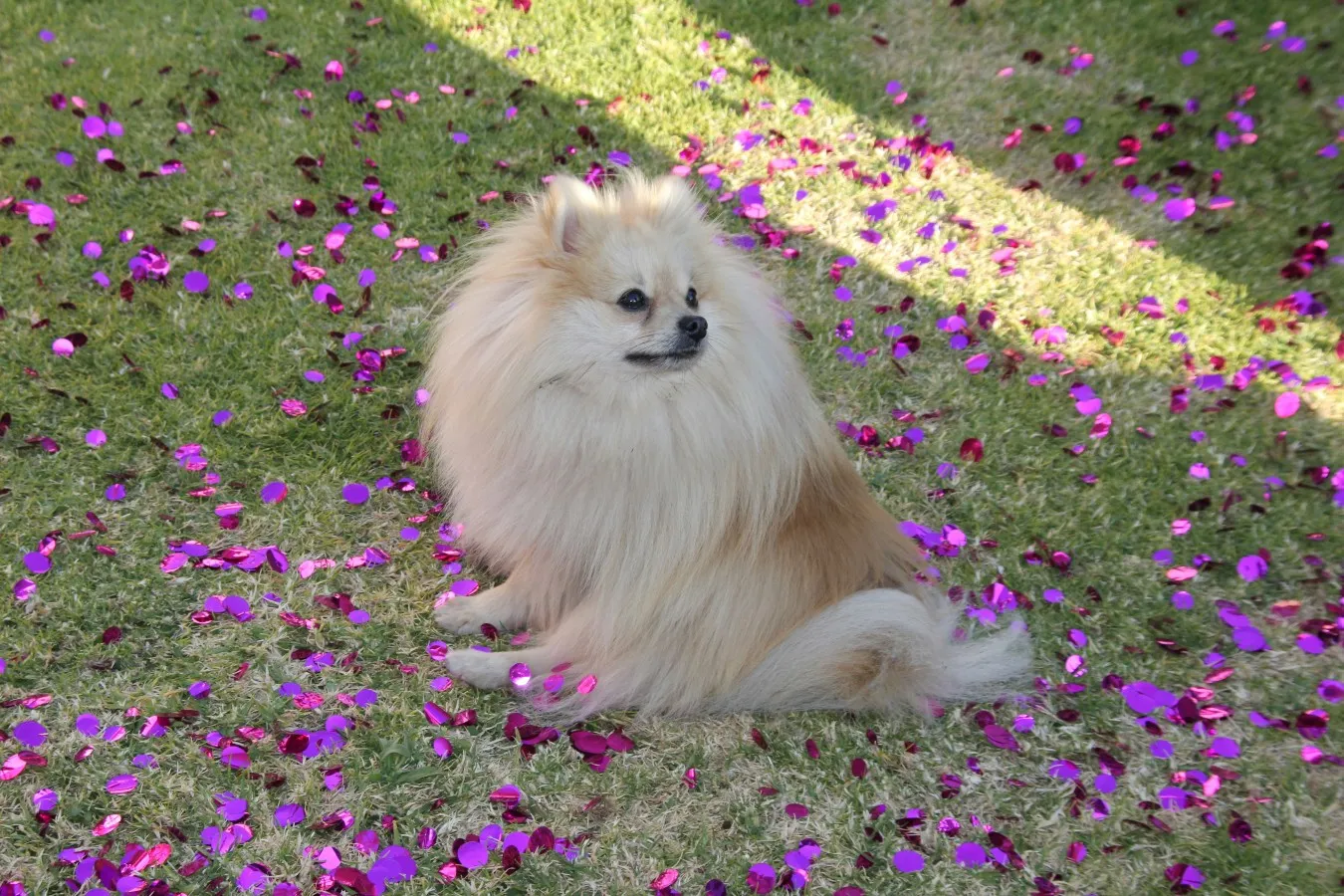
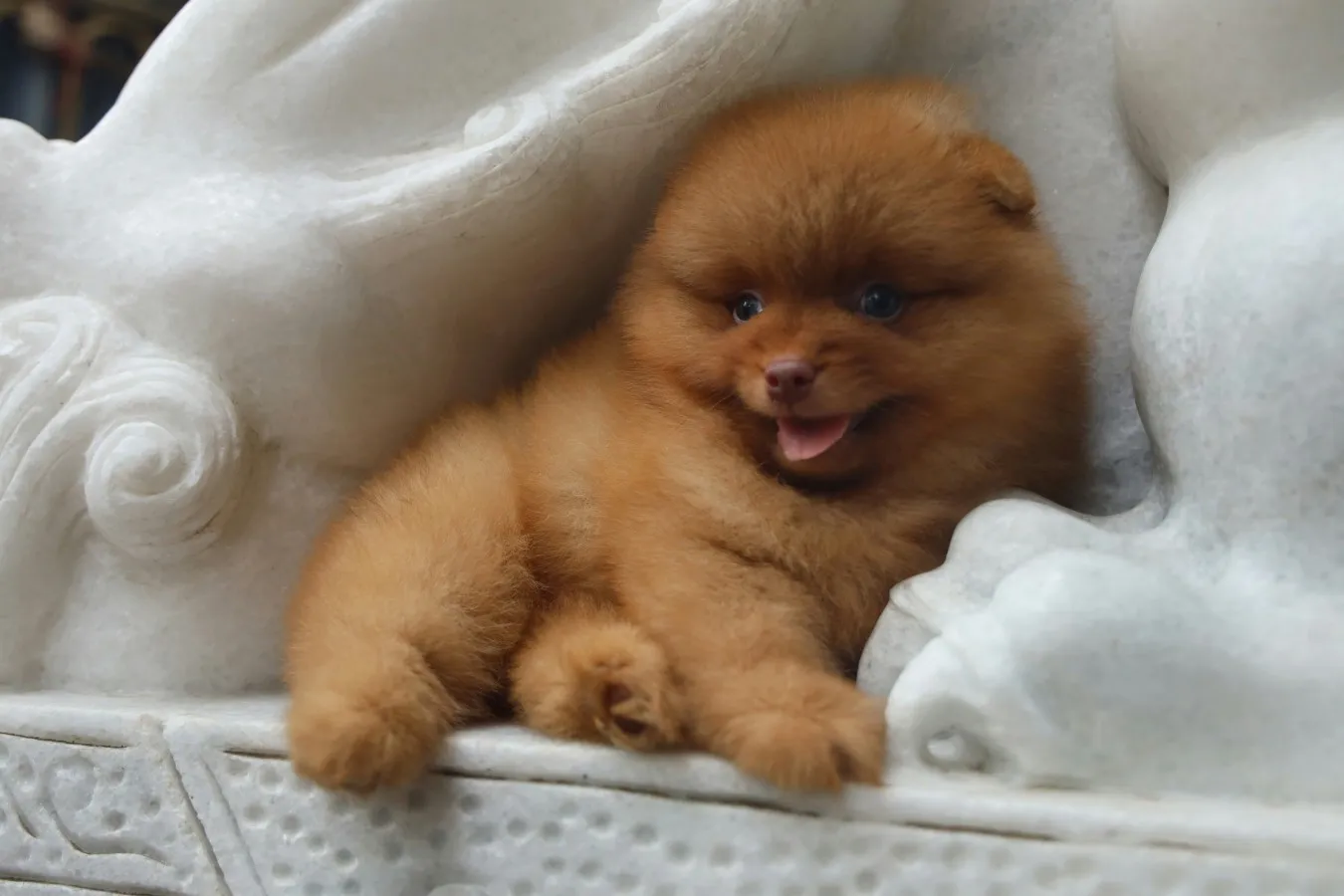
The Pomeranian is a bold, foxy-faced “puffball” with a big personality. Smart, loyal, and lively, they’re the ultimate spirited apartment companion.

BREED GROUP

Toy Dogs

Country of origin

Germany / Poland

BREED SIZE

Toy

BREED HEIGHT

6 -

11 IN

15 -

28 cm

BREED WEIGHT

3 -

7 LB

1 -

3 KG

WHAT YOU NEED TO KNOW

The Pomeranian is a spirited Toy breed known for its foxy face, intelligence, and "big-dog" personality. Descended from large Arctic sled dogs, these compact companions typically weigh 3 to 7 pounds and live 12 to 16 years. They are alert, fey, and highly trainable, excelling in agility and obedience while serving as excellent watchdogs. Their iconic double coat requires regular brushing and professional grooming. While generally healthy, owners should monitor for luxating patellas and tracheal collapse. Ideal for both apartments and houses, Poms thrive on human companionship and moderate daily exercise.
american kennel club (AKC) recognition

Yes

Breed was recognized in 1888.

International Canine Federation (FCI) recognition

Yes

Breed was recognized in 1957.
WHAT DO OWNERS WANT TO KNOW?

Are Pomeranians good family dogs?

Average

5 out of 10

Pomeranians are spirited and intelligent companions that thrive on human interaction, making them well-suited for families living in various home types. Their "big-dog" personality and watchdog capabilities make them engaging family members, though their compact size requires careful handling. They are ideal for households that can provide regular grooming and moderate daily exercise to keep them happy and healthy.

Average

5 out of 10

Pomeranians can be good with children, particularly older ones who have learned to handle small animals with care. Their tiny, fragile stature makes them susceptible to injury from rough play or accidental falls, so they are not recommended for households with very young or rambunctious toddlers. Because they can be "spicy" and may react defensively if they feel threatened or mishandled, all interactions between Poms and kids should be closely supervised. Consistent socialization and teaching children respectful boundaries ensure a safe and affectionate relationship.

Good

7 out of 10

Pomeranians are generally recommended for first-time owners due to their affectionate nature, high intelligence, and adaptability to various living environments. While they are eager to learn and have manageable exercise needs, novices should be prepared for their stubborn streak and vocal alert barking, which require consistent, patient training. Additionally, their fragile size demands gentle handling, and their iconic double coat requires a commitment to regular grooming.

Exceptional

10 out of 10

Pomeranians are excellent apartment dogs due to their tiny size and moderate exercise requirements. They are highly adaptable to small living spaces and can meet many of their activity needs through indoor play and short walks. However, their tendency to bark frequently requires consistent training to ensure they remain polite neighbors.

Not Required

10 out of 10

A yard is not strictly required for a Pomeranian, as they are highly adaptable and can meet most of their exercise needs through indoor play and short daily walks. While a secure yard or access to a fenced area is a benefit for safe outdoor exploration, they thrive just as well in apartments or homes without yards provided they receive consistent mental and physical stimulation.

Not Recommended

1 out of 10

Pomeranians are a companion breed that bond intensely with their owners and do not tolerate being left alone well. They are highly prone to separation anxiety, which can lead to excessive yapping, whining, and destructive behavior if they are isolated for too long. They thrive best in households where someone is present for most of the day, but they can be trained to tolerate short absences if provided with mental stimulation like puzzle toys.

Exceptional

10 out of 10

Pomeranians generally coexist well with cats due to their friendly, outgoing personalities and small size, which is less intimidating to felines. Success often depends on early socialization and proper introductions, as their high energy and "big-dog" confidence may occasionally lead to chasing or over-excitement. Most Poms can form strong bonds with cats, provided they are supervised initially and both pets have safe spaces to retreat.

Alert

4 out of 10

Pomeranians are not naturally aggressive but are known for their spirited, alert, and "big-dog" personalities. They are highly protective of their owners and can be suspicious of strangers, often serving as excellent watchdogs by barking to announce visitors. While they are bold and feisty, their small size makes them vulnerable, and they may exhibit defensive behaviors like nipping if they feel threatened or are handled roughly. Early socialization and consistent training are essential to ensure their alertness does not develop into reactive behavior.

High

8 out of 10

Pomeranians are lively, spirited toy dogs with surprisingly high energy for their size. Originally descended from sled dogs, they require regular daily activity and mental stimulation, such as brisk walks and indoor play, to prevent boredom and maintain their vibrant personalities.

~45 min a day

5 out of 10

Pomeranians require moderate daily exercise, typically consisting of two brisk 15 to 20-minute walks and short indoor play sessions. Despite their small size, they have high energy levels and benefit from mental stimulation like puzzle toys to prevent boredom. Owners should avoid high-impact activities to protect their fragile joints and be mindful of overheating during warm weather.

Danger

1 out of 10

Pomeranians are highly sensitive to heat due to their thick double coats and small size. Their dense fur acts as a heavy insulator, making them prone to rapid overheating and heatstroke in warm climates. Owners must provide constant air conditioning, fresh water, and strictly limit outdoor activities to the coolest parts of the day. Consistent brushing to remove dead undercoat is essential, but they should never be shaved as it destroys their natural temperature regulation and exposes them to sun damage.

Danger

1 out of 10

Pomeranians are highly sensitive to heat due to their thick double coats and small size. Their dense fur acts as a heavy insulator, making them prone to rapid overheating and heatstroke in warm climates. Owners must provide constant air conditioning, fresh water, and strictly limit outdoor activities to the coolest parts of the day. Consistent brushing to remove dead undercoat is essential, but they should never be shaved as it destroys their natural temperature regulation and exposes them to sun damage.

Rarely Banned

8 out of 10

Pomeranians are rarely subject to apartment breed bans because of their tiny size and friendly reputation. While they are often welcomed in most rentals, their tendency for vocal alert barking can lead to noise complaints. Always verify specific landlord policies regarding weight limits and potential restrictions related to noise or property insurance requirements.

WHAT DO OWNERS WANT TO KNOW?


Photo
Reviewed by
Dr. Vojtech Gabriel
DVM · PhD · MBA
Veterinarian Researcher Dog breed specialist
Verified

"Pomeranians are spirited companions but are prone to several size-related and genetic health issues. As a veterinarian, I emphasize monitoring for tracheal collapse, characterized by a "honking" cough; using a harness instead of a collar is a critical preventative measure to protect their delicate airways. Patellar luxation is also common, often requiring weight management or surgical intervention to correct joint instability. Their small jaws frequently lead to dental crowding, making them highly susceptible to advanced periodontal disease without diligent daily brushing. Other notable risks include Alopecia X, hypothyroidism, and heart conditions like mitral valve disease. For puppies, preventing life-threatening hypoglycemia with frequent small meals is a top priority. Consistent veterinary checkups and proactive breed-specific screenings are essential for early detection and maintaining their vibrant quality of life."

Other Toy Dogs