Skip to content

Eurasier

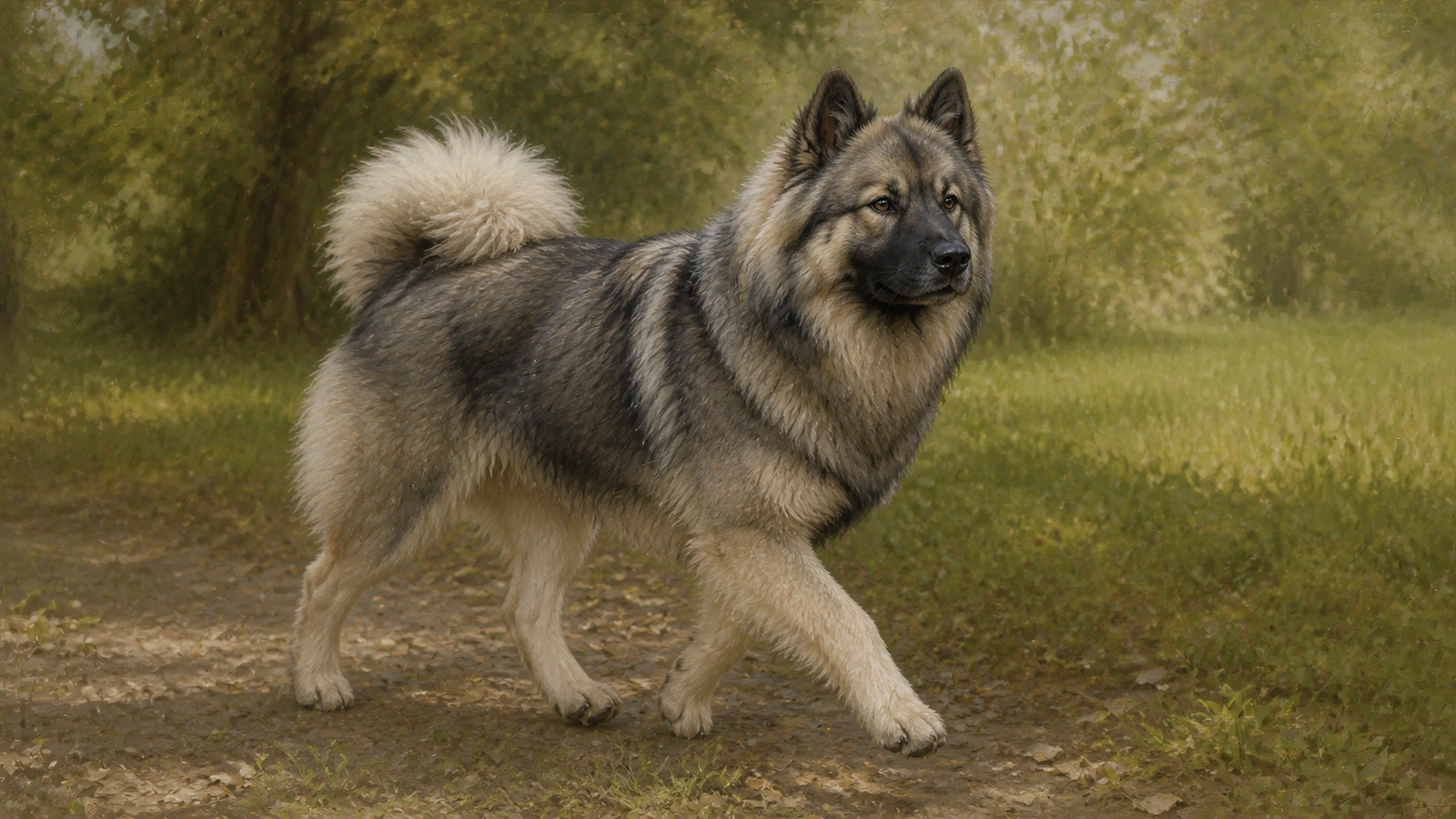
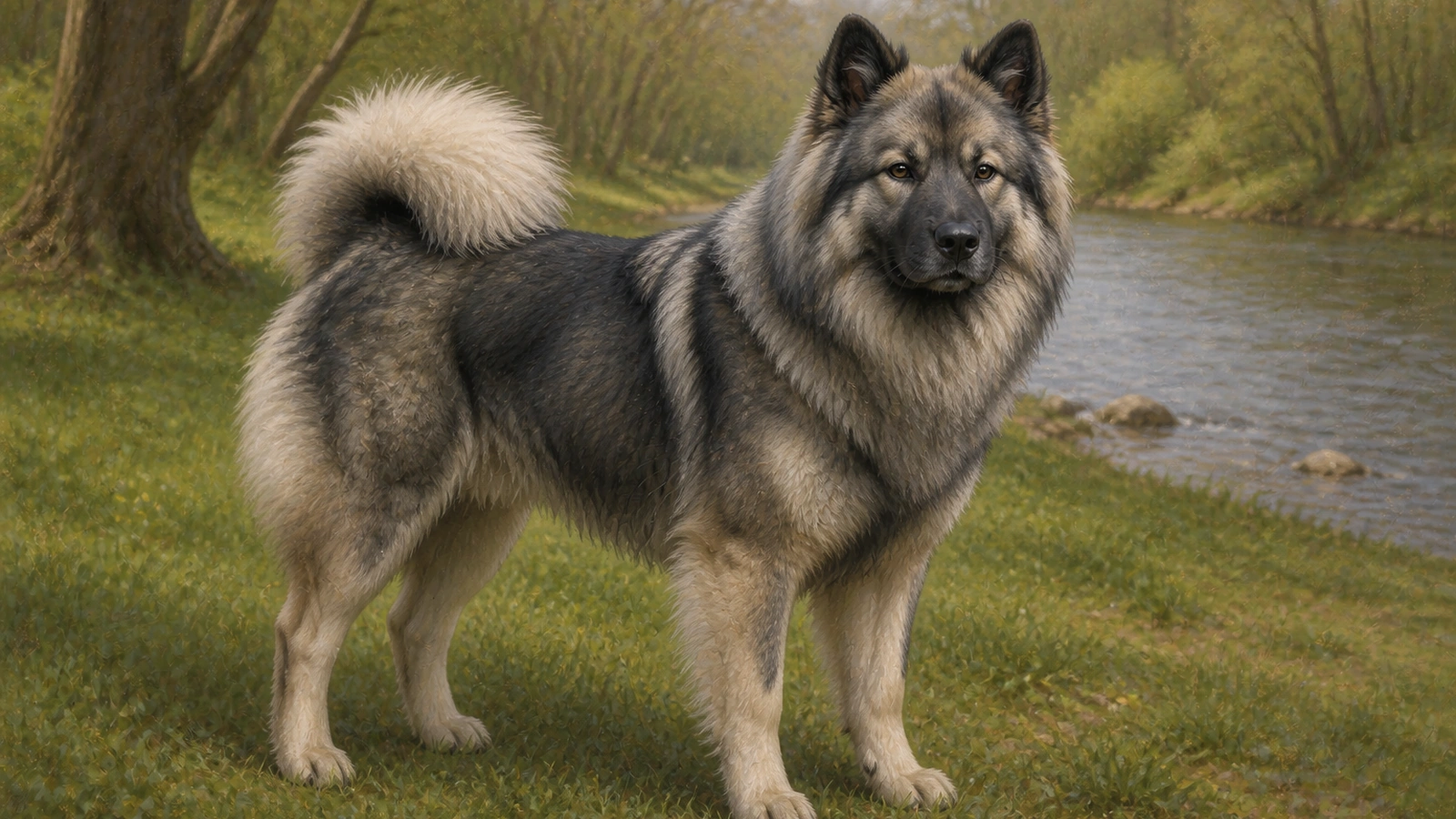
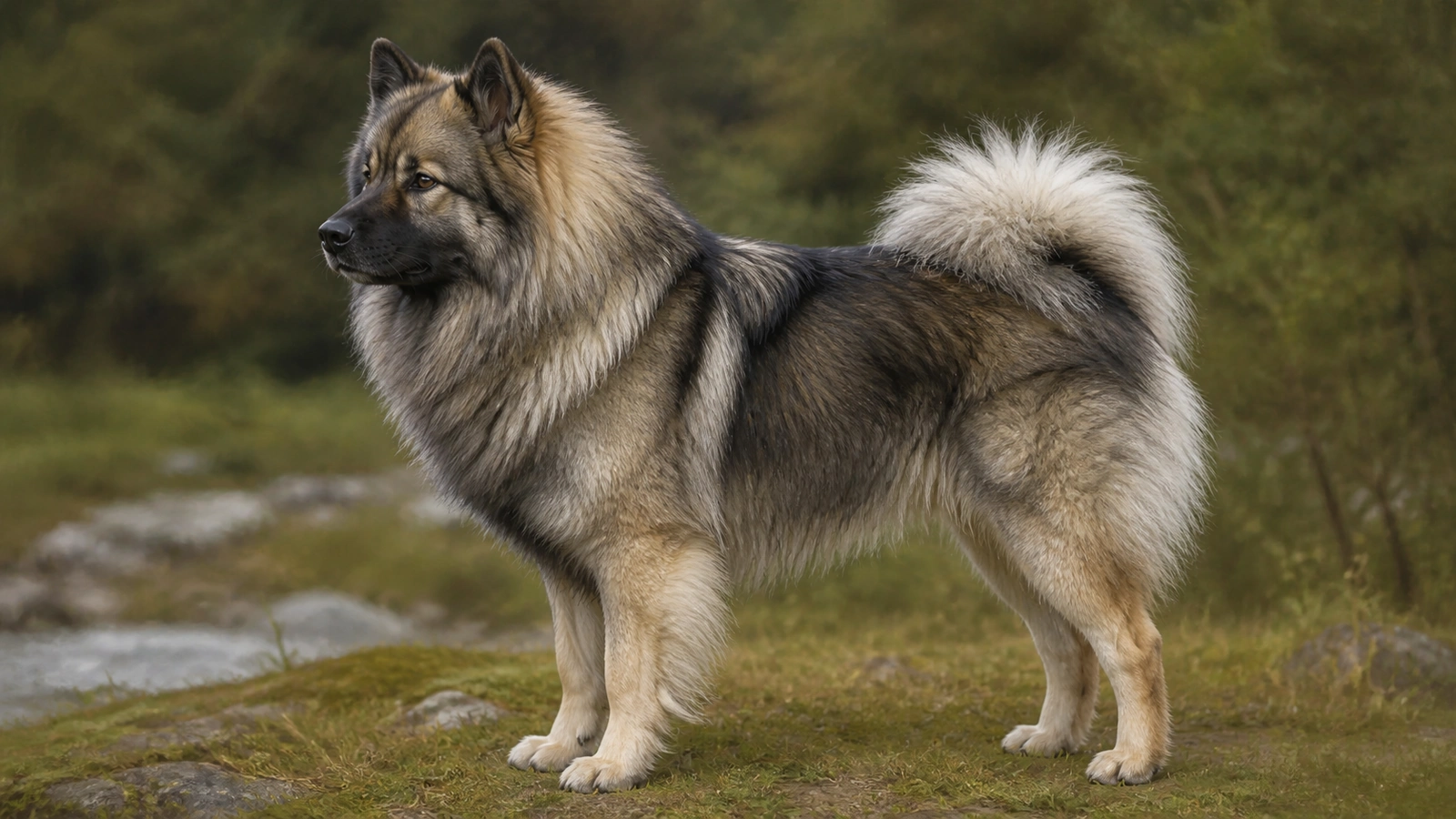
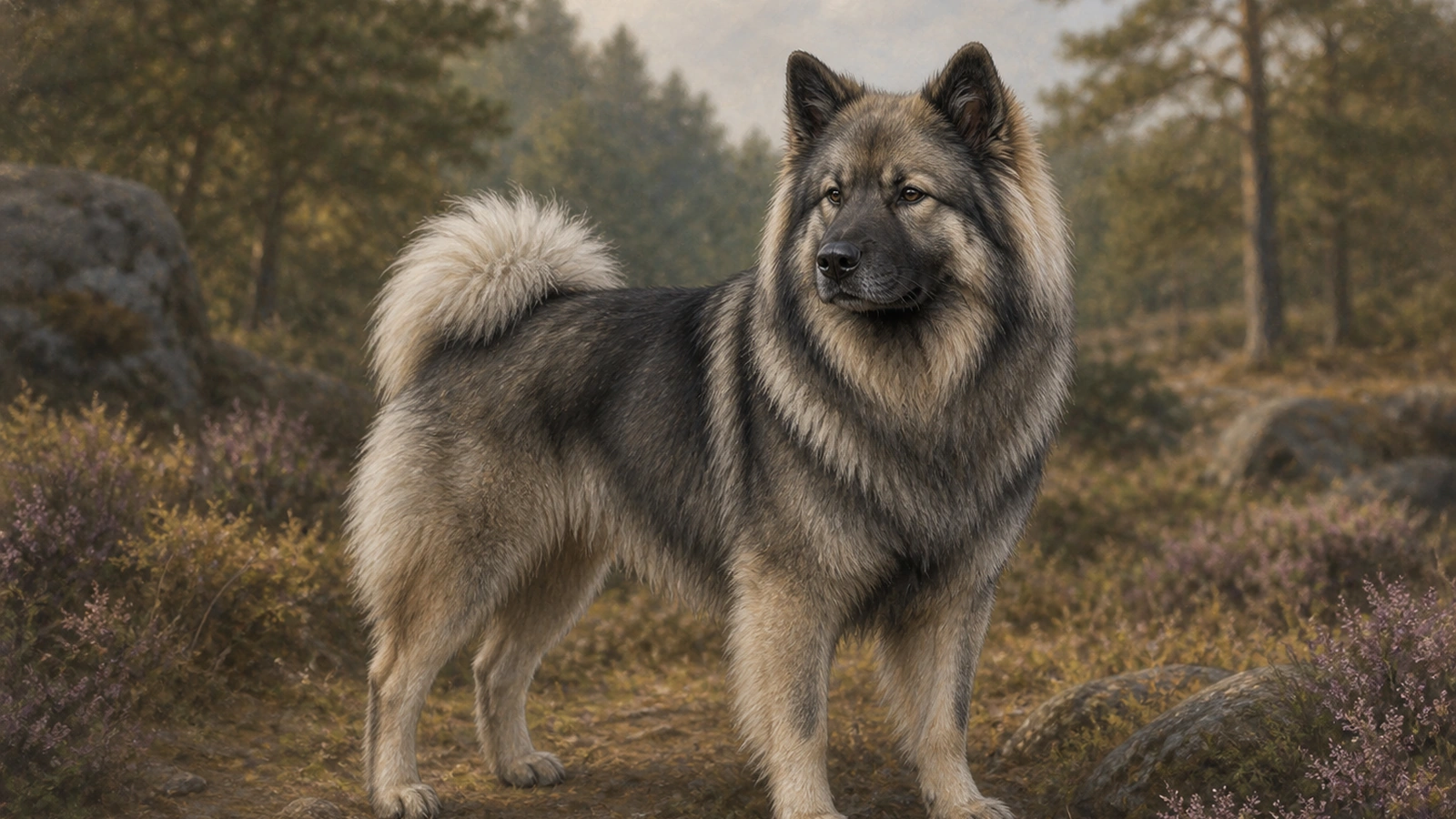
The Eurasier is a calm, loyal, and fluffy companion. Perfectly balanced and devoted, this “floof” thrives on family time and soulful connections.

BREED GROUP

Companion Dogs

Country of origin

Germany

BREED SIZE

Medium

BREED HEIGHT

19 -

24 IN

48 -

61 cm

BREED WEIGHT

40 -

70 LB

18 -

32 KG

WHAT YOU NEED TO KNOW

The Eurasier is a medium-sized German companion breed known for its calm, well-balanced nature and devoted personality. Developed by crossing the Chow Chow, Wolfspitz, and Samoyed, these dogs form intense bonds with their families and require constant human contact, making them unsuitable for kennels. While gentle with children and other pets, they are typically reserved with strangers. They possess a thick double coat that requires weekly grooming and heavy seasonal shedding maintenance. Eurasiers are intelligent and respond best to positive, consistent training. Prospective owners should also consider key breed-specific health and costs before bringing one home.
american kennel club (AKC) recognition

No

Breed was recognized in 0.

International Canine Federation (FCI) recognition

Yes

Breed was recognized in 1973.
WHAT DO OWNERS WANT TO KNOW?

Are Eurasiers good family dogs?

Good

7 out of 10

Eurasiers are excellent family dogs known for their calm, loyal, and well-balanced nature, forming intense bonds with all family members. They are particularly gentle and patient with children and other pets, though they require constant human contact and thrive when fully integrated into daily family life.

Good

7 out of 10

Eurasiers are generally excellent with children, known for being gentle, patient, and having a special affinity for babies and toddlers. They are calm and even-tempered companions that bond deeply with their entire family. As with any breed, supervision is recommended during play with small children to ensure safety.

Very Good

7 out of 10

Eurasiers are a very good choice for first-time owners due to their calm, intelligent, and eager-to-please nature, which makes them relatively easy to train. While prospective owners must be prepared for heavy shedding and their need for constant human companionship, their adaptable personality makes them well-suited for novice owners looking for a loyal family pet.

Excellent

4 out of 10

Eurasiers are adaptable companions that can thrive in apartments provided their exercise and social needs are met. They are calm and quiet indoors, and are well-suited for city living due to their low tendency to bark.

High

3 out of 10

A yard is not strictly required for a Eurasier, as they are adaptable companions that can thrive in various residential settings, including apartments. While they enjoy outdoor activities like long walks and off-leash play in a safe, enclosed area, they are calm and quiet indoors and can match a quieter household pace as long as their daily exercise and social needs are met.

Average

5 out of 10

Eurasiers are deeply devoted companions that thrive on constant human contact and form intense bonds with their families. While they can tolerate being alone for several hours with consistent training and exercise, they are prone to separation anxiety and are happiest in households where they are fully integrated into daily life.

Excellent

9 out of 10

Eurasiers generally get along well with cats and other pets, especially when raised together from a young age or properly introduced. They have a relatively low prey drive compared to other spitz-type breeds, but their natural curiosity means they may occasionally enjoy a game of chase. Early socialization and supervised introductions are recommended to ensure a harmonious multi-pet household.

Balanced

5 out of 10

Eurasiers are naturally calm and well-balanced dogs that are typically not aggressive toward people or other animals. While they are famously reserved and aloof with strangers, they remain deeply loyal and gentle with their families. Early and consistent socialization is essential to ensure their cautious nature remains a polite distance rather than developing into fear or reactivity.

Low

3 out of 10

Eurasiers have moderate energy levels, striking a perfect balance between being active outdoor companions and calm, quiet house dogs. They enjoy daily walks and playtime but do not require intense exercise, often adapting well to their family's activity level. They are happiest when participating in family activities and typically transition to a relaxed state once indoors.

~60 min a day

6 out of 10

Eurasiers are active companions that require between 60 and 120 minutes of daily exercise to maintain their physical and mental health. However, exercise should be significantly reduced in hot weather due to their sensitivity to heat.

Average

5 out of 10

Eurasiers have a moderate tolerance for hot weather, as their thick double coats help regulate body temperature by shedding the inner layer in summer. However, they are still prone to overheating and may become lazy or suffer in high humidity or temperatures above 80°F. Owners should provide ample shade, fresh water, and limit outdoor activities to the cooler morning or evening hours to ensure their comfort and safety.

Average

5 out of 10

Eurasiers have a moderate tolerance for hot weather, as their thick double coats help regulate body temperature by shedding the inner layer in summer. However, they are still prone to overheating and may become lazy or suffer in high humidity or temperatures above 80°F. Owners should provide ample shade, fresh water, and limit outdoor activities to the cooler morning or evening hours to ensure their comfort and safety.

Often Restricted

4 out of 10

Eurasiers are generally not subject to specific breed bans, as they are a rare and calm companion breed. However, because they were developed from the Chow Chow and can share a similar appearance, they may occasionally be mistaken for restricted breeds. Their medium size typically fits within most apartment weight limits, but owners should always check individual lease agreements for restrictions on spitz-type dogs or general weight and size requirements.

WHAT DO OWNERS WANT TO KNOW?


Photo
Reviewed by
Dr. Vojtech Gabriel
DVM · PhD · MBA
Veterinarian Researcher Dog breed specialist
Verified

"Eurasiers are a generally healthy breed, but as a veterinarian, I recommend proactive screening for several hereditary conditions. We prioritize monitoring for hip and elbow dysplasia, patellar luxation, and autoimmune thyroiditis. Additionally, this breed can be predisposed to eye issues like distichiasis and rare neurological conditions such as cerebellar hypoplasia (CH) and exocrine pancreatic insufficiency (EPI). Because they form intense bonds with their families, they are highly prone to separation anxiety if left alone or kenneled. Maintaining a lean weight and ensuring consistent mental and physical engagement are essential for their lifelong well-being."


Other Companion Dogs