Skip to content

Italian Greyhound - MAIN HUB

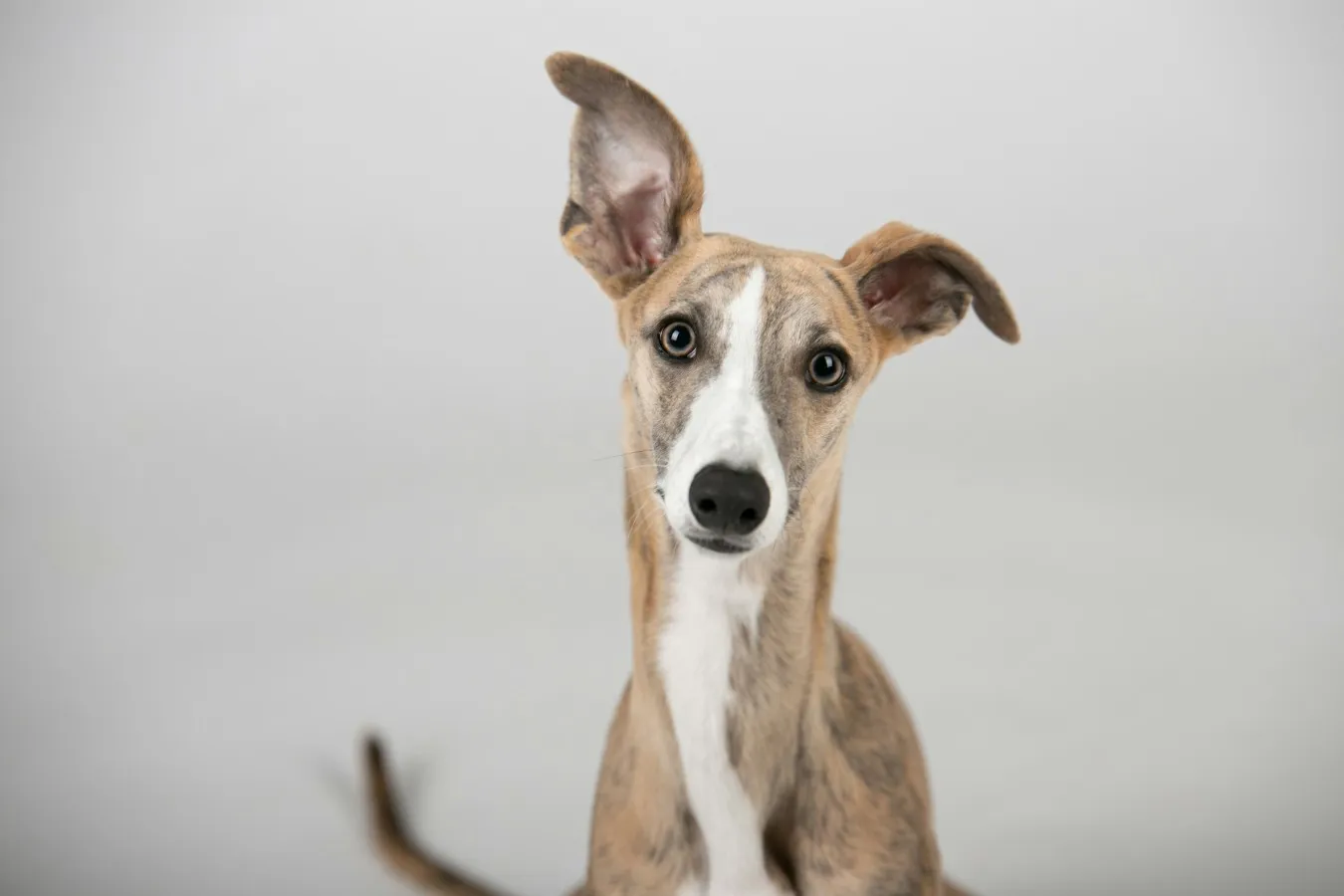
Meet the elegant Italian Greyhound: a graceful, “velcro” lapdog who loves short sprints and long snuggles. Perfect for a quiet, cozy home.

BREED GROUP

Companion Dogs

Country of origin

Italy

BREED SIZE

Small

BREED HEIGHT

13 -

15 IN

33 -

38 cm

BREED WEIGHT

7 -

14 LB

3 -

6 KG

WHAT YOU NEED TO KNOW

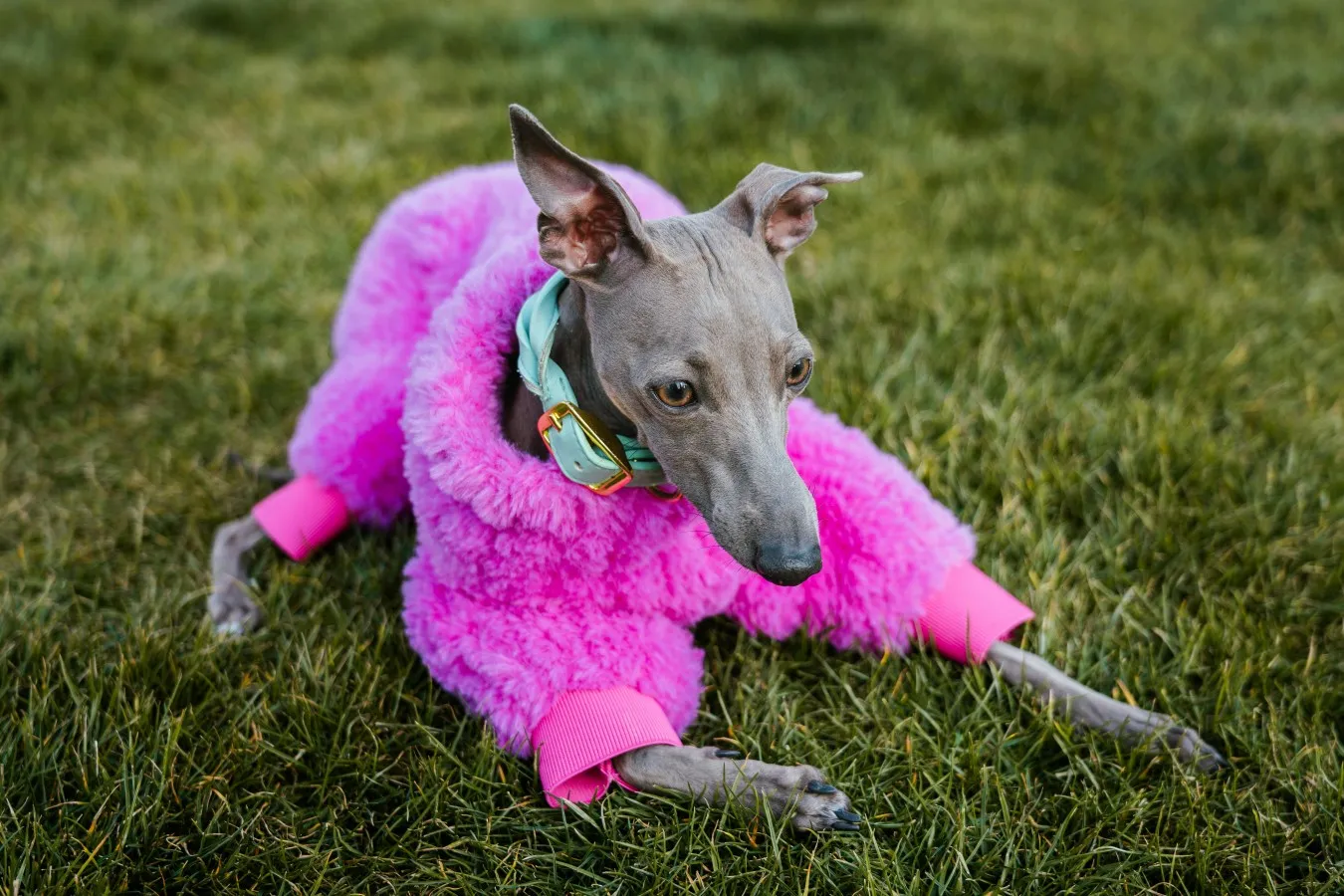
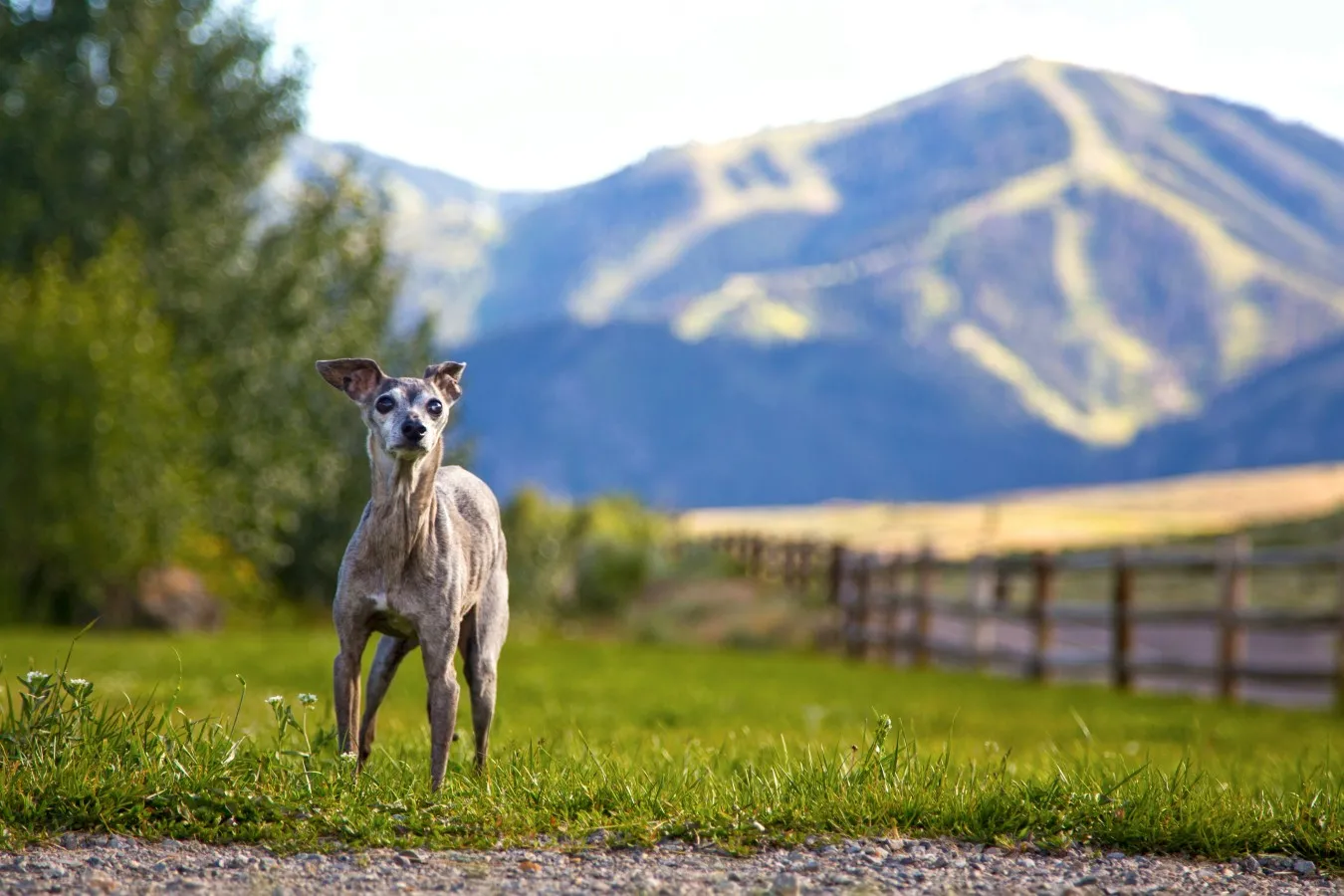
The Italian Greyhound is an elegant, affectionate toy breed known for its sensitive and playful nature. Standing 13 to 15 inches tall, these slender dogs thrive as indoor companions, often seeking warmth and human closeness. While they possess a distinct prey drive and bursts of energy, they are primarily decorative lapdogs. Owners should prioritize dental care and consistent, positive training, as the breed can be sensitive and difficult to housebreak. Their fine bone structure requires gentle handling, making them best suited for quiet households without rambunctious children or large, active pets. While the AKC weight range is typically 7 to 14 pounds, international standards such as the FCI and Kennel Club (UK) set a lower maximum weight of 5 kg (approximately 11 pounds).
american kennel club (AKC) recognition

Yes

Breed was recognized in 1886.

International Canine Federation (FCI) recognition

Yes

Breed was recognized in 1956.
WHAT DO OWNERS WANT TO KNOW?

Are Italian Greyhounds good family dogs?

Fair

4 out of 10

The Italian Greyhound is an affectionate and loyal companion, but its fragile bone structure makes it less than ideal for families with young or rambunctious children. They thrive best in quiet households where they can receive the gentle handling and constant human closeness they crave.

Not Recommended

1 out of 10

Italian Greyhounds are gentle and affectionate companions that are generally best suited for families with older, respectful children who understand how to handle small animals. Due to their exceptionally fine bone structure and fragile nature, they can be easily injured by rough play or accidental falls, making them less ideal for households with toddlers or very young children.

Fair

4 out of 10

Italian Greyhounds can be challenging for first-time owners because they are notoriously difficult to housebreak due to their small bladders and sensitivity to cold or wet weather. While they are deeply affectionate lapdogs, their independent streak and delicate bone structure require a patient, gentle approach to training. Dedicated novices who can provide a quiet environment and consistent, positive reinforcement will find them to be loyal and charming companions.

Exceptional

10 out of 10

Italian Greyhounds are excellent apartment dogs due to their compact size, quiet nature, and minimal grooming needs. They thrive as indoor companions, often seeking warmth and human closeness in smaller living spaces. While they enjoy short bursts of energy, their calm and affectionate temperament makes them ideal for urban dwellers looking for a graceful, low-maintenance lapdog.

Not Required

10 out of 10

A yard is not strictly required for an Italian Greyhound, as they can adapt well to apartment living provided they receive adequate daily exercise and mental stimulation. While they appreciate a securely fenced yard to safely stretch their legs and satisfy their prey drive, consistent daily walks and indoor play are sufficient to keep this small, affectionate breed happy. Owners must ensure any outdoor space is fully secured, as their athletic nature and high jumping ability make them expert escape artists.

Not Recommended

1 out of 10

Italian Greyhounds are deeply affectionate companions that thrive on human closeness and are highly prone to separation anxiety when left alone for long periods. While they can typically manage short absences of four to six hours if properly trained and provided with a warm, secure environment, they are best suited for households where someone is frequently present to provide the constant companionship they crave.

Good

7 out of 10

Italian Greyhounds generally coexist peacefully with cats, especially when socialized together from a young age. Their gentle and affectionate nature helps them form close bonds, although their sighthound instincts may occasionally trigger a desire to chase. Slow, supervised introductions and providing cats with elevated escape routes are recommended to ensure a safe and harmonious multi-pet home.

Gentle

9 out of 10

Italian Greyhounds are not naturally aggressive; they are typically gentle, affectionate, and sensitive companions. While they may be reserved or timid with strangers, any signs of aggression are usually a reaction to fear, lack of socialization, or harsh handling. Due to their delicate nature, they respond best to calm environments and positive reinforcement training.

Average

5 out of 10

Italian Greyhounds have moderate energy levels, often alternating between high-speed bursts of energy, or zoomies, and being affectionate lapdogs. While they enjoy short sprints and daily walks, they are primarily indoor pets that thrive on warmth and human closeness. Providing opportunities for brief, vigorous play followed by plenty of snuggle time will keep these graceful companions happy and healthy.

~45 min a day

4 out of 10

Italian Greyhounds require approximately 30 to 60 minutes of daily exercise, which can be split into multiple short walks or play sessions. As sprinters rather than endurance runners, they benefit from brief bursts of energy like zoomies or fetch combined with mental stimulation through puzzle toys and training. Due to their fragile bone structure, owners should avoid excessive exercise on hard surfaces and provide warm clothing during cold or wet weather.

Exceptional

10 out of 10

Italian Greyhounds generally handle hot weather well due to their slender bodies and lack of body fat, which helps them stay cool. However, because of their short coats and sensitive skin, they are prone to sunburn and can still overheat if overexerted. Owners should provide constant shade and fresh water, and avoid strenuous exercise during peak heat hours to prevent heatstroke or seizures.

Exceptional

10 out of 10

Italian Greyhounds generally handle hot weather well due to their slender bodies and lack of body fat, which helps them stay cool. However, because of their short coats and sensitive skin, they are prone to sunburn and can still overheat if overexerted. Owners should provide constant shade and fresh water, and avoid strenuous exercise during peak heat hours to prevent heatstroke or seizures.

Never Banned

10 out of 10

Italian Greyhounds are an excellent choice for apartment living and are rarely subject to breed-specific bans due to their small size, quiet nature, and minimal shedding. While they generally fall well within weight limits, they can be notoriously difficult to housebreak, which may concern some landlords. Always verify individual rental policies regarding general pet weight limits or specific insurance requirements.

WHAT DO OWNERS WANT TO KNOW?


Photo
Reviewed by
Dr. Vojtech Gabriel
DVM · PhD · MBA
Veterinarian Researcher Dog breed specialist
Verified

"Italian Greyhounds are elegant companions, but their delicate physiology requires specialized veterinary care. As a veterinarian, I prioritize monitoring for periodontal disease, as their crowded teeth make them highly prone to severe dental issues and early tooth loss. Their exceptionally fine bone structure makes them vulnerable to fractures, particularly of the radius and ulna, necessitating careful handling and a safe environment. Owners must also be aware of a genetic predisposition to Progressive Retinal Atrophy (PRA), which leads to gradual blindness, and patellar luxation. Additionally, this breed is known for its sensitivity to anesthesia and extreme vulnerability to cold weather. I strongly recommend regular dental cleanings, genetic screening for hereditary conditions, and maintaining a lean weight to minimize stress on their fragile joints."

Other Companion Dogs