Skip to content

Lhasa Apso - MAIN HUB

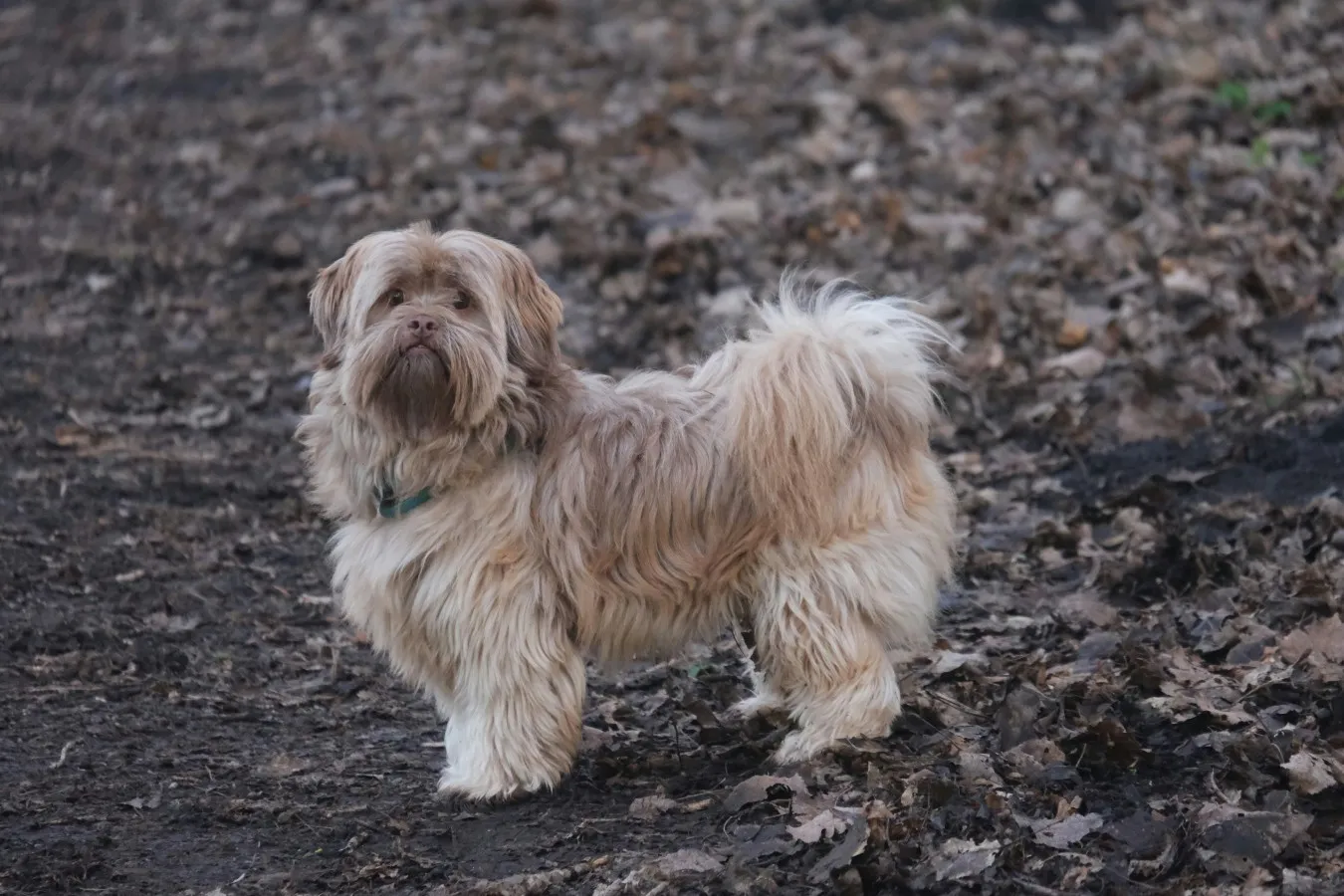
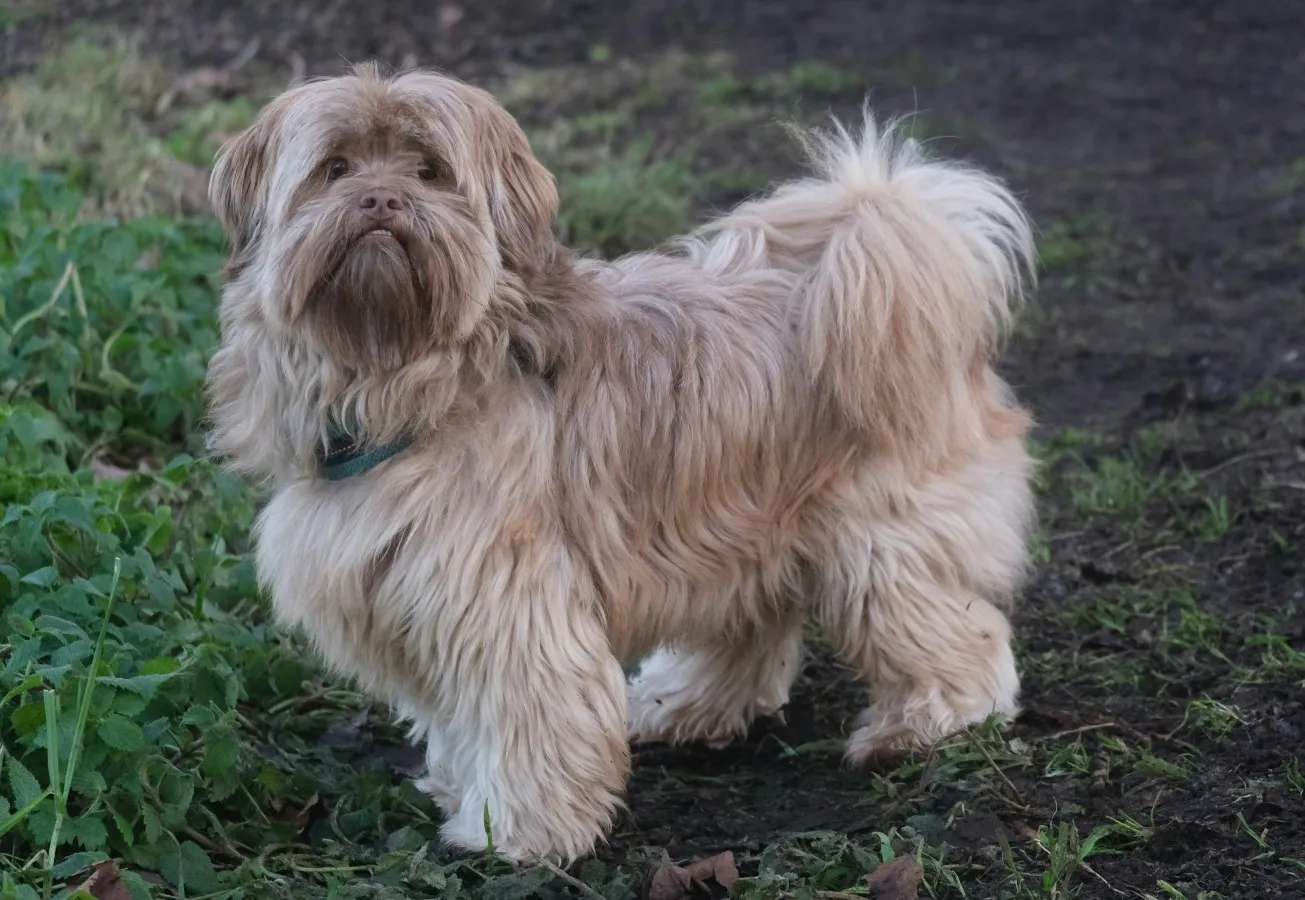
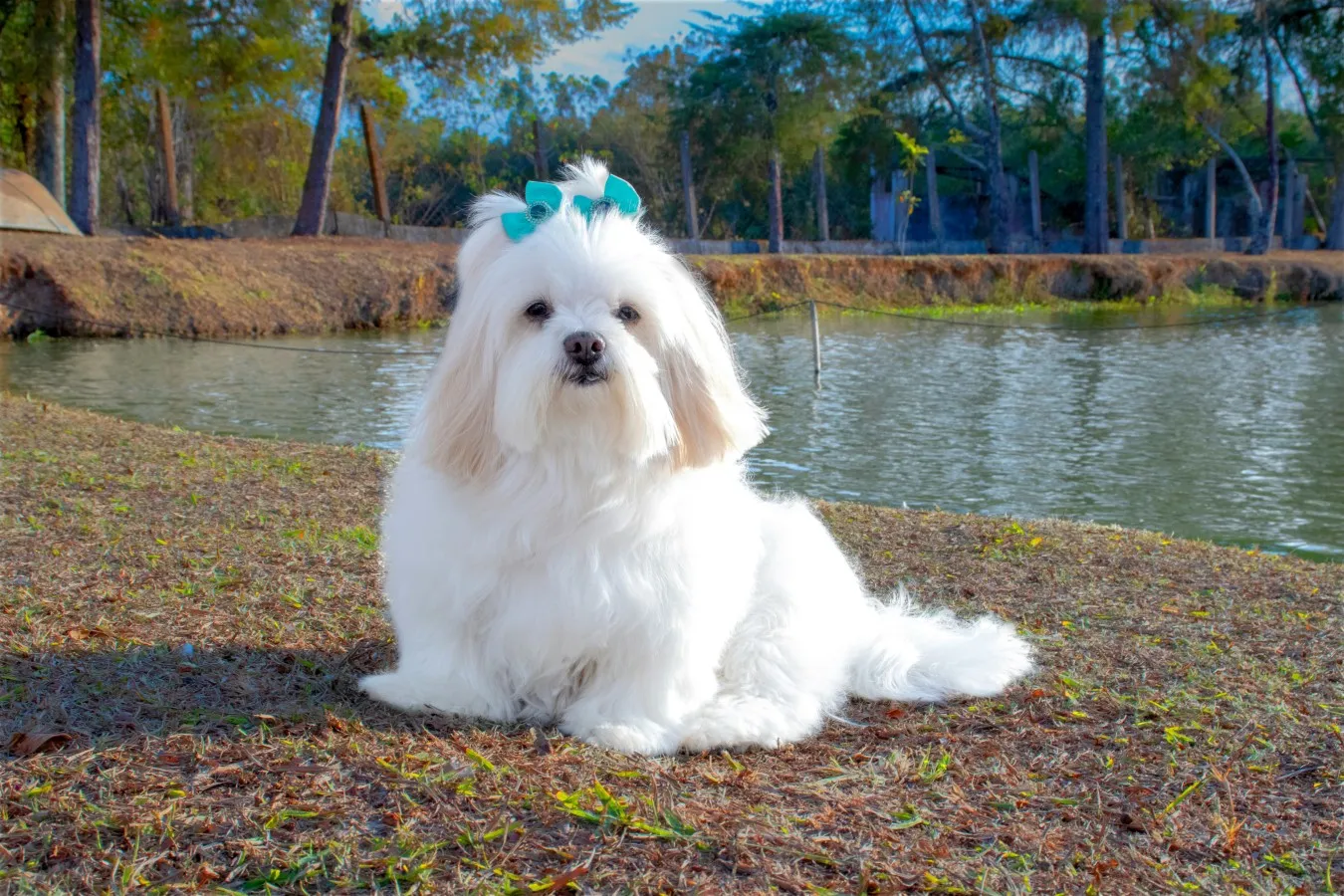
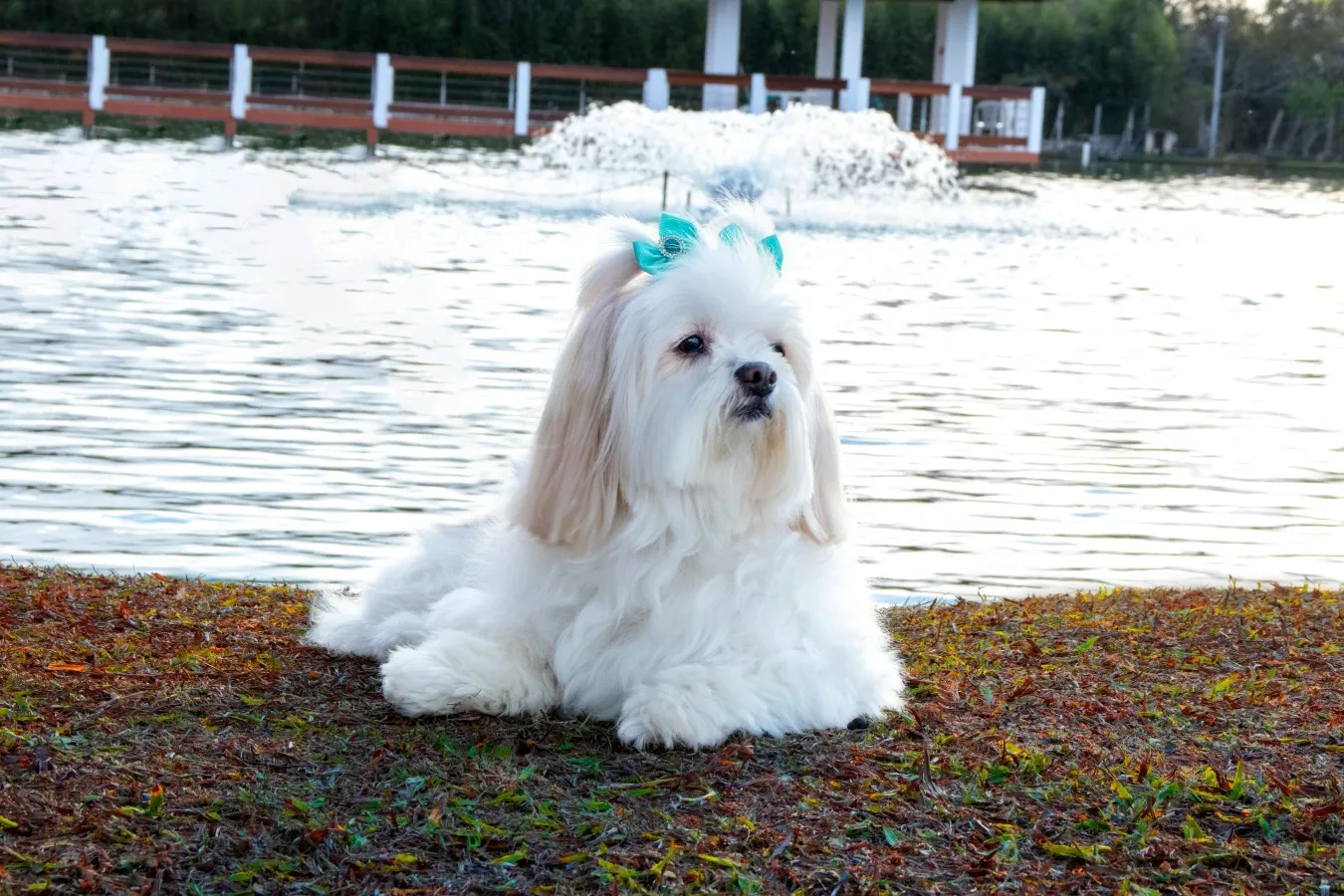
Meet the Lhasa Apso: a small, hardy companion with a big heart and a “lion-like” spirit. Loyal, independent, and full of ancient Tibetan charm!

BREED GROUP

Companion Dogs

Country of origin

China

BREED SIZE

Small

BREED HEIGHT

10 -

11 IN

25 -

28 cm

BREED WEIGHT

12 -

18 LB

5 -

8 KG

WHAT YOU NEED TO KNOW

The Lhasa Apso is a small, hardy breed from Tibet, originally serving as a sentinel for monasteries and palaces. Known as the Bearded Lion Dog, they are highly intelligent, independent, and fiercely loyal to their families. While affectionate with owners, they are naturally aloof toward strangers and possess a sharp, loud bark. They are adaptable to apartment living and require only moderate daily exercise. However, their luxurious, floor-length coat demands extensive grooming. With a typical lifespan of 12-15 years, these long-lived companions thrive best with patient, consistent training.
american kennel club (AKC) recognition

Yes

Breed was recognized in 1935.

International Canine Federation (FCI) recognition

Yes

Breed was recognized in 1960.
WHAT DO OWNERS WANT TO KNOW?

Are Lhasa Apsos good family dogs?

Average

5 out of 10

Lhasa Apsos are loyal and affectionate companions that bond deeply with their families. While they are adaptable to various living situations, their independent nature and aloofness toward strangers mean they thrive best in households that can provide patient training and commit to their extensive grooming needs.

Poor

2 out of 10

Lhasa Apsos are generally better suited for families with older, respectful children who understand how to interact gently with a small dog. While they can be affectionate with their own "pack," their independent nature and sentinel instincts mean they may lack the patience for the rough play or sudden movements of toddlers. Early socialization and supervision are essential to help them bond with children and ensure they don't become defensive or snappy.

Poor

2 out of 10

Lhasa Apsos can be challenging for first-time owners due to their strong-willed, independent nature and stubborn streak. While they are loyal and relatively low-energy, they require a patient, consistent leader who can provide firm training and extensive socialization. Success for a novice depends on their commitment to managing the breed's natural aloofness and demanding grooming needs.

Exceptional

10 out of 10

Lhasa Apsos are excellent apartment dogs due to their small size, moderate exercise needs, and adaptable nature. They thrive in smaller living spaces and are content with short daily walks and indoor play sessions. While their alert sentinel instincts mean they may bark at unusual sounds, their independent yet loyal personality makes them ideal companions for city dwellers.

Not Required

10 out of 10

A yard is not strictly required for a Lhasa Apso, as their small size and moderate exercise needs make them well-suited for apartment living. While they enjoy having a secure outdoor space to explore, daily short walks and indoor play sessions are sufficient to keep these loyal and independent companions physically and mentally healthy.

Great

8 out of 10

Lhasa Apsos are independent and confident companions who typically handle solitude better than many other small breeds. While their self-reliant nature makes them less prone to separation anxiety, they remain deeply loyal to their families and thrive on regular human interaction. Owners should avoid leaving them alone for excessive periods to ensure they remain happy and to prevent potential nuisance barking or boredom-based behaviors.

Great

9 out of 10

Lhasa Apsos generally get along well with cats, especially when raised together from a young age or properly socialized. Their independent yet affectionate nature allows them to coexist peacefully, and they may even pick up feline-like tendencies, such as perching in high spots. However, due to their sentinel instincts, they can be territorial, so initial introductions should be slow and supervised to ensure a harmonious multi-pet household.

Protective

3 out of 10

Lhasa Apsos are not inherently aggressive but possess a deep-rooted protective instinct from their history as sentinel dogs. While they are affectionate and loyal to their families, they are naturally wary of strangers and can be territorial. Early socialization and consistent, positive reinforcement training are essential to manage their independent nature and ensure their guarding tendencies do not escalate into reactive behavior.

Moderate

5 out of 10

Lhasa Apsos have moderate energy levels and a balanced temperament, often described as being lively and playful without being overly demanding. They are content to relax indoors and act like a lap dog for much of the day, but they also experience quick bursts of energy where they enjoy zooming around the house or yard. While not high-energy athletes, they require regular daily engagement to stay happy and prevent boredom.

~45 min a day

4 out of 10

Lhasa Apsos require moderate daily exercise, typically between 30 to 60 minutes of activity. This should include brisk walks and interactive play sessions to keep them physically fit and mentally engaged. Because they are an independent and alert breed, incorporating mental stimulation like puzzle toys or scent work is highly beneficial. While they are adaptable to apartment living and can handle indoor play, consistent daily movement is essential to prevent obesity and manage their watchdog instincts.

Very Poor

2 out of 10

Lhasa Apsos have a low tolerance for hot weather and are prone to overheating due to their long, dense double coats and brachycephalic features. Their flat faces make it difficult to cool down through panting, increasing the risk of heatstroke. Owners should provide a climate-controlled indoor environment, ensure constant access to fresh water, and limit exercise to the coolest parts of the day. Keeping their coat clipped shorter can also help manage their temperature in warm climates.

Very Poor

2 out of 10

Lhasa Apsos have a low tolerance for hot weather and are prone to overheating due to their long, dense double coats and brachycephalic features. Their flat faces make it difficult to cool down through panting, increasing the risk of heatstroke. Owners should provide a climate-controlled indoor environment, ensure constant access to fresh water, and limit exercise to the coolest parts of the day. Keeping their coat clipped shorter can also help manage their temperature in warm climates.

Rarely Banned

8 out of 10

Lhasa Apsos are rarely subject to breed bans, as they are small dogs that typically fall well under standard apartment weight limits. Their adaptable nature and moderate exercise needs make them well-suited for city living. However, because they were bred as sentinels, their sharp, loud bark can lead to noise complaints if not properly managed, so always check individual landlord policies regarding noise or specific pet agreements.

WHAT DO OWNERS WANT TO KNOW?


Photo
Reviewed by
Dr. Vojtech Gabriel
DVM · PhD · MBA
Veterinarian Researcher Dog breed specialist
Verified

"Lhasa Apsos are generally healthy, but their unique anatomy requires proactive care. As a veterinarian, I prioritize monitoring for Brachycephalic Airway Syndrome (BAS), as their flat faces make them prone to breathing difficulties and overheating. Their long backs also make them susceptible to Intervertebral Disc Disease (IVDD) and patellar luxation, necessitating weight management to reduce joint stress. I also watch for hereditary renal dysplasia and various eye conditions, such as dry eye, cherry eye, and progressive retinal atrophy (PRA). Due to their crowded mouths, small size, and potential underbite, daily dental care is essential to prevent periodontal disease. Finally, their luxurious coats require extensive grooming to prevent skin infections and matting. Choosing health-tested puppies and maintaining regular check-ups are key to managing these lifelong risks."


Other Companion Dogs