Lhasa Apso Health and Costs
Breed Group
Companion Dogs
Country of Origin
China
Breed Size
Small
AKC Recognition
Yes, recognized in 1935
FCI Recognition
Yes, recognized in 1960
Rarity
Very Common2 / 10
Purchase cost
Moderate5 / 10
Life expectancy
Long Lifespan8 / 10
Health
Moderate health concerns4 / 10
Health problem risk
Moderate health concerns4 / 10
Maintenance cost
Moderate upkeep cost4 / 10
A Veterinarian's Guide
Lhasa Apso Health Problems and Costs
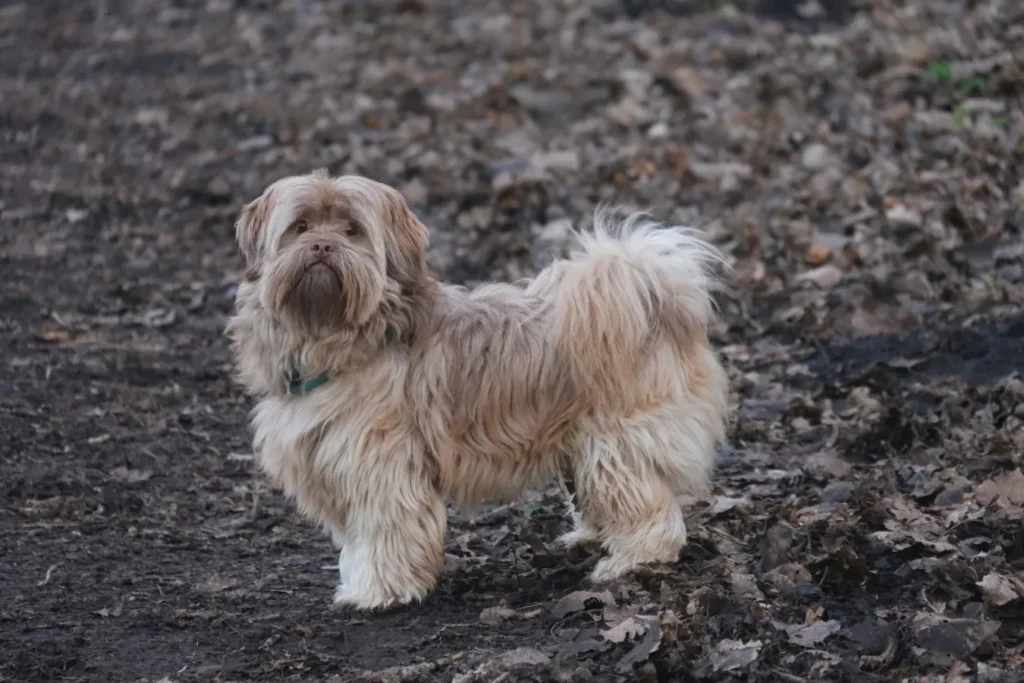
The Lhasa Apso began as a watchful companion in Tibetan households, and many live well into their teens. The long back, short muzzle, and luxurious coat that define the look also account for most of the breed's health issues: spinal disc trouble, noisy breathing, eye problems, a hereditary kidney condition, and crowded teeth. Knowing them before you bring a puppy home, or while you already share your life with one, makes screening and vet visits much easier to plan.
In this guide

Why Are Lhasa Apsos Prone to Back Problems?
A Lhasa Apso that cries out, refuses to move, or drags its back legs needs a veterinarian right away, because delay lowers the chance of recovery.
Intervertebral disc disease, or IVDD, happens when the cushioning discs between the spinal bones degenerate, bulge, or rupture and press on the spinal cord. Inter is Latin for "between," and vertebra refers to the spinal bones. The Merck Veterinary Manual names the Lhasa Apso among the small breeds in which this is a common cause of spinal cord disorders. It adds that dogs with severe signs need prompt surgery, and that the chances of recovery fall if surgery is delayed more than 24 hours after the dog loses pain perception.
- 01
Yelping when picked up
Crying out when touched along the neck or back.
- 02
Reluctance to move
Refusing to jump, climb stairs, or walk normally.
- 03
Wobbly or dragging back legs
Weakness, knuckling, or partial or complete paralysis.
- 04
Loss of bladder control
Dribbling urine or being unable to pass it.
Mild cases that still feel pain often recover with a few weeks of strict rest, though the Merck Manual notes that signs recur in a fair number of dogs. Keeping the dog lean and using ramps or steps for furniture and the car reduces the strain on the spine over a lifetime.
Why Do Lhasa Apsos Have Breathing Trouble?
The Lhasa Apso is a short-muzzled, or brachycephalic, breed. The word comes from the Greek brachys, "short," and kephale, "head." A shortened face can narrow the airway, causing snoring and noisy breathing, and the American College of Veterinary Surgeons describes the wider pattern as brachycephalic syndrome. Owners often write noisy breathing off as a breed trait when it is actually extra effort.
Heat and humidity are especially dangerous for these dogs, so keep exercise gentle in warm weather and keep the dog at a healthy weight.
Which Eye Conditions Should Owners Watch For?
Dry eye, medically keratoconjunctivitis sicca, happens when tear production falls too low to keep the eye surface moist, leading to redness, thick discharge, and discomfort. It is usually managed with daily medicated eye drops. Progressive retinal atrophy, an inherited breakdown of the retina's light-sensing cells, cataracts, and glaucoma are also listed for the breed, and PRA has no effective treatment.

Long facial hair can irritate the eyes, so check them daily, wipe away debris, and call your veterinarian about squinting or discharge rather than treating it at home.
What Is Renal Dysplasia and Why Does It Matter?
Renal dysplasia is a hereditary condition in which the kidneys do not form normally before birth. Renal comes from the Latin ren, "kidney," and dysplasia from Greek roots meaning "abnormal formation." It is usually diagnosed between about six months and two years of age, and signs include increased thirst and urination, poor growth, and vomiting. There is no cure, but supportive care can prolong life, and affected dogs should not be bred.
A young Lhasa Apso with unusual thirst, frequent urination, or poor growth deserves bloodwork and a urine test sooner rather than later, since early detection gives more room to slow the disease.
Why Do Teeth and Kneecaps Need Attention?
Small breeds are prone to dental disease, and the Lhasa Apso's compact jaw leaves little room for a full set of teeth. Daily brushing and routine professional cleanings are the best defense, since advanced disease eventually calls for extractions under anesthesia.
Patellar luxation, in which the kneecap slips out of its groove, can make a dog skip or run on three legs for a few steps. Mild cases may be managed with joint supplements or anti-inflammatory medicines, while severe ones may need surgery.
What Does Managing a Lhasa Apso's Health Actually Cost?
| Condition or Need | Typical Cost Range | Notes |
|---|---|---|
| Routine annual care and grooming | $700 to $1,200/year | Food, exam, vaccines, coat care |
| Spinal disc surgery | $4,000 to $8,000 | Depends on severity and location |
| Dry eye or kidney disease | Ongoing | Medication and periodic bloodwork |
| Pet insurance | $35 to $70/month | Cheaper while young and healthy |
Questions to Ask a Breeder Before Buying a Puppy
The breed club lists no required health tests for the Lhasa Apso, so the questions matter more. Ask whether any relatives have had kidney disease, dry eye, or back trouble, how old the parents and grandparents were when they died, and whether the dogs have had eye exams. Because affected dogs should not be bred, a breeder who tracks kidney history across generations is giving you a real basis for decision-making.
Daily Life With a Lhasa Apso
Daily walks and play, plus a little mental stimulation, suit this small, sturdy companion. The personality profile explains the independent, watchful streak that shapes life at home, and patient training pays off with a breed that likes to decide for itself.
The long, dense coat mats easily, so grooming usually means daily brushing for a long coat, or about three times a week with a shorter puppy cut, plus a bath about once a month. Many owners choose a shorter clip to keep this manageable, and matted fur that traps moisture can hide skin irritation.

Keeping Your Lhasa Apso Healthy for the Long Run
Lhasa Apsos typically live 12 to 15 years with good care. Keep your dog lean, brush its teeth, protect its back from jumping, and schedule regular eye and kidney checks. Pet insurance is worth pricing while your dog is young and healthy, before any condition appears on the record.
Final Thoughts From a Veterinarian
Lhasa Apsos usually live 12 to 15 years. Protect the back with ramps and a lean weight, watch the eyes and breathing in heat, and keep up with teeth and coat care. Ask breeders about kidney history. Your veterinarian can tailor the plan.
Health & Costs FAQ
How much do Lhasa Apso cost?
A Lhasa Apso from a reputable breeder commonly costs somewhere between several hundred and a couple of thousand dollars, depending on region and bloodline, and adoption fees are usually much lower. New owners should also budget for initial supplies and first-year veterinary care.
Purchase cost: 5 / 10
How long do Lhasa Apso live?
Lhasa Apsos typically live 12 to 15 years with good care. A lean weight, daily dental care, protecting the back from jumping, and regular eye and kidney checks help them stay active into their senior years.
Life expectancy: 8 / 10
Are Lhasa Apso healthy dogs?
Lhasa Apsos often live 12 to 15 years, but they are prone to several hereditary and structural conditions. These include intervertebral disc disease, dry eye and progressive retinal atrophy, renal dysplasia, patellar luxation, dental disease, and brachycephalic breathing trouble, which makes heat and humidity especially risky.
Health: 4 / 10
What health problems do Lhasa Apso have?
Lhasa Apsos can develop intervertebral disc disease, dry eye, progressive retinal atrophy, cataracts, glaucoma, patellar luxation, renal dysplasia, and dental disease. Their short muzzle can also cause noisy breathing and overheating. Early kidney and eye checks, a lean weight, and daily tooth care help most.
Health problem risk: 4 / 10
Are Lhasa Apso expensive to maintain?
Lhasa Apsos are moderately costly to keep, mainly because of coat care. The long, dense coat needs daily brushing, or about three brushings a week in a shorter clip, and many owners use a groomer. Food and general veterinary care stay affordable for a small dog, though dental care and conditions like disc disease can add to costs.
Maintenance cost: 4 / 10
How much does it cost to own a Lhasa Apso per month?
Monthly ownership costs are $120-$250.
Monthly ownership cost: 5 / 10
How much does pet insurance cost for a Lhasa Apso?
Premiums typically range from $35-$70 as the dog ages.
Pet insurance cost: 3 / 10
Will homeowners insurance cover a Lhasa Apso?
Yes, most homeowners insurance policies cover Lhasa Apsos, as they are not typically on restricted breed lists. It is still important to disclose your pet to your provider to ensure full liability coverage and avoid potential claim problems.
Homeowners insurance difficulty: 9 / 10
Are Lhasa Apso on insurance restricted breed lists?
No, Lhasa Apsos are not typically found on insurance restricted-breed lists. These lists generally target larger breeds perceived as having higher liability risks. While they can be protective, they are usually covered by standard homeowners policies without any breed-specific exclusions or significant premium increases.
Insurance restriction risk: 2 / 10
Can you get renters insurance with a Lhasa Apso?
Yes, you can typically get renters insurance with a Lhasa Apso. As a small breed, they are rarely found on restricted breed lists. While most policies provide liability coverage for these dogs, always check your lease agreement and disclose your pet to your insurer for full protection.
Renters insurance difficulty: 8 / 10