Pumi
Breed Group
Herding Dogs
Country of Origin
Hungary
Breed Size
Medium
AKC Recognition
Yes, recognized in 2016
FCI Recognition
Yes, recognized in 1954
Family dog
Good7 / 10
Good with kids
Good7 / 10
First-time owner
Not Recommended7 / 10
Apartment dog
Very Good7 / 10
Yard need
Highly Recommended8 / 10
Can be left alone
Poor2 / 10
What Do Owners Want to Know?
Are Pumi good family dogs?
The Pumi is a loyal and affectionate family companion that thrives in active households capable of meeting its high need for mental and physical stimulation. While they are devoted to their owners, their strong herding instincts and vocal nature require early socialization and consistent training to ensure they integrate well into a family environment.
Family dog: 7 / 10
Are Pumi good with kids?
Pumis are generally good with children, especially when raised together, as they are playful, energetic, and of a sturdy medium size that prevents them from being easily injured. However, their strong herding instincts may lead them to nip at the heels of running children, and they can be sensitive to the noise and activity of very young kids. Early socialization and supervision are essential to manage these instincts and ensure safe, positive interactions.
Good with kids: 7 / 10
Are Pumi good for first-time owners?
Pumis are generally not recommended for first-time owners due to their high intelligence, intense exercise needs, and potential to manipulate inexperienced handlers. They thrive best with active, experienced owners who can provide the consistent mental stimulation and firm, positive guidance required to manage their spirited herding instincts.
First-time owner: 7 / 10
Are Pumi good apartment dogs?
Pumis can adapt to apartment living if their high energy and intense mental stimulation needs are met through vigorous daily exercise and indoor engagement. While they are a manageable medium size, their vocal nature and tireless work ethic require consistent training and socialization to ensure they remain polite neighbors. They are best suited for active owners who can commit to frequent outdoor activities to balance their spirited personality.
Apartment dog: 7 / 10
Do Pumi need a yard?
While a Pumi can adapt to apartment living with enough mental and physical exercise, a home with a large, securely fenced yard is highly recommended. Their high energy, vocal nature, and strong herding instincts mean they thrive when they have space to run at full speed and perform tasks. Owners must ensure fencing is secure, as this agile breed is known for its ability to climb and its tendency to wander.
Yard need: 8 / 10
Can Pumi be left alone?
Pumis are highly social and intelligent herding dogs that bond deeply with their families, making them prone to separation anxiety if left alone for extended periods. While they can manage moderate absences if provided with vigorous exercise and mental stimulation beforehand, they thrive best in active households where they receive consistent companionship and engagement to prevent boredom.
Can be left alone: 2 / 10
Are Pumi good with cats?
Pumis generally coexist well with cats, particularly when raised together from a young age. While their herding heritage may occasionally lead to a desire to chase or "get them in line," they are typically gentle and lack a heavy prey drive. Early socialization and slow, supervised introductions are recommended to manage their energetic nature and ensure a harmonious relationship with feline housemates.
Good with cats: 8 / 10
Are Pumi aggressive?
Pumis are not naturally aggressive but possess a strong protective instinct and are naturally wary of strangers. While they are brave enough to intimidate perceived threats, they are not typically prone to biting, snapping, or issues like food aggression. Early socialization and consistent training are essential to manage their territorial tendencies and ensure their natural guarding instincts remain balanced and well-behaved.
Aggression tendency: 3 / 10
Are Pumi high-energy dogs?
Pumis are exceptionally high-energy dogs that thrive on constant activity and mental challenges. As a tireless herding breed, they require approximately 1 to 2 hours of daily vigorous exercise, such as hiking, agility, or fetch, to remain happy. Without an outlet for their boundless energy and "clown-like" spirit, they can quickly become bored, vocal, and prone to destructive behaviors.
Energy level: 9 / 10
How much exercise does a Pumi need?
Pumis are highly energetic herding dogs that require between 1 and 2 hours of vigorous daily exercise, such as long walks, hiking, or dog sports like agility. Because they are exceptionally intelligent, incorporating mental stimulation through puzzle toys and interactive play is essential to prevent boredom and keep these spirited companions well-behaved.
Exercise need: 9 / 10
Can Pumi live in hot weather?
Pumis have a moderate tolerance for hot weather, but their dense, curly double coats can make them prone to overheating during strenuous activity. To keep them comfortable, owners should provide constant access to shade and fresh water, while limiting vigorous exercise to the cooler morning or evening hours.
Hot weather tolerance: 6 / 10
Can Pumi live in cold weather?
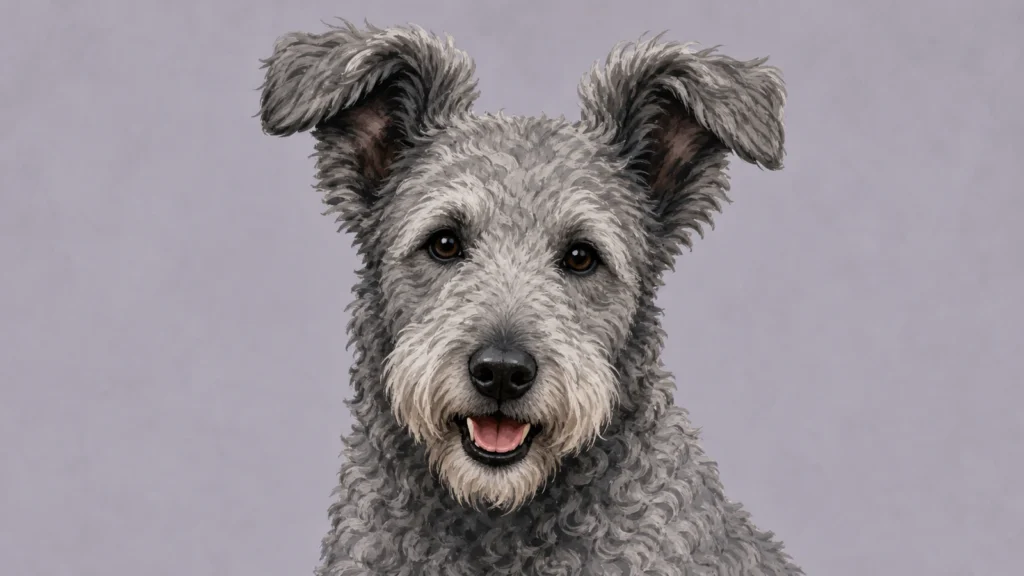
Pumis are well-suited for cold weather thanks to their thick, weather-resistant double coat of corkscrew curls. Originally bred for the Hungarian climate, their dense hair provides excellent insulation against chilly temperatures. However, owners should still monitor for signs of discomfort during extreme freezes and ensure they have a warm place to retreat after outdoor activities.
Cold weather tolerance: 8 / 10
Are Pumi banned in apartments or rentals?
Pumis are rarely subject to breed bans as they are not typically categorized as aggressive and their medium size usually falls within standard weight limits. However, their vocal nature and high energy levels may lead to noise or activity concerns in rental environments. Always verify individual landlord policies regarding barking and specific rental insurance requirements.
Rental restriction risk: 7 / 10
Vet Insights
Pumis are generally healthy and long-lived, but as a veterinarian, I recommend proactive screening for several hereditary conditions. We prioritize monitoring for hip and elbow dysplasia, as well as patellar luxation, to ensure long-term mobility. Genetic testing is essential for this breed to identify carriers of Degenerative Myelopathy (DM) and Primary Lens Luxation (PLL), which can lead to paralysis and blindness respectively. Additionally, Pumis are predisposed to dental disease, so establishing a daily teeth-brushing routine is critical to prevent systemic health complications. Maintaining a lean body weight is also vital to reduce stress on their joints and manage their high energy levels safely.