
Pumi Health and Costs
Breed Group
Herding Dogs
Country of Origin
Hungary
Breed Size
Medium
AKC Recognition
Yes, recognized in 2016
FCI Recognition
Yes, recognized in 1954
Rarity
Fairly Common4 / 10
Purchase cost
Moderate6 / 10
Life expectancy
Long Lifespan8 / 10
Health
Generally healthy7 / 10
Health problem risk
Mild health concerns3 / 10
Maintenance cost
Moderate upkeep cost4 / 10
A Veterinarian's Guide
Pumi Health Problems and Costs
The Pumi is a clever, curly-coated Hungarian herding dog with an enormous amount of energy for its size. It is generally sturdy, but a handful of issues repeat in the breed: hips, kneecaps, an inherited eye condition, a spinal cord disease, and teeth. Knowing them before you bring a puppy home, or while you already share your life with one, makes screening and vet visits much easier to plan.
In this guide
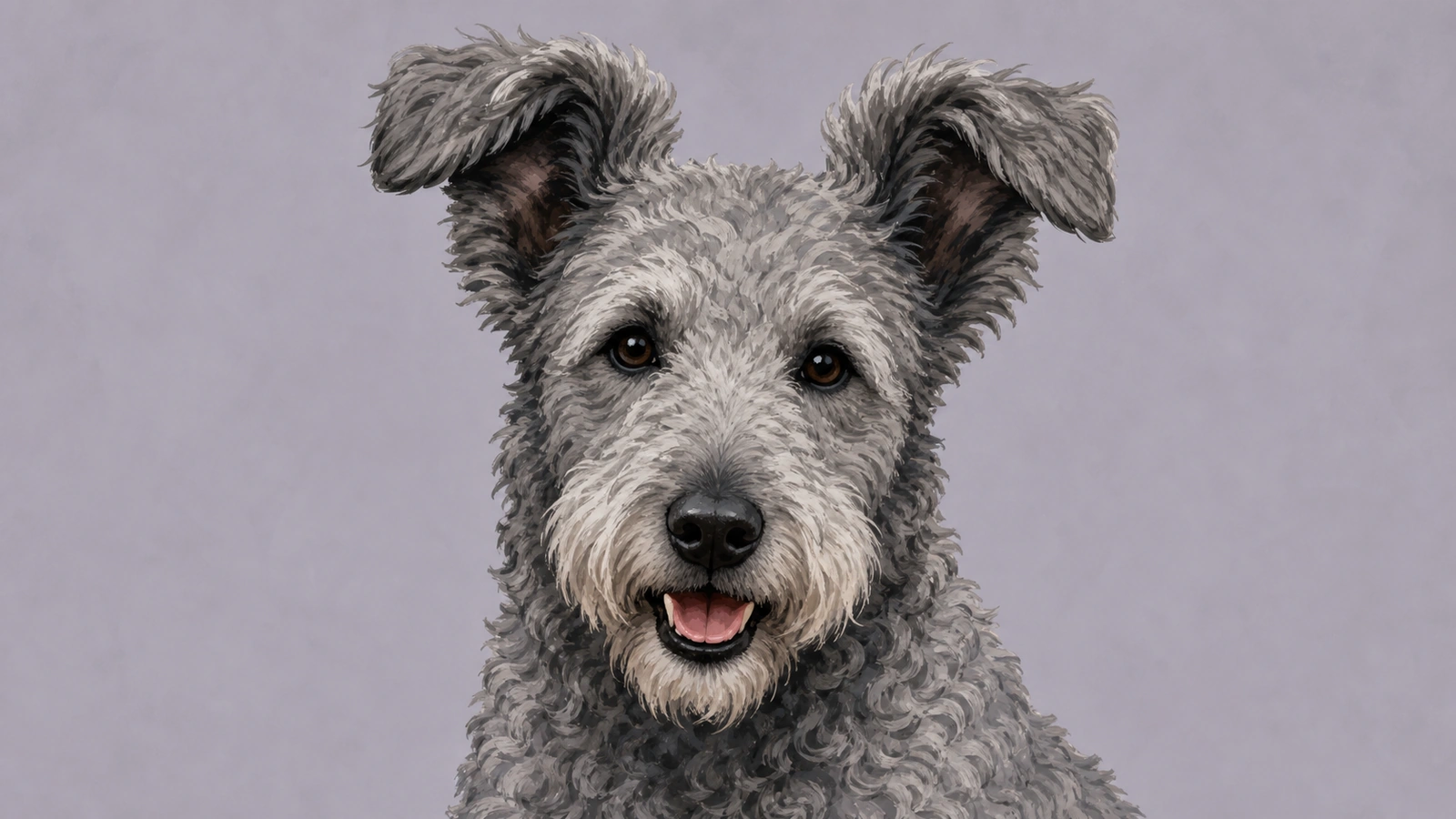
Why Do Vets Screen a Pumi's Hips and Kneecaps?
Hip dysplasia, an inherited malformation of the hip joint that leads to looseness, pain, and arthritis, is described on Wikipedia as probably the most common health problem specific to the breed. It rarely announces itself loudly at first. A dog may just seem a little stiff after a long day, or slow to rise from a nap, which is why a formal evaluation beats waiting for visible signs.
Patellar luxation, a kneecap that slips out of its groove, is the other joint concern. VCA Hospitals explains that it is graded from I to IV and that a mild grade I knee may not need surgery, while recurrent or persistent lameness usually does. The AKC herding group health testing page lists both a hip evaluation and a patella evaluation for the breed.
Weight matters here more than owners expect. A Pumi carrying extra pounds puts added strain on joints that may already have a structural weakness, so a lean body is one of the best protections you can give.
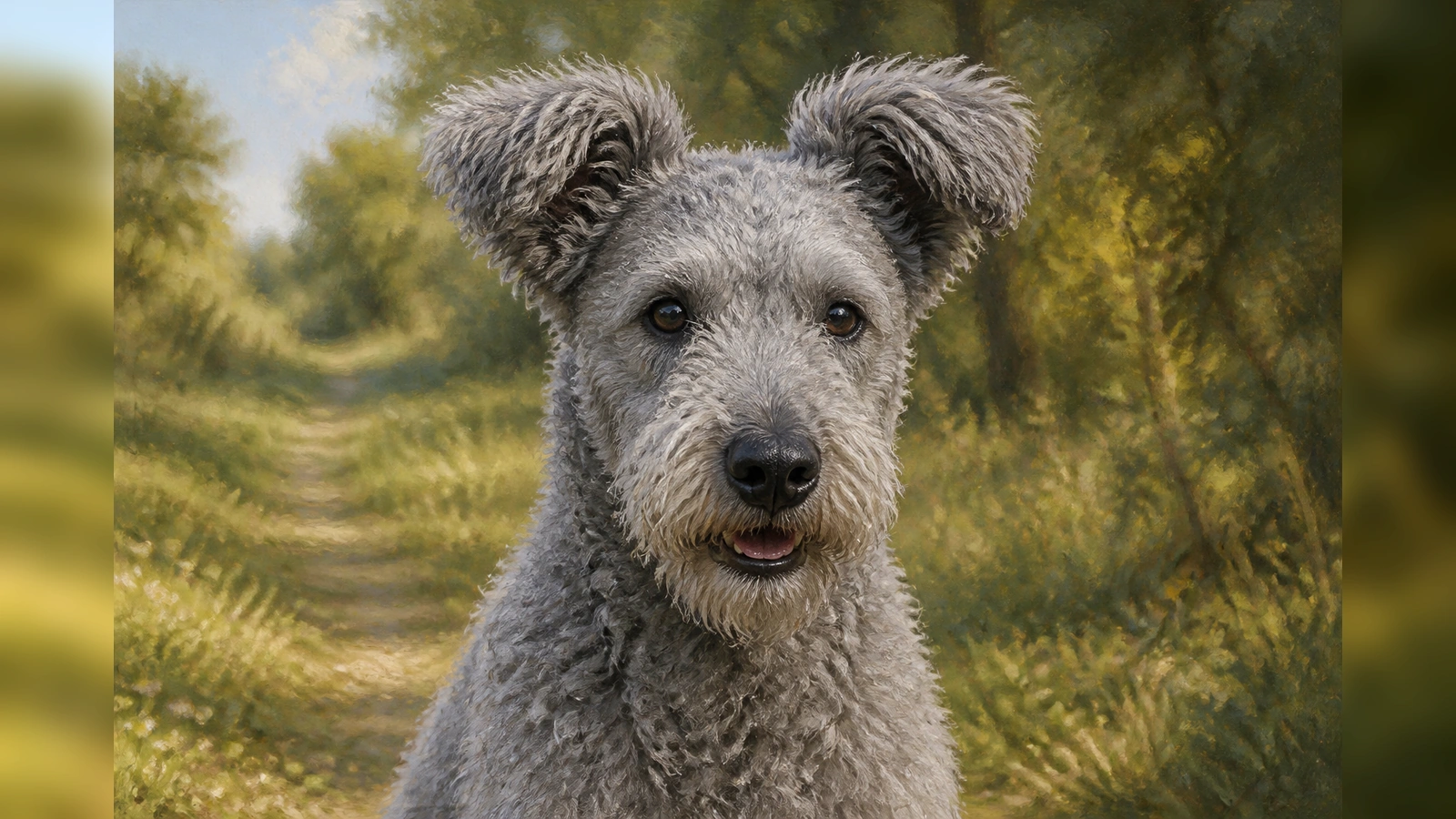
What Is Degenerative Myelopathy, and Should Owners Worry?
Degenerative myelopathy, or DM, is an incurable, progressive disease of the spinal cord that Wikipedia says usually appears after about age seven. Myelopathy comes from the Greek myelos, "marrow," and pathos, "suffering," and it describes disease of the spinal cord itself rather than the discs around it. The nerves that control the back legs gradually break down, so weakness slowly spreads from the hind end.
There is no cure, but the AKC lists a DM DNA test as recommended for the breed, and it lets breeders avoid pairings that could produce affected puppies. Supportive care and physical therapy can help a diagnosed dog stay comfortable and mobile for longer, though they do not stop the underlying nerve loss.
- 01
Dragging back paws
Scuffing or knuckling the toes of the hind feet on walks.
- 02
Wobbly hind end
Swaying, stumbling, or crossing the back legs.
- 03
Trouble rising
Slow or unsteady standing up from lying down.
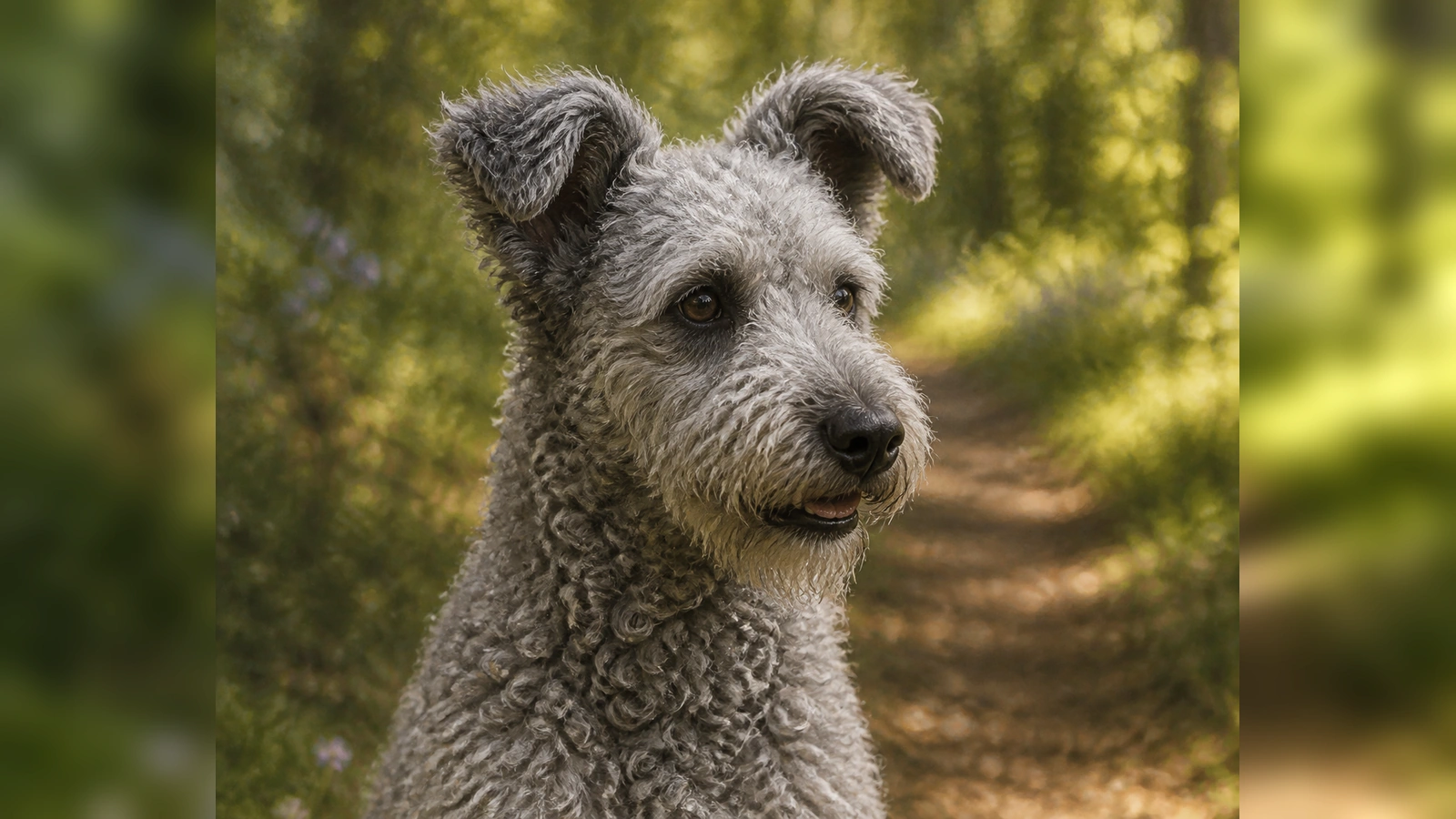
What Eye Emergency Should Every Pumi Owner Recognize?
A Pumi with a sudden red, painful, or squinting eye needs veterinary care the same day. This is not a wait-and-see situation.
Primary lens luxation, or PLL, is an inherited condition in which the fibers holding the eye's lens in place weaken and let it slip out of position. A lens that moves forward can block the eye's fluid drainage and cause glaucoma, a painful rise in pressure inside the eye. VCA Hospitals notes that prompt treatment usually preserves reasonably good vision, while vision prospects drop the longer a lens stays displaced.
A DNA test for PLL is listed by the AKC as recommended for the breed, and Wikipedia reports that roughly one in eight tested US Pumis was a carrier, so asking about it before buying a puppy is well worth the conversation.
Why Does Dental Care Deserve Daily Attention?
Small jaws crowd a full set of teeth into limited space, and small and medium dogs are prone to periodontal disease, infection and inflammation of the structures around the teeth. VCA Hospitals reports that most dogs over age three already have some degree of it, and many show few obvious signs.
A soft brush and dog-safe toothpaste, used most days, slows the process considerably. A professional cleaning under anesthesia still handles tartar below the gumline that a toothbrush cannot reach, and your veterinarian can tell you how often your dog needs one.
What Does Managing a Pumi's Health Actually Cost?
| Condition or Need | Typical Cost Range | Notes |
|---|---|---|
| Hip radiographs (certified) | $250 to $450 | Evaluation for breeding stock |
| Patellar luxation surgery | $1,500 to $3,000 per knee | Moderate to severe grades |
| DM genetic test | $65 to $85 | One-time, ideally before breeding |
| Emergency lens luxation treatment | $1,500 to $4,000+ | May include eye removal |
| Professional dental cleaning | $300 to $600 | Frequency set by your vet |
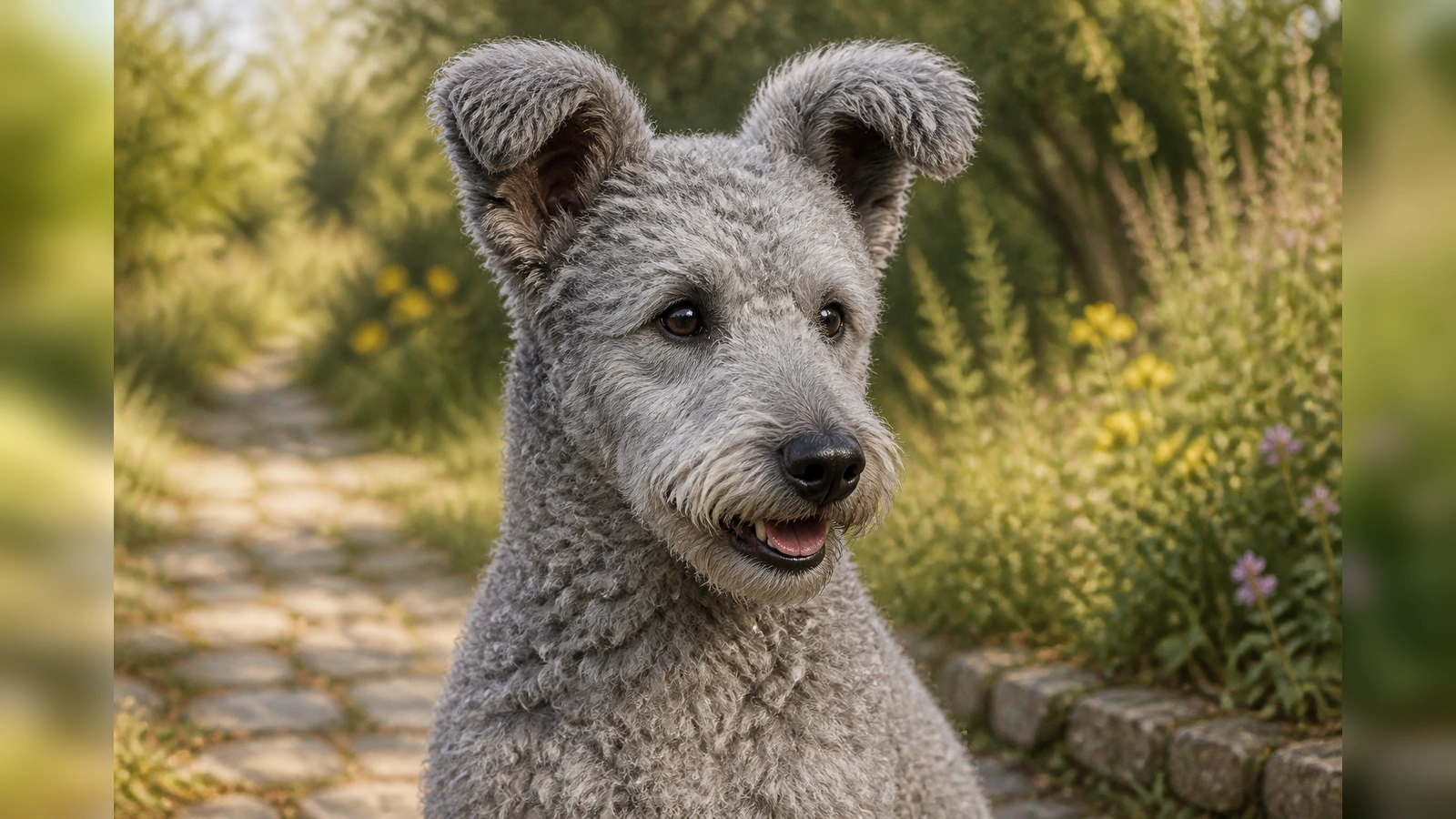
Questions to Ask a Breeder Before Bringing a Puppy Home
Ask to see hip and patella evaluations for both parents, along with PLL and DM DNA test results, which are the four tests the breed club recommends. A breeder who cannot produce these documents, or who dismisses the request, is not one to work with regardless of how healthy the litter looks.
It also helps to ask how the breeder's older dogs are doing at ten or twelve years old. Longevity in a line tells you something health certificates alone cannot.
Daily Life With a Pumi
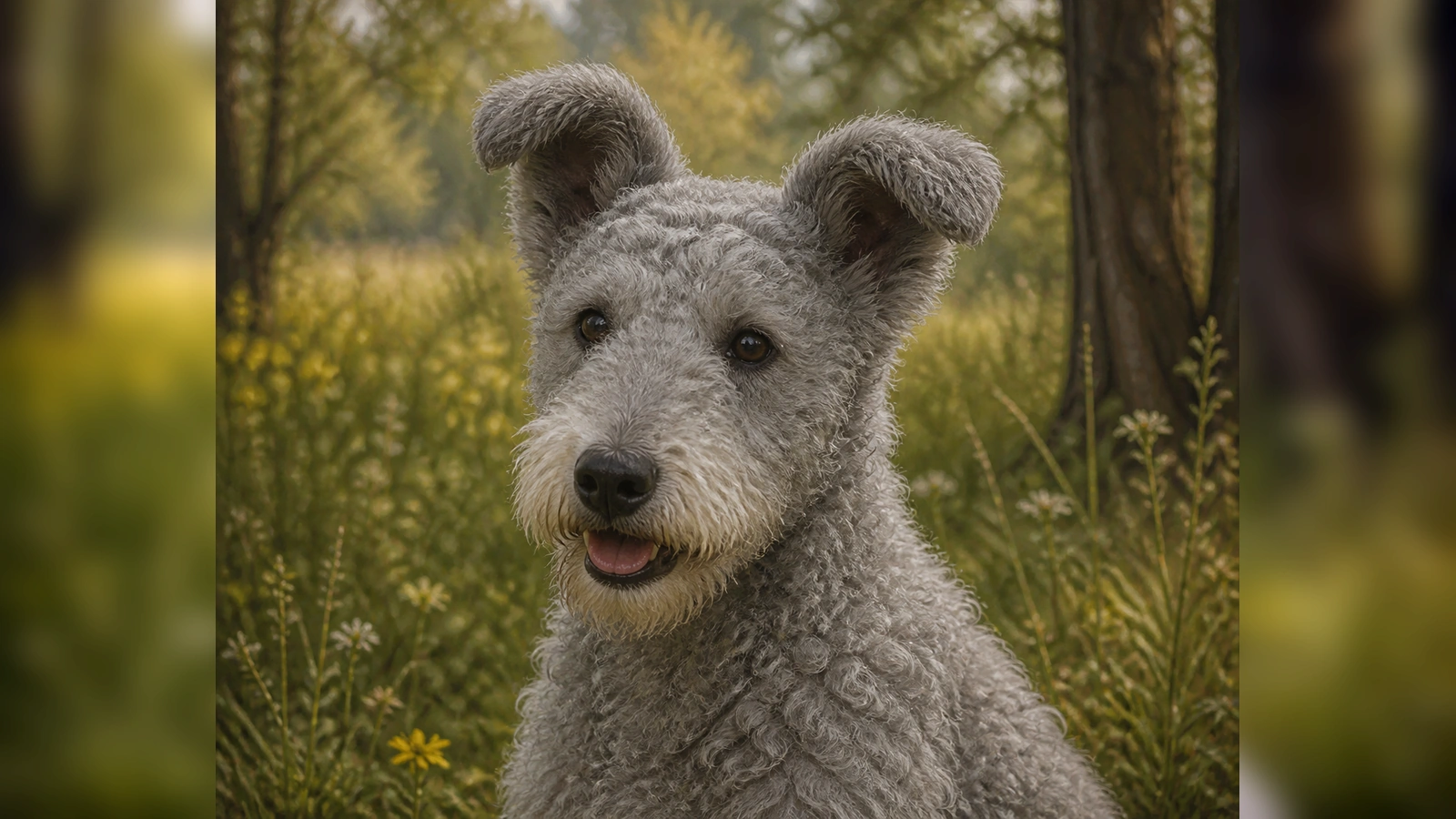
The breed developed on Hungarian farms as an all-purpose herder that moved livestock and made independent decisions. Wikipedia describes the Pumi as alert, lively, bold, and intelligent, and the personality profile explains what that means at home. A bored Pumi tends to invent its own jobs, such as barking at passing cars or herding the household cat, so daily exercise and early training matter a great deal.
The curly double coat sheds little but needs regular combing and periodic trimming to prevent matting, as the grooming guide explains.
Keeping Your Pumi Healthy for the Long Run
Start brushing teeth in puppyhood, before the habit feels optional. Keep hips and kneecaps on your veterinarian's checklist at routine exams, and treat sudden eye redness or squinting as an emergency rather than something to watch overnight. Pet insurance is worth pricing while your dog is young, given how costly an emergency lens luxation can be.
Final Thoughts From a Veterinarian
Pumis often live 12 to 14 years. Treat a sudden red, squinting eye as a same-day emergency, brush teeth daily, and ask breeders for hip, kneecap, PLL and DM results. Your veterinarian can tailor the plan.
Health & Costs FAQ
How much do Pumi cost?
The cost of a Pumi typically ranges from $1,500 to $3,000 when purchased from a reputable breeder. Adoption offers a more affordable alternative, generally costing between $50 and $300. Owners should also budget for initial supplies, vaccinations, and high-quality nutrition to support this active breed.
Purchase cost: 6 / 10
How long do Pumi live?
Pumis typically live 12 to 14 years. A lean weight, daily exercise, daily tooth care, and routine veterinary checkups that include hips and kneecaps help them stay active into their senior years.
Life expectancy: 8 / 10
Are Pumi healthy dogs?
Pumis are generally sturdy dogs that often live 12 to 14 years, but a few inherited conditions occur in the breed. The AKC lists hip and patella evaluations plus DNA tests for primary lens luxation and degenerative myelopathy. Responsible owners prioritize regular veterinary screenings and ask breeders for these results.
Health: 7 / 10
What health problems do Pumi have?
Pumis can develop hip dysplasia, patellar luxation, primary lens luxation, and degenerative myelopathy. Dental disease is also common in small and medium dogs. A sudden red, painful, or squinting eye needs a veterinarian the same day, and hip, kneecap, and DNA screening catches many issues early.
Health problem risk: 3 / 10
Are Pumi expensive to maintain?
Pumis have moderate maintenance costs. The curly coat sheds little but needs regular combing and periodic trimming, and an active herding dog needs good nutrition. Budget for screening and for possible joint or eye care, since those are the larger bills this breed can face.
Maintenance cost: 4 / 10
How much does it cost to own a Pumi per month?
Expect to spend between $200 and $250 per month to own a Pumi. This budget covers high-quality nutrition, routine veterinary check-ups, and grooming essentials. Setting funds aside, or pricing pet insurance, helps manage possible joint or eye problems.
Monthly ownership cost: 4 / 10
How much does pet insurance cost for a Pumi?
Pet insurance for a Pumi typically costs between $30 and $60 per month. A plan is worth pricing while your dog is young, since kneecap surgery or an emergency lens luxation can cost thousands of dollars.
Pet insurance cost: 3 / 10
Will homeowners insurance cover a Pumi?
Yes, most homeowners insurance policies cover Pumis, as they are not typically found on restricted breed lists. As a medium-sized herding breed, they are generally viewed as low-risk. However, always disclose your Pumi to your insurer to ensure your liability coverage remains fully active.
Homeowners insurance difficulty: 9 / 10
Are Pumi on insurance restricted breed lists?
No, Pumis are not typically found on insurance restricted breed lists. These lists generally focus on larger breeds perceived as higher liability risks. As a medium-sized herding dog, the Pumi is usually considered low-risk, allowing owners to secure standard homeowners or renters insurance coverage without facing common breed-specific exclusions.
Insurance restriction risk: 2 / 10
Can you get renters insurance with a Pumi?
Yes, you can typically get renters insurance with a Pumi. They are rarely included on restricted breed lists due to their medium size and non-aggressive reputation. Most policies provide standard liability coverage, but always disclose your pet to your insurer and confirm any specific rules in your lease agreement.
Renters insurance difficulty: 8 / 10