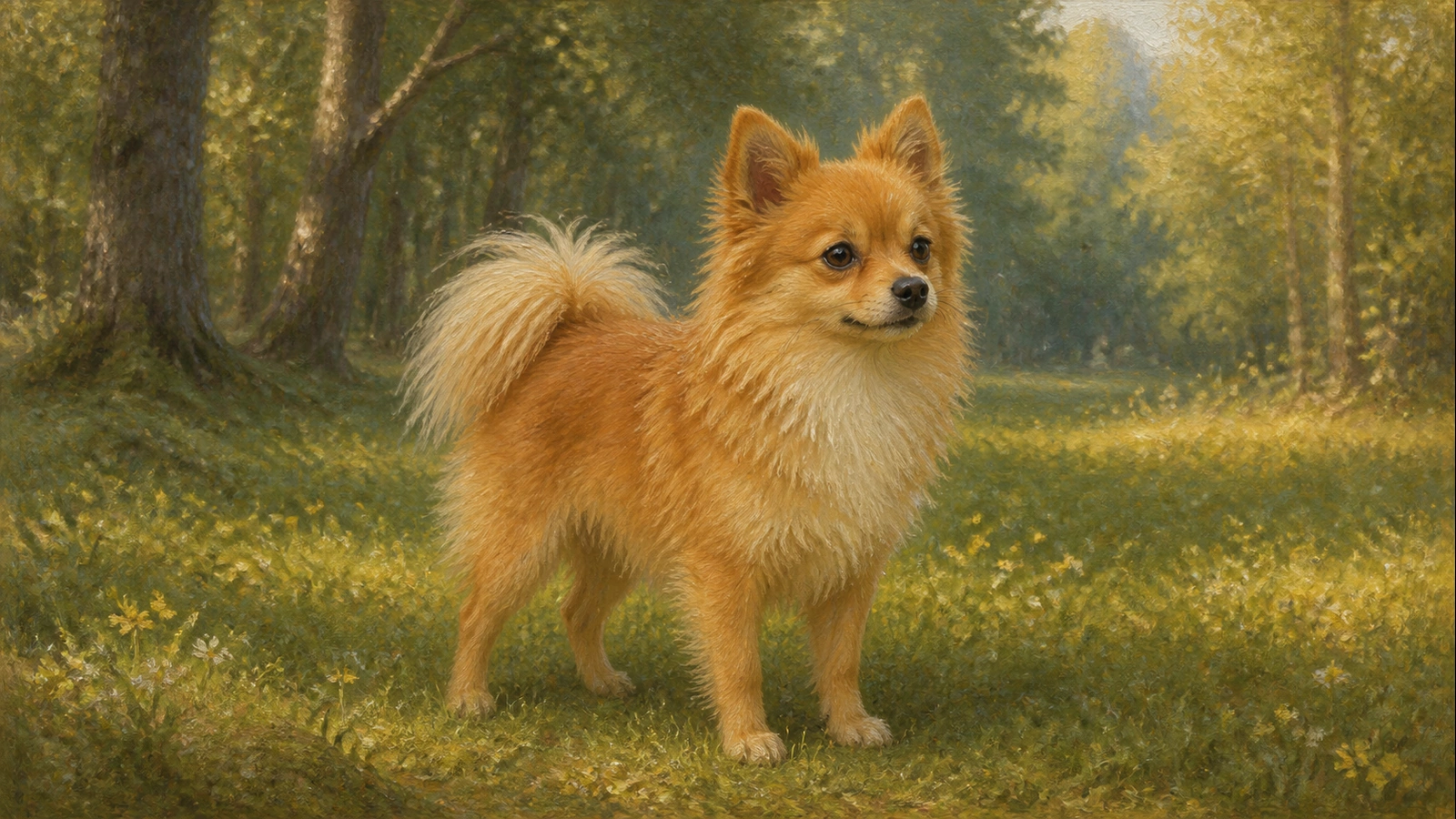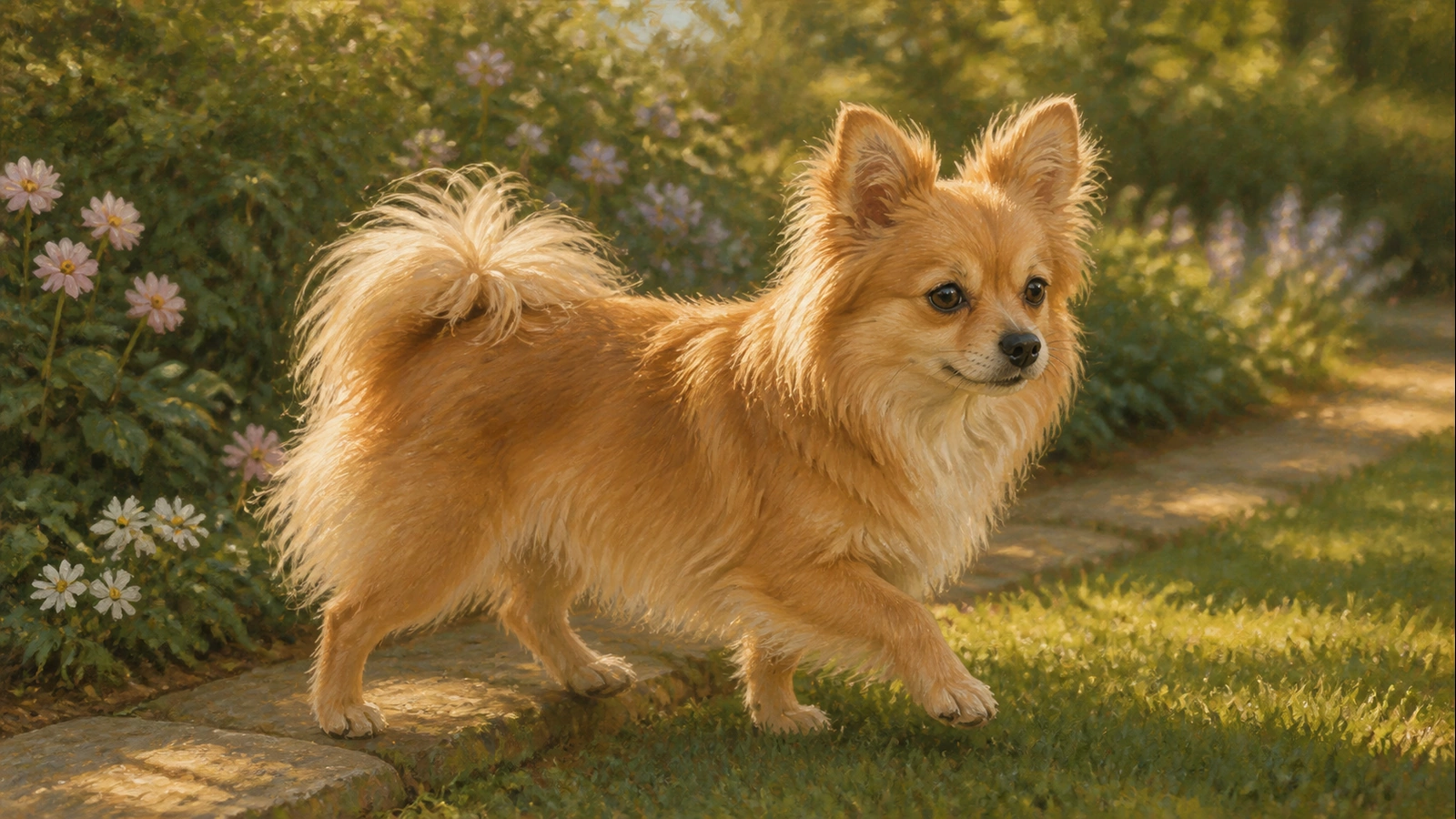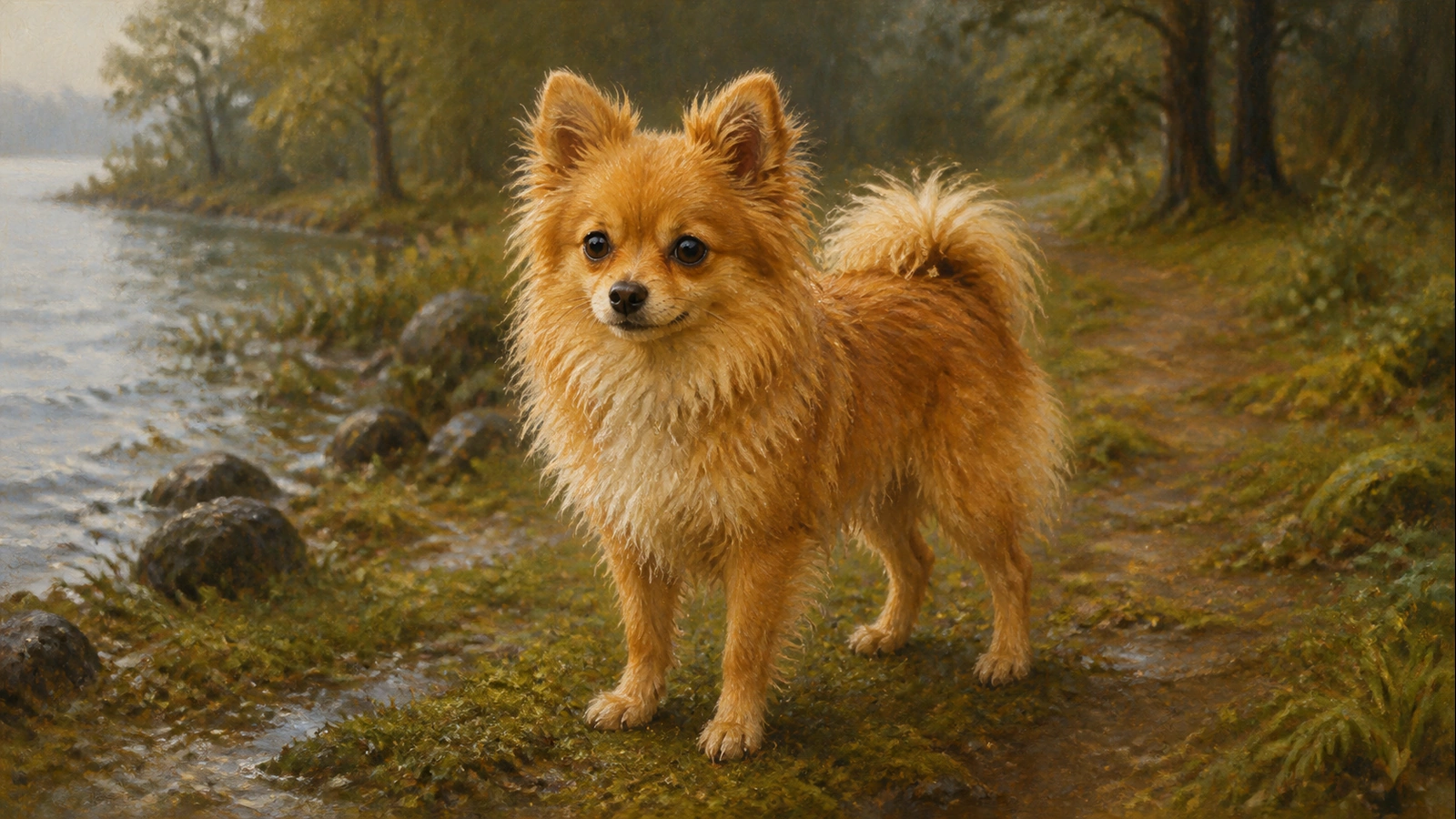
Pomchi - MAIN HUB
BREED GROUP
Hybrid Dogs
Country of origin
United States
BREED SIZE
Toy
BREED HEIGHT
6 -
9 IN
15 -
23 cm
BREED WEIGHT
3 -
12 LB
1 -
5 KG
WHAT YOU NEED TO KNOW
american kennel club (AKC) recognition
No
Breed was recognized in 0.

International Canine Federation (FCI) recognition
No
Breed was recognized in 0.
WHAT DO OWNERS WANT TO KNOW?
Are Pomchis good family dogs?
Poor
2 out of 10
Pomchis are affectionate and loyal companions that can be wonderful additions to a household. However, due to their tiny frame and fragile size, they are best suited for families with older children who can handle them gently.

Are Pomchis good with kids?

Not Recommended
2 out of 10
Pomchis are generally not recommended for families with young children due to their tiny, fragile stature, which makes them highly susceptible to injury from rough or accidental play. While they are affectionate and loyal, they may also snap or react defensively if they feel threatened or if their boundaries are pushed. They are best suited for households with older, respectful children who understand how to handle small dogs with care and patience.
Are Pomchis good dogs for first time owners?
Poor
2 out of 10
Pomchis are generally suitable for first-time owners due to their affectionate nature and adaptability to small living spaces. While they are intelligent and loyal companions, prospective owners must be prepared to provide consistent training and early socialization to manage their vocal tendencies and ensure they are handled gently due to their fragile size.
Are Pomchis good apartment dogs?
Great
8 out of 10
Pomchis are great apartment dogs due to their tiny size and minimal exercise requirements. They thrive in small living spaces and can meet most of their activity needs through indoor play and short daily walks. While their vocal nature requires consistent training to manage barking, their loyal and affectionate personality makes them ideal companions for city dwellers.
Do Pomchis need a yard?
Rarely Needed
9 out of 10
A yard is not strictly required for a Pomchi, as their tiny size and low exercise needs make them exceptionally well-suited for apartment living. While they enjoy supervised time in a secure outdoor space, their daily activity requirements can be easily met through short indoor play sessions and brief walks. Owners must ensure any yard is escape-proof and that these fragile dogs are never left unattended outdoors.
Can Pomchis be left at home alone?
Not Recommended
1 out of 10
Pomchis are highly social and bond intensely with their owners, making them prone to separation anxiety if left alone for extended periods. They thrive on companionship and may develop destructive habits or vocalize excessively when isolated, so they are best suited for households where someone is home most of the day.
Do Pomchis tolerate cats well?
Poor
2 out of 10
Pomchis can coexist with cats, but their interactions are often influenced by the bold and high-strung nature of their parent breeds. While they can form friendly bonds, their small size and spirited personality may lead to chasing or bossy behavior that requires supervision. Success typically depends on early socialization and a gradual introduction to ensure both pets feel secure.
Are Pomchis known to be aggressive?
Reserved
3 out of 10
Pomchis are not naturally aggressive but are spirited, alert, and protective companions. While they are affectionate and loyal to their families, they can be reserved or wary around strangers and may display feistiness or stubbornness if not properly socialized. To prevent defensive behaviors like snapping or excessive barking, it is essential to provide early socialization and consistent, positive reinforcement training.
Do Pomchis have a lot of energy?
Very Low
2 out of 10
Pomchis have low to moderate energy levels, packing a spirited and playful personality into a tiny frame. While they enjoy short daily walks and indoor games, their small size means they tire quickly and are well-suited for apartment living. A brief outing or a few minutes of active play are typically sufficient to keep these affectionate companions happy and healthy.
How much exercise do Pomchis need?
~30 min a day
2 out of 10
Pomchis require about 30 minutes of moderate exercise daily, which can be achieved through short walks and indoor play sessions. Because of their tiny frame and parent breeds' sensitivity, they are prone to overheating and joint strain, making multiple brief outings better than one long walk. Incorporating mental stimulation like puzzle toys and training helps prevent boredom and excessive barking in these spirited companions.
Do Pomchis tolerate hot weather well?
Fair
7 out of 10
Pomchis can live in hot weather but require significant care because both parent breeds, the Pomeranian and Chihuahua, are sensitive to heat. Their small size and the Pomeranian's thick double coat make them prone to overheating and heatstroke. Owners should provide constant access to shade and fresh water, utilize air conditioning indoors, and limit outdoor exercise to the cooler morning or evening hours. It is critical never to shave their coat, as it provides natural insulation, and to avoid hot pavement that can burn their paws.
Are Pomchis good with cold weather?
Fair
7 out of 10
Pomchis can live in hot weather but require significant care because both parent breeds, the Pomeranian and Chihuahua, are sensitive to heat. Their small size and the Pomeranian's thick double coat make them prone to overheating and heatstroke. Owners should provide constant access to shade and fresh water, utilize air conditioning indoors, and limit outdoor exercise to the cooler morning or evening hours. It is critical never to shave their coat, as it provides natural insulation, and to avoid hot pavement that can burn their paws.
Are Pomchis sometimes banned from rentals?
Rarely Banned
8 out of 10
Pomchis are rarely subject to breed bans, as their tiny size typically falls well within standard apartment weight limits. They are widely considered ideal for city living due to their minimal space requirements and low exercise needs. However, their tendency to bark can lead to noise complaints, so owners should verify specific rental policies regarding noise and general pet deposits or insurance requirements.
WHAT DO OWNERS WANT TO KNOW?