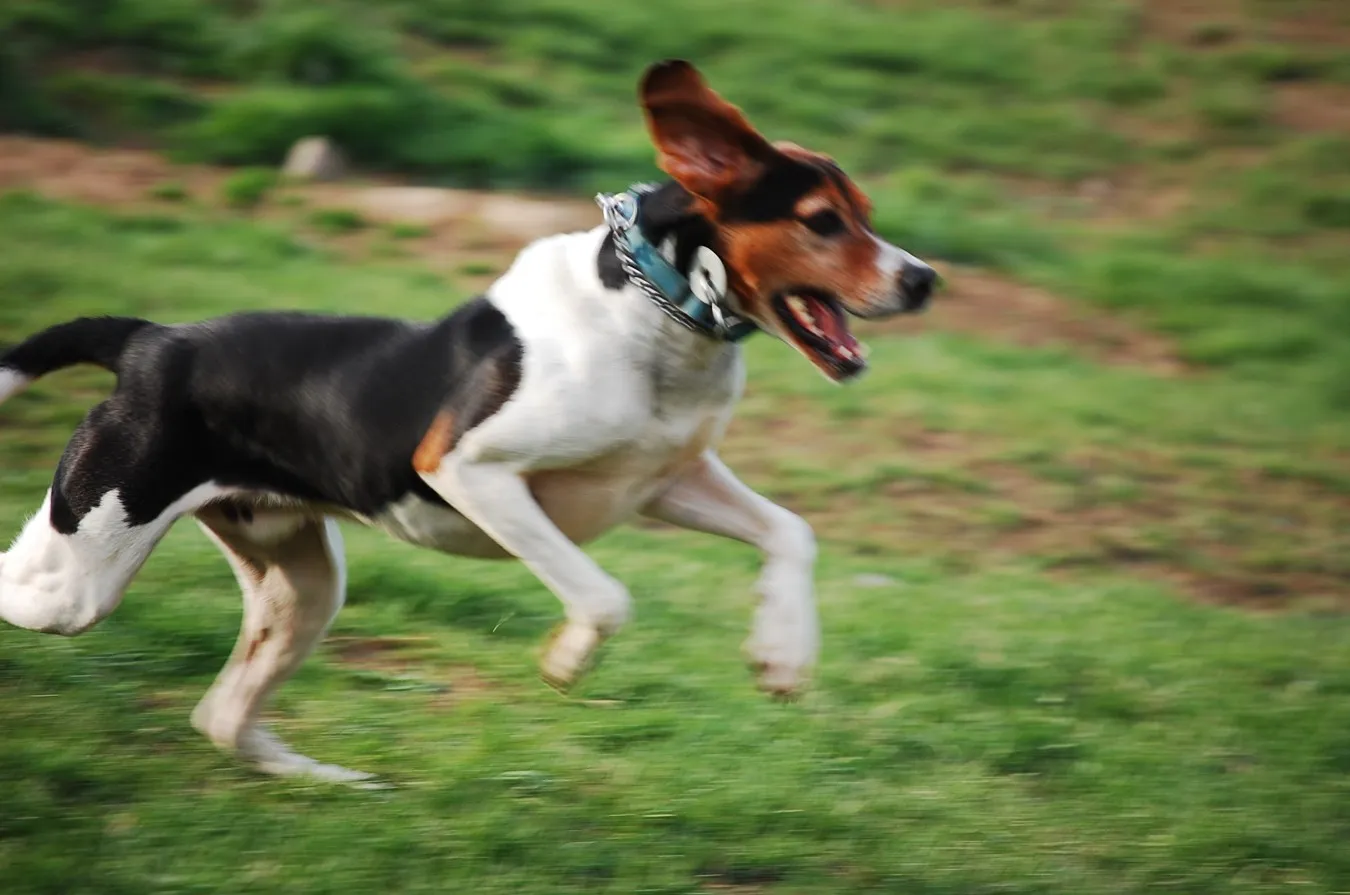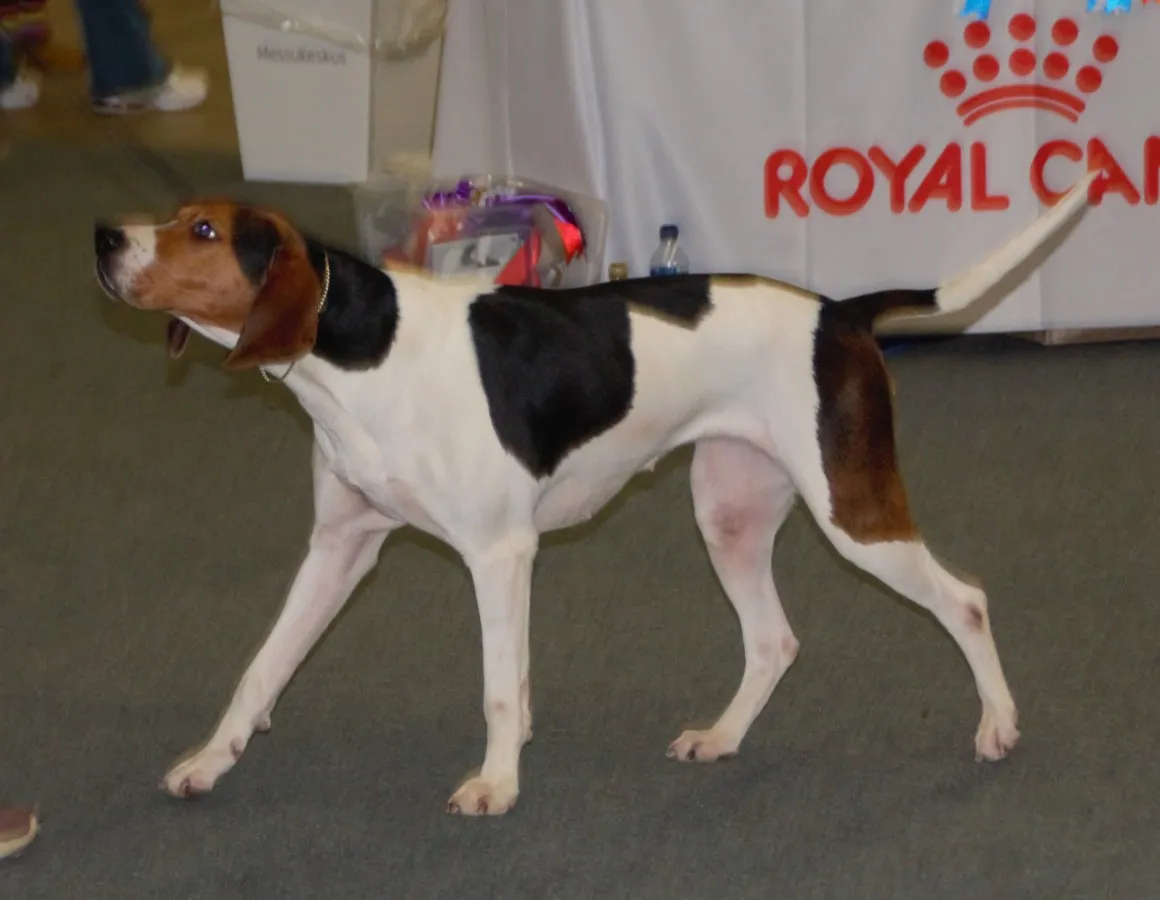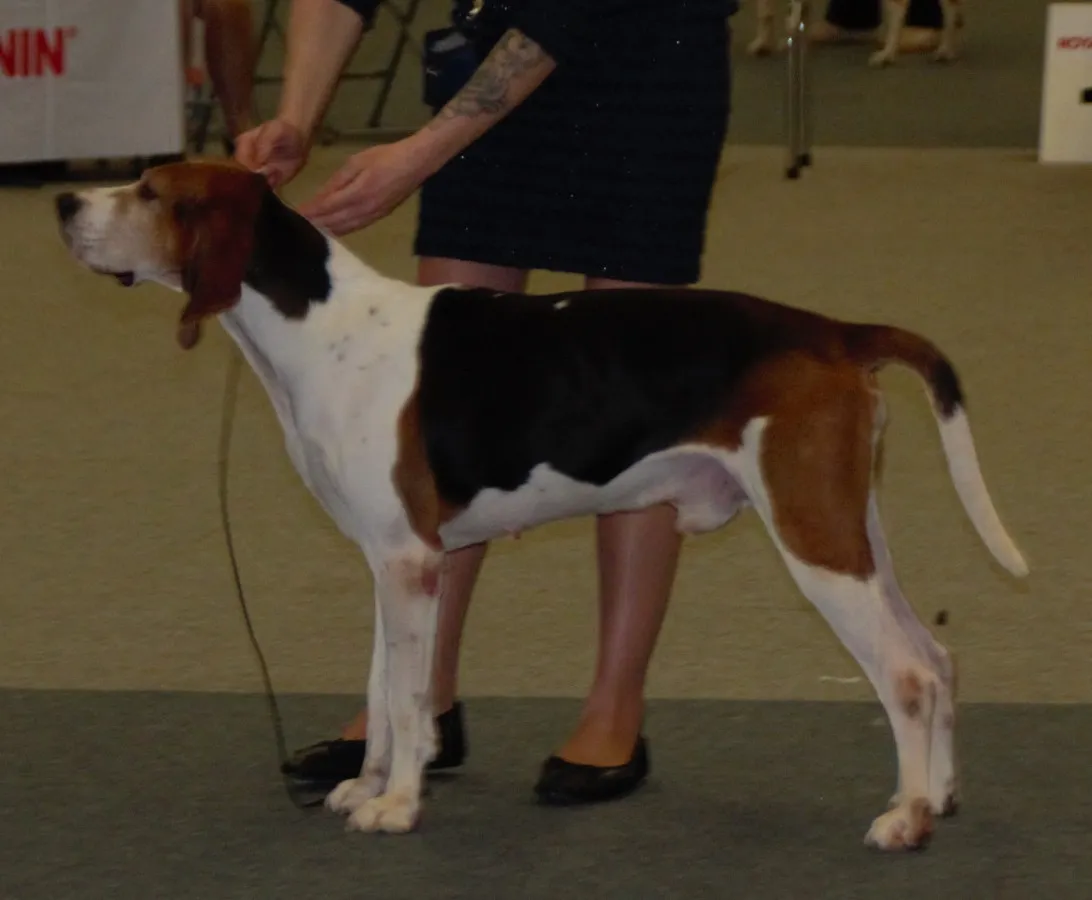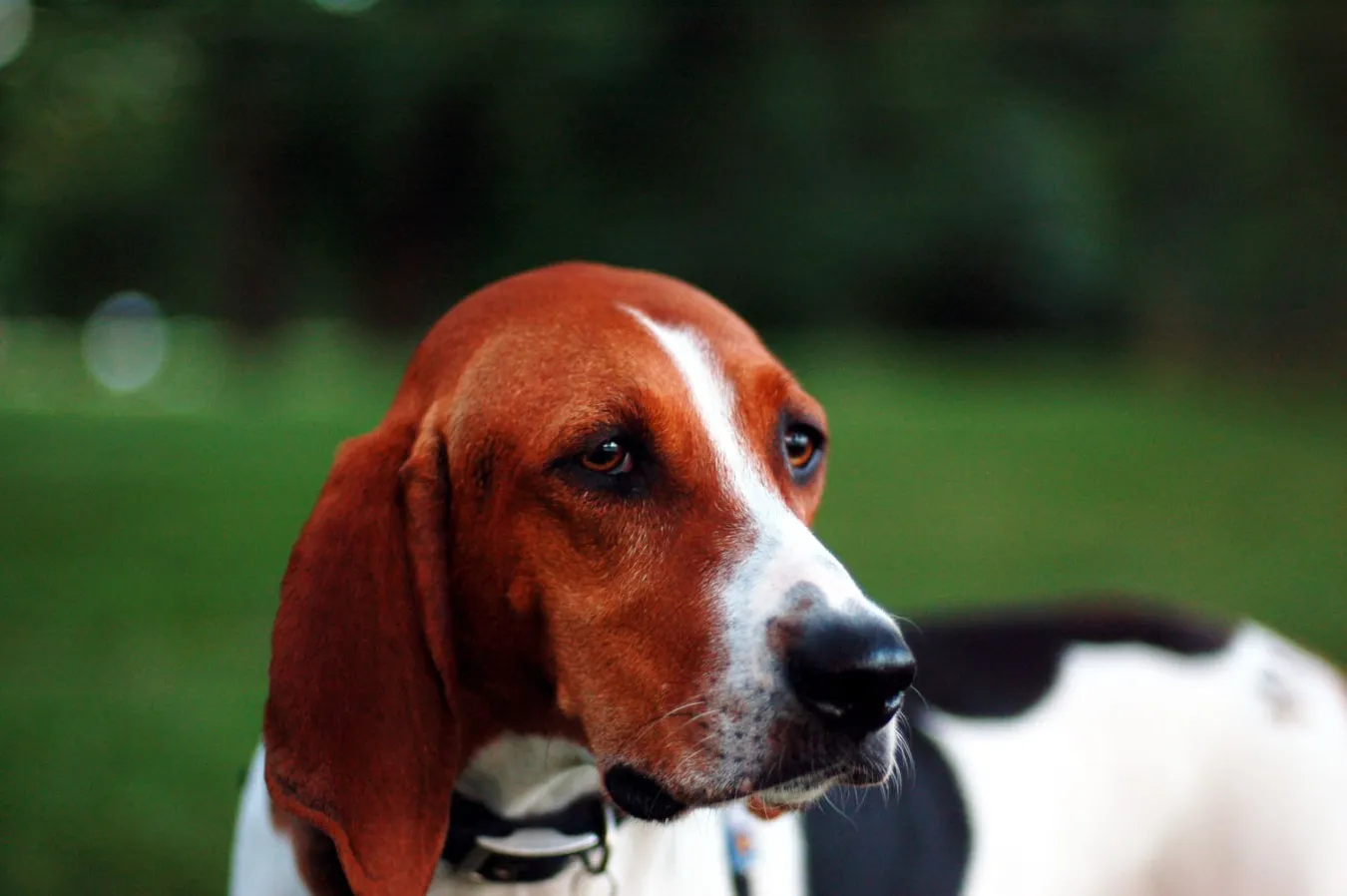
Treeing Walker Coonhound
BREED GROUP
Hound Dogs
Country of origin
United States
BREED SIZE
Large
BREED HEIGHT
20 -
27 IN
51 -
69 cm
BREED WEIGHT
50 -
70 LB
23 -
32 KG
WHAT YOU NEED TO KNOW
american kennel club (AKC) recognition
Yes
Breed was recognized in 2012.

International Canine Federation (FCI) recognition
No
Breed was recognized in 0.
WHAT DO OWNERS WANT TO KNOW?
Are Treeing Walker Coonhounds good family dogs?
Above Average
6 out of 10
Treeing Walker Coonhounds are excellent family dogs for active households, as they are affectionate, mellow companions that bond strongly with their owners. While they are patient and gentle with children, they require significant daily exercise and mental stimulation to prevent destructive behaviors.
Are Treeing Walker Coonhounds good with kids?
Average
6 out of 10
While they are playful with children, they are better suited for families with older children rather than children of all ages due to their high energy and size.


Are Treeing Walker Coonhounds good dogs for first time owners?
Good
6 out of 10
Treeing Walker Coonhounds are generally best suited for experienced owners or highly active, dedicated novices due to their exceptionally high energy and strong prey drive. While they are affectionate and loyal, their independent streak and tendency for selective hearing require consistent, patient training. Prospective owners must be prepared to provide significant daily physical and mental stimulation to prevent boredom-induced destructive behaviors.
Are Treeing Walker Coonhounds good apartment dogs?
Not Recommended
1 out of 10
Treeing Walker Coonhounds are not ideal for apartment living due to their exceptionally high energy levels, need for vigorous daily exercise, and tendency for loud, frequent baying. They thrive best in homes with large, securely fenced yards where they can burn off steam. Without significant physical and mental stimulation, they are prone to destructive behaviors and noise that may disturb neighbors.
Do Treeing Walker Coonhounds need a yard?
Highly Recommended
9 out of 10
Treeing Walker Coonhounds are high-energy athletes that thrive with access to a large, securely fenced yard where they can run and explore safely. While they are mellow indoors if their substantial exercise needs are met, a yard is highly recommended to accommodate their need for vigorous activity and to prevent boredom-induced destructive behaviors or excessive baying. Owners must ensure fencing is secure, as they are capable of climbing to follow a scent.
Can Treeing Walker Coonhounds be left at home alone?
Poor
2 out of 10
Treeing Walker Coonhounds are highly social and thrive on human interaction, making them prone to boredom and separation anxiety if left alone for long periods. They are best suited for households where someone is home most of the day, as isolation often leads to destructive behaviors and excessive baying. If they must be left alone, they require significant physical exercise and mental stimulation beforehand to help them settle.
Do Treeing Walker Coonhounds tolerate cats well?
Very Good
7 out of 10
While they can be socialized, they are often considered a danger to cats due to an exceptionally high prey drive.
Are Treeing Walker Coonhounds known to be aggressive?
Calm
8 out of 10
Treeing Walker Coonhounds are not naturally aggressive and are known for their cheerful, sociable, and even-tempered nature. While they possess a strong competitive spirit and intense drive when hunting, they are typically friendly toward humans and other dogs. Any unwanted behaviors usually result from a lack of socialization or insufficient exercise, rather than inherent aggression.
Do Treeing Walker Coonhounds have a lot of energy?
Very High
9 out of 10
Treeing Walker Coonhounds are exceptionally high-energy dogs that require significant daily exercise and mental stimulation to thrive. Originally bred for long-distance tracking and treeing, they possess incredible stamina and a tireless work ethic. Without at least one to two hours of vigorous activity, such as running, hiking, or scent games, they can quickly become bored and develop destructive behaviors like chewing or excessive baying.
How much exercise do Treeing Walker Coonhounds need?
~90 min a day
8 out of 10
Treeing Walker Coonhounds are high-energy athletes that require at least 60 to 120 minutes of vigorous daily exercise, such as running, hiking, or long walks. Incorporating mental stimulation through scent games and interactive play is essential to satisfy their hunting instincts and prevent the destructive behaviors associated with boredom.
Do Treeing Walker Coonhounds tolerate hot weather well?
Great
8 out of 10
Treeing Walker Coonhounds generally tolerate warm weather well due to their short, thin coats, but they are still susceptible to overheating during intense physical activity. Owners should provide constant access to shade and fresh water, and limit vigorous exercise or hunting sessions to the cooler parts of the day. Because they lack a thick undercoat for insulation, it is important to monitor for signs of heat stress, such as excessive panting or lethargy, when temperatures rise above 80°F.
Are Treeing Walker Coonhounds good with cold weather?
Great
8 out of 10
Treeing Walker Coonhounds generally tolerate warm weather well due to their short, thin coats, but they are still susceptible to overheating during intense physical activity. Owners should provide constant access to shade and fresh water, and limit vigorous exercise or hunting sessions to the cooler parts of the day. Because they lack a thick undercoat for insulation, it is important to monitor for signs of heat stress, such as excessive panting or lethargy, when temperatures rise above 80°F.
Are Treeing Walker Coonhounds sometimes banned from rentals?
Often Restricted
4 out of 10
Treeing Walker Coonhounds are rarely subject to specific breed bans but are often restricted in apartments due to their large size and loud, frequent baying. Their intense exercise requirements and vocal nature make them challenging for urban living and close neighbors. Prospective renters should carefully review landlord policies regarding weight limits and noise ordinances to ensure this athletic breed is permitted in a rental environment.
WHAT DO OWNERS WANT TO KNOW?