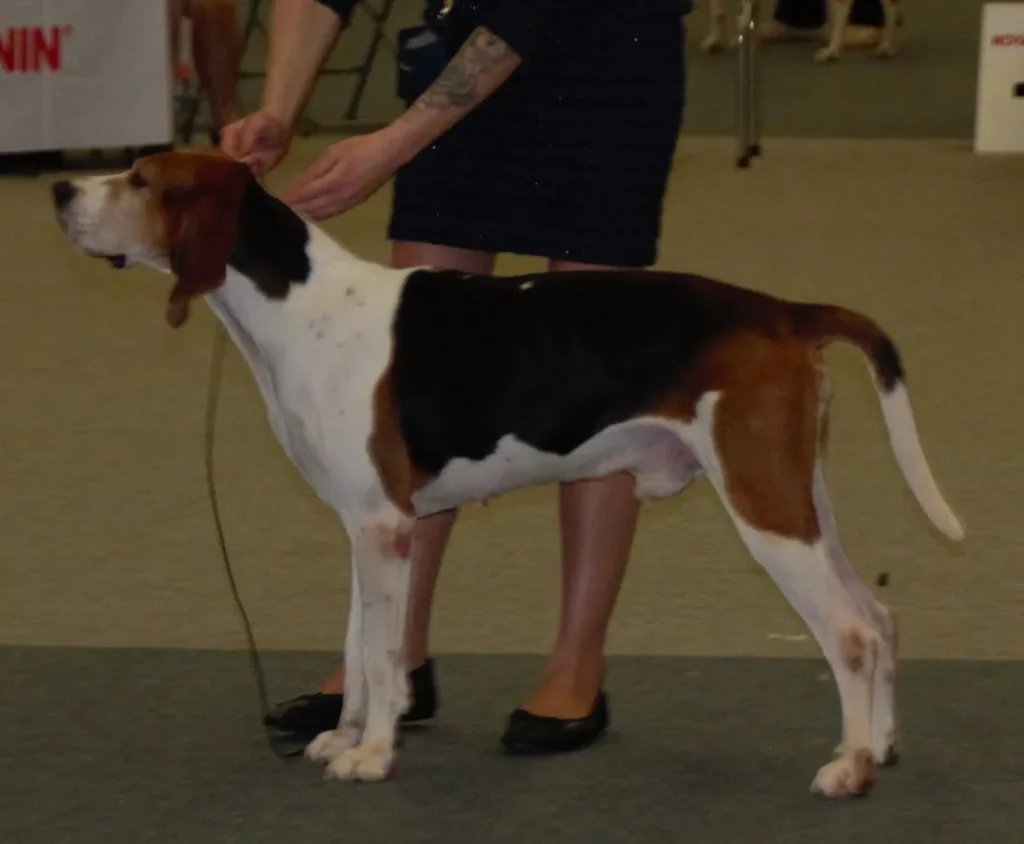
Treeing Walker Coonhound Health and Costs
Breed Group
Hound Dogs
Country of Origin
United States
Breed Size
Large
AKC Recognition
Yes, recognized in 2012
FCI Recognition
No
Rarity
Fairly Common4 / 10
Purchase cost
Affordable4 / 10
Life expectancy
Moderate Lifespan6 / 10
Health
Generally healthy7 / 10
Health problem risk
Moderate health concerns4 / 10
Maintenance cost
Moderate upkeep cost4 / 10
A Veterinarian's Guide
Treeing Walker Coonhound Health Problems and Costs
The Treeing Walker Coonhound is an athletic, deep-chested scent hound bred to track raccoons over long distances. It is usually a hardy dog, but its build, long ears and hunting lifestyle bring a few predictable risks. This guide explains what to watch for, what to ask a breeder and what to budget.
In this guide
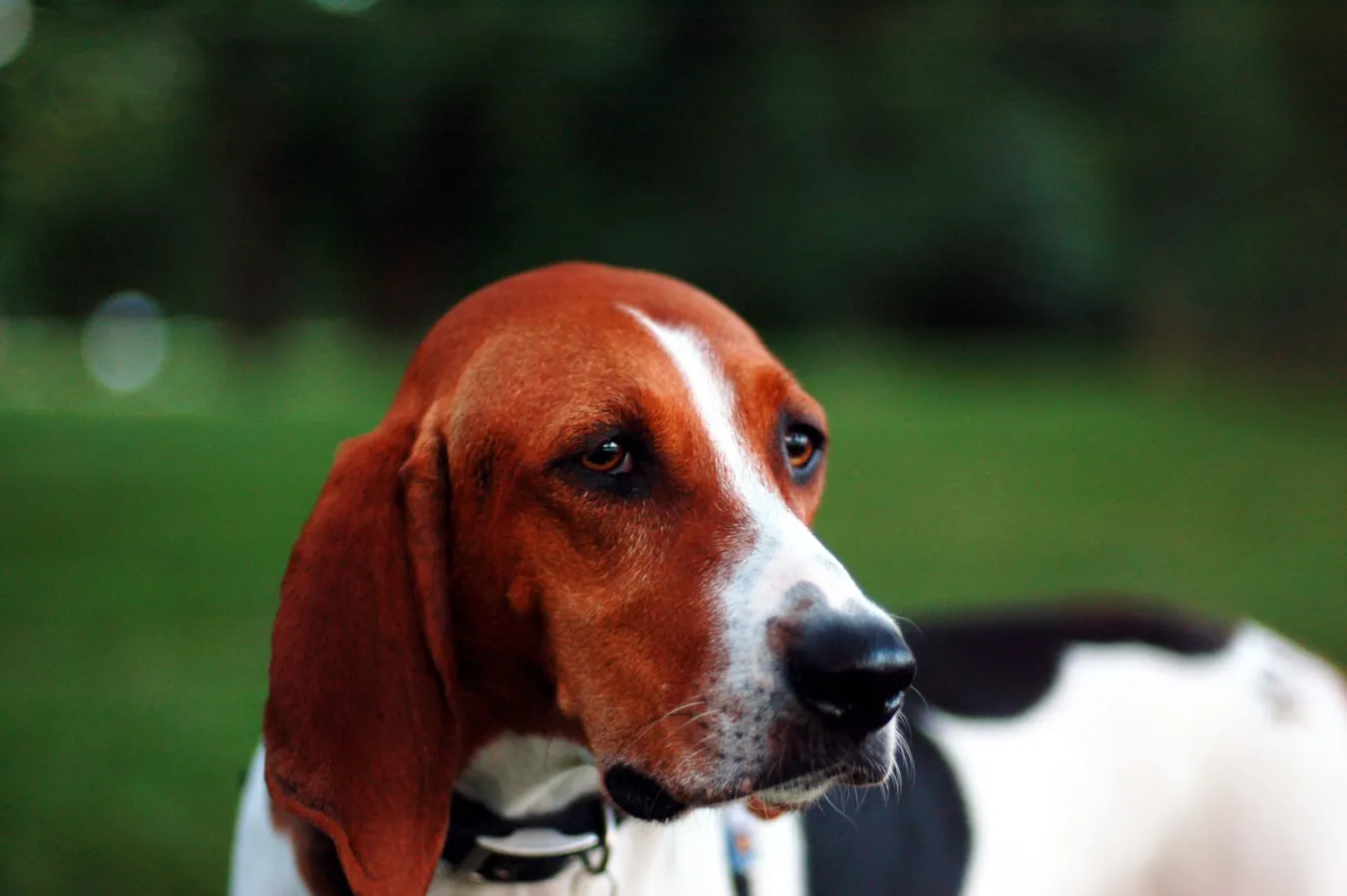
Why is bloat the biggest emergency risk?
Gastric dilatation and volvulus (GDV), usually called bloat, happens when the stomach fills with gas and then twists, cutting off its own blood supply. The Merck Veterinary Manual describes it as most common in large, deep-chested dogs, which fits the Treeing Walker's build. It can become life-threatening within hours, so speed matters more than the diagnosis.
Feeding two or more smaller meals and avoiding hard exercise right after eating are common sensible habits. Some owners of deep-chested dogs ask their veterinarian about a preventive gastropexy, a surgery that tacks the stomach in place and is often planned with a spay or neuter.
A swollen, tight belly with unproductive retching and obvious distress is an emergency. Go to a veterinary hospital right away rather than waiting to see if it passes.
Are hip and joint problems common?
Hip dysplasia is a developmental condition in which the ball and socket of the hip do not fit snugly. Over time it can cause uneven wear and arthritis. PetMD lists it among the conditions seen in this breed, and the American Kennel Club lists a hip evaluation as a recommended health test on its hound group health testing page. You can read how scoring works at the Orthopedic Foundation for Animals.
Keeping a lean body weight is one of the best ways to protect the joints of an active hunting hound. Limping after exercise, a bunny-hopping run or trouble rising are good reasons to book an exam.

Why do the ears need so much attention?
Long, folded ears trap moisture and reduce airflow, which lets yeast and bacteria multiply. Ear infections are among the most common problems reported for this breed. A weekly check and gentle cleaning with a veterinarian-approved cleaner, plus drying the ears after swimming or wet fieldwork, helps prevent most flare-ups.
Head shaking, scratching at the ears, redness or an odor means it is time for an exam. Treating at home for long stretches can hide a deeper infection.
What about thyroid and eye health?
Hypothyroidism means an underactive thyroid gland. Signs can include weight gain, a dull coat and low energy in middle age. PetMD notes an autoimmune form in this breed, and a simple blood test confirms it. It is usually managed with daily medication prescribed by your veterinarian.
The AKC also lists an ophthalmologist eye exam and a thyroid evaluation as recommended tests for the Treeing Walker, so ask a breeder for results on both along with the hips.
What is coonhound paralysis?
Coonhound paralysis is a sudden, spreading weakness caused by inflammation of nerve roots. VCA explains in its coonhound paralysis article that it can follow contact with raccoon saliva, but it can also occur with no raccoon exposure, and no breed is more likely than others to develop it. Signs usually start with a stiff gait and progress to weakness in all four legs.
VCA reports that most dogs recover fully with careful nursing care, though recovery can take weeks to months and severe cases may need hospital support for breathing. A hound that hunts raccoons has more chances of contact, so report any new weakness quickly.
- 01
Swollen, tight belly
Especially with retching that brings nothing up, drooling or restlessness.
- 02
Collapse or pale gums
Sudden weakness or a dog that cannot stand can signal shock.
- 03
Weakness that spreads
A stiff gait that quickly turns to wobbly or paralyzed legs.
- 04
Labored breathing or a changed bark
These can mean the chest or throat muscles are affected.
What costs should you plan for?
PetMD describes the Treeing Walker as a moderate-cost, low-grooming hound, and most of the budget goes to food, preventive care and checkups. The figures below are rough planning ranges that vary by region and clinic.
| Cost item | What drives it | Typical cost |
|---|---|---|
| Routine ownership | Food, checkups, preventives | $150 to $200 per month |
| Pet insurance | Age, location, plan type | $30 to $60 per month |
| Hip screening x-rays | One-time, around age 2 | $150 to $400 |
| Ear cleaning supplies | Ongoing, given ear shape | $10 to $25 per month |
| Thyroid blood panel | Periodic from middle age | $80 to $150 |
| Preventive gastropexy | Optional, often with spay or neuter | $300 to $700 |
| Emergency bloat surgery | Surgery plus hospital stay | $2,500 to $7,500 or more |
Emergency bloat surgery is the largest single bill an owner is likely to face. Many owners therefore look at pet insurance early, while the dog is young and healthy.
What should you ask a breeder?
Ask for evidence of hip, eye and thyroid testing in both parents, as the AKC recommends for the breed. Ask whether bloat has occurred in the dog's close relatives, and whether the puppies come from hunting or companion lines. Be cautious about any breeder who dismisses these questions. Rescue hounds are also a good option, and your veterinarian can help you check them over.
What is daily life like?
This is an energetic, vocal hound with a strong nose and prey drive. PetMD advises at least an hour of daily walking and a secure fenced yard, because a scent trail can pull a hound far from home. Their short coat needs only weekly brushing, and our grooming guide covers baths and ear care. You can learn more about their temperament in the personality guide, and the training guide explains how to handle recall and baying.
How do you keep them healthy long term?
PetMD lists a lifespan of 12 to 13 years. Annual exams, steady weight control, regular ear checks and periodic blood work from middle age help catch problems early. As the years pass, ask about joint comfort, because arthritis is a common reason older hounds slow down.
Final Thoughts From a Veterinarian
Treeing Walker Coonhounds usually live 12 to 13 years and cost about $150 to $200 a month. Keep ears clean and dry, ask about hip, eye and thyroid screening, learn the bloat warning signs, and use a secure fence. Your veterinarian can tailor the plan.
Health & Costs FAQ
How much do Treeing Walker Coonhound cost?
The cost of a Treeing Walker Coonhound typically ranges from $600 to $1,500 from a reputable breeder. Adoption is a more affordable option, usually costing between $50 and $300. Owners should also budget for initial supplies and ongoing costs for food and veterinary care to support their active lifestyle.
Purchase cost: 4 / 10
How long do Treeing Walker Coonhound live?
Treeing Walker Coonhounds typically live 12 to 13 years. A lean weight, regular exercise, routine veterinary care, ear checks and screening from middle age all support a long, comfortable life.
Life expectancy: 6 / 10
Are Treeing Walker Coonhound healthy dogs?
Treeing Walker Coonhounds are generally healthy, athletic dogs. Owners should watch for hip dysplasia, ear infections from their folded ears and bloat, and keep a lean weight to protect the joints. Ask a breeder about hip, eye and thyroid screening, as the AKC recommends.
Health: 7 / 10
What health problems do Treeing Walker Coonhound have?
Common concerns include hip dysplasia, ear infections, an autoimmune form of hypothyroidism and bloat, which is an emergency in deep-chested dogs. Coonhound paralysis is a rare nerve condition that can follow raccoon contact but is not limited to this breed. Hip, eye and thyroid screening are recommended.
Health problem risk: 4 / 10
Are Treeing Walker Coonhound expensive to maintain?
Treeing Walker Coonhounds are moderately affordable to maintain. Their short coat needs little professional grooming, but owners should budget for food for an active dog, regular checkups, ear care and possible hip or thyroid care.
Maintenance cost: 4 / 10
How much does it cost to own a Treeing Walker Coonhound per month?
Expect to spend between $150 and $200 per month to own a Treeing Walker Coonhound. This budget covers high-quality food to fuel their high energy levels, routine veterinary check-ups, and preventative medications. While generally affordable, owners should also factor in costs for exercise and hunting enrichment.
Monthly ownership cost: 5 / 10
How much does pet insurance cost for a Treeing Walker Coonhound?
Pet insurance for a Treeing Walker Coonhound typically ranges from $30 to $60 per month. Because bloat surgery can be costly and ear and hip problems occur, many owners enroll while the dog is young. Prices vary by age and location, so compare quotes.
Pet insurance cost: 3 / 10
Will homeowners insurance cover a Treeing Walker Coonhound?
Yes, most homeowners insurance policies cover Treeing Walker Coonhounds because they are not typically found on restricted breed lists. While they are friendly, active dogs, you should still disclose your pet to your insurance provider. This ensures your liability coverage remains active and valid for your household.
Homeowners insurance difficulty: 9 / 10
Are Treeing Walker Coonhound on insurance restricted breed lists?
No, Treeing Walker Coonhounds are not typically found on insurance restricted-breed lists. Insurers generally view them as low-risk due to their even-tempered, non-aggressive nature. Most homeowners and renters policies cover them without issue, though you should always disclose your pet to your provider to ensure full liability coverage.
Insurance restriction risk: 2 / 10
Can you get renters insurance with a Treeing Walker Coonhound?
Yes, you can usually get renters insurance with a Treeing Walker Coonhound. They are not typically found on restricted breed lists. Always disclose your dog and confirm liability details and any landlord pet rules with your provider.
Renters insurance difficulty: 8 / 10