
Miniature Bull Terrier Health and Costs
Breed Group
Terrier Dogs
Country of Origin
United Kingdom
Breed Size
Medium
AKC Recognition
Yes, recognized in 1991
FCI Recognition
Yes, recognized in 1955
Rarity
Common3 / 10
Purchase cost
Expensive8 / 10
Life expectancy
Moderate Lifespan6 / 10
Health
Fairly healthy6 / 10
Health problem risk
Average health burden5 / 10
Maintenance cost
Moderate upkeep cost4 / 10
A Veterinarian's Guide
Miniature Bull Terrier Health Problems and Costs
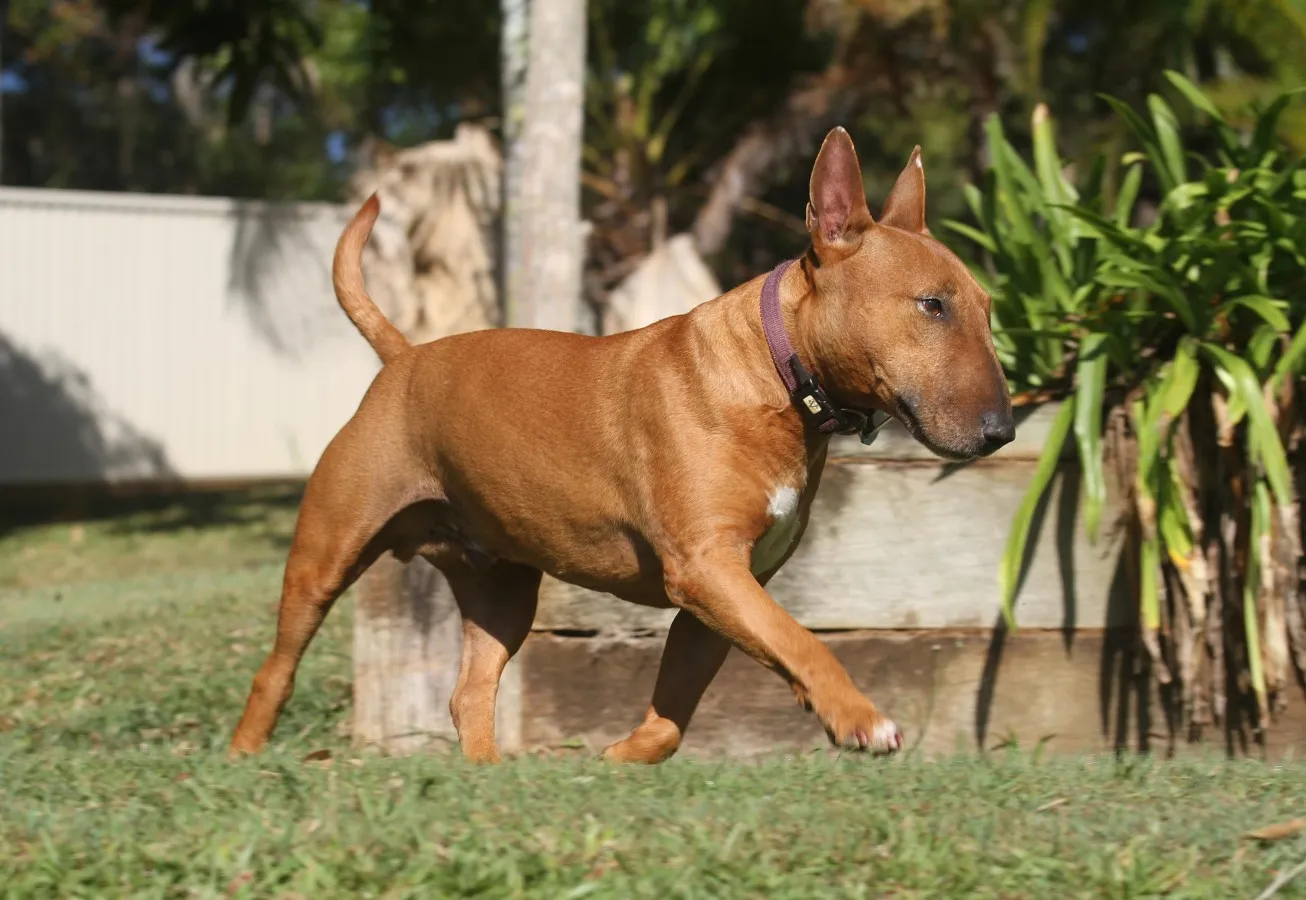
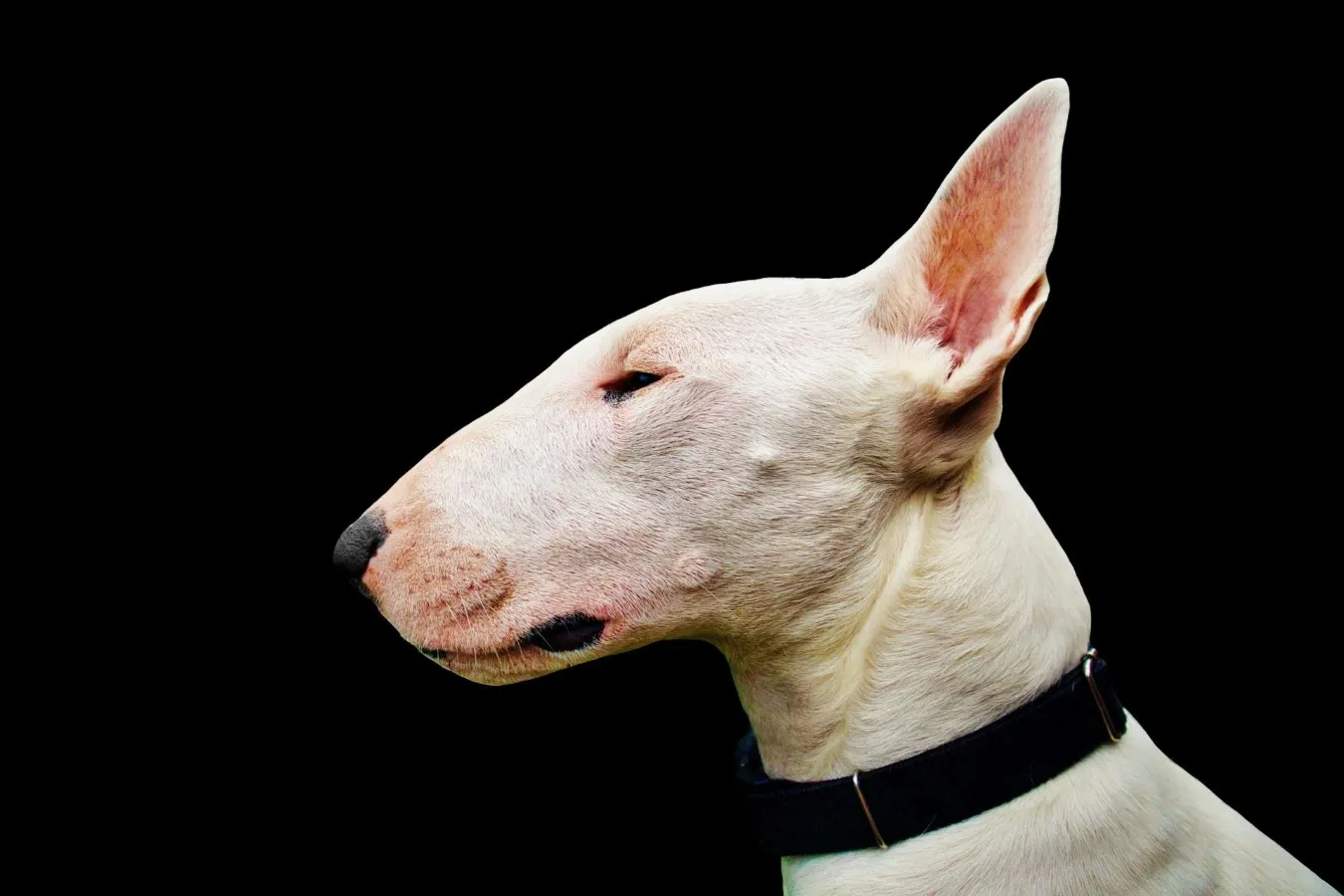
The Miniature Bull Terrier is a compact, muscular, clownish dog with the same egg-shaped head as its larger cousin. Most of its health planning revolves around inherited conditions that responsible breeders can screen for: a lens problem in the eye, kidney and heart checks, hearing, and a few rare inherited diseases. Knowing them before you bring a puppy home, or while you already share your life with one, makes the screening and the vet visits much easier to plan.
In this guide
What Is Primary Lens Luxation, and Why Does It Matter So Much?
Ask every breeder for the primary lens luxation DNA test results of both parents, and treat any red, cloudy, or squinting eye in your dog as an emergency rather than waiting to see if it settles.
Primary lens luxation, or PLL, happens when the tiny fibers holding the eye's lens in place weaken and break, letting the lens slip out of position. Luxation comes from the Latin luxare, "to dislocate." A displaced lens can cause pain and can raise pressure inside the eye, which threatens vision. The breed is described as one of the more commonly affected, and the condition is linked to an inherited change in the ADAMTS17 gene.
The AKC lists a PLL DNA test among the national breed club's recommendations, and it can identify dogs that are clear, carriers, or at risk long before any symptom appears. Ask your veterinarian how often an eye pressure check makes sense for your own dog, since catching early lens instability gives an ophthalmologist far more options than a crisis does.
- 01
Red or bloodshot eye
One eye looks inflamed compared with the other.
- 02
Squinting or pawing
Your dog keeps the eye shut or rubs at the face.
- 03
Cloudy or bluish look
The surface of the eye turns hazy or changes color.
- 04
Sudden vision change
Your dog bumps into things or seems unsure on familiar ground.
Why Do Vets Screen This Breed's Kidneys?
Kidney disease can quietly damage kidney function long before an owner notices any sign. The AKC lists a kidney urine protein-to-creatinine ratio among the breed club's recommended tests. Healthy kidneys keep protein in the blood, so protein leaking into the urine is an early warning that something is wrong, often well before bloodwork turns abnormal.
Ask your veterinarian when to start a baseline urine test in your dog, and mention any increased thirst or urination promptly. Dogs diagnosed early can benefit from a kidney-supportive diet and closer monitoring.
What Heart and Airway Issues Should You Know About?
The breed club recommends a cardiac exam, in which a veterinarian listens to the heart with a stethoscope for a murmur and may follow up with an echocardiogram, an ultrasound of the heart, if one is found. Many dogs with a mild murmur live comfortably for years without symptoms, but the condition can progress, so tracking it over time matters more than any single exam.
The club also lists a DNA test for laryngeal paralysis, a condition in which the cartilage flaps that open the airway stop moving normally. A raspy voice change or noisy breathing that worsens with heat and exercise deserves a veterinary exam.

Why Does Hearing Matter, and What Is Lethal Acrodermatitis?
Deafness is inherited in the breed, and puppies can be deaf in one ear or both. A BAER test, which measures the brain's electrical response to sound, identifies affected puppies well before an owner could tell by watching them, and a dog deaf in one ear often adapts so well that nobody notices.
Lethal acrodermatitis is a rare inherited skin and growth disorder that occurs in white Bull Terriers, including miniatures, and a DNA test for it is also on the breed club's list. Responsible breeders use the test to avoid producing affected puppies.

What Does Managing a Miniature Bull Terrier's Health Actually Cost?
| Condition or Need | Typical Cost Range | Notes |
|---|---|---|
| Annual wellness exam and bloodwork | $200 to $400 | Yearly |
| Urine protein screening | $75 to $150 | Timing set by your veterinarian |
| Echocardiogram | $300 to $600 | After a murmur is found |
| PLL emergency surgery | $2,000 to $4,000 per eye | If a lens luxates |
Routine costs for a healthy Miniature Bull Terrier are modest, but an undetected eye crisis or advanced kidney disease can turn expensive quickly. Pet insurance bought while a puppy is young and healthy is one of the more practical ways to plan for that uncertainty, and it is worth asking whether hereditary conditions are covered.
Questions to Ask a Breeder Before Buying a Puppy
Ask for results of the tests the AKC lists for the breed: PLL, lethal acrodermatitis, and laryngeal paralysis DNA tests, a cardiac exam, BAER testing, and a kidney urine protein-to-creatinine ratio. A breeder who shares all of them willingly is usually one who takes the breed's health seriously.
Ask about the dogs' ages and any family history of kidney or eye disease too. Hesitation on any of these is worth treating as a real red flag.
Daily Life With a Miniature Bull Terrier
This is a playful, determined, people-loving dog that needs daily exercise and something to chew and chase. The short coat keeps grooming simple, though it offers little protection from cold, so a coat for winter walks is practical.
Miniatures can be stubborn as well as funny, as the personality profile explains, so consistent, reward-based training from the first week home makes life far easier. A deaf Miniature simply learns hand signals in place of voice.

Keeping Your Miniature Bull Terrier Healthy for the Long Run
Confirm hearing and DNA results early, schedule heart and kidney checks as your veterinarian advises, and keep your dog lean. Report any eye change at once, and price pet insurance while your dog is young.
Final Thoughts From a Veterinarian
Miniature Bull Terriers usually live around 12 years. Ask breeders for PLL DNA, hearing, heart, and kidney screening results, and treat a red, cloudy, or squinting eye as an emergency. Plan ahead with pet insurance. Your veterinarian can tailor a plan.
Health & Costs FAQ
How much do Miniature Bull Terrier cost?
A Miniature Bull Terrier typically costs between $2,500 and $4,500 from a reputable breeder. Adoption fees are much lower, usually $50 to $500, though these distinctive dogs are rarely found in shelters.
Purchase cost: 8 / 10
How long do Miniature Bull Terrier live?
Miniature Bull Terriers live about 12 years on average, with a recent UK study finding 12.2 years. A balanced diet, regular exercise, a lean weight, and consistent veterinary checkups, along with early detection of inherited problems, help them enjoy a long, active life.
Life expectancy: 6 / 10
Are Miniature Bull Terrier healthy dogs?
Miniature Bull Terriers are generally sturdy but prone to several inherited conditions. Owners should know about primary lens luxation, which can threaten vision, along with kidney, heart, hearing, and rare skin concerns. DNA testing and screening by responsible breeders, plus regular veterinary checkups, help manage these breed-specific risks.
Health: 6 / 10
What health problems do Miniature Bull Terrier have?
Miniature Bull Terriers are susceptible to inherited issues such as primary lens luxation, laryngeal paralysis, and lethal acrodermatitis, and breed clubs recommend kidney, heart, and hearing screening as well. Prospective owners should prioritize breeders who share DNA and screening results, and treat any red or squinting eye as an emergency.
Health problem risk: 5 / 10
Are Miniature Bull Terrier expensive to maintain?
Miniature Bull Terriers have moderate upkeep costs. The short coat is easy to groom, and costs come mainly from quality food, routine veterinary care, durable toys, and training. Setting money aside for screening and possible eye, heart, or kidney care is wise, since those are the larger bills this breed can face.
Maintenance cost: 4 / 10
How much does it cost to own a Miniature Bull Terrier per month?
Monthly costs for a Miniature Bull Terrier generally range from $130 to $600, depending on food, routine veterinary care, medications, and insurance. Budgeting for training and durable toys is also recommended for this active, mischievous breed, and a health problem can raise the total.
Monthly ownership cost: 2 / 10
How much does pet insurance cost for a Miniature Bull Terrier?
Pet insurance for a Miniature Bull Terrier typically costs between $21 and $83 per month, with an average rate around $68. Prices vary significantly based on your dog's age, location, and the specific coverage limits and deductibles you choose for their policy.
Pet insurance cost: 3 / 10
Will homeowners insurance cover a Miniature Bull Terrier?
Coverage can be difficult, because some insurers restrict Bull Terrier-type breeds and may extend that to the Miniature. Many policies still cover them, but some companies may deny liability or charge higher premiums. Confirm coverage with your provider before bringing one home, as policies vary.
Homeowners insurance difficulty: 5 / 10
Are Miniature Bull Terrier on insurance restricted breed lists?
Miniature Bull Terriers are sometimes included on insurance restricted-breed lists because of their association with larger Bull Terriers and other bully-type dogs. Coverage availability and premiums vary significantly by provider, state laws, and individual history, so always confirm with your insurer.
Insurance restriction risk: 6 / 10
Can you get renters insurance with a Miniature Bull Terrier?
Often yes, though some insurers flag Bull Terrier varieties, and the Miniature's compact size may make it more acceptable than its larger relative. Always disclose your pet to your provider and check your lease agreement to ensure full liability coverage.
Renters insurance difficulty: 5 / 10