Skip to content

Norfolk Terrier - MAIN HUB

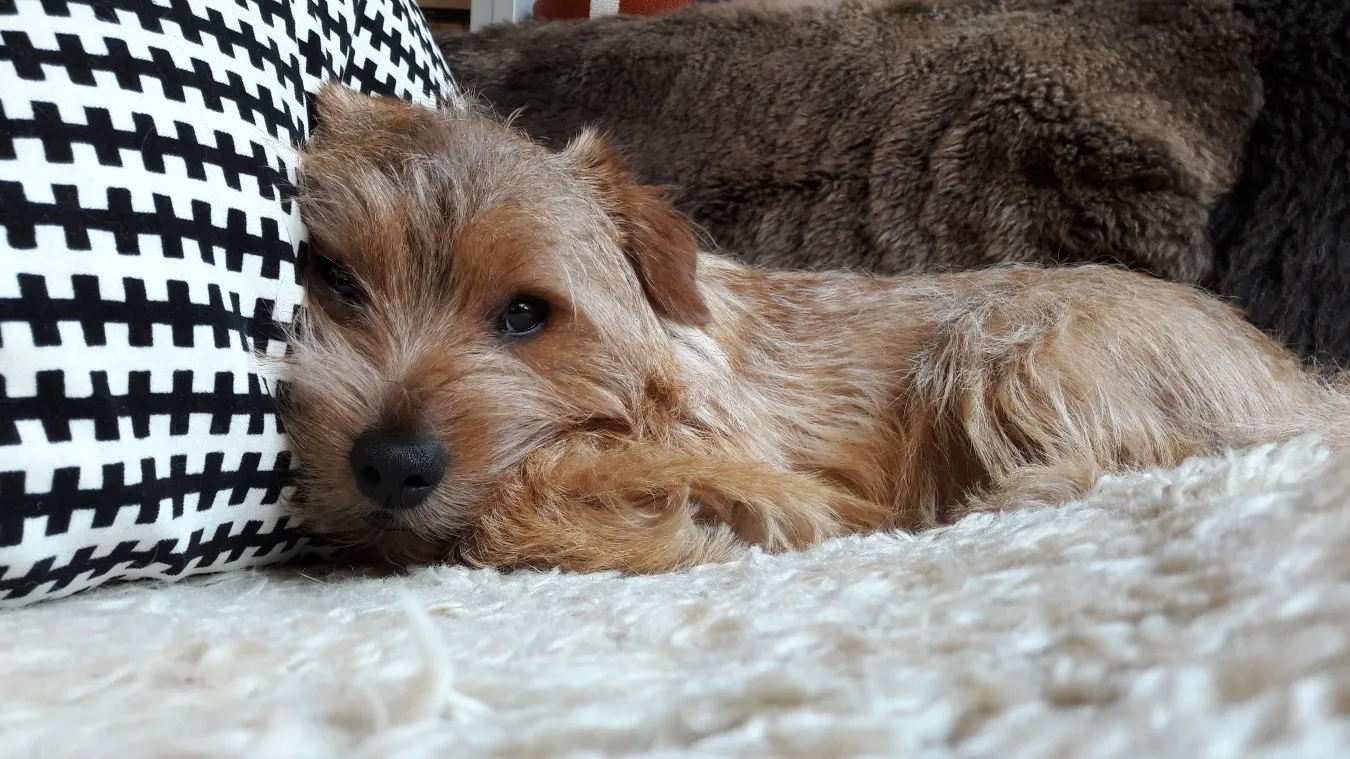
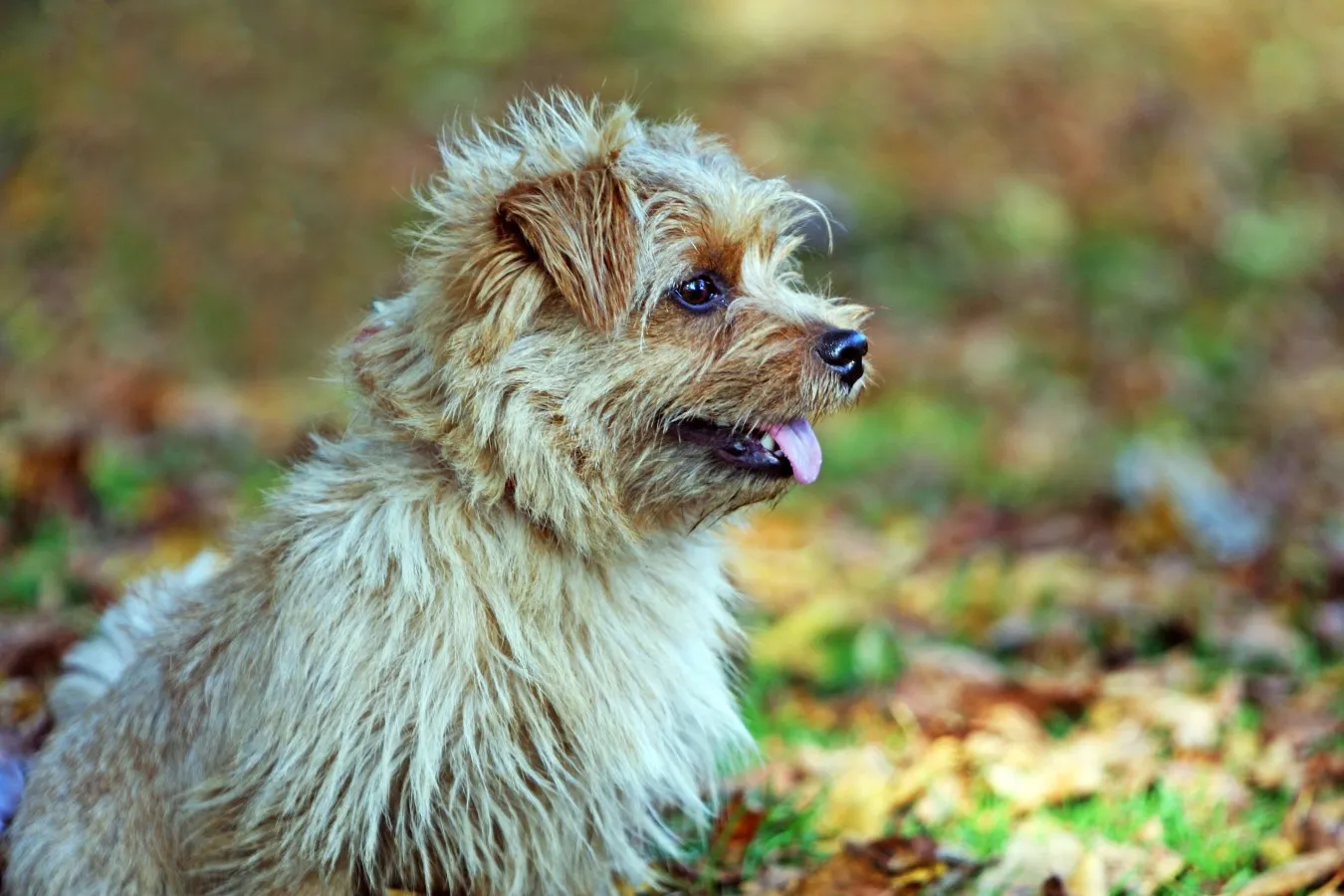
Spirited and affectionate, the Norfolk Terrier is a tiny powerhouse of loyalty. Perfect for active families who want a hardy, joyful companion.

BREED GROUP

Terrier Dogs

Country of origin

United Kingdom

BREED SIZE

Toy

BREED HEIGHT

9 -

10 IN

23 -

25 cm

BREED WEIGHT

11 -

12 LB

5 -

5 KG

WHAT YOU NEED TO KNOW

The Norfolk Terrier is a spirited, small working terrier known for its "demon-like" hunting instincts and affectionate, loyal nature. Originally bred for ridding barns of vermin and bolting foxes, this hardy breed thrives on human interaction and excels in active households. Standing roughly 10 inches tall and weighing 11-12 pounds, they possess a weather-resistant double coat that requires weekly brushing. While they are generally good with children and other dogs, their high prey drive makes them untrustworthy off-leash and around small pets. Consistent training is necessary to manage potential stubbornness and excessive barking.
american kennel club (AKC) recognition

Yes

Breed was recognized in 1979.

International Canine Federation (FCI) recognition

Yes

Breed was recognized in 1954.

WHAT DO OWNERS WANT TO KNOW?

Are Norfolk Terriers good family dogs?

Very Good

8 out of 10

Norfolk Terriers make excellent family dogs for active households because they are affectionate, loyal, and thrive on human interaction. While they are generally good with children, their high prey drive means they may not be suitable for homes with small pets and require consistent training to manage barking and stubbornness.

Good

8 out of 10

Norfolk Terriers are generally excellent with children, known for their playful, affectionate, and patient nature. While they are sturdy enough to handle some roughhousing, their small size means supervision is recommended with younger children to ensure play remains safe. Early socialization helps these spirited dogs become well-rounded and loyal family companions.

Great

8 out of 10

First-time owners with time for socialization and mental stimulation will find the Norfolk Terrier a manageable and affectionate companion. While their independent spirit and stubbornness can make training a challenge for novices, their intelligence and eagerness to please make them rewarding partners for those who provide consistent, positive reinforcement.

Great

8 out of 10

Norfolk Terriers make excellent apartment dogs due to their compact size and highly adaptable nature. While they are energetic and spirited, their exercise needs can be met through daily walks and indoor play. They are social companions that thrive in various housing situations, though consistent training is necessary to manage their tendency for alert barking and digging.

Highly Recommended

8 out of 10

A yard is not strictly required for a Norfolk Terrier, as they can thrive in apartments with regular walks and interactive play. However, a securely fenced yard is highly recommended to safely accommodate their high energy, digging habits, and strong prey drive.

Poor

3 out of 10

While they prefer company, they are more independent than some other companion breeds and can handle moderate alone time if their needs are met.

Fair

4 out of 10

While they can live with household cats, their high prey drive makes them untrustworthy with other small pets like rodents or birds.

Calm

8 out of 10

Norfolk Terriers are not naturally aggressive; they are known for being fearless, outgoing, and gregarious companions. While they possess a strong prey drive and a protective instinct that makes them excellent watchdogs, they are typically friendly with people and other dogs. Any aggressive behavior is considered uncharacteristic of the breed and usually only occurs if they feel threatened or have not been properly socialized.

High

8 out of 10

They require 60+ minutes of activity, as 30-45 minutes is often insufficient for this high-energy breed.

~45 min a day

5 out of 10

They require 60+ minutes of activity, as 30-45 minutes is often insufficient for this high-energy breed.

Average

5 out of 10

Norfolk Terriers have a moderate tolerance for heat and can adapt to warmer climates provided they have access to shade, fresh water, and air conditioning. Because of their small size and double coat, they can overheat during strenuous activity in high temperatures. Owners should schedule walks during the cooler parts of the day and monitor for signs of heat exhaustion to ensure their plucky companion stays safe and comfortable.

Average

5 out of 10

Norfolk Terriers have a moderate tolerance for heat and can adapt to warmer climates provided they have access to shade, fresh water, and air conditioning. Because of their small size and double coat, they can overheat during strenuous activity in high temperatures. Owners should schedule walks during the cooler parts of the day and monitor for signs of heat exhaustion to ensure their plucky companion stays safe and comfortable.

Rarely Banned

8 out of 10

Norfolk Terriers are rarely subject to breed bans, as their small size (9–10 inches and 11–12 pounds) typically falls well within apartment weight and height limits. They are generally regarded as excellent apartment companions due to their compact stature and affectionate nature. However, it is always recommended to confirm specific rental policies, as some landlords may have general restrictions on all pets or specific requirements for pet deposits and liability insurance.

WHAT DO OWNERS WANT TO KNOW?


Photo
Reviewed by
Dr. Vojtech Gabriel
DVM · PhD · MBA
Veterinarian Researcher Dog breed specialist
Verified

"Norfolk Terriers are spirited and hardy companions, but they are predisposed to several significant health concerns that require proactive management. As a veterinarian, I prioritize monitoring for Myxomatous Mitral Valve Disease (MMVD), a degenerative heart condition that affects a high percentage of the breed as they age; annual cardiac exams are essential for early detection. Despite their small size, they have a surprisingly high incidence of hip dysplasia and patellar luxation, making lifelong weight management and joint support critical to maintain mobility. Their compact mouths also make them highly prone to severe dental disease, necessitating daily brushing and regular professional cleanings to prevent systemic issues. Given these risks, I strongly recommend choosing breeders who provide documented cardiac and orthopedic clearances to ensure the long-term vitality of these loyal terriers."


Other Terrier Dogs