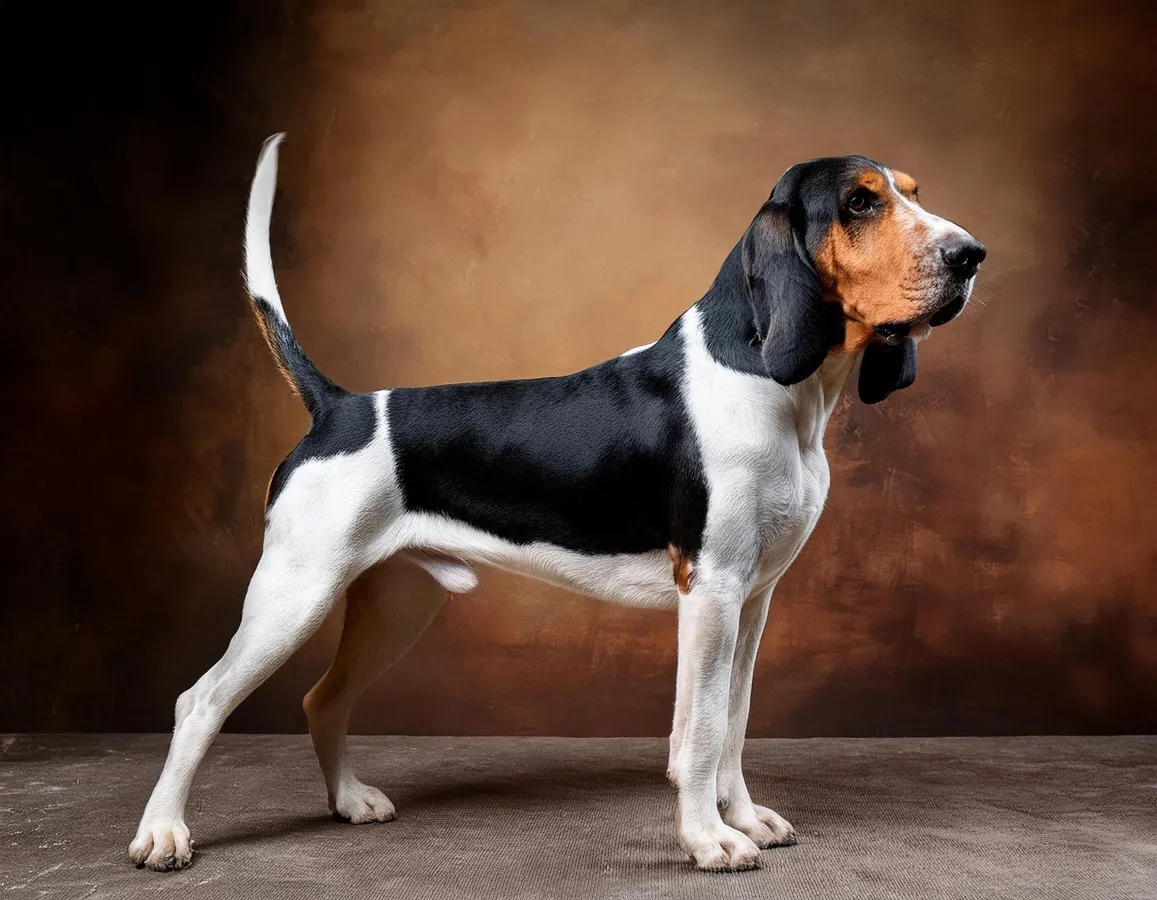
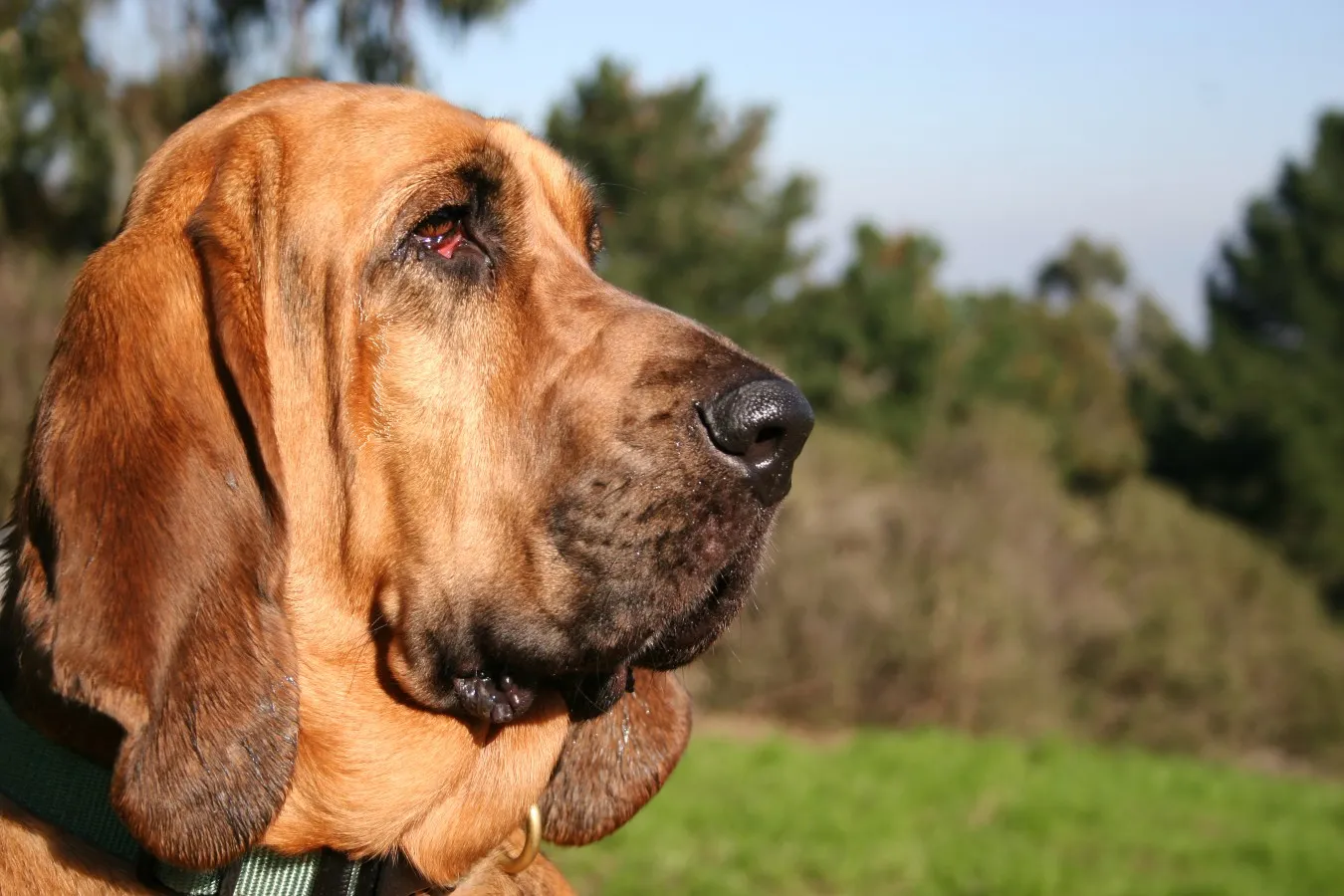
Bloodhound - MAIN HUB
BREED GROUP
Hound Dogs
Country of origin
Belgium
BREED SIZE
Large
BREED HEIGHT
23 -
27 IN
58 -
69 cm
BREED WEIGHT
80 -
110 LB
36 -
50 KG
WHAT YOU NEED TO KNOW
american kennel club (AKC) recognition
Yes
Breed was recognized in 1885.

International Canine Federation (FCI) recognition
Yes
Breed was recognized in 1960.
WHAT DO OWNERS WANT TO KNOW?
Are Bloodhounds good family dogs?
Great
9 out of 10
The Bloodhound is an excellent family companion, known for being gentle, affectionate, and especially patient with children. While they are docile at home and social with other dogs, their high exercise needs and independent, stubborn nature mean they are best suited for active families with some dog-owning experience.

Are Bloodhounds good with kids?

Great
9 out of 10
Bloodhounds are exceptionally patient and gentle with children, earning them a reputation as devoted family companions. Their calm and tolerant temperament makes them well-suited for life with kids, often forming deep, affectionate bonds. However, because of their large size, supervision is recommended around younger children to prevent accidental knocks or tumbles during playtime.
Are Bloodhounds good dogs for first time owners?
Not Recommended
1 out of 10
Bloodhounds are not recommended for first-time owners due to their independent and stubborn nature, which can make training a challenge. They require a significant time commitment for exercise and consistent, patient guidance from an owner who understands their high-maintenance needs, such as managing their loud vocalizations and tendency to follow scents. Success with this breed requires a firm but kind leader who is prepared for their size and physical strength.
Are Bloodhounds good apartment dogs?
Not Recommended
1 out of 10
Bloodhounds are not recommended for apartment living due to their massive size, high energy levels, and loud, deep baying. They require significant daily exercise and ample space to move, making them better suited for homes with large, securely fenced yards where they can satisfy their tracking instincts without disturbing nearby neighbors.
Do Bloodhounds need a yard?
Above Average
4 out of 10
A securely fenced yard is highly recommended for a Bloodhound to accommodate their large size and strong tracking instincts. Because they are prone to wandering off or testing boundaries when they catch a scent, a secure area is essential for their safety, though daily long walks and mental stimulation are also necessary to satisfy their active nature.
Can Bloodhounds be left at home alone?
Not Recommended
1 out of 10
Bloodhounds are highly social and bond deeply with their families, meaning they do not like being left alone for long periods. They thrive on companionship and may become vocal or destructive if they feel isolated, so they are best suited for households where someone is home for most of the day.
Do Bloodhounds tolerate cats well?
Excellent
9 out of 10
Bloodhounds generally coexist well with cats, particularly when raised together, as they are known for their gentle and laid-back nature. While they are sighthounds with a legendary nose, they typically possess a low prey drive compared to other hounds and are more interested in following scents than chasing housemates. However, their large size and occasional stubbornness mean that early socialization and supervised introductions are recommended to ensure a peaceful relationship.
Are Bloodhounds known to be aggressive?
Very Gentle
8 out of 10
Bloodhounds are not naturally aggressive; they are famously gentle, easygoing, and patient companions. While they are docile at home and friendly with children and other pets, they can occasionally display food aggression or resource guarding with other dogs. Their deep, loud bark and large size may be intimidating, but any true aggression is rare and usually stems from a lack of socialization, underlying health issues, or feeling threatened. Early socialization and consistent, positive reinforcement training are essential to manage their independent nature and ensure they remain well-behaved.
Do Bloodhounds have a lot of energy?
High
8 out of 10
Bloodhounds are energetic dogs with high exercise needs and remarkable endurance, as they were bred to follow scents for hours on end. While they are often portrayed as lazy, they require at least one to two hours of daily physical activity and mental stimulation. Without regular outlets like long walks, hiking, or scent-based games, they can become bored and develop destructive behaviors like chewing or digging.
How much exercise do Bloodhounds need?
~90 min a day
8 out of 10
Bloodhounds are active dogs that require at least one to two hours of daily exercise to stay healthy and prevent boredom-related destructive behaviors. This should include long, structured walks on a leash and opportunities for off-leash play in a securely fenced area. Engaging their powerful sense of smell through scent games or tracking activities is essential for their mental stimulation and overall well-being.
Do Bloodhounds tolerate hot weather well?
Fair
4 out of 10
Bloodhounds have a moderate tolerance for heat but can easily overheat due to their giant size and tendency to overexert themselves while following a scent. Their deep skin folds can also trap heat and moisture, making them prone to skin irritations and infections. Owners should provide ample shade, fresh water, and restrict heavy exercise to the cooler morning or evening hours to prevent heatstroke.
Are Bloodhounds good with cold weather?
Fair
4 out of 10
Bloodhounds have a moderate tolerance for heat but can easily overheat due to their giant size and tendency to overexert themselves while following a scent. Their deep skin folds can also trap heat and moisture, making them prone to skin irritations and infections. Owners should provide ample shade, fresh water, and restrict heavy exercise to the cooler morning or evening hours to prevent heatstroke.
Are Bloodhounds sometimes banned from rentals?
Likely Banned
3 out of 10
Bloodhounds are occasionally subject to apartment breed bans, though they are more frequently restricted by weight limits and noise regulations due to their large size and loud baying. Their significant weight often exceeds common 50-pound limits, and their high exercise requirements make them better suited for homes with yards. Always verify individual landlord policies regarding specific weight caps or restrictions on scent hounds before choosing this breed.
WHAT DO OWNERS WANT TO KNOW?