Skip to content

Labradoodle - MAIN HUB

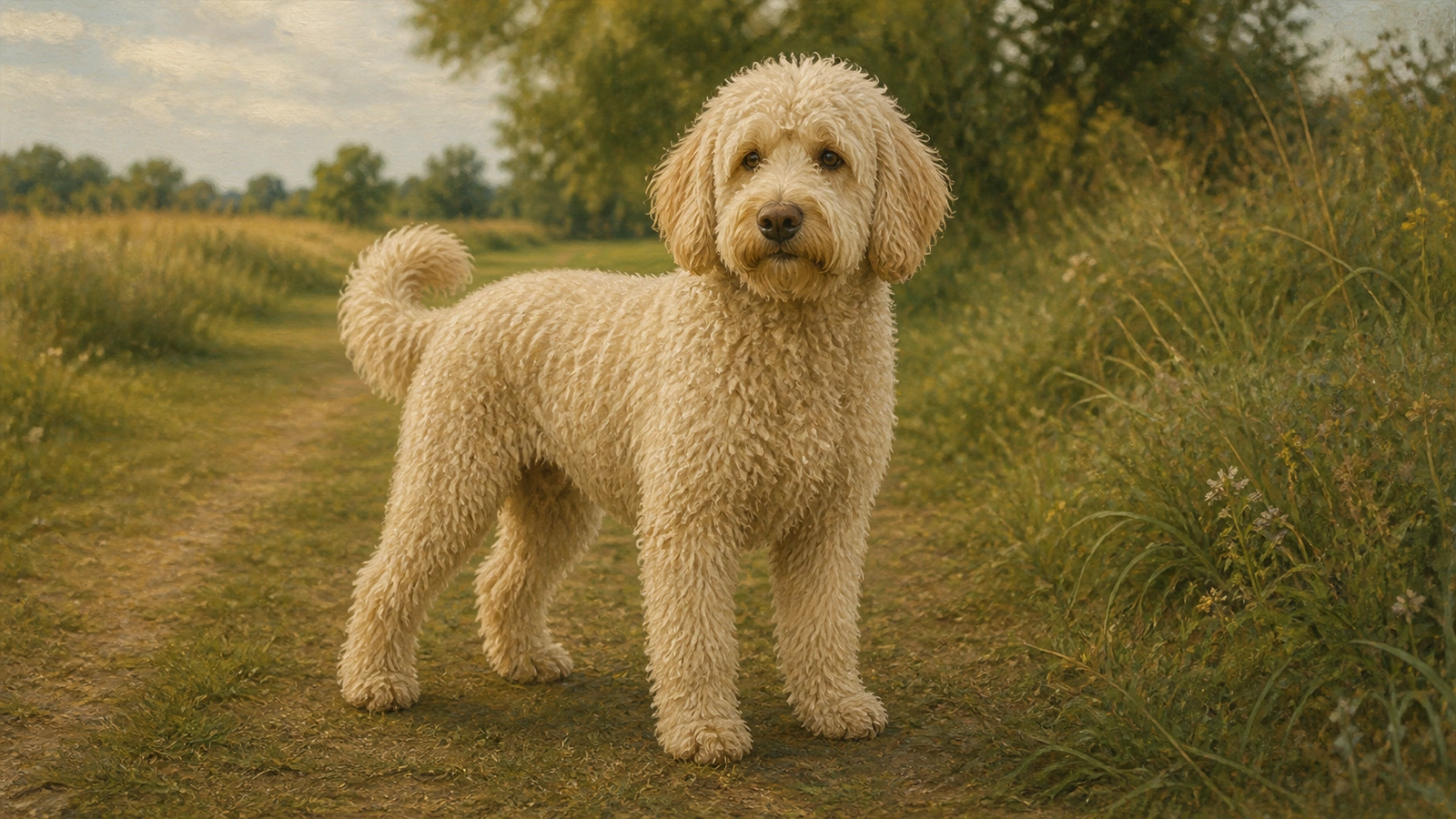
A clever, curly companion! Labradoodles are social “velcro dogs” who thrive on family fun, quick learning, and sharing their joyful, affectionate spirit.

BREED GROUP

Hybrid Dogs

Country of origin

Australia

BREED SIZE

Large

BREED HEIGHT

14 -

24 IN

36 -

61 cm

BREED WEIGHT

33 -

90 LB

15 -

41 KG

WHAT YOU NEED TO KNOW

The Labradoodle is a popular hybrid breed originating from Australia, developed by crossing Labrador Retrievers and Poodles. Known for their friendly, social, and intelligent nature, these dogs typically live 10-13 years. They vary significantly in size, ranging from 14 to 24 inches in height and 33 to 90 pounds in weight. While not recognized by major kennel clubs like the AKC or FCI, Labradoodles are highly sought after as family companions due to their affectionate temperament and often low-shedding coats, making them ideal for active owners.
american kennel club (AKC) recognition

No

Breed was recognized in 0.

International Canine Federation (FCI) recognition

No

Breed was recognized in 0.

WHAT DO OWNERS WANT TO KNOW?

Are Labradoodles good family dogs?

Excellent

10 out of 10

Labradoodles are often considered below average for families that cannot commit to their high energy levels and significant social needs. While they are affectionate and intelligent companions, they are prone to separation anxiety and can become destructive if left alone for long periods or if their physical and mental stimulation requirements are not consistently met.

Excellent

10 out of 10

Labradoodles are excellent companions for children, combining a gentle, patient temperament with a playful energy that matches a child's spirit. Their high intelligence and social nature make them easy to train and eager to bond with all family members. While their excitable nature means supervision is recommended for smaller children to prevent boisterous play, they are generally renowned for their affectionate and intuitive response to kids.

Exceptional

10 out of 10

Labradoodles are generally recommended for first-time owners due to their high intelligence, eager-to-please nature, and exceptional trainability. They respond well to positive reinforcement and typically master commands quickly. However, novices must be prepared for their high energy levels and significant grooming requirements to prevent behavioral issues and coat matting.

Fair

3 out of 10

Labradoodles are suitable apartment dogs due to their highly adaptable, social, and intelligent nature. While they are energetic and require daily walks and mental stimulation to prevent boredom, they are generally calm indoors and can thrive in smaller spaces if their physical needs are met. Their friendly temperament and low-shedding coats further make them welcome companions for urban dwellers.

High

3 out of 10

While a yard is not strictly required for a Labradoodle, it is highly recommended to accommodate their high energy and need for physical play. They can adapt to apartment living if provided with 60 to 90 minutes of daily vigorous exercise, such as long walks or swimming, but access to a securely fenced garden is ideal for them to stretch their legs and prevent boredom.

Above Average

6 out of 10

Labradoodles are highly social "velcro dogs" that thrive on human companionship and are prone to separation anxiety if left alone for long periods. While healthy adults can typically tolerate a standard workday of up to eight hours with proper exercise and mental stimulation, extended isolation can lead to distress and destructive behaviors like chewing or excessive barking. They are best suited for households where they can be involved in daily activities and are not regularly left alone for more than a few hours.

Exceptional

10 out of 10

Labradoodles generally coexist well with cats, especially when introduced at a young age. Their gentle, social nature and typically low prey drive make them excellent candidates for multi-pet households. While their curiosity and playfulness can sometimes be overwhelming, consistent training and supervised, gradual introductions usually result in a peaceful and harmonious bond.

Moderate

6 out of 10

Labradoodles are not naturally aggressive; they are typically sweet-natured, social, and friendly companions. While they possess protective instincts and will bark to alert owners of unusual activity, they are generally welcoming to strangers. Any unprovoked aggression is rare and usually stems from lack of socialization, fear, or extreme boredom, making early positive reinforcement training and consistent mental stimulation essential for maintaining their gentle temperament.

Hyperactive

4 out of 10

Labradoodles generally have a mellow and balanced energy level, blending an enthusiastic playfulness with a gentle disposition. They require regular daily activity, including moderate exercise and mental challenges, to satisfy their intelligent nature and maintain a calm temperament within the home.

~60 min a day

6 out of 10

Labradoodles are high-energy dogs that require significant daily activity, typically needing 60 to 90 minutes of exercise to stay healthy and prevent destructive behaviors. Because they are highly intelligent, their routine should include a mix of physical activities like walking, swimming, or fetching, alongside mental enrichment such as puzzle toys and obedience training. It is important to avoid over-exercising puppies to protect their developing joints, while seniors may benefit from shorter, gentler walks.

Poor

3 out of 10

Labradoodles are sensitive to heat due to their thick, curly coats which trap body heat. They are prone to overheating and heatstroke, especially during exercise or in high humidity. Owners should provide a shorter "summer cut," constant access to fresh water and shade, and limit outdoor activities to the cooler early morning or late evening hours.

Poor

3 out of 10

Labradoodles are sensitive to heat due to their thick, curly coats which trap body heat. They are prone to overheating and heatstroke, especially during exercise or in high humidity. Owners should provide a shorter "summer cut," constant access to fresh water and shade, and limit outdoor activities to the cooler early morning or late evening hours.

Never Banned

3 out of 10

Labradoodles are generally not subject to breed-specific legislation, but they may face apartment bans due to their large size, which often exceeds standard rental weight limits. Because they are a hybrid breed, their size and energy levels vary, so renters should verify specific landlord policies regarding weight and activity requirements to ensure a good fit for apartment living.

WHAT DO OWNERS WANT TO KNOW?


Photo
Reviewed by
Dr. Vojtech Gabriel
DVM · PhD · MBA
Veterinarian Researcher Dog breed specialist
Verified

"Labradoodles are social and intelligent companions, but as a hybrid breed, they are predisposed to inherited conditions from both Labrador Retrievers and Poodles. As a veterinarian, I prioritize monitoring for orthopedic issues like hip and elbow dysplasia, which can lead to early-onset arthritis. Their floppy, hairy ears also make them exceptionally prone to chronic ear infections, necessitating regular maintenance. Owners should be vigilant for ocular diseases such as Progressive Retinal Atrophy (PRA) and cataracts, as well as the life-threatening risk of bloat (GDV) due to their deep-chested build. Given these varied risks, I strongly recommend selecting puppies from parents with verified health clearances (OFA and DNA screened), maintaining a lean body condition to reduce joint stress, and securing pet insurance to manage potentially high medical costs."


Other Hybrid Dogs