Skip to content

Puggle - MAIN HUB

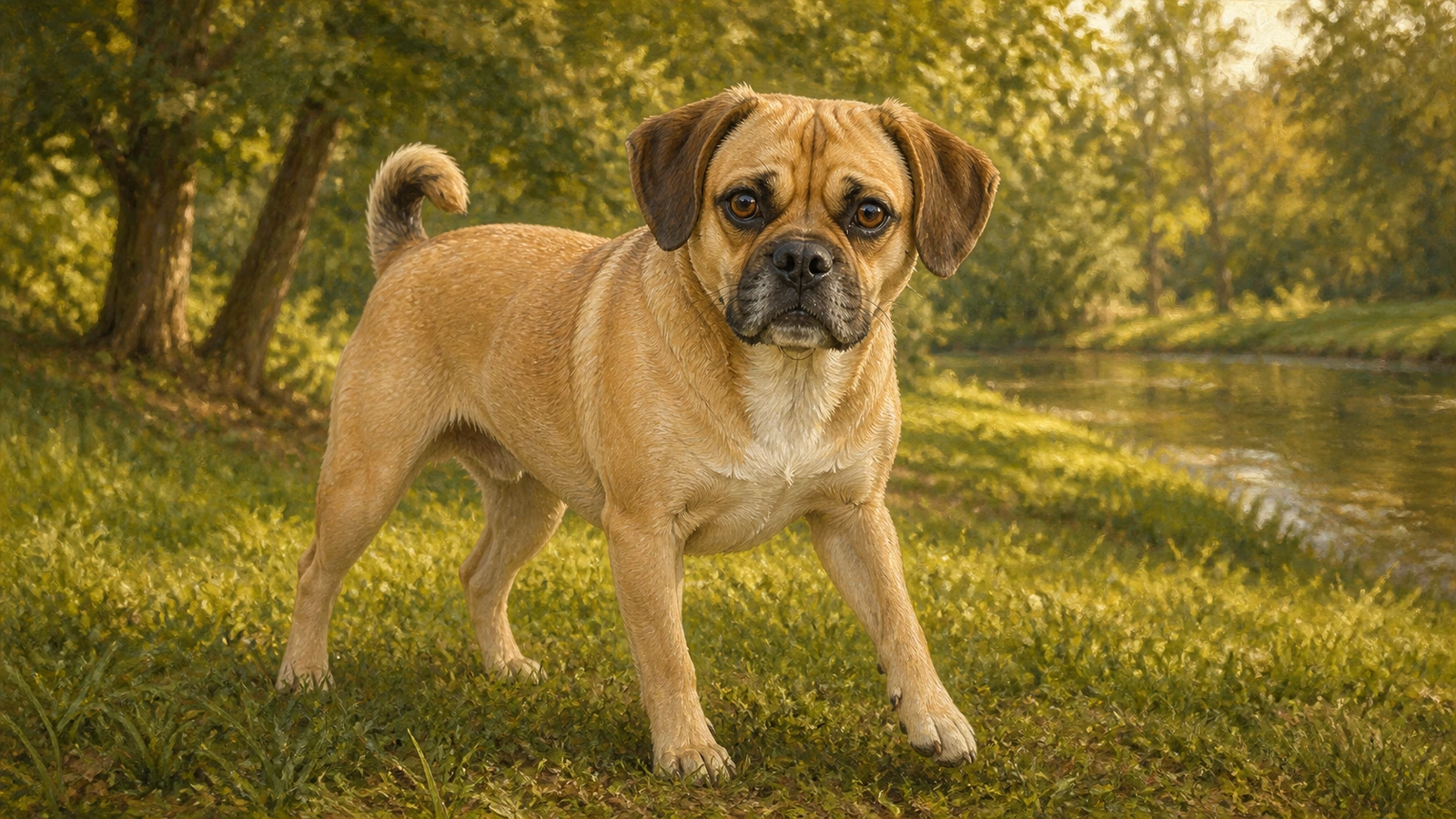
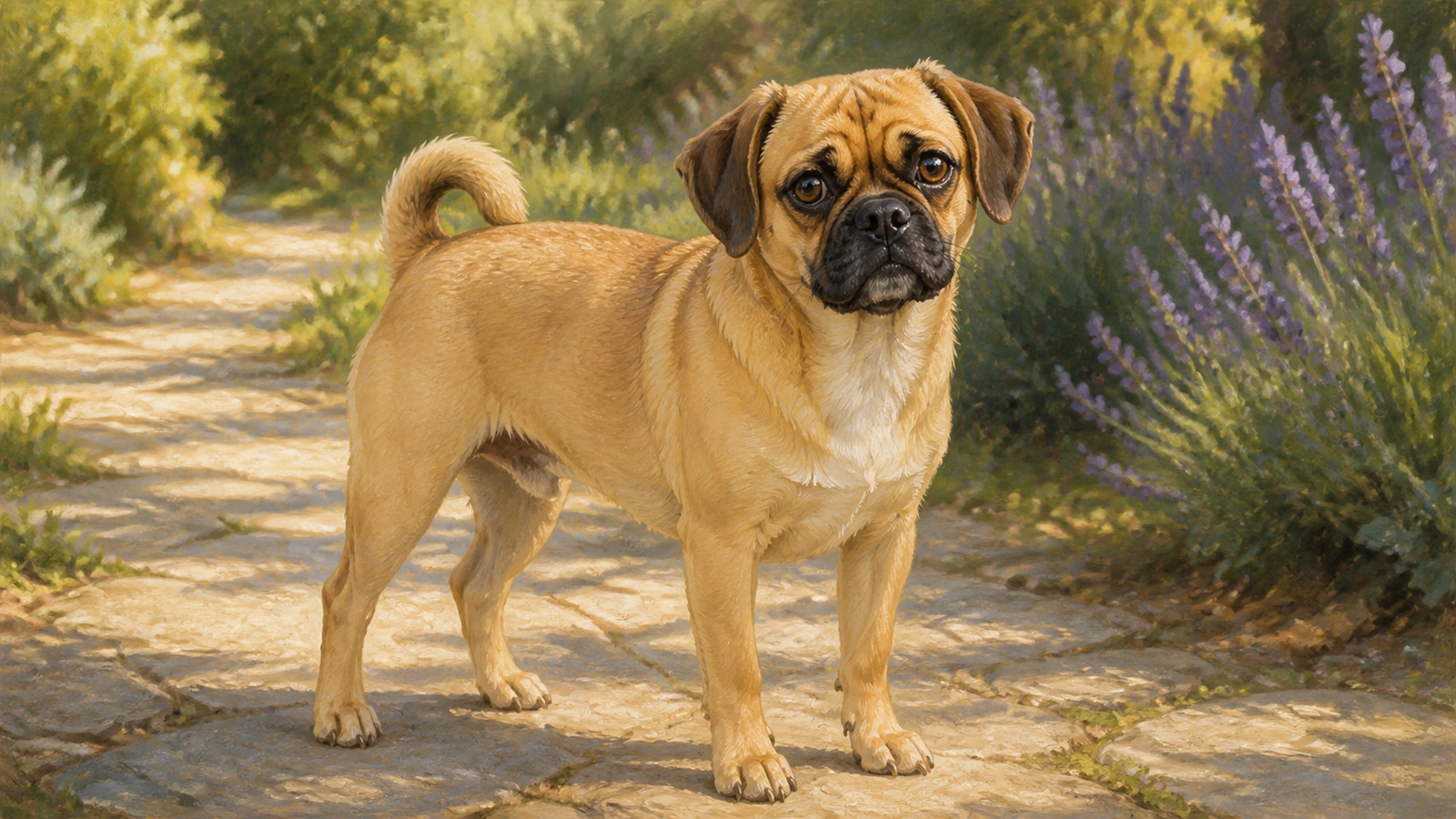
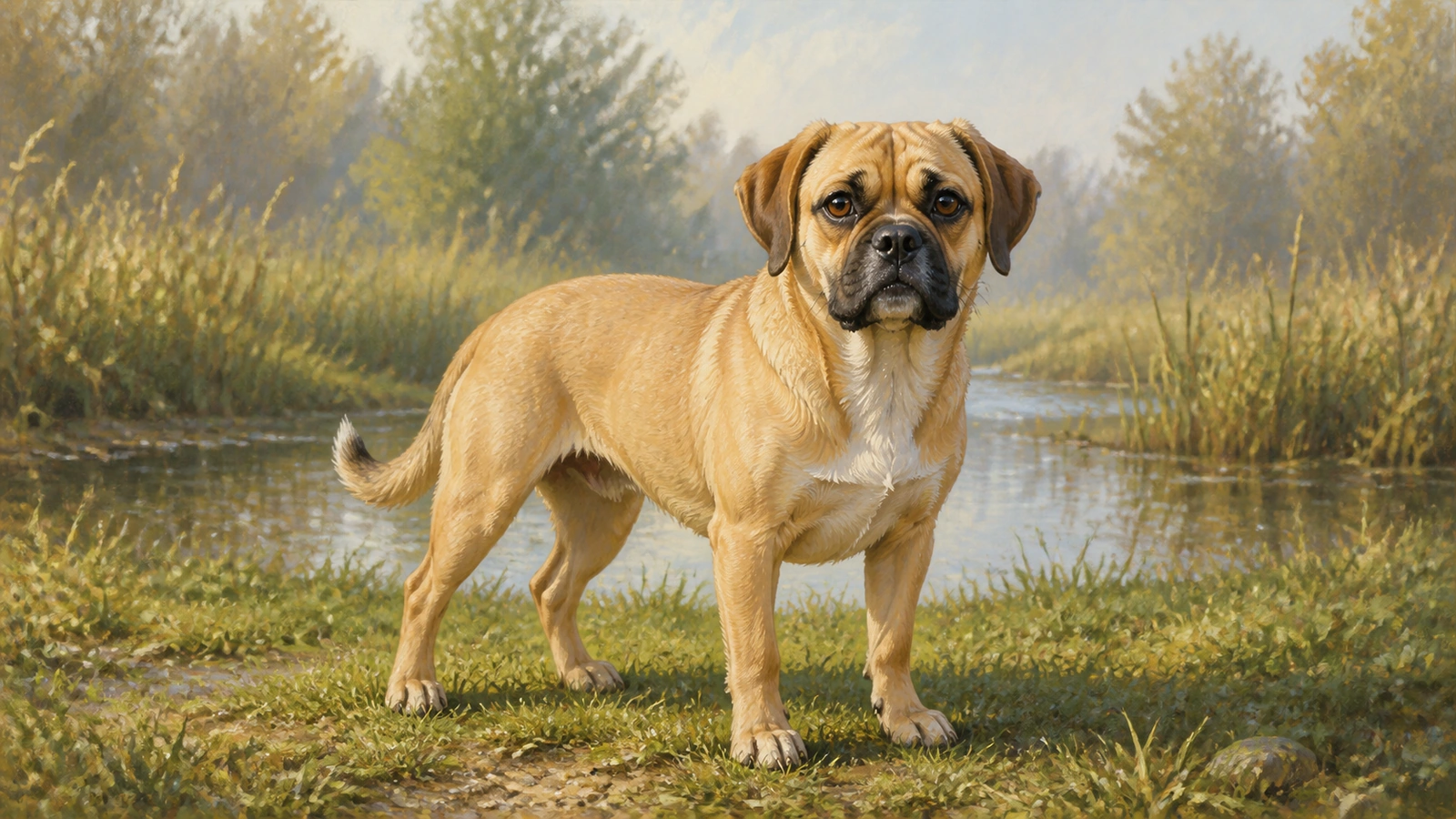
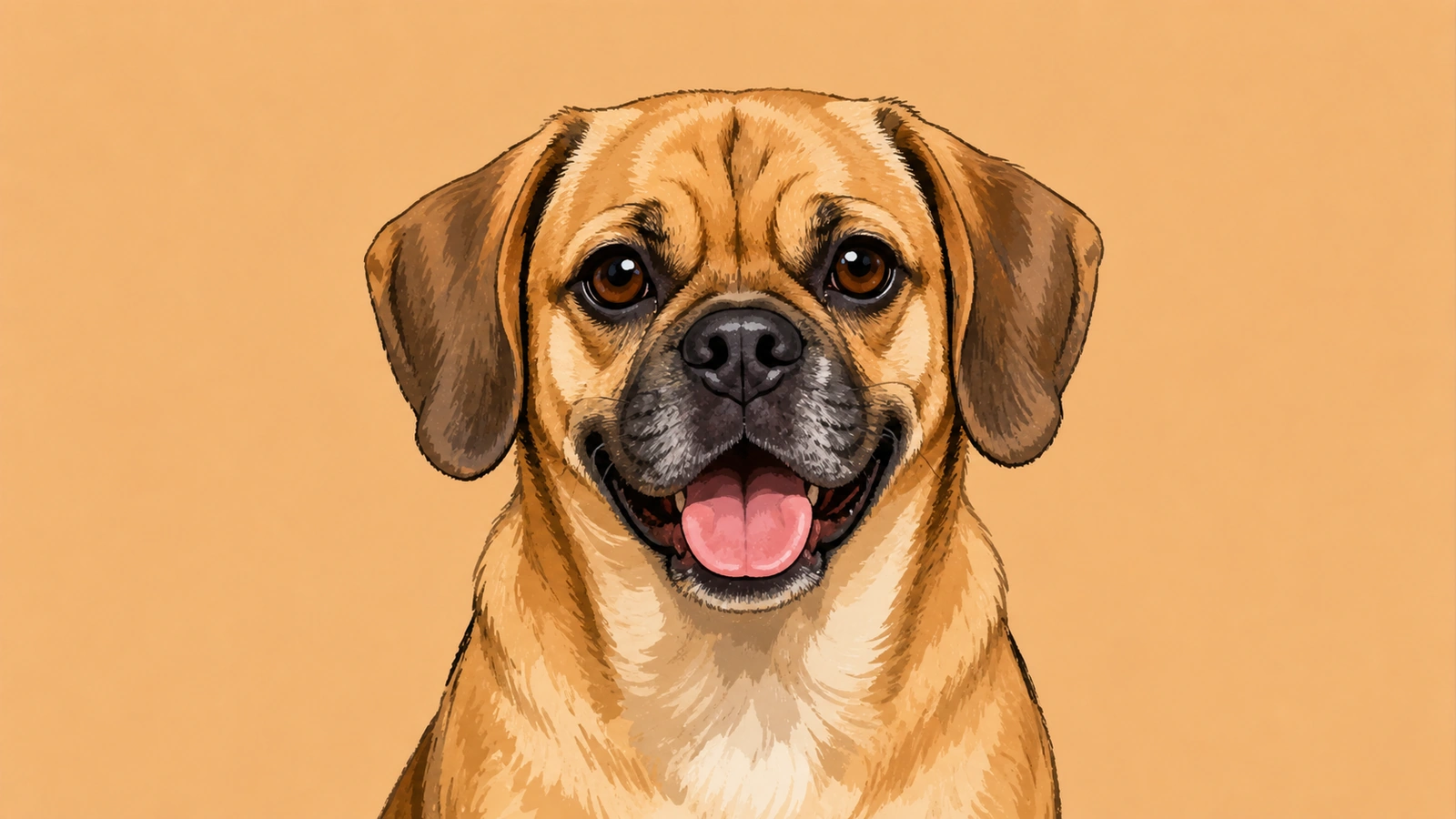
Meet the Puggle: a playful, snuggly mix of Pug charm and Beagle energy. These social sweethearts are the ultimate companions for any fun-loving home!

BREED GROUP

Hybrid Dogs

Country of origin

United States

BREED SIZE

Medium

BREED HEIGHT

10 -

15 IN

25 -

38 cm

BREED WEIGHT

25 -

30 LB

11 -

14 KG

WHAT YOU NEED TO KNOW

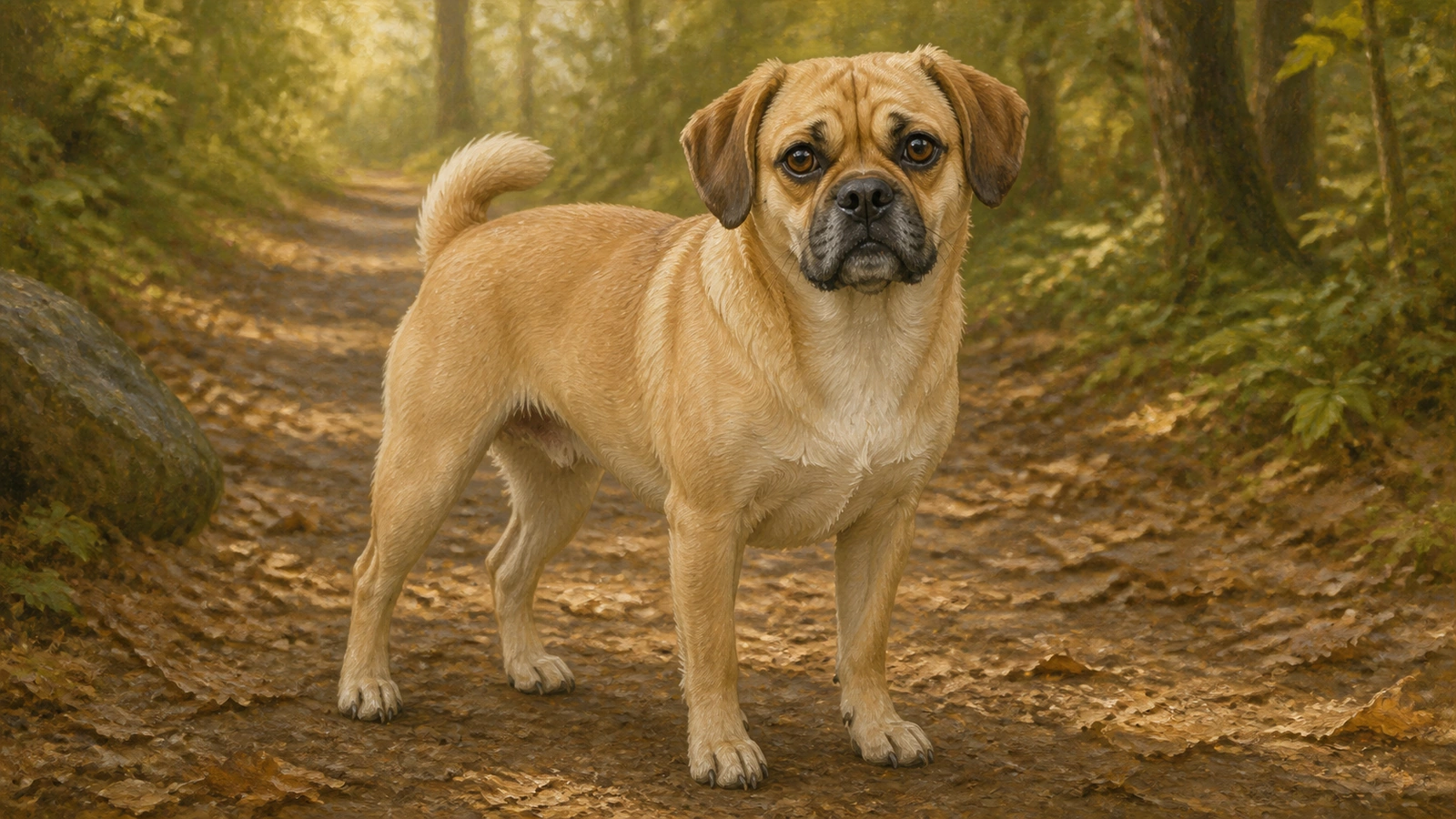
The Puggle, a charming cross between a Pug and a Beagle, is a popular designer breed originating from the United States. With a lifespan of 10 to 13 years, these affectionate companions are known for their sociable and playful nature, making them excellent additions to active households. While not officially recognized by the AKC, they possess a sturdy build and moderate energy levels that require daily exercise and mental engagement. Owners should appreciate their unique blend of traits, ensuring consistent training and socialization to manage their curious and sometimes stubborn Beagle-inspired instincts.
american kennel club (AKC) recognition

No

Breed was recognized in 0.

International Canine Federation (FCI) recognition

No

Breed was recognized in 0.
WHAT DO OWNERS WANT TO KNOW?

Are Puggles good family dogs?

Excellent

3 out of 10

The Puggle is an excellent family dog due to its affectionate, sociable, and playful nature, which makes it a great fit for active households. Their sturdy build and moderate energy levels allow them to engage well with family members, provided they receive consistent training and socialization to manage their curious instincts.

Excellent

3 out of 10

Puggles are excellent companions for children because of their patient, gentle, and playful nature. Their sturdy build allows them to handle active play, while their affectionate personality ensures they bond well with kids. However, as with all dogs, supervision is recommended during interactions to keep both the child and the dog safe.

Fair

7 out of 10

Puggles are a fair choice for first-time owners due to their affectionate, sociable nature and sturdy build. While their playful personality is rewarding, they inherit a strong stubborn streak from both parent breeds that can make training challenging for novices. Prospective owners must be prepared to provide consistent socialization and manage their independent, scent-driven instincts to ensure a well-behaved companion.

Excellent

9 out of 10

Puggles are excellent apartment dogs due to their compact size, adaptable nature, and ability to meet many of their exercise needs through indoor play. They thrive in smaller living spaces and are generally well-accepted by landlords, provided they receive daily brisk walks and mental stimulation to manage their curious Beagle heritage. Their affectionate and social personality makes them perfect companions for city dwellers seeking a charming, medium-small pet for compact homes.

Rarely Needed

9 out of 10

A yard is not strictly required for a Puggle, as they adapt exceptionally well to apartment living and are content with indoor play. While their Beagle heritage gives them moderate energy and a curious nature that would benefit from a fenced outdoor space, daily brisk walks and mental engagement are sufficient to keep this small, social breed happy and healthy.

Not Recommended

1 out of 10

Puggles are social creatures that thrive on human company and may develop separation anxiety if left alone for long periods. While they can manage moderate absences if they receive enough exercise and mental stimulation, they are best suited for households where they aren't isolated for the entire day, as boredom can lead to howling or destructive chewing.

Fair

4 out of 10

Puggles generally coexist well with cats, as they inherit a friendly and social nature from both parent breeds. While Pugs are notably easygoing and lack a strong prey drive, Beagles are pack-oriented hunters that may occasionally trigger a chase instinct. Early socialization and supervised introductions are key to ensuring a harmonious bond, but their overall affectionate temperament makes them a good fit for multi-pet households.

Reactive

2 out of 10

Puggles are generally easygoing and not naturally aggressive, typically showing a friendly and social temperament toward humans and other pets. While they can be alert and bark at strangers or visitors, they are often quick to make friends once introduced. Consistent positive reinforcement training and early socialization are important to manage their curious nature and ensure they remain well-behaved companions.

High

8 out of 10

Puggles possess a vibrant and playful energy, combining the spirited curiosity of a Beagle with the social charm of a Pug. While they enjoy vigorous play sessions, games of fetch, and brisk walks, they are also famously happy to curl up as snuggly lap dogs after their activity. To keep them physically and mentally fit, owners should provide daily exercise and indoor enrichment like puzzle toys to prevent boredom.

~30-45 min a day

2 out of 10

Puggles typically require moderate daily exercise, needing about 30 to 45 minutes of activity. This should be split into multiple brisk walks and interactive play sessions to satisfy their Beagle-inspired curiosity and Pug-like playfulness. Because they can inherit the respiratory sensitivities of the Pug, it is important to avoid overexertion, especially in hot or humid weather, and provide mental stimulation to keep their active minds engaged.

Very Poor

2 out of 10

Puggles can be highly sensitive to heat, especially those that inherit the brachycephalic facial structure of their Pug parent. This anatomy restricts airflow, making it difficult for them to cool down through panting and increasing the risk of respiratory distress and heatstroke. Owners should provide constant access to shade and fresh water, utilize air conditioning, and limit physical exertion to the cooler morning or evening hours to ensure their safety.

Very Poor

2 out of 10

Puggles can be highly sensitive to heat, especially those that inherit the brachycephalic facial structure of their Pug parent. This anatomy restricts airflow, making it difficult for them to cool down through panting and increasing the risk of respiratory distress and heatstroke. Owners should provide constant access to shade and fresh water, utilize air conditioning, and limit physical exertion to the cooler morning or evening hours to ensure their safety.

Never Banned

10 out of 10

Puggles are rarely subject to breed bans as they are designer dogs typically falling within standard weight limits for apartments. Their small size and social nature make them widely accepted by most landlords and property management companies. However, owners should always verify individual building policies and pet fees, as some rentals may have general restrictions on all pets or specific requirements for liability insurance.

WHAT DO OWNERS WANT TO KNOW?


Photo
Reviewed by
Dr. Vojtech Gabriel
DVM · PhD · MBA
Veterinarian Researcher Dog breed specialist
Verified

"Puggles are energetic and social companions, but their mixed ancestry requires specific health considerations. As a veterinarian, I focus on monitoring for Brachycephalic Obstructive Airway Syndrome (BOAS), as Puggles can inherit the Pug's restricted airway and stenotic nares, leading to heat intolerance and respiratory distress. Their Beagle heritage can contribute to a high risk of obesity and ear infections, making strict weight management and regular ear cleanings essential. I also recommend screening for hip dysplasia and eye conditions like cherry eye or corneal ulcers. To ensure a high quality of life, owners should prioritize moderate, temperature-controlled exercise and consider pet insurance to help manage potential lifelong care for these common breed-related issues."


Other Hybrid Dogs