Skip to content

Sheepadoodle - MAIN HUB

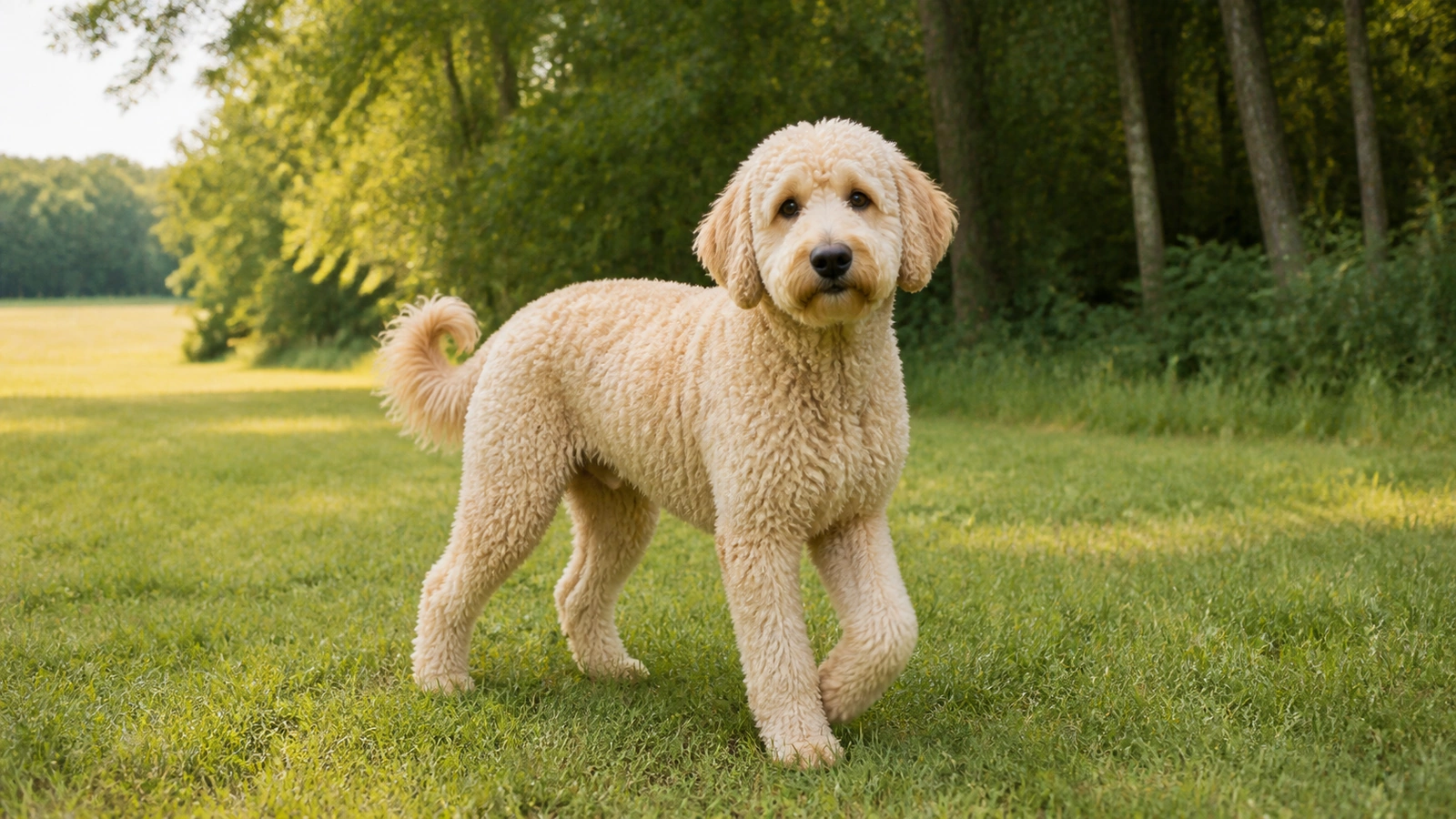
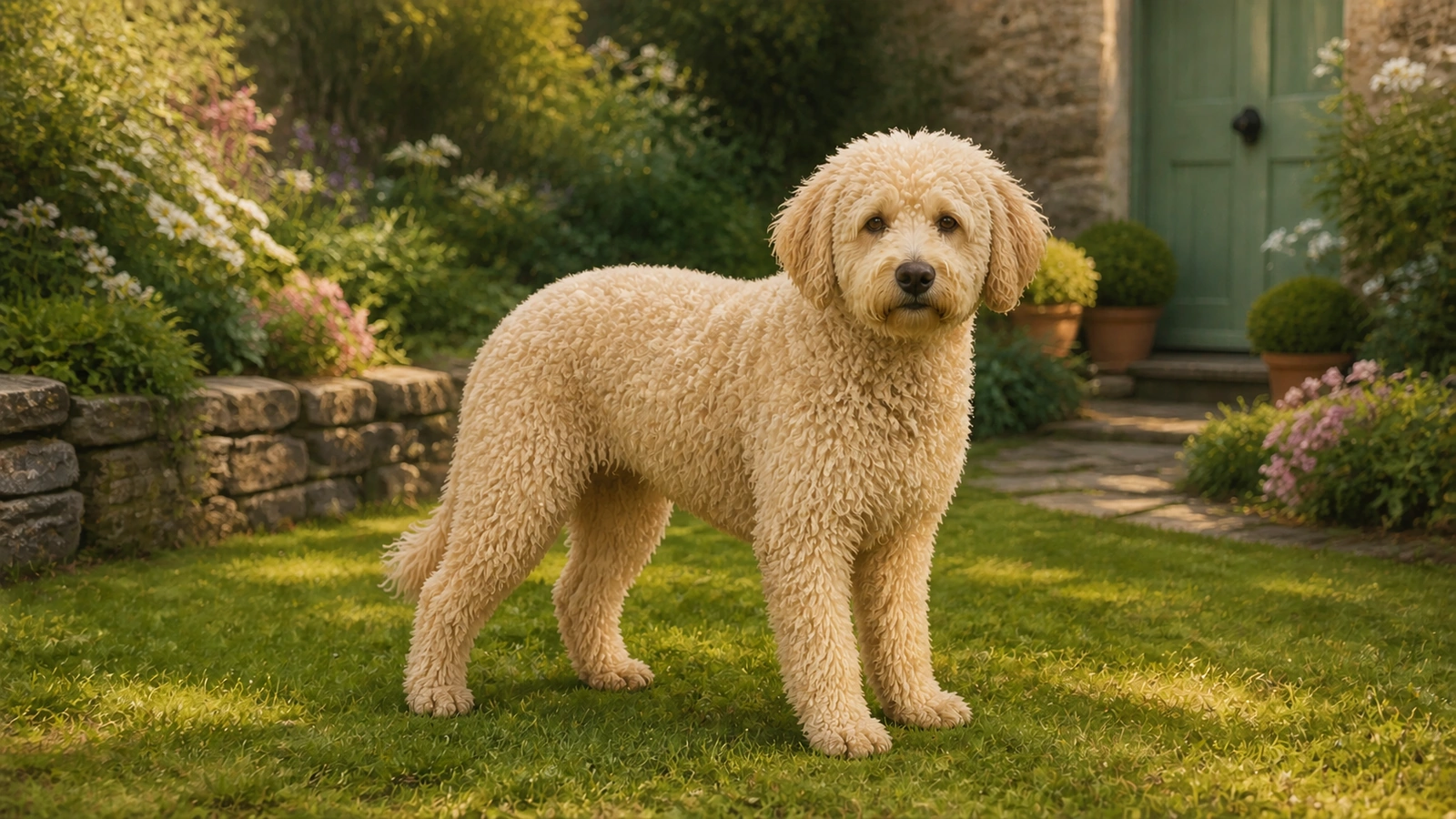
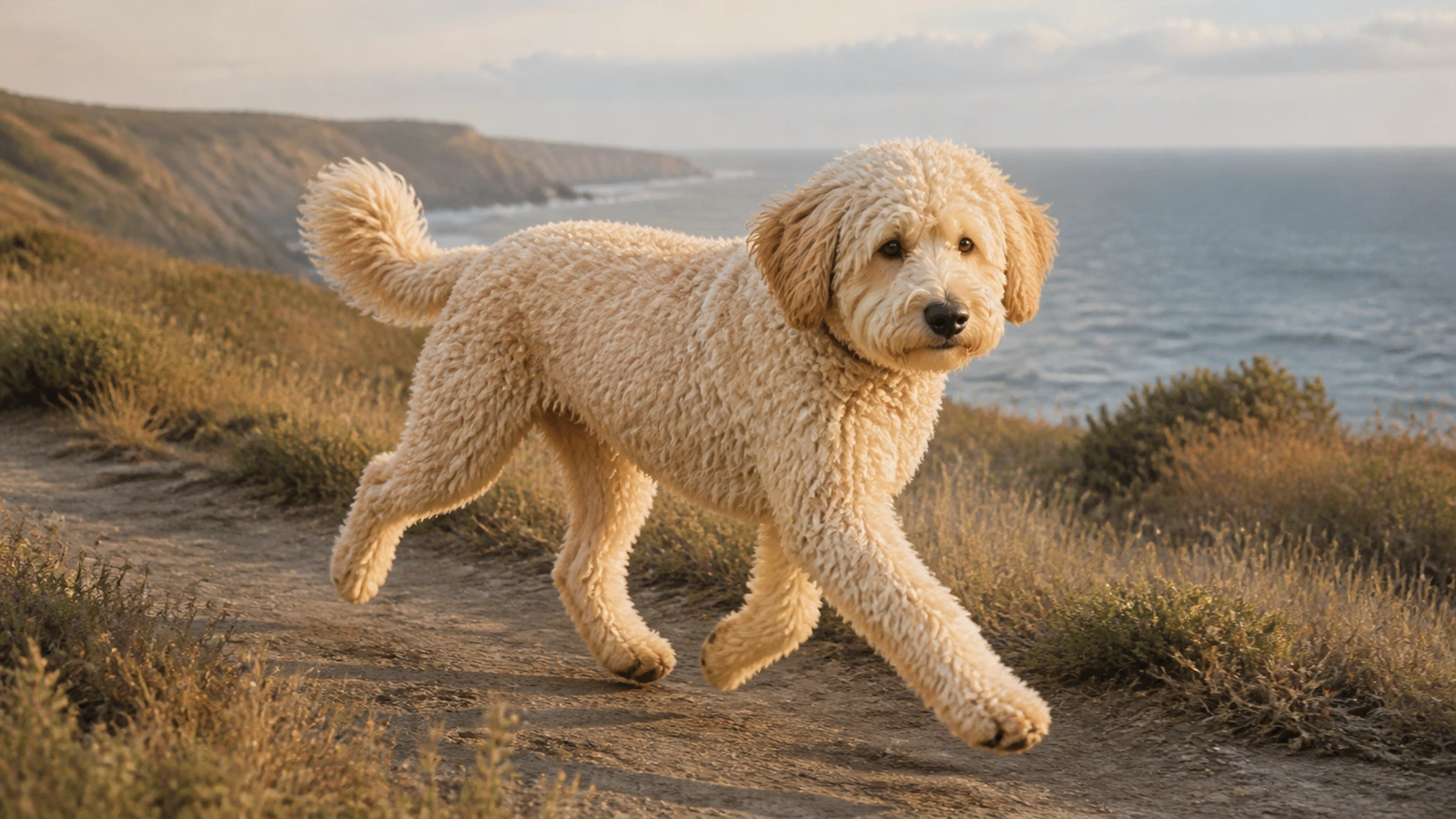
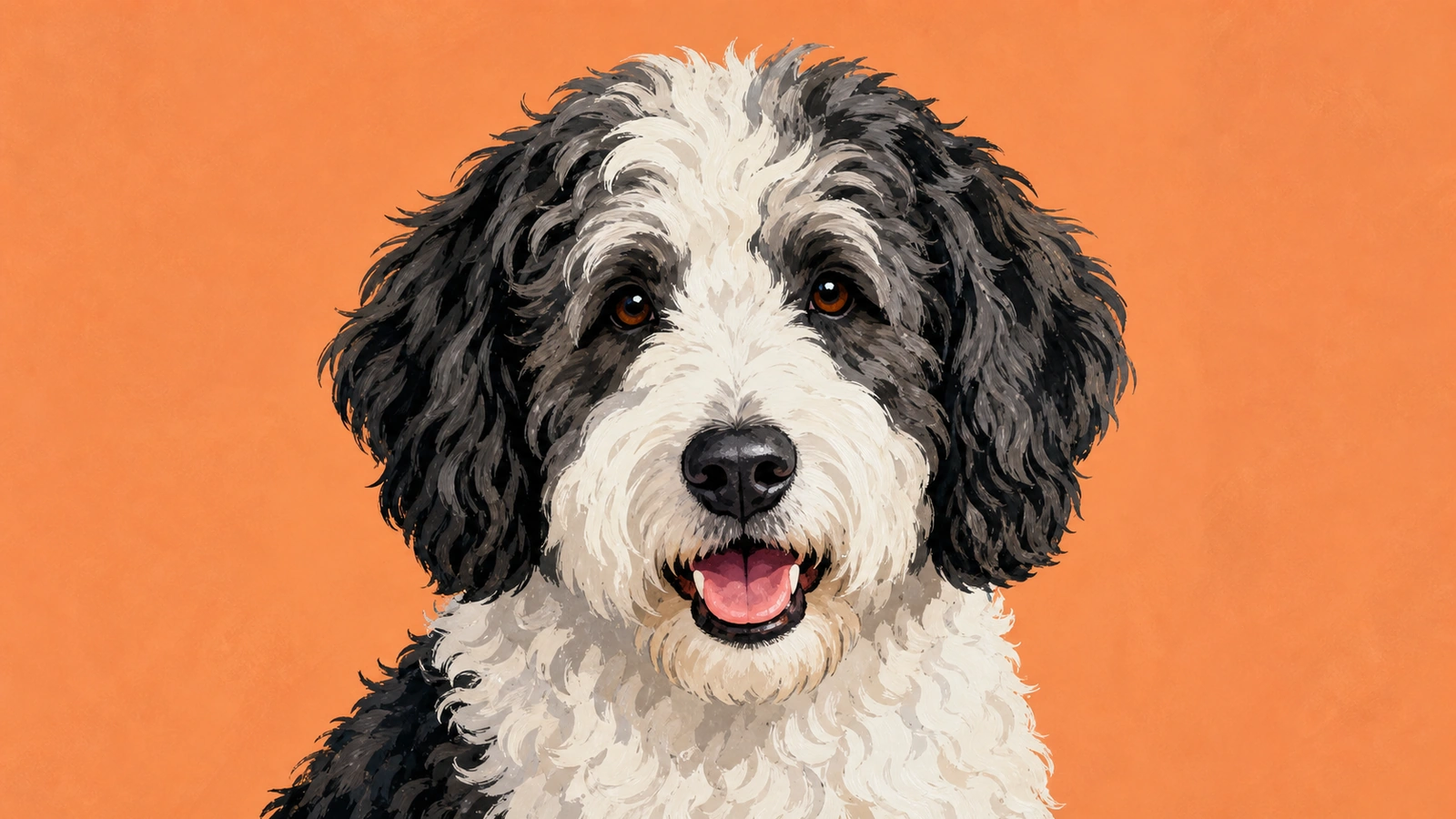
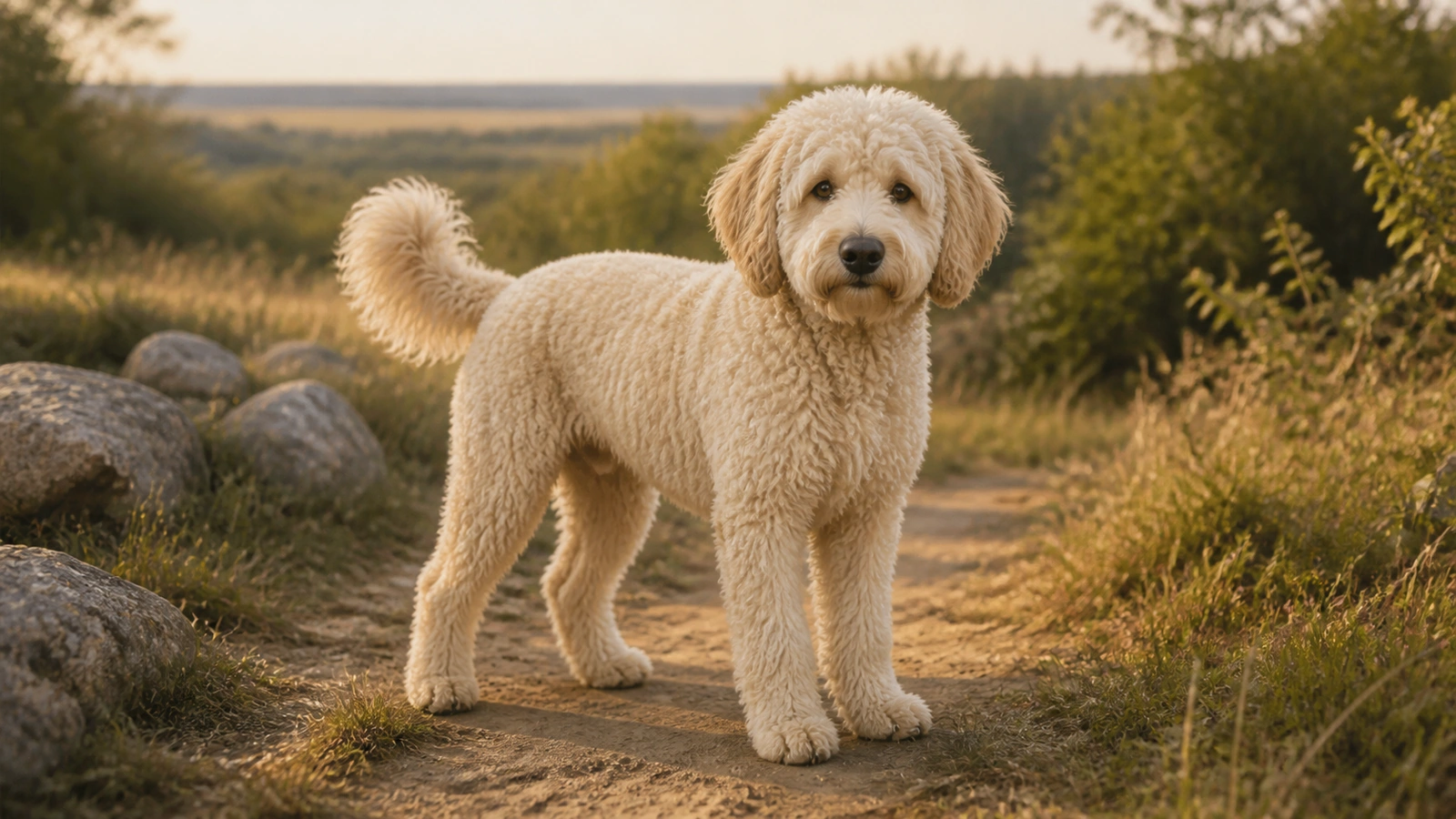
Meet the Sheepadoodle! A fluffy, genius mix of brains and snuggles, perfect for active families seeking a loyal, non-shedding best friend.

BREED GROUP

Hybrid Dogs

Country of origin

United States

BREED SIZE

Large

BREED HEIGHT

18 -

28 IN

46 -

71 cm

BREED WEIGHT

40 -

100 LB

18 -

45 KG

WHAT YOU NEED TO KNOW

The Sheepadoodle, a charming crossbreed originating from the United States, is an increasingly popular choice for dog owners seeking a loyal and affectionate companion. With a median lifespan of approximately 11.5 years, these dogs typically range in weight from 40 to 100 pounds. They are known for their intelligence and playful nature, making them suitable for active families. However, their large size and energy levels require consistent exercise and mental stimulation. Since they are not officially recognized by major kennel clubs, potential owners should prioritize finding reputable breeders and focus on early socialization.
american kennel club (AKC) recognition

No

Breed was recognized in 0.

International Canine Federation (FCI) recognition

No

Breed was recognized in 0.
WHAT DO OWNERS WANT TO KNOW?

Are Sheepadoodles good family dogs?

Excellent

3 out of 10

Sheepadoodles make excellent family dogs due to their loyal, affectionate, and intelligent nature, which allows them to bond closely with their owners. They are particularly well-suited for active households that can provide the consistent exercise and mental stimulation their large size and playful energy require.

Excellent

3 out of 10

Sheepadoodles are generally excellent with children, inheriting a patient and gentle nature from both the Old English Sheepdog and the Poodle. They are often described as big, fluffy playmates that are sturdy enough for active play and empathetic enough to offer comfort. However, their large size and inherited herding instincts mean they should be supervised around smaller children to prevent accidental knocking over or nipping during play.

Excellent

3 out of 10

Sheepadoodles can be a suitable choice for first-time owners who are prepared for the commitment of a large, high-energy breed. Their intelligence and eager-to-please nature make them highly trainable and rewarding companions. However, novices must be ready to manage their significant exercise needs, intensive grooming requirements, and potential for separation anxiety through consistent training and active engagement.

Poor

2 out of 10

Sheepadoodles can adapt to apartment living if their high energy and mental stimulation needs are met through significant daily exercise. While their large size can be a challenge in smaller spaces, they are highly affectionate and social companions that thrive on being near their owners. Consistent long walks and trips to the park are essential for city-dwelling Sheepadoodles to remain happy and well-behaved in a compact home environment.

Above Average

4 out of 10

A securely fenced yard is highly recommended for Sheepadoodles to accommodate their large size and high energy levels. While they can adapt to various living situations if provided with substantial daily exercise, they thrive when they have a safe outdoor space for free play, zoomies, and interactive games like fetch to meet their physical and mental stimulation needs.

Good

7 out of 10

Sheepadoodles are highly social "velcro dogs" that thrive on human companionship and may develop separation anxiety if left alone for long periods. While they can manage moderate solitude when provided with mental stimulation like puzzle toys or regular exercise, they are best suited for households where someone is frequently present to prevent boredom and destructive behaviors.

Good

6 out of 10

Sheepadoodles generally coexist well with cats due to their calm, affectionate, and intelligent nature. While their playful energy may trigger a desire to interact, they are highly trainable and respond well to guidance. With early socialization, slow introductions, and consistent positive reinforcement, they can form harmonious and trusting bonds with feline housemates.

Easygoing

7 out of 10

Sheepadoodles are not naturally aggressive and are known for their sweet, gentle, and easygoing temperament. While they possess protective instincts and may bark to alert owners of strangers, they are typically friendly and highly social. Any potential aggression is usually a result of poor socialization or fear, rather than a breed trait. Consistent training and early exposure to various people and environments are essential to ensure they remain well-mannered and confident companions.

High

3 out of 10

Sheepadoodles generally have low to moderate energy levels, often exhibiting a calm and steady temperament inherited from the Old English Sheepdog. While they possess great endurance and enjoy daily activities like walks and interactive play, they are typically relaxed indoors when their needs are met. About 60 minutes of daily exercise and consistent mental stimulation are usually enough to keep these loyal companions content and healthy.

~60 min a day

6 out of 10

Adult Sheepadoodles require at least 60 to 90 minutes of daily exercise, which should include a mix of brisk walks, jogging, and interactive play like fetch or swimming. Because they are highly intelligent, incorporating mental stimulation through obedience training, puzzle toys, and nose work is essential to prevent boredom and destructive behaviors. While energetic outdoors, they can develop a calm off-switch indoors if their physical and mental needs are met consistently.

Poor

3 out of 10

Sheepadoodles are moderately sensitive to hot weather due to their thick, long coats, which can trap heat and lead to overheating. Their large size also makes them more prone to heat-related stress during physical activity. Owners should provide ample shade and fresh water, limit exercise to the cooler morning or evening hours, and consider regular grooming or trims to improve air circulation. Stay alert for signs of heatstroke, such as excessive panting or lethargy, and move them to a cool, air-conditioned environment immediately if they show signs of distress.

Poor

3 out of 10

Sheepadoodles are moderately sensitive to hot weather due to their thick, long coats, which can trap heat and lead to overheating. Their large size also makes them more prone to heat-related stress during physical activity. Owners should provide ample shade and fresh water, limit exercise to the cooler morning or evening hours, and consider regular grooming or trims to improve air circulation. Stay alert for signs of heatstroke, such as excessive panting or lethargy, and move them to a cool, air-conditioned environment immediately if they show signs of distress.

Likely Banned

3 out of 10

Sheepadoodles are often subject to apartment breed bans because they are a large, high-energy crossbreed that frequently exceeds common weight limits. Many property managers classify them alongside restricted parent breeds like the Old English Sheepdog, often citing insurance liabilities or concerns regarding their size and activity levels in compact living spaces. To improve your chances of approval, consider providing a pet resume with training certifications, vet records, and references from previous landlords.

WHAT DO OWNERS WANT TO KNOW?


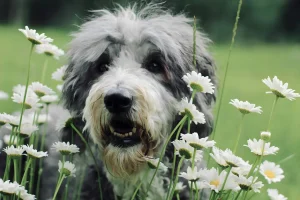
Photo
Reviewed by
Dr. Vojtech Gabriel
DVM · PhD · MBA
Veterinarian Researcher Dog breed specialist
Verified

"As a large crossbreed, Sheepadoodles are predisposed to specific health issues, including bloat, hip dysplasia, and elbow dysplasia. Owners should maintain their dog's lean weight and consider feeding multiple smaller meals to mitigate bloat risk."

Other Hybrid Dogs