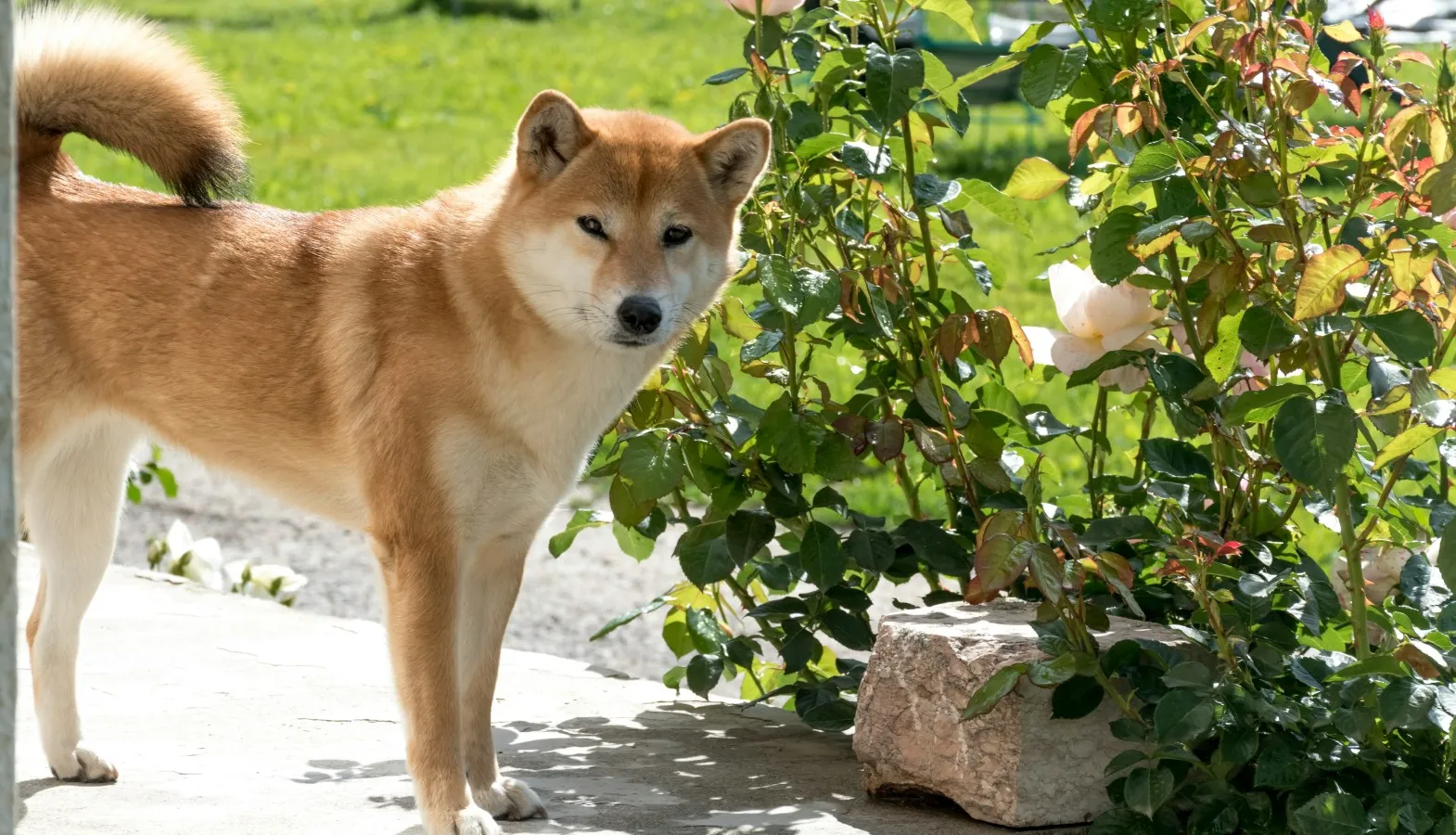
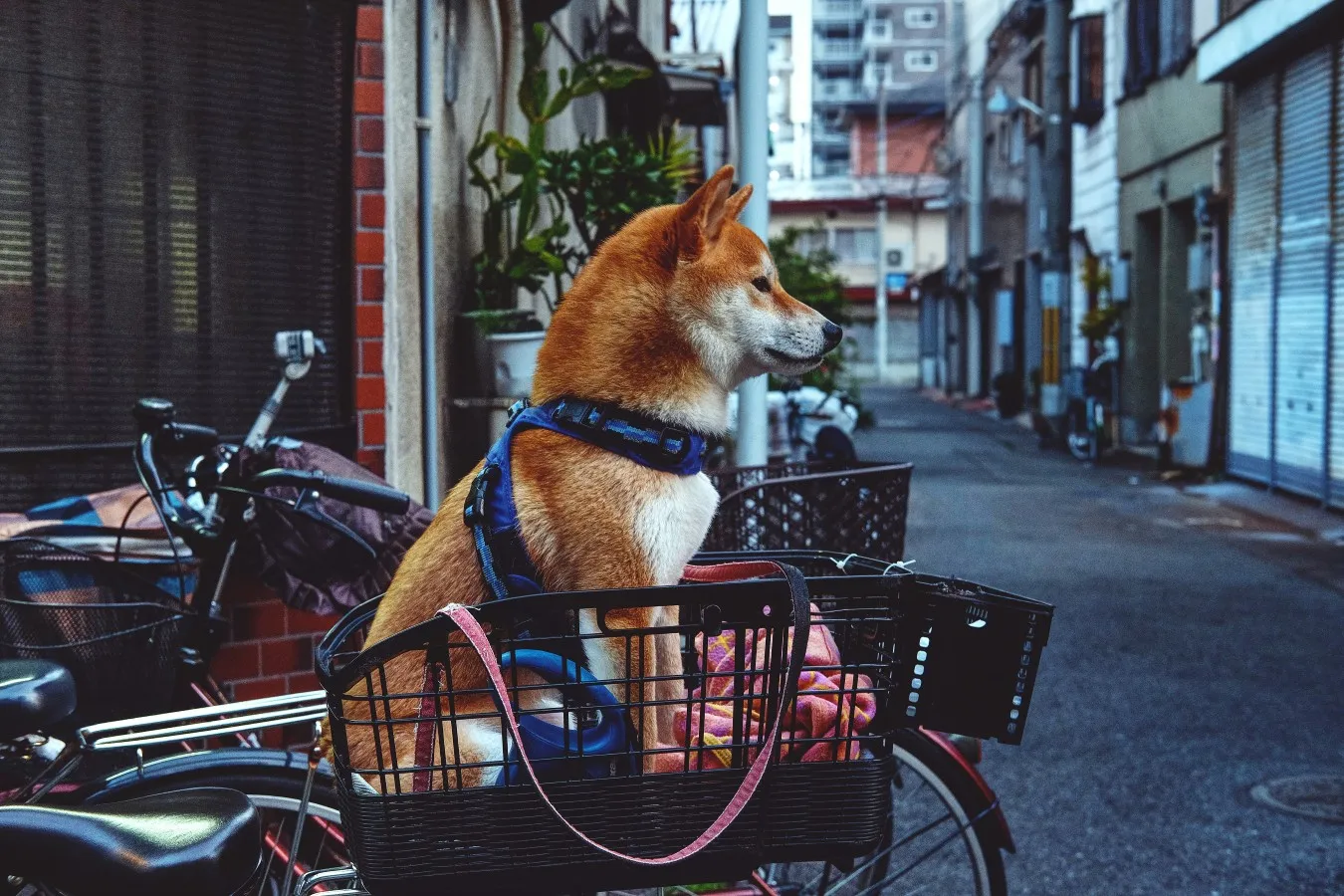
Shiba Inu - MAIN HUB
BREED GROUP
Spitz Dogs
Country of origin
Japan
BREED SIZE
Small
BREED HEIGHT
14 -
17 IN
36 -
43 cm
BREED WEIGHT
17 -
23 LB
8 -
10 KG
WHAT YOU NEED TO KNOW
american kennel club (AKC) recognition
Yes
Breed was recognized in 1992.

International Canine Federation (FCI) recognition
Yes
Breed was recognized in 1964.
WHAT DO OWNERS WANT TO KNOW?
Are Shiba Inus good family dogs?
Good
7 out of 10
Shiba Inus can be good family dogs for active households that appreciate a spirited and bold personality. However, their stubborn and aloof nature means they are often better suited for experienced owners who can establish firm boundaries.
Are Shiba Inus good with kids?
Average
5 out of 10
Shiba Inus can be good companions for children, but they are generally best suited for families with older kids who respect their independent nature. While their spirited personality and sturdy size make them fun playmates, they can be sensitive to rough handling or invasions of their personal space. Early socialization and teaching children how to interact gently are crucial to ensure a positive and safe bond.
Are Shiba Inus good dogs for first time owners?
Not Recommended
1 out of 10
Shiba Inus are generally not recommended for first-time owners due to their independent, stubborn, and cat-like nature. They require an experienced, patient handler who can provide consistent training and firm boundaries, as they lack a natural desire to please and can be challenging for novices to motivate and manage.
Are Shiba Inus good apartment dogs?
Great
8 out of 10
Shiba Inus are well-suited for apartment living due to their small size, clean nature, and tendency to be calm indoors. While they are independent and cat-like, they adapt well to smaller spaces provided they receive adequate daily walks and mental stimulation. Owners should be mindful of their unique Shiba scream and vocalizations, which may require training to manage in shared housing environments.
Do Shiba Inus need a yard?
Recommended
4 out of 10
A yard is not strictly required for a Shiba Inu, as they are adaptable and can thrive in apartments if their physical and mental exercise needs are met through multiple daily walks. However, a securely fenced yard is highly recommended due to their high prey drive and tendency to roam. Because they are notorious escape artists that cannot be trusted off-leash, any outdoor space must be fully enclosed with a high, secure fence to ensure their safety.
Can Shiba Inus be left at home alone?
Exceptional
10 out of 10
Shiba Inus are highly independent and cat-like, allowing them to tolerate being left alone better than many other breeds. While they can manage moderate periods of solitude, they still require mental stimulation and daily exercise to prevent boredom. Owners should ensure they have a secure environment, as their independent nature may lead them to find their own entertainment if left for too long.
Do Shiba Inus tolerate cats well?
Poor
2 out of 10
Shiba Inus can coexist with cats, particularly when raised together from a young age, but their high prey drive may trigger a desire to chase. They often respect assertive cats that set firm boundaries. Consistent training with commands like "leave it" and providing high perches for the cat are essential for a harmonious home. Supervision is highly recommended, especially during early introductions.
Are Shiba Inus known to be aggressive?
Protective
3 out of 10
Shiba Inus are not naturally aggressive but possess a spirited, independent, and sometimes aloof temperament that can be mistaken for hostility. Originally bred for hunting, they have a high prey drive and can be territorial or possessive of their resources. While they are fiercely loyal to their families, they may be wary of strangers and are often intolerant of other dogs, especially those of the same sex. Consistent training and early socialization are essential to manage their bold personality and ensure they remain well-behaved companions.
Do Shiba Inus have a lot of energy?
High
7 out of 10
Shiba Inus have moderate to high energy levels, characterized by short bursts of activity and a spirited, independent nature. While they are often calm and cat-like indoors, they require 45 to 90 minutes of daily purposeful activity, such as brisk walks and mental stimulation, to prevent boredom and destructive behaviors. They are not overly hyper but possess a strong prey drive and environmental alertness that makes them eager for outdoor adventures.
How much exercise do Shiba Inus need?
~90 min a day
8 out of 10
Shiba Inus require about 1 to 2 hours of daily exercise. They enjoy brisk walks and mental stimulation, but should always be kept on a leash due to their high prey drive.
Do Shiba Inus tolerate hot weather well?
Good
7 out of 10
Shiba Inus generally tolerate warm weather well because their double coat acts as insulation against both heat and cold. However, they can still overheat in extreme humidity or high temperatures, so owners should provide constant shade, fresh water, and air conditioning. It is best to limit strenuous exercise to the cooler morning or evening hours and avoid walking on hot pavement to protect their paws.
Are Shiba Inus good with cold weather?
Good
7 out of 10
Shiba Inus generally tolerate warm weather well because their double coat acts as insulation against both heat and cold. However, they can still overheat in extreme humidity or high temperatures, so owners should provide constant shade, fresh water, and air conditioning. It is best to limit strenuous exercise to the cooler morning or evening hours and avoid walking on hot pavement to protect their paws.
Are Shiba Inus sometimes banned from rentals?
Rarely Banned
8 out of 10
Shiba Inus are rarely subject to breed bans as they are generally regarded as excellent apartment dogs due to their small size, quiet nature, and cleanliness. While they may occasionally be restricted by landlords who confuse them with the larger Akita Inu or cite their hunting background, they typically fall within standard weight limits. Always verify specific landlord policies regarding size restrictions or individual breed lists.
WHAT DO OWNERS WANT TO KNOW?