Shiba Inu Health and Costs
Breed Group
Spitz Dogs
Country of Origin
Japan
Breed Size
Small
AKC Recognition
Yes, recognized in 1992
FCI Recognition
Yes, recognized in 1964
Rarity
Very Common2 / 10
Purchase cost
Moderate to Expensive6 / 10
Life expectancy
Long Lifespan8 / 10
Health
Generally healthy7 / 10
Health problem risk
Moderate health concerns4 / 10
Maintenance cost
Moderate upkeep cost4 / 10
A Veterinarian's Guide
Shiba Inu Health Problems and Costs
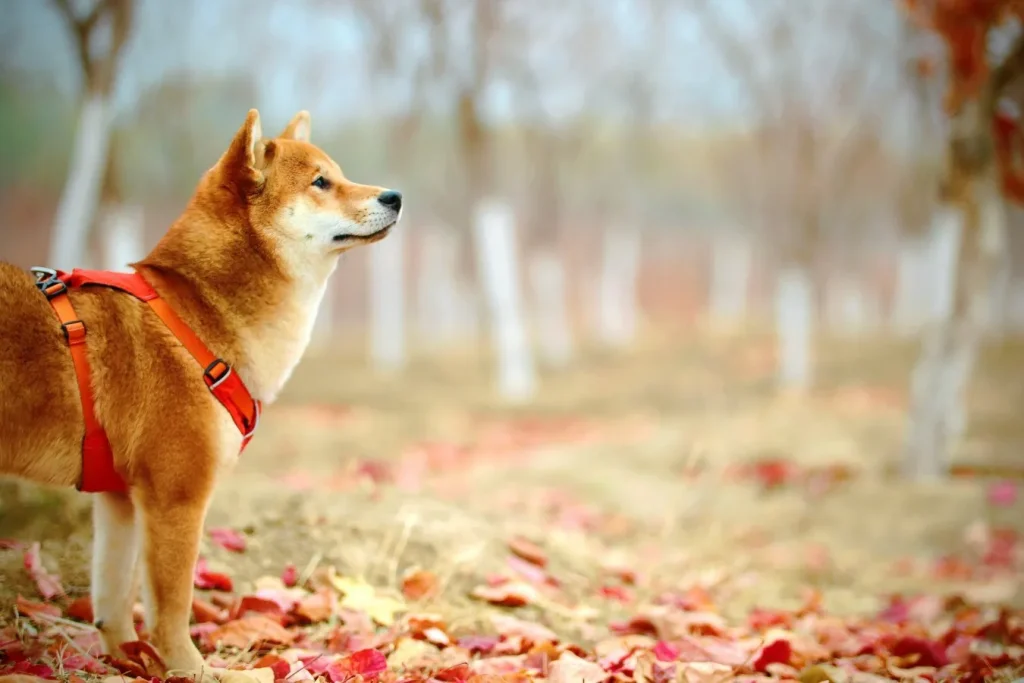
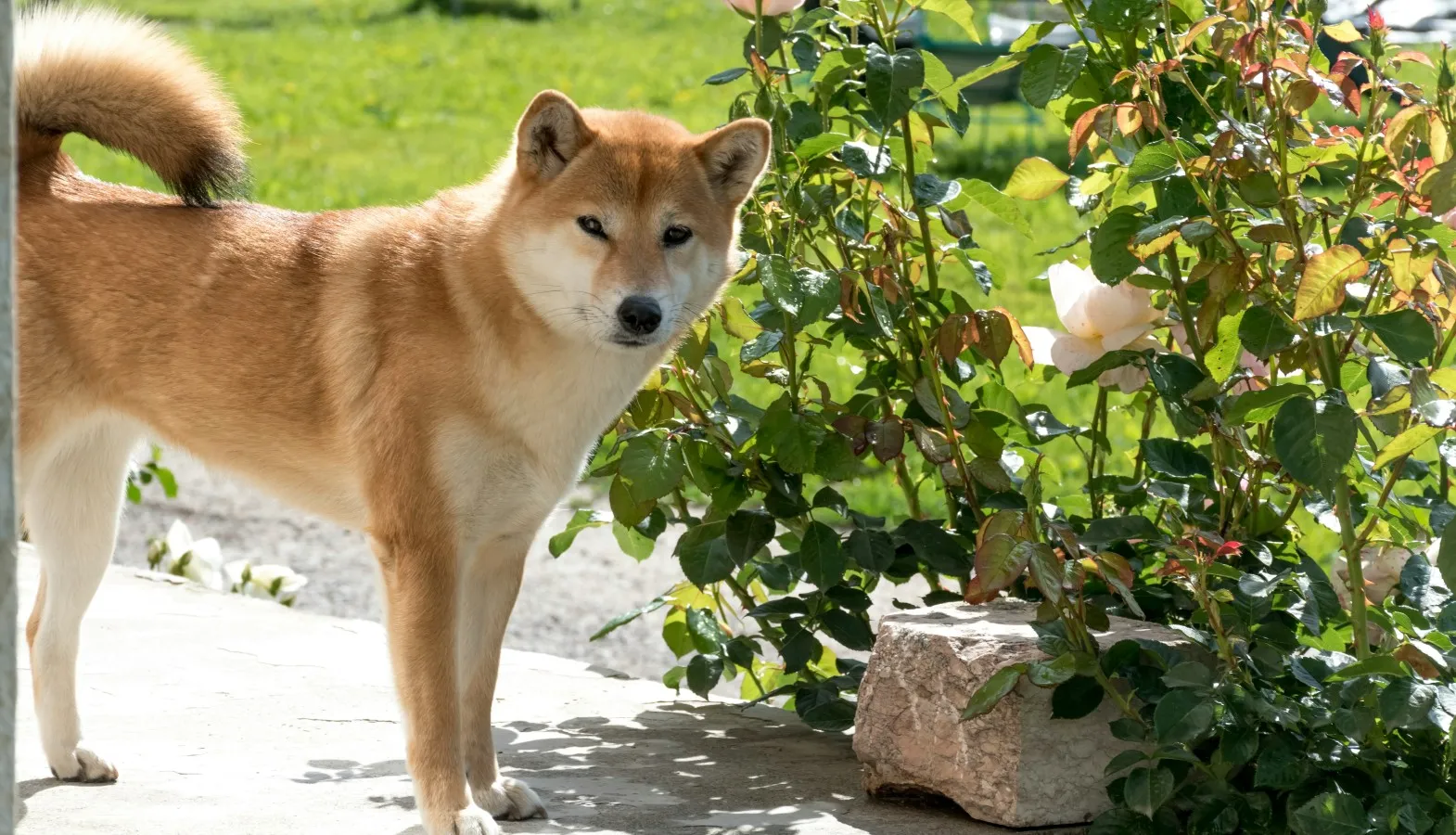
The Shiba Inu is a small, sturdy Japanese breed with a fox-like face, and most are healthy and live into their teens. A few problems come up often, though: kneecaps that slip, itchy allergic skin, an eye condition called glaucoma, and dental disease. Knowing them before you bring a puppy home, or while you already share your life with one, makes screening and vet visits much easier to plan.
In this guide
Are Shiba Inus Prone to Joint Problems?
Patellar luxation, a kneecap that slips out of its normal groove, is the breed's best-known joint problem, and one Japanese survey of small breeds found about 35 percent of the Shiba Inus surveyed were affected. The name comes from the Latin patella, "small dish," and luxare, "to dislocate." PetMD notes it can cause pain, limping, and eventually arthritis, although some dogs show no signs at all. Mild cases are usually monitored, while severe ones may need surgery.
A veterinarian can often feel a loose kneecap during a routine exam. The breed club also recommends a hip evaluation, an X-ray check of how well the hip joints fit together, for breeding dogs. Keeping your dog lean is one of the most controllable ways to protect the joints for life.
Why Is Allergic Skin Disease Common in Shibas?
Atopic dermatitis, an allergic skin reaction to things like pollen, dust mites, or grass, is a recognized problem in the breed, and PetMD lists environmental allergies among its main concerns. The word atopic comes from the Greek atopos, "out of place." Affected dogs often itch, lick their paws, have red skin, and get recurring skin or ear infections.
Allergies are managed rather than cured, usually with regular bathing, ear cleaning, and veterinary-prescribed medication. An ear infection that keeps coming back is often a clue to an underlying allergy, so it is worth asking your veterinarian about the cause and not only repeating ear cleanings.
What Eye Problems Should I Watch For?
A red, painful, bulging, or suddenly cloudy eye needs an emergency veterinarian right away, because acute glaucoma can cause permanent blindness within hours.
Glaucoma, a harmful rise of pressure inside the eye, appears to be over-represented in the breed. In a Japanese referral study, Shiba Inus made up about a third of the glaucoma cases but only a small share of all dogs examined. As VCA explains, acute glaucoma is an emergency, because the pressure must be lowered quickly to limit permanent damage.
- 01
Squinting or pawing at the eye
Rubbing, turning away when touched, or keeping the eye partly closed.
- 02
Red or cloudy eye
A bloodshot white of the eye or a cloudy, bluish surface.
- 03
Bulging eyeball or watery discharge
An eye that looks swollen or is tearing more than usual.
- 04
Sudden vision loss or lethargy
Bumping into things, low energy, or not eating. Go to the nearest clinic at once.
The breed club recommends an eye examination by a veterinary ophthalmologist for breeding dogs, and the AKC health testing list includes it alongside the patella and hip evaluations. A baseline exam also makes later changes easier to spot.
Are There Dental Concerns to Know About?
Periodontal disease, infection of the gums and the tissue holding the teeth, is common in Shibas, and PetMD recommends daily tooth brushing and yearly veterinary checkups. The disease often progresses quietly until it is advanced, so home brushing and professional cleanings starting before middle age make a real difference.
What Does Managing a Shiba's Health Actually Cost?
| Condition or Need | Typical Cost Range | Notes |
|---|---|---|
| Allergy management | $300 to $800/year | Visits, medication, medicated shampoos |
| Patellar luxation surgery | $1,500 to $3,000 per knee | Only if the grade calls for surgery |
| Dental cleaning | $400 to $900 | Higher if extractions are needed |
| Annual eye exam | $75 to $200 | Breeding dogs, and if pressure concerns arise |
| Hip and patella radiographs | $250 to $450 | For breeding dogs, ideally |
These are general estimates that vary by region and clinic, so treat them as a planning guide and ask your veterinarian for a quote. Glaucoma care varies too much to price, so ask for a plan if it is diagnosed.
Questions to Ask a Breeder Before Buying a Puppy
Ask for the parents' patella, hip, and eye evaluation results, since the breed club recommends all three for breeding dogs. It is also fair to ask about any history of glaucoma, skin allergies, or kneecap problems in the line. A breeder who answers clearly and shows documentation is a good sign.
Daily Life With a Shiba Inu
Shibas are high-energy, and PetMD suggests daily scent walks, games, and food puzzles to keep body and mind busy. They tend to graze, so measured meals matter, because overfeeding leads to weight gain that stresses the joints.
The thick double coat sheds moderately year-round with one or two heavy molts, as the grooming guide explains, and brushing is also a chance to spot skin changes early. Shibas are independent, opinionated dogs, as the personality profile describes, and early, patient training with positive reinforcement works best.
Keeping Your Shiba Healthy for the Long Run
Keep your dog lean, brush the teeth, and ask your veterinarian early about itchy skin or recurring ear infections. Have the knees and eyes checked at routine visits. Pet insurance is worth pricing while your dog is young and healthy, since a pre-existing diagnosis can limit what is covered later.
Final Thoughts From a Veterinarian
Shibas usually live 13 to 16 years and are a hardy, spirited breed. Keep weight lean, brush the teeth, ask early about itchy skin, and treat a red, painful, or cloudy eye as an emergency. Your veterinarian can tailor a screening and care plan.
Health & Costs FAQ
How much do Shiba Inu cost?
The cost of a Shiba Inu typically ranges from $1,500 to $3,500 when purchased from a reputable breeder. Adoption fees are significantly lower, usually between $100 and $800. Owners should also budget for initial supplies, vaccinations, and potential costs for treating breed-specific allergies.
Purchase cost: 6 / 10
How long do Shiba Inu live?
Shiba Inus typically enjoy a robust lifespan of 13 to 16 years. As one of the healthiest dog breeds, their longevity is well-supported by a high-quality diet and regular exercise. Providing consistent veterinary care ensures your spirited companion remains a healthy part of your happy family for many years.
Life expectancy: 8 / 10
Are Shiba Inu healthy dogs?
Shiba Inus are generally healthy and hardy, with a typical lifespan of 13 to 16 years. Breed-typical concerns include patellar luxation, allergic skin disease, glaucoma, and dental disease, and the breed club recommends patella, hip, and eye evaluations for breeding dogs.
Health: 7 / 10
What health problems do Shiba Inu have?
Shiba Inus are prone to patellar luxation, environmental allergies that cause itchy skin and ear infections, glaucoma, and dental disease. Glaucoma is an emergency, so a red, painful, or cloudy eye needs a veterinarian right away. Regular check-ups help catch these concerns early.
Health problem risk: 4 / 10
Are Shiba Inu expensive to maintain?
Shiba Inus have moderate maintenance costs similar to other medium breeds. While grooming is manageable at home, secure fencing is a non-negotiable expense due to their escape-artist nature. Owners should also budget for potential orthopedic treatments and professional training to manage their independent temperament.
Maintenance cost: 4 / 10
How much does it cost to own a Shiba Inu per month?
Monthly costs for a Shiba Inu vary widely, from about $67 to $600 depending on food, insurance, routine care, and any health treatment. Ask your veterinarian for an estimate that fits your dog.
Monthly ownership cost: 6 / 10
How much does pet insurance cost for a Shiba Inu?
Pet insurance for a Shiba Inu typically costs between $30 and $60 per month, depending on age and coverage limits. Because the breed is prone to patellar luxation, allergies, and glaucoma, insurance bought while the dog is young and healthy can help with long-term veterinary expenses.
Pet insurance cost: 3 / 10
Will homeowners insurance cover a Shiba Inu?
Yes, most homeowners insurance policies cover Shiba Inus, as they are not typically on restricted breed lists. However, since individual insurers have different policies regarding spirited breeds, it is important to disclose your pet to ensure your liability coverage remains valid and comprehensive.
Homeowners insurance difficulty: 9 / 10
Are Shiba Inu on insurance restricted breed lists?
No, Shiba Inus are not typically found on insurance restricted-breed lists. These lists generally focus on larger breeds perceived as higher liability risks. As a medium-sized breed, Shiba Inus are usually covered under standard policies without the breed-specific exclusions or premium increases common for blacklisted breeds.
Insurance restriction risk: 2 / 10
Can you get renters insurance with a Shiba Inu?
Yes, you can typically get renters insurance with a Shiba Inu. They are generally not included on restricted breed lists, though some landlords may have specific size or temperament policies. Always disclose your pet to your insurer to ensure your liability coverage includes protection for dog-related incidents.
Renters insurance difficulty: 8 / 10