Skip to content

Cane Corso - MAIN HUB

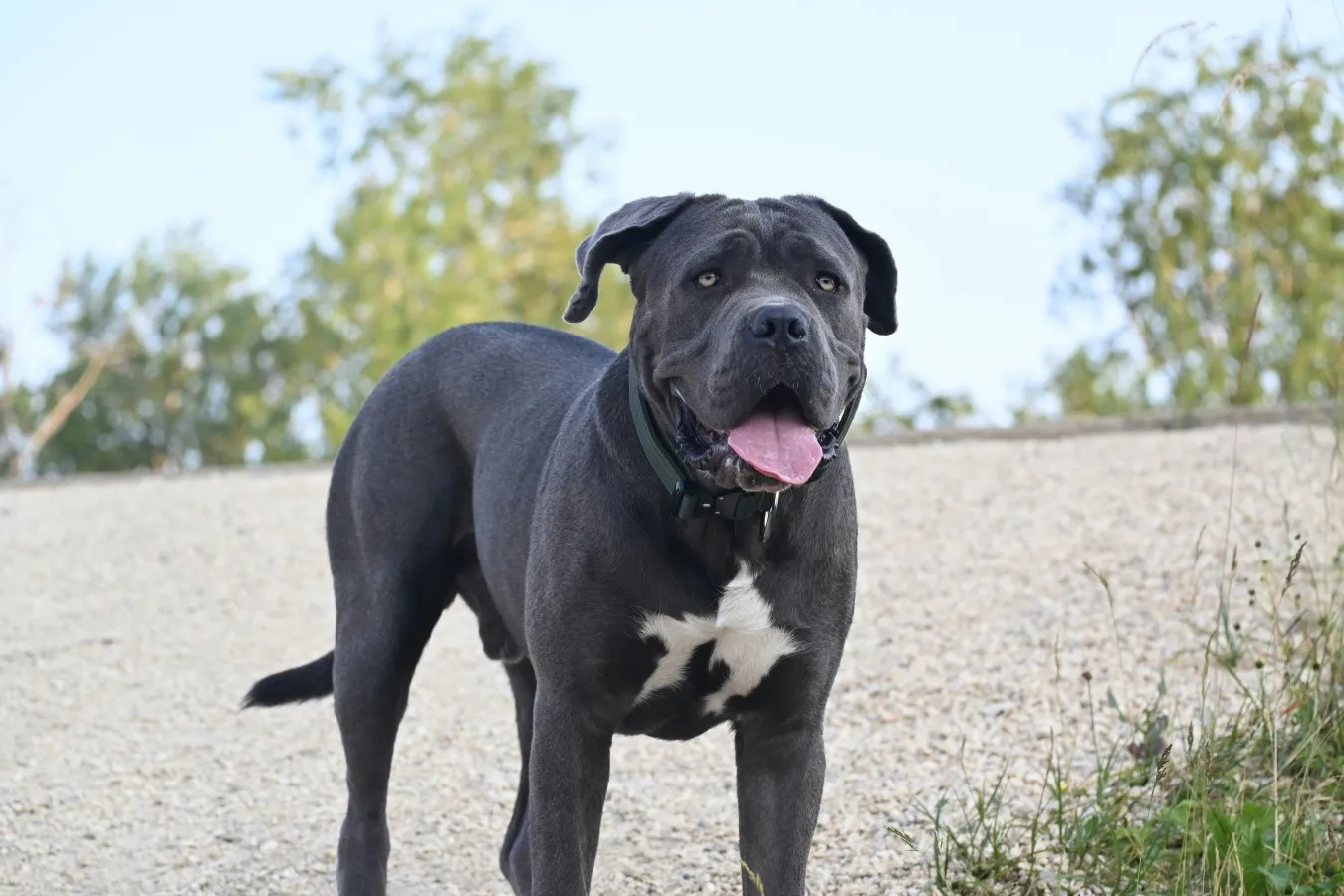
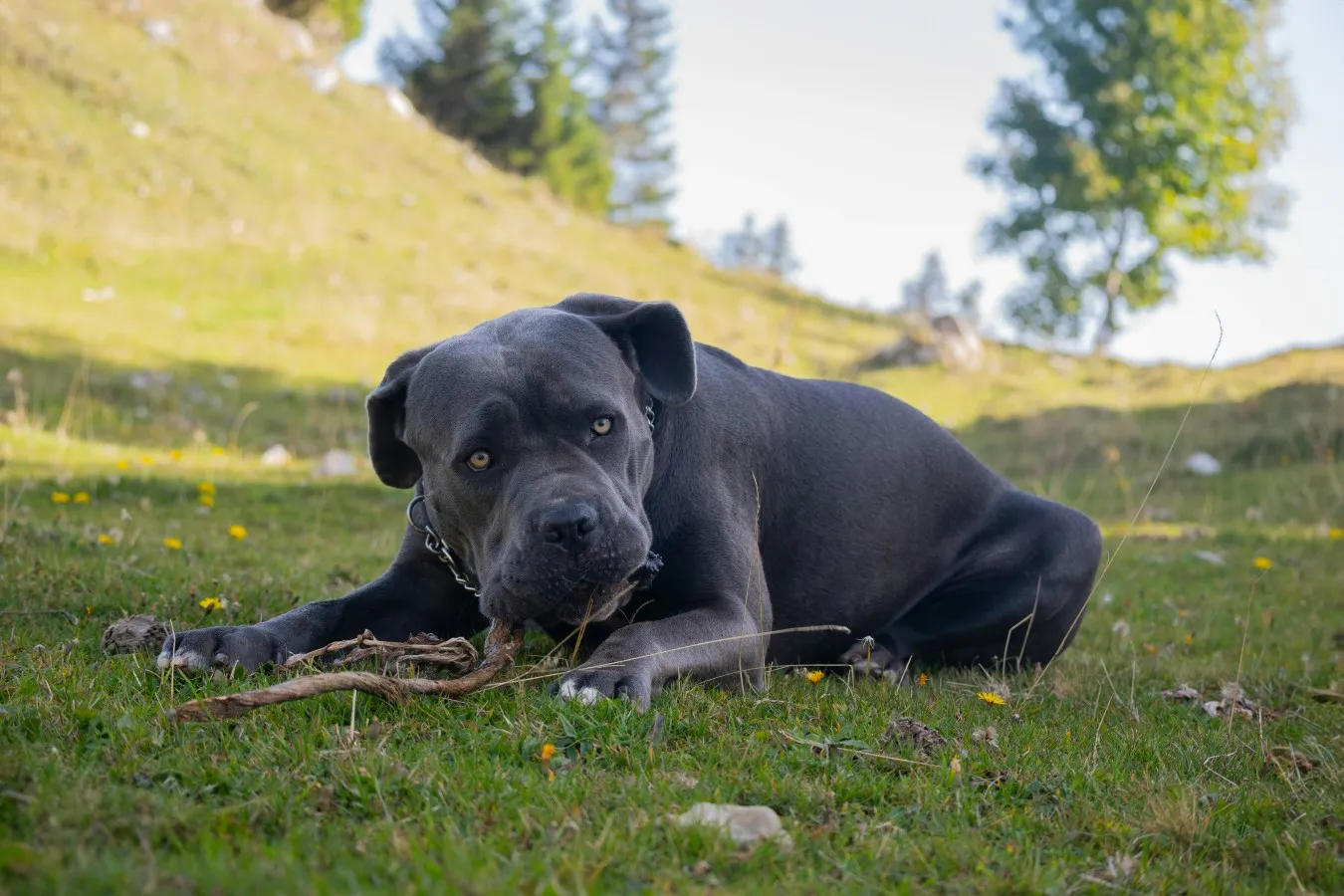
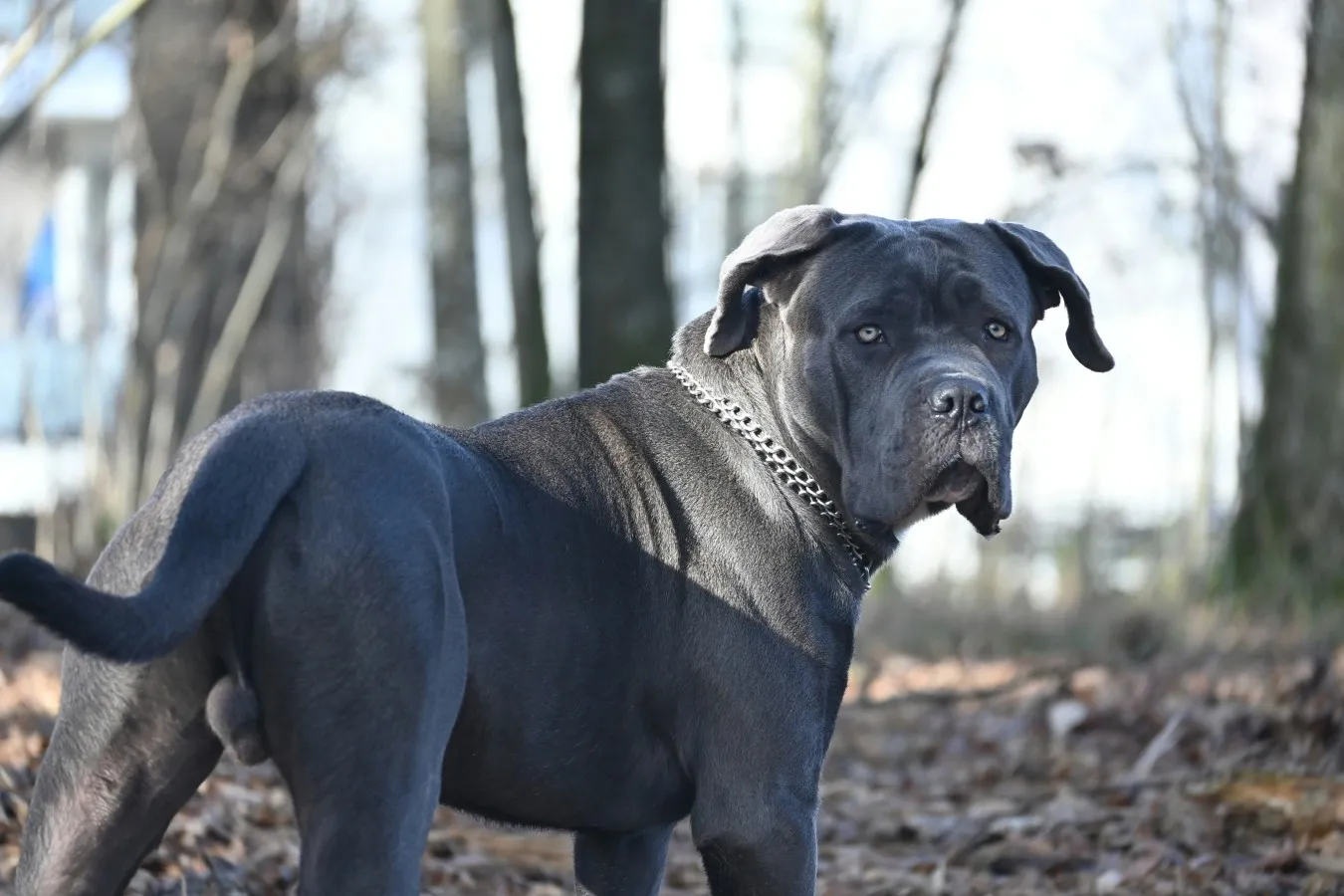
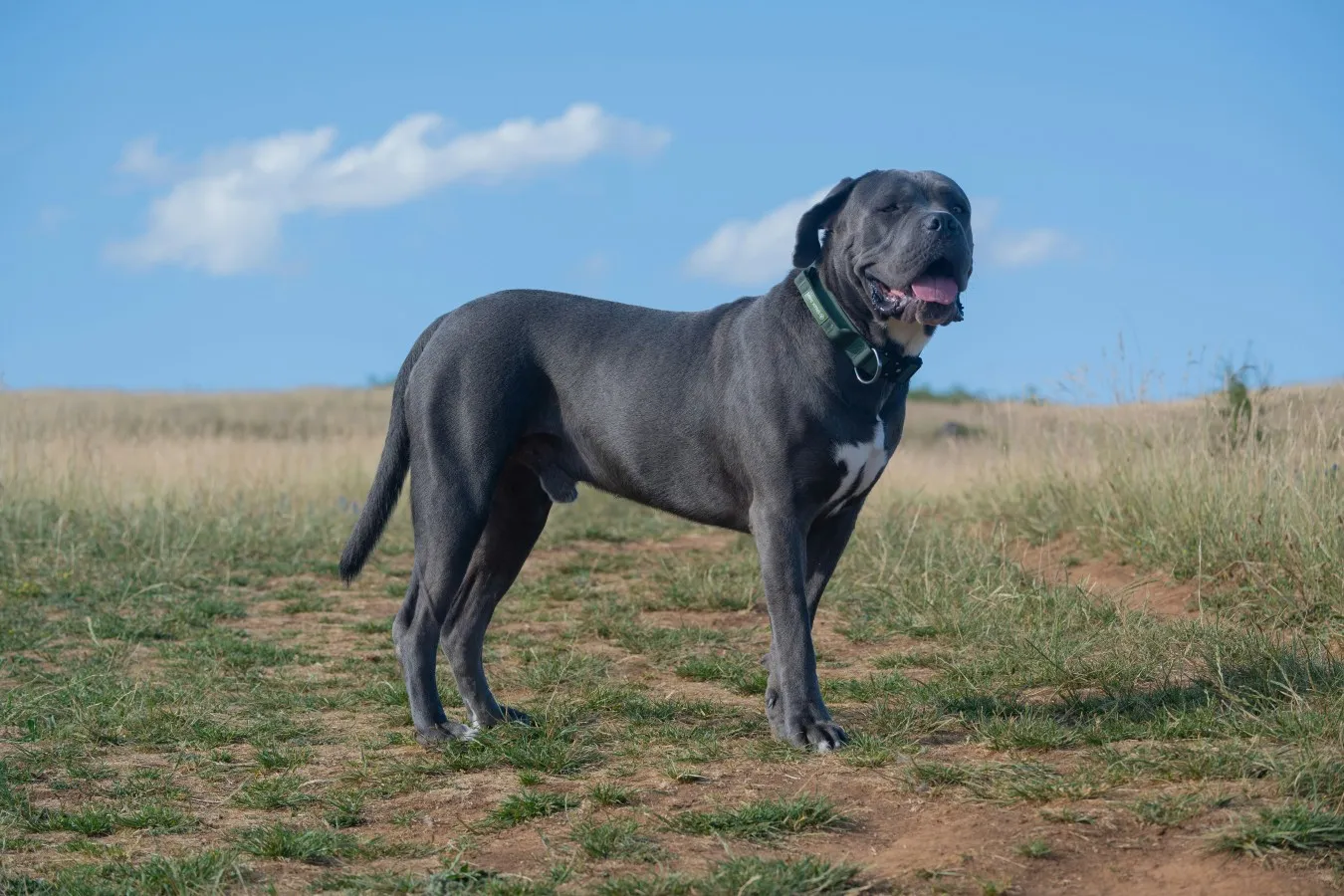
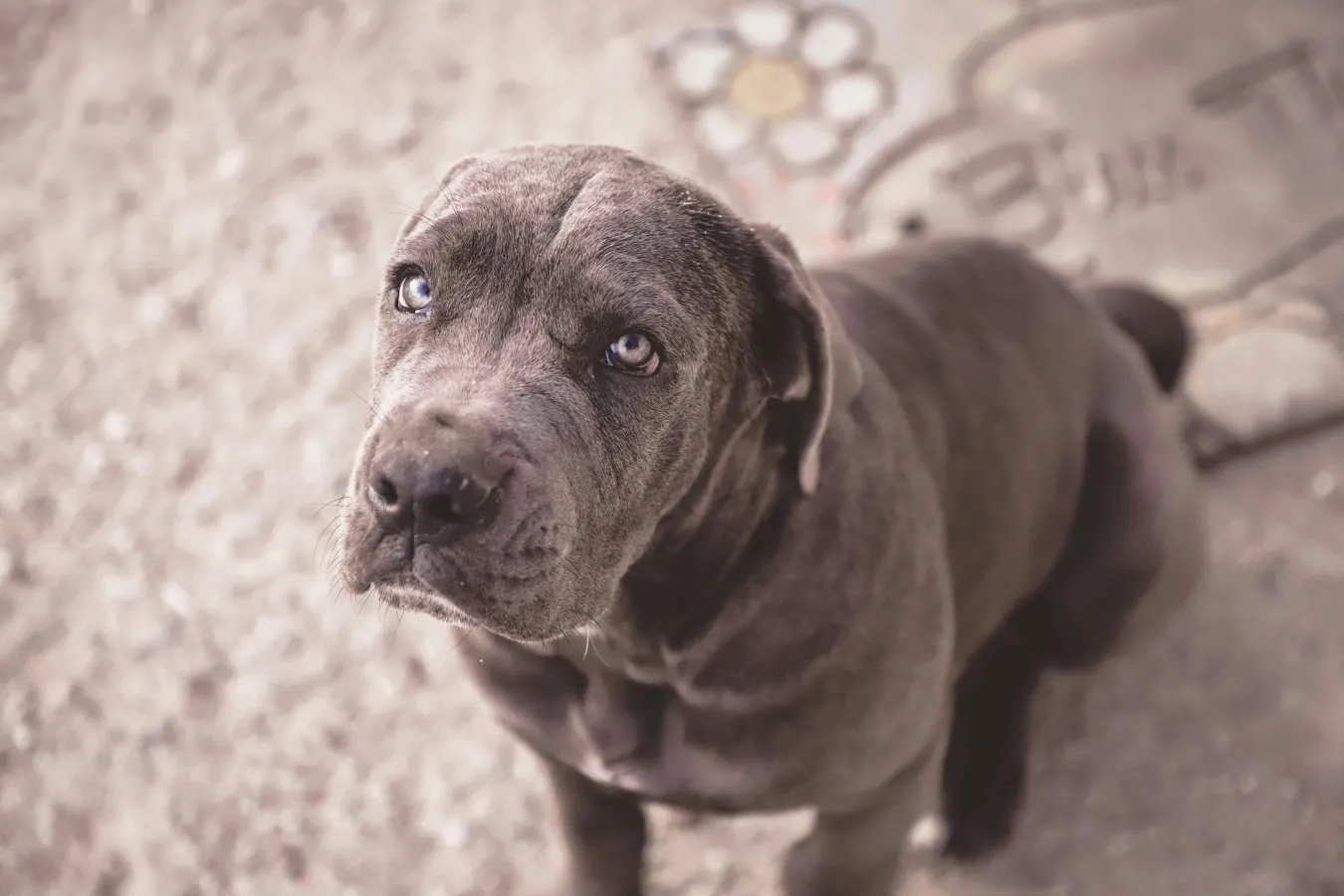
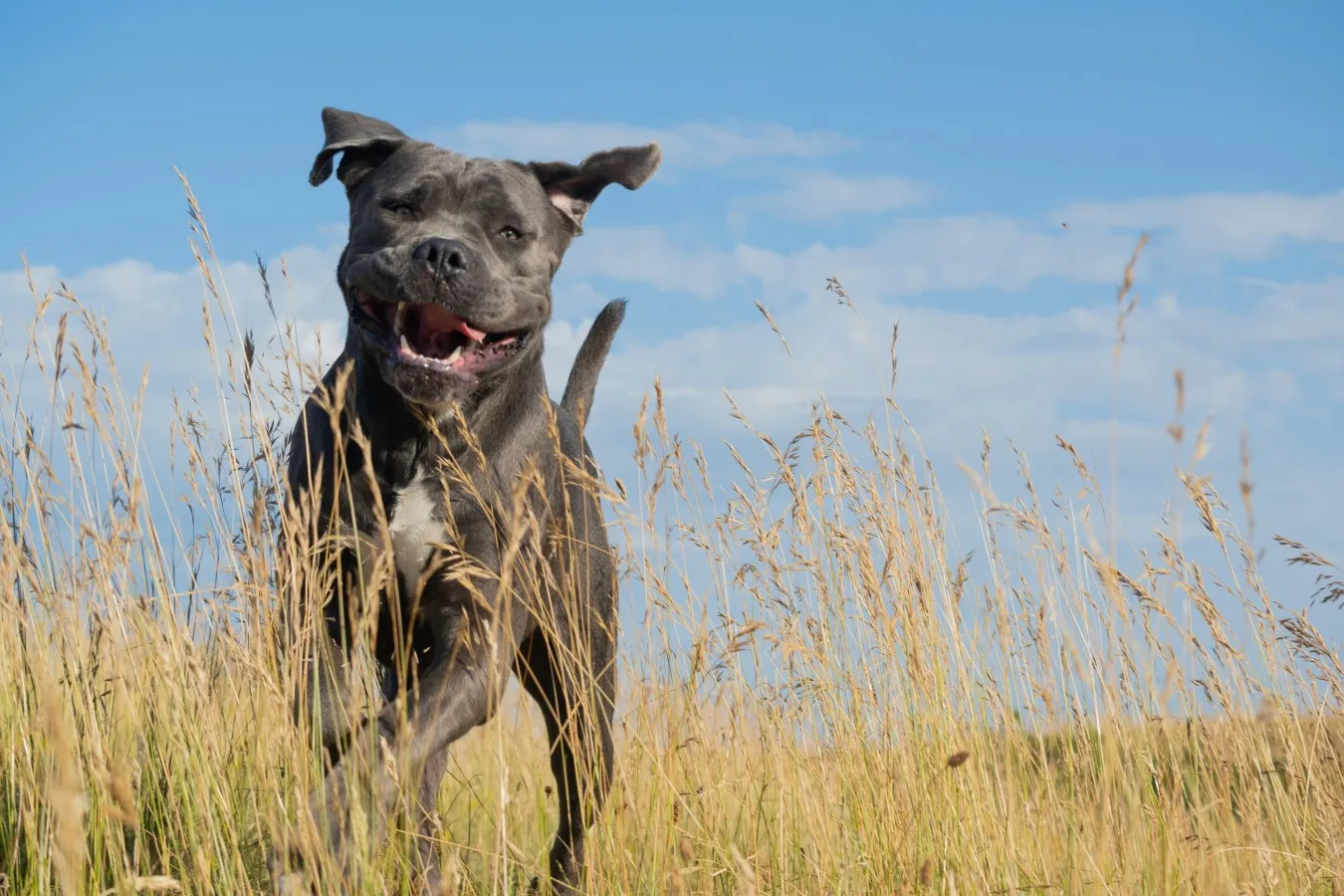
Majestic Italian protectors with a gentle side for family! Loyal and smart, the Cane Corso is a devoted partner for active, experienced owners.

BREED GROUP

Working Dogs

Country of origin

Italy

BREED SIZE

Giant

BREED HEIGHT

24 -

28 IN

61 -

71 cm

BREED WEIGHT

88 -

110 LB

40 -

50 KG

WHAT YOU NEED TO KNOW

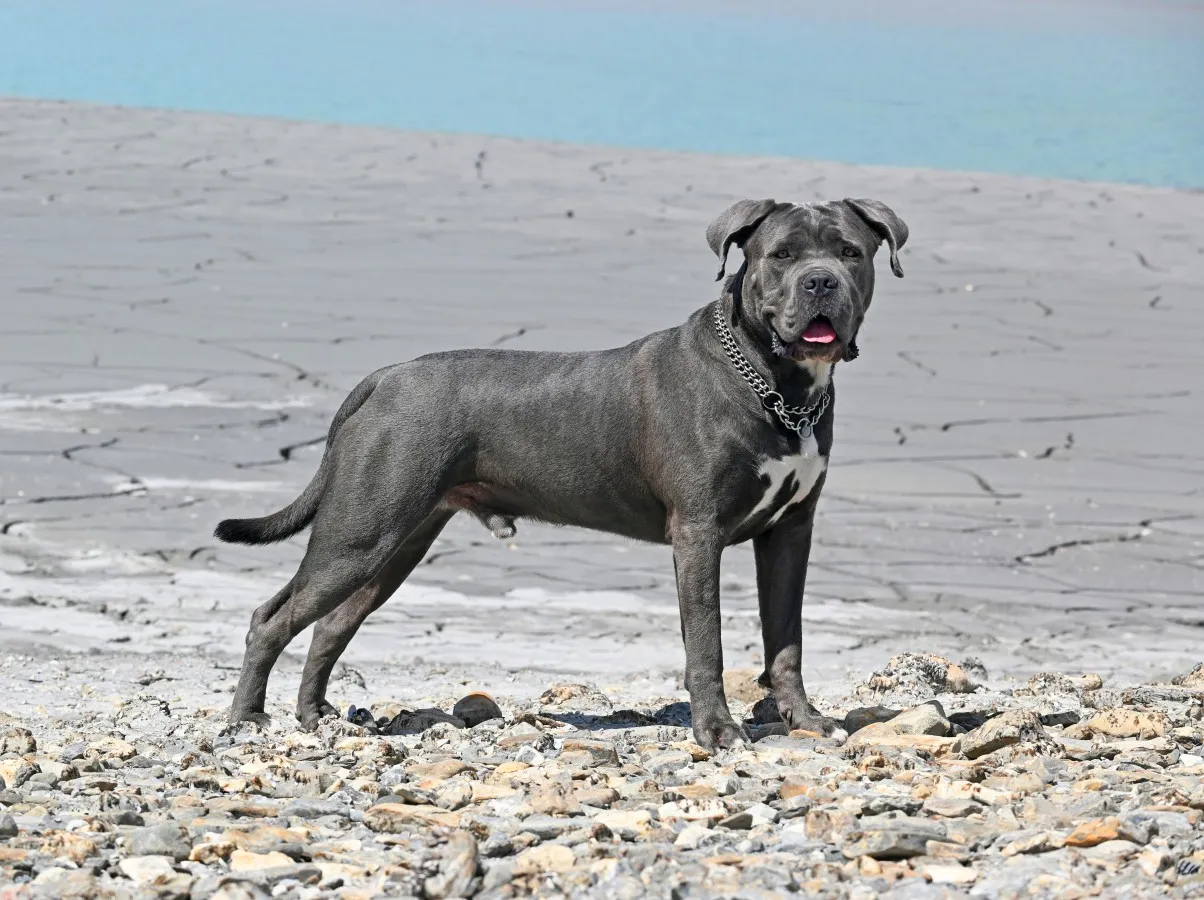
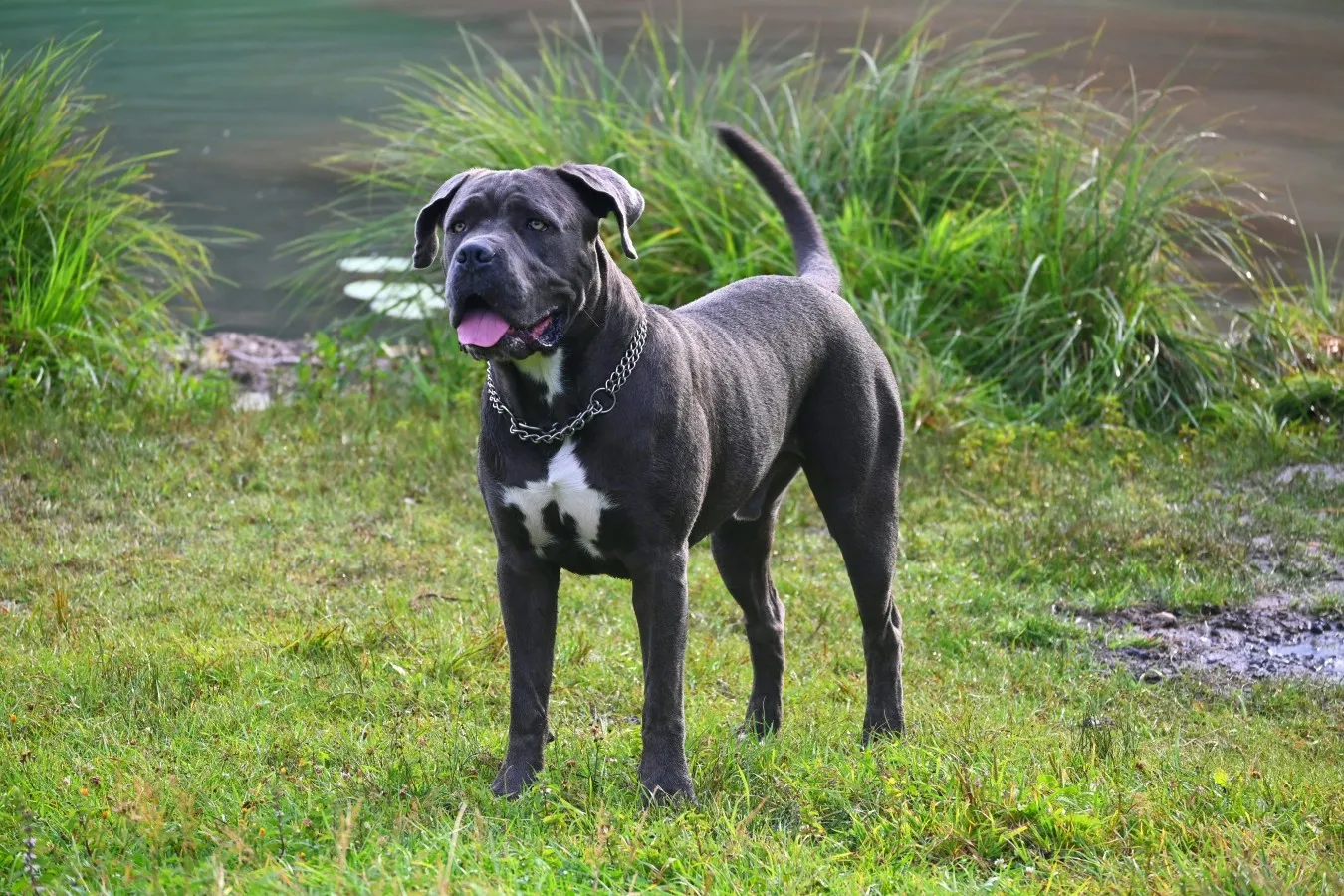
The Cane Corso is a powerful, intelligent Italian breed with ancient roots as a Roman guardian. Known as a peerless protector, this mastiff-type dog is deeply loyal and affectionate with its family but typically aloof or suspicious toward strangers. Due to their assertive nature and size, they require experienced owners, early socialization, and consistent training. These high-energy working dogs thrive when given a job and need significant daily exercise. While generally healthy with a 9-12 year lifespan, they are prone to hip dysplasia and bloat.
american kennel club (AKC) recognition

Yes

Breed was recognized in 2010.

International Canine Federation (FCI) recognition

Yes

Breed was recognized in 2007.
WHAT DO OWNERS WANT TO KNOW?

Are Cane Corsos good family dogs?

Great

8 out of 10

The Cane Corso is a deeply loyal and affectionate companion that serves as a devoted protector for its family. However, its large size and assertive nature mean it is best suited for experienced owners who can provide the consistent training and significant exercise this high-energy breed requires. When properly socialized, its protective yet loving temperament makes it a dedicated family member.

Average

5 out of 10

Cane Corsos are deeply loyal and often act as guardian angels for children within their family pack, showing a remarkably gentle and patient side. However, due to their massive size and powerful protective instincts, they are best suited for families with older children who can respect the dog's boundaries. Early socialization and consistent training are mandatory to ensure their protective nature remains disciplined, and all interactions with younger children must be strictly supervised to prevent accidental injury.

Not Recommended

1 out of 10

Cane Corsos are not recommended for first-time owners due to their massive size, assertive nature, and strong protective instincts. They require a confident, experienced leader who can provide firm, consistent guidance and early, intensive socialization to manage their powerful guardian drive. Without expert handling and significant commitment to training, their dominant personality can become overwhelming for a novice.

Fair

3 out of 10

Cane Corsos can adapt to apartment living if their high physical and mental exercise needs are met. Due to their massive size and protective nature, they require dedicated daily training and long walks. Owners must also provide sufficient socialization to prevent them from becoming overly suspicious of neighbors and common area noises.

Strictly Required

1 out of 10

A securely fenced yard is highly recommended for a Cane Corso due to their large size, high energy, and protective nature. While they can adapt to indoor living if their significant physical and mental exercise needs are met through long daily walks or runs, a large yard provides a safe space for them to move freely and fulfill their instinct to patrol their territory. Because they are capable of jumping high, a fence of at least six feet is essential to keep the dog and the community safe.

Not Recommended

1 out of 10

Cane Corsos bond intensely with their owners and are highly prone to separation anxiety due to their deeply loyal and clingy nature. While they can tolerate moderate periods of 4 to 8 hours alone if properly crate trained and exercised, prolonged isolation often leads to severe destructive behavior, vocalization, and escape attempts. To prevent anxiety, owners should establish a low-key departure routine, provide mental stimulation through puzzle toys, and ensure the dog is vigorously exercised before being left alone.

Fair

4 out of 10

Cane Corsos can coexist peacefully with cats, but their high prey drive and assertive nature require careful management. Success typically depends on early socialization from puppyhood, consistent training to discourage chasing, and gradual, supervised introductions. While many Corsos view resident cats as family members to protect, their massive size and potential for dominance mean that interactions should be monitored to ensure the safety of smaller pets.

Protective

3 out of 10

Cane Corsos are not inherently aggressive but possess a powerful, ancient instinct for guarding and protection. While deeply loyal and affectionate with their families, they are naturally wary of strangers and may act aggressively if they perceive a genuine threat. Due to their assertive nature and massive size, early socialization and consistent, firm training are vital to prevent their protective instincts from developing into unwanted aggression or dominant behavior.

High

8 out of 10

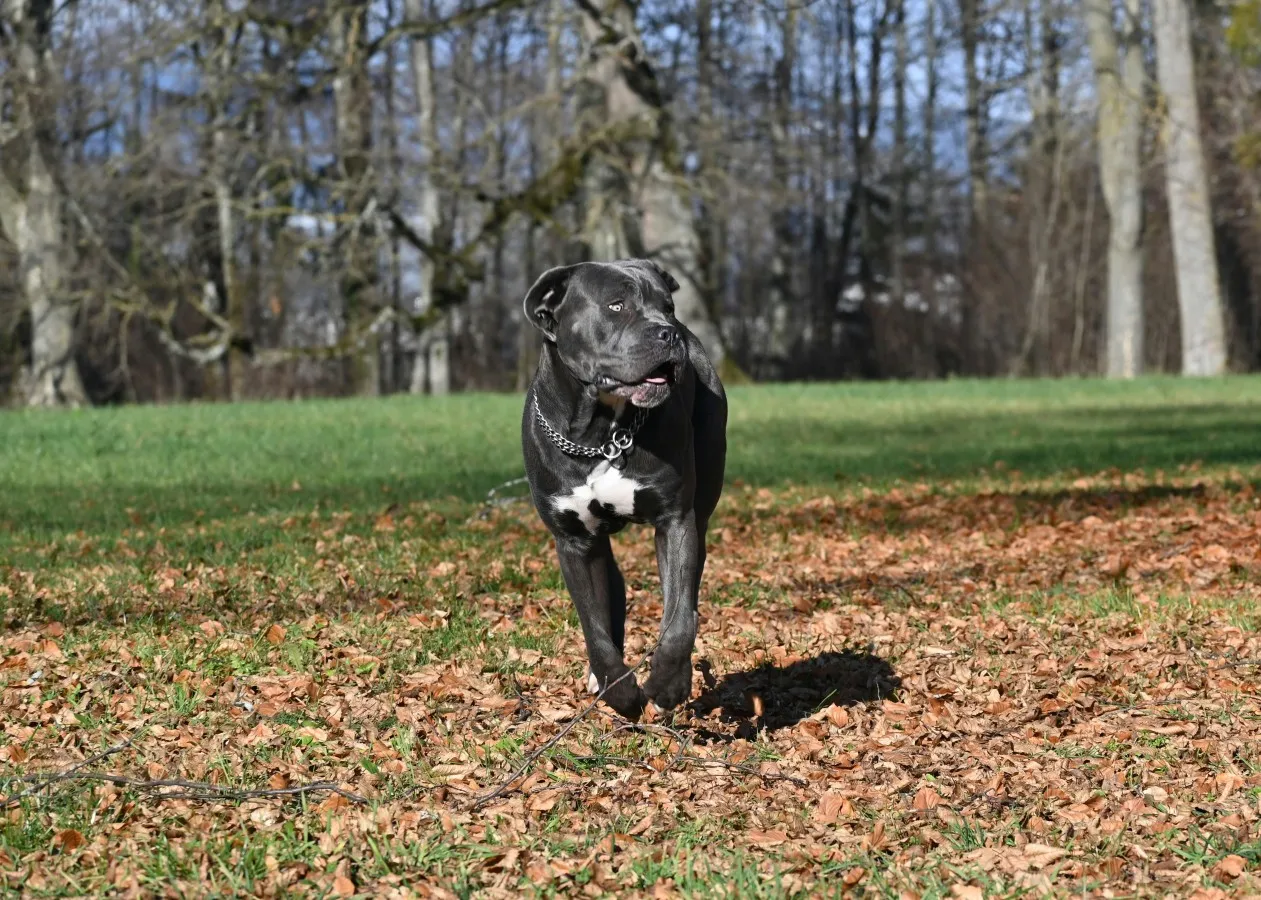
Cane Corsos are high-energy working dogs that require significant daily physical and mental stimulation to stay healthy and balanced. They thrive when given a job to do and typically need at least 1 to 2 hours of active engagement, such as brisk walks, hiking, or agility training, to prevent boredom and destructive behaviors.

~90 min a day

8 out of 10

Cane Corsos are high-energy working dogs that require a substantial amount of daily physical and mental stimulation, typically needing between 1 to 2 hours of active engagement. This should include a combination of brisk walks, jogging, or hiking, along with activities like agility training, fetch, or scent work to keep them balanced. Because they are a large breed prone to joint issues, high-impact exercises should be avoided during their growing stage, and owners should wait until the dog is 18 to 24 months old before reaching full adult exercise levels. Providing consistent, vigorous activity is essential to prevent boredom and destructive behaviors such as excessive barking or chewing.

Fair

4 out of 10

Cane Corsos have a moderate tolerance for heat but are at risk for heat exhaustion due to their large size and high activity levels. They require access to shade and plenty of fresh water, and strenuous exercise should be limited to the cooler parts of the day to prevent overheating. Owners should monitor for signs of distress, as their dark coats can also absorb more heat.

Fair

4 out of 10

Cane Corsos have a moderate tolerance for heat but are at risk for heat exhaustion due to their large size and high activity levels. They require access to shade and plenty of fresh water, and strenuous exercise should be limited to the cooler parts of the day to prevent overheating. Owners should monitor for signs of distress, as their dark coats can also absorb more heat.

Always Banned

1 out of 10

Cane Corsos are frequently included on apartment breed restriction lists due to their massive size, powerful build, and reputation as assertive guardians. Many insurance companies classify them as high-risk liabilities, leading property managers to prohibit them to minimize risk. Owners should be prepared to provide extensive socialization and training records, as these dogs are often subject to strict weight and breed-specific bans in rental communities.

WHAT DO OWNERS WANT TO KNOW?


Photo
Reviewed by
Dr. Vojtech Gabriel
DVM · PhD · MBA
Veterinarian Researcher Dog breed specialist
Verified

"Cane Corsos are majestic and powerful guardians, but their large stature requires proactive health management. As a veterinarian, I strongly emphasize screening for hip and elbow dysplasia, which affect a significant portion of the breed and can lead to debilitating arthritis. They are also highly susceptible to life-threatening bloat (GDV) due to their deep chests; owners must learn the emergency signs and consider preventive measures like gastropexy. Additionally, regular eye exams are crucial to catch conditions like entropion or cherry eye early. Maintaining a lean weight is vital to protect their joints, along with consistent dental care and ear cleanings to prevent infections. With dedicated care and routine check-ups, these loyal companions typically live 9-12 years."


Other Working Dogs