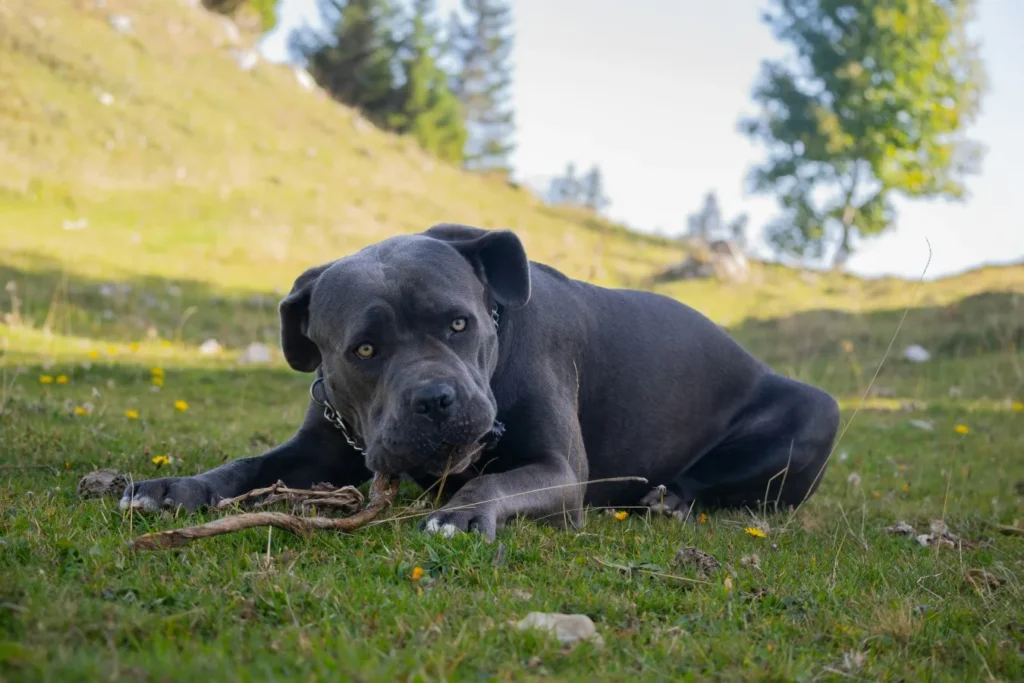
Cane Corso Grooming Profile
Breed Group
Working Dogs
Country of Origin
Italy
Breed Size
Giant
AKC Recognition
Yes, recognized in 2010
FCI Recognition
Yes, recognized in 2007
Allergy-friendly
Worst Choice1 / 10
Shedding
Moderate6 / 10
Grooming need
15-20 mins/week9 / 10
Low-maintenance
Very Hard1 / 10
Size
Large8 / 10
Growth timeline
2-3 years9 / 10
Grooming FAQ
Are Cane Corso hypoallergenic or allergy-friendly?
Cane Corsos are not hypoallergenic dogs. They possess a short, dense double coat that sheds year-round, releasing dander and hair into the environment. Because they also produce saliva and dander, they can significantly trigger reactions in allergy sufferers, making them unsuitable for homes requiring hypoallergenic pets.
Allergy-friendly: 1 / 10
Do Cane Corso shed?
Cane Corsos are low to moderate shedders throughout the year. They possess a short, double coat that experiences a heavier shedding period, or "blowout," during the spring and fall. Weekly brushing is typically sufficient to manage hair loss, though daily grooming is recommended during peak seasonal transitions.
Shedding: 6 / 10
How often should you groom a Cane Corso?
Cane Corsos are low-maintenance dogs thanks to their short, dense coats. A weekly brushing with a rubber curry brush is usually sufficient to remove loose hair. However, you should expect to brush more frequently during seasonal shedding in spring and fall and keep up with regular nail trims.
Grooming need: 9 / 10
Are Cane Corso low-maintenance dogs?
Cane Corsos are not low-maintenance dogs. While their short coats only need weekly brushing, their massive size and protective nature require intense daily exercise, rigorous socialization, and consistent, expert-level training. They also drool significantly and are prone to serious health issues like bloat and joint dysplasia.
Low-maintenance: 1 / 10
How big do Cane Corso get?
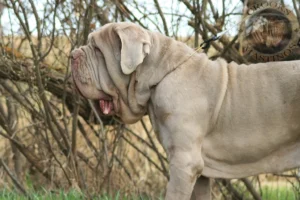
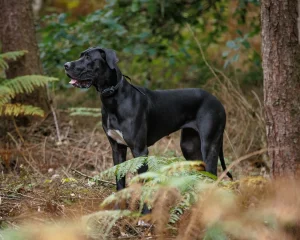
Cane Corsos are large, powerful dogs with a majestic presence. Males typically stand up to 28 inches tall and weigh up to 110 pounds, while females can reach up to 26 inches and weigh 85 to 99 pounds.
Size: 8 / 10
When do Cane Corso stop growing?
Cane Corsos typically reach their full adult height by 12 to 19 months of age, but they are not considered fully mature until age 3. During this time, they continue to fill out, developing their muscular frame. While height is reached by 19 months, the skeletal system and muscle mass do not fully consolidate until 36 months.
Growth timeline: 9 / 10
How much should a Cane Corso eat?
Adult Cane Corsos typically require 4 to 8 cups of high-quality dry food daily. Large-breed-specific formulas are recommended to prevent rapid growth issues and support joint health. Monitor their weight closely and consult a veterinarian to adjust portions.
Feeding amount: 10 / 10
How often should a Cane Corso puppy eat?
Cane Corso puppies require frequent meals to support their rapid development. Generally, feed your puppy three to four small meals daily until they reach six months of age to prevent hypoglycemia and manage growth rates. After this period, transition them to two larger meals per day to help mitigate the risk of bloat (GDV).
Puppy feeding frequency: 8 / 10
Vet Insights
Cane Corsos are large, high-energy guardians reaching full maturity by age three. They are moderate shedders with short, dense double coats, requiring weekly brushing and early socialization. Maintenance is demanding, needing expert training and intense daily exercise. Owners must manage a significant diet of 4-8 cups carefully to support their massive, muscular frame and prevent obesity.