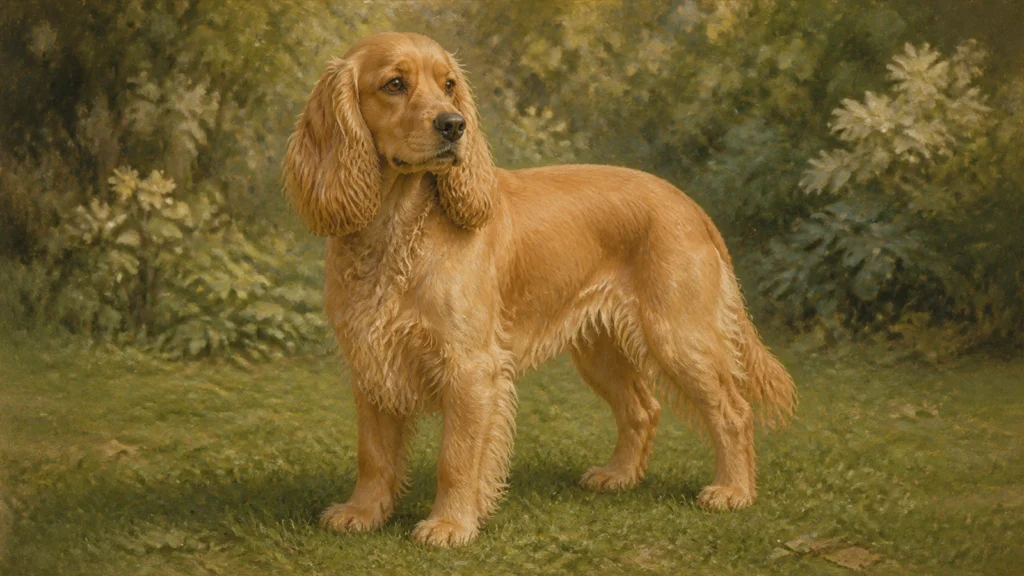
Golden Cocker Retriever Grooming Profile
Breed Group
Hybrid Dogs
Country of Origin
United States
Breed Size
Medium
AKC Recognition
No
FCI Recognition
No
Allergy-friendly
Fair5 / 10
Shedding
Average5 / 10
Grooming need
5 mins/week10 / 10
Low-maintenance
Hard2 / 10
Size
Large8 / 10
Growth timeline
18-24 months5 / 10
Grooming FAQ
Are Golden Cocker Retriever hypoallergenic or allergy-friendly?
Golden Cocker Retriever are considered to have moderate allergy-friendly tendencies. They possess a double coat coat that has moderate shedding. Their grooming needs are moderate.
Allergy-friendly: 5 / 10
Do Golden Cocker Retriever shed?
Golden Cocker Retriever have a double coat coat with moderate shedding. Overall, their shedding level is considered average. Regular grooming is recommended to manage loose hair.
Shedding: 5 / 10
How often should you groom a Golden Cocker Retriever?
Golden Cocker Retrievers need brushing two to three times a week to manage their wavy, feathered coat and prevent mats, especially around the ears, chest, and legs. Regular ear cleaning is important too, since their floppy ears trap moisture easily. Expect moderate to heavy shedding, especially in spring and fall.
Grooming need: 10 / 10
Are Golden Cocker Retriever low-maintenance dogs?
Dalmatians are not low-maintenance dogs. While their short coats require only weekly brushing, they are high-energy athletes needing at least two hours of vigorous daily exercise. Their intelligence and independent nature also demand consistent training and mental stimulation to prevent boredom and destructive behaviors. The text describes Dalmatians.
Low-maintenance: 2 / 10
How big do Golden Cocker Retriever get?
Dalmatians are large, athletic dogs with a sturdy build. Males typically stand 19 to 24 inches tall and weigh 55 to 70 pounds, while females are slightly smaller, generally ranging from 45 to 55 pounds. Their well-balanced frame is designed for great endurance. The text describes Dalmatians; Golden Cocker Retrievers are medium-sized (30-45 lbs), not large (45-70 lbs.
Size: 8 / 10
When do Golden Cocker Retriever stop growing?
Adult Dalmatians typically require 1.5 to 2 cups of high-quality dry food daily, split into two meals. Due to their unique purine metabolism, they need a low-purine diet to prevent urinary stones. Always provide unlimited fresh water to support their urinary health and maintain hydration. The text provides nutritional and health information for Dalmatians.
Growth timeline: 5 / 10
How much should a Golden Cocker Retriever eat?
Adult Dalmatians typically require 1.5 to 2 cups of high-quality dry food daily, split into two meals. Due to their unique purine metabolism, they need a low-purine diet to prevent urinary stones. Always provide unlimited fresh water to support their urinary health and maintain hydration. The text provides nutritional information for Dalmatians, including specific mentions of purine metabolism which does not apply to this hybrid.
Feeding amount: 4 / 10
How often should a Golden Cocker Retriever puppy eat?
Golden Cocker Retrievers are medium-sized dogs that typically stand 20 to 24 inches tall at the shoulder. Most adults weigh between 30 and 45 pounds, though their size can vary depending on their parents. Their well-proportioned build makes them a more compact alternative to the standard Golden Retriever. The text provides size and weight descriptions for adults.
Puppy feeding frequency: 7 / 10
Vet Insights
Golden Cocker Retrievers are medium-sized dogs reaching full height by 15 months, though they fill out until age two. They possess a moderate-shedding double coat requiring regular brushing and daily wrinkle care. While considered average for allergy sufferers, these active companions need consistent maintenance and a balanced diet to support their sturdy, compact build and healthy development.