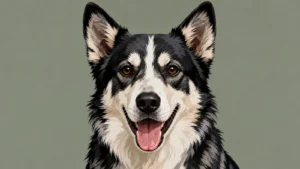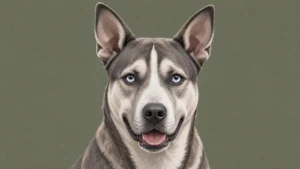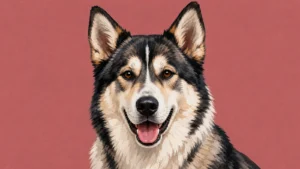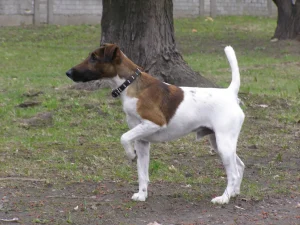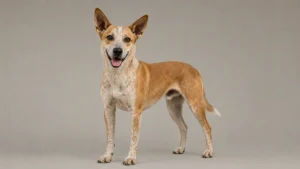
Jug
Breed Group
Hybrid Dogs
Country of Origin
United States
Breed Size
Small
AKC Recognition
No
FCI Recognition
No
Family dog
Good7 / 10
Good with kids
Good7 / 10
First-time owner
Very Good7 / 10
Apartment dog
Excellent9 / 10
Yard need
Rarely Needed9 / 10
Can be left alone
Above Average6 / 10
What Do Owners Want to Know?
Are Jug good family dogs?
The Jug is a spirited and affectionate companion that makes an excellent family dog when provided with sufficient attention and socialization. Their compact size and charming personality make them adaptable to various homes, though they are best suited for active families that can meet their needs for regular exercise and mental engagement.
Family dog: 7 / 10
Are Jug good with kids?
Jugs are affectionate and energetic companions that generally get along well with children, especially when socialized early. Their compact size makes them suitable for kids, though their spirited nature and high energy levels mean supervision is recommended during playtime to ensure everyone remains safe.
Good with kids: 7 / 10
Are Jug good for first-time owners?
Jugs are very good for first-time owners who are prepared for an active lifestyle. They combine the intelligence and eagerness to please of the Pug with the spirited, bold nature of the Jack Russell Terrier. While their energy and potential for a stubborn streak require consistent training and regular mental stimulation, their compact size and affectionate personality make them highly rewarding and adaptable companions for those new to dog ownership.
First-time owner: 7 / 10
Are Jug good apartment dogs?
Jugs can adapt well to apartment living if their physical and mental exercise needs are met. However, they are energetic and thrive best when given daily walks and indoor play to prevent boredom-induced behaviors.
Apartment dog: 9 / 10
Do Jug need a yard?
A yard is not strictly required for a Jug, as their small size makes them well-suited for apartment living. However, because they inherit high energy and playfulness from their Jack Russell Terrier heritage, they benefit greatly from a securely fenced yard where they can run and play. Regular daily walks and indoor mental stimulation are essential to keep this active crossbreed happy if a yard is not available.
Yard need: 9 / 10
Can Jug be left alone?
Jugs can generally handle being left alone for moderate periods due to the independent nature of their Jack Russell Terrier heritage. However, they also possess a social side from their Pug ancestry and may become bored or anxious if isolated for extended durations without adequate mental stimulation or prior exercise.
Can be left alone: 6 / 10
Are Jug good with cats?
Jugs generally get along well with cats, as they benefit from the calm and sociable nature of their Pug ancestry. However, they also inherit a strong prey drive from their Jack Russell Terrier heritage, which may lead to chasing behaviors. Successful cohabitation is most likely when they are raised together from a young age and provided with early socialization and supervised introductions.
Good with cats: 7 / 10
Are Jug aggressive?
Jugs are not naturally aggressive and are typically friendly, lively, and loyal companions. While they are alert watchdogs, they prefer to keep their distance rather than display overt aggression.
Aggression tendency: 6 / 10
Are Jug high-energy dogs?
Jugs generally possess high energy levels, inheriting a spirited and lively nature from their Jack Russell Terrier lineage. They require regular daily exercise, including walks and play sessions, to manage their vitality and prevent boredom-related behaviors. While they enjoy active bursts of energy, they also appreciate quiet time, making them adaptable to various lifestyles provided their physical and mental stimulation needs are met.
Energy level: 4 / 10
How much exercise does a Jug need?
Jugs require approximately 45 to 60 minutes of daily exercise to stay healthy and fit. As a moderately energetic crossbreed, they benefit from a mix of brisk walks and interactive play sessions, which are ideally split into two or three shorter periods throughout the day to manage their stamina and avoid physical overexertion. Mental stimulation through training and puzzle toys is also essential to prevent boredom-induced behaviors. Owners should be cautious during warm weather, as their shortened muzzles can make them susceptible to overheating.
Exercise need: 6 / 10
Can Jug live in hot weather?
Jugs are highly sensitive to hot weather due to their Pug heritage and flat faces, which can lead to breathing difficulties and overheating. Owners should provide air conditioning, plenty of fresh water, and avoid strenuous exercise during peak temperatures to prevent heatstroke in this crossbreed.
Hot weather tolerance: 2 / 10
Can Jug live in cold weather?
Jugs have a below-average tolerance for cold weather due to their short coats and small size. While they may inherit some hardiness from their Jack Russell heritage, they still struggle in freezing temperatures and should be provided with warm sweaters and limited outdoor exposure during winter.
Cold weather tolerance: 4 / 10
Are Jug banned in apartments or rentals?
Jugs are rarely subject to breed-specific bans due to their small size and generally friendly nature. They typically fall well within standard weight limits for apartments.
Rental restriction risk: 7 / 10
Vet Insights
Jugs can inherit health issues from both parent breeds, including brachycephalic airway syndrome from the Pug and patellar luxation from the Jack Russell Terrier. Regular veterinary monitoring and weight management are crucial.