Skip to content

Chow Chow - MAIN HUB

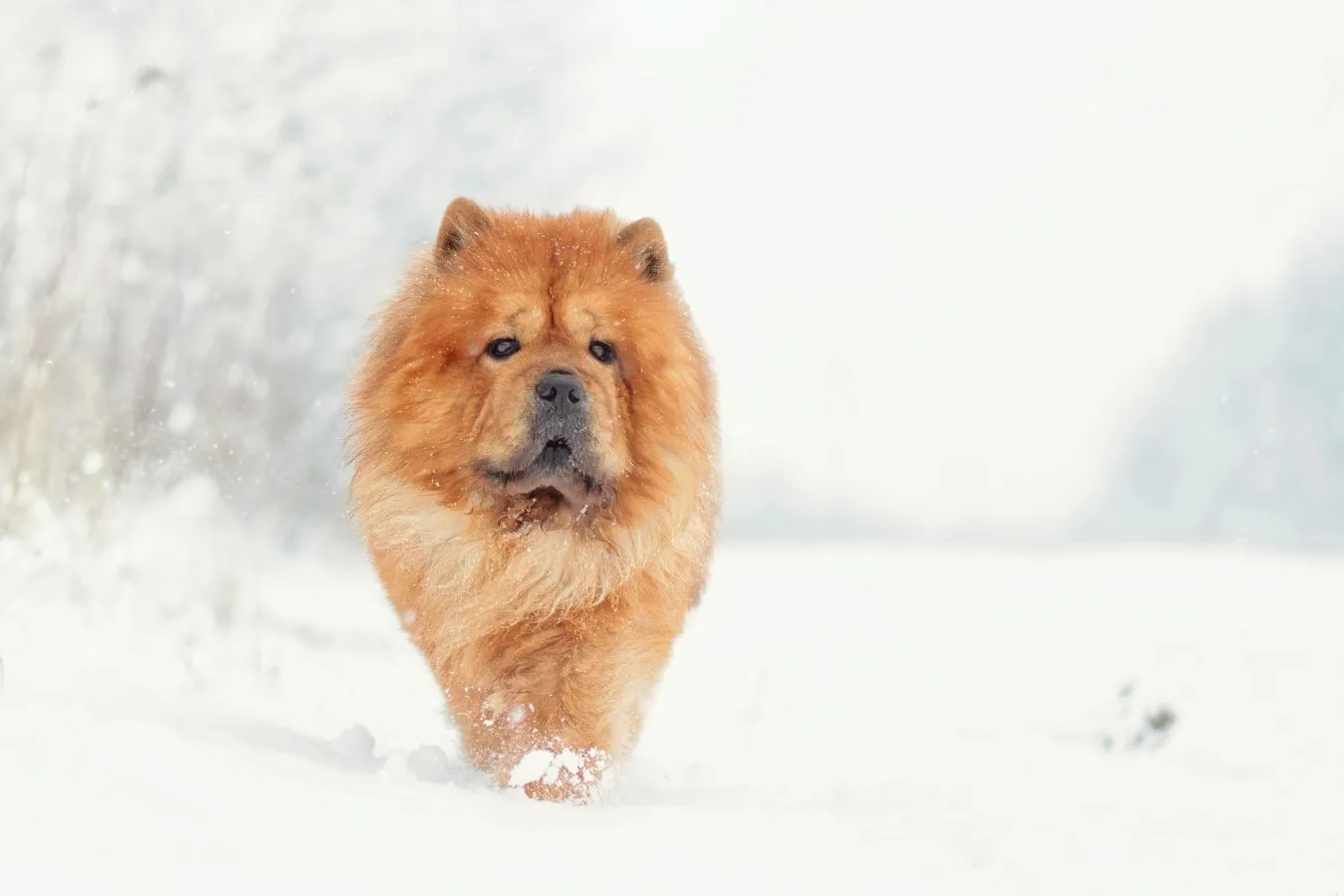
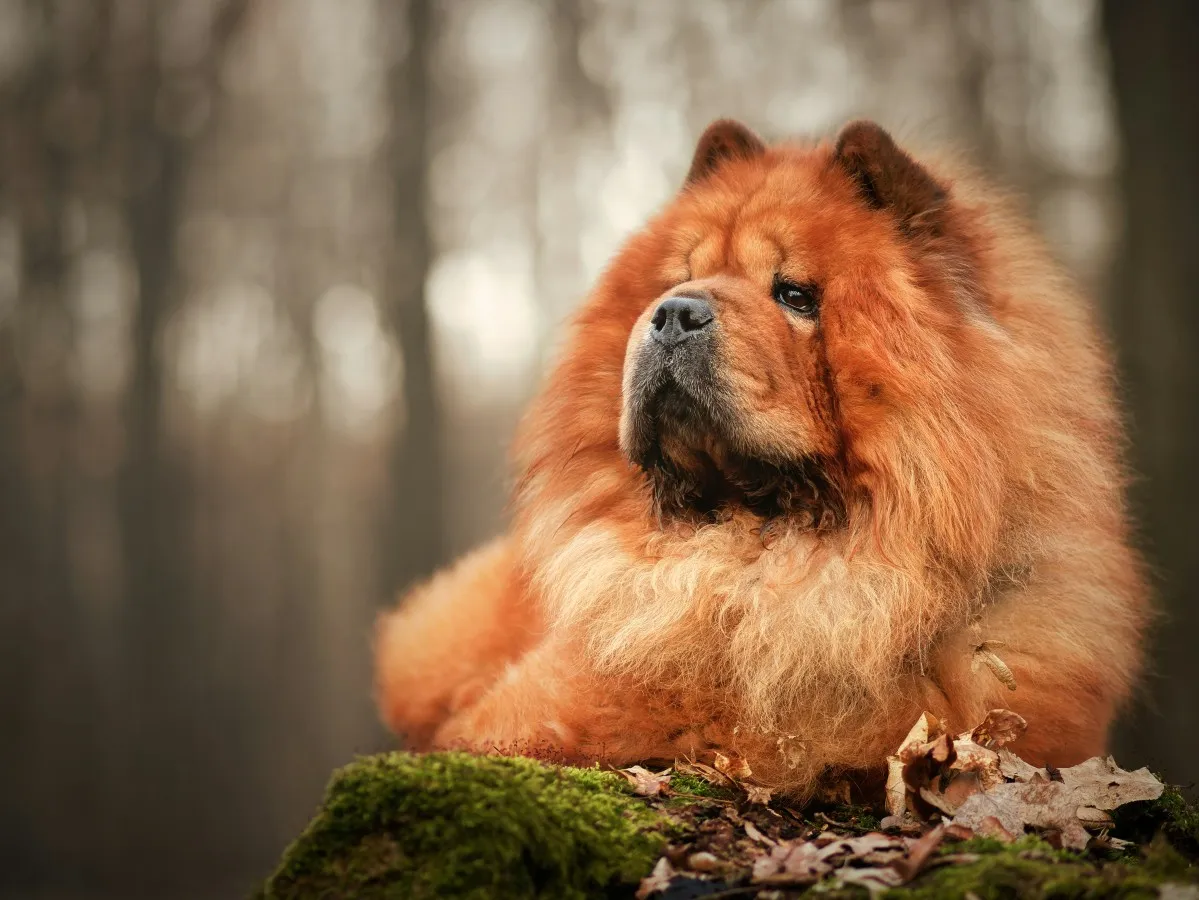
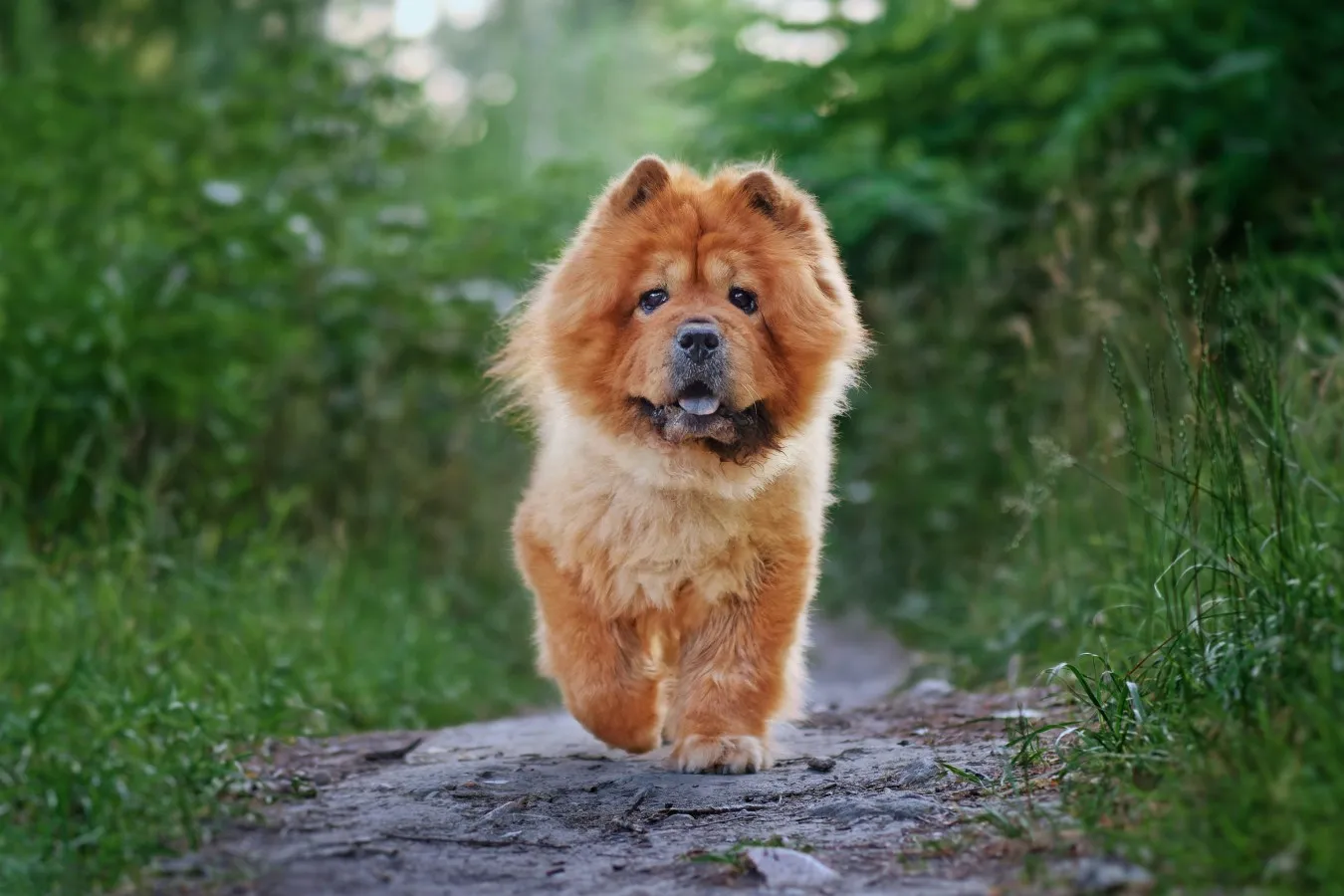
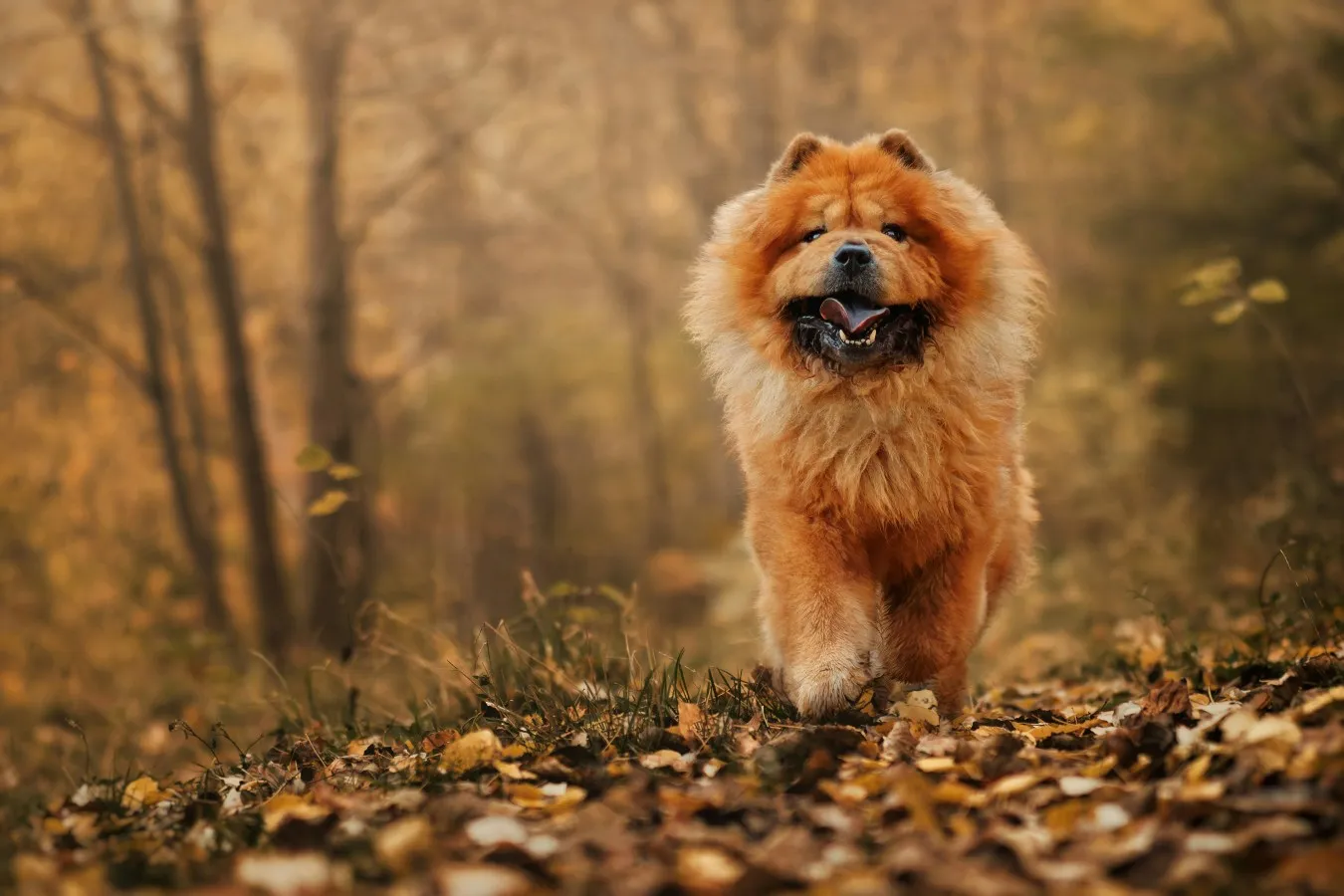
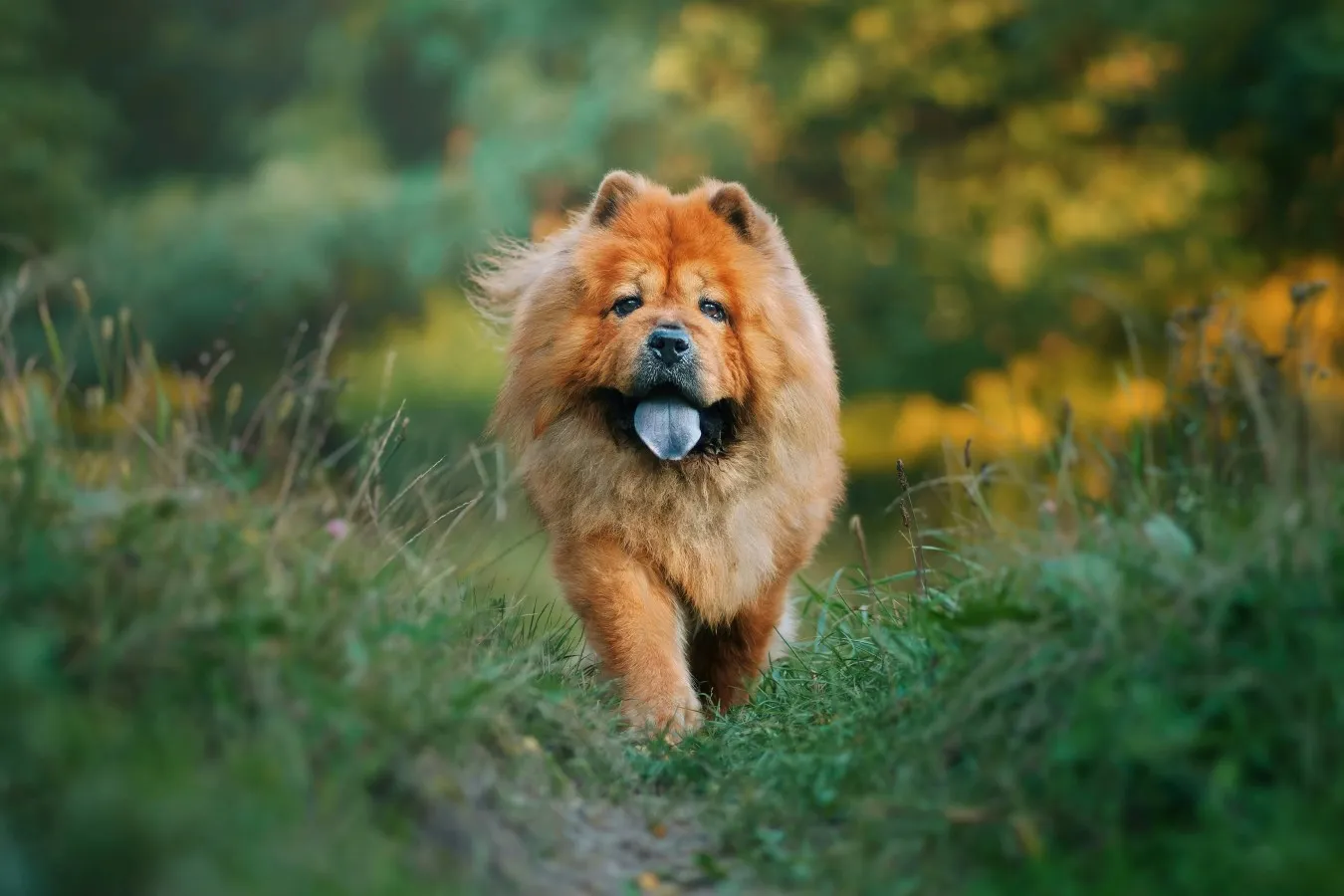
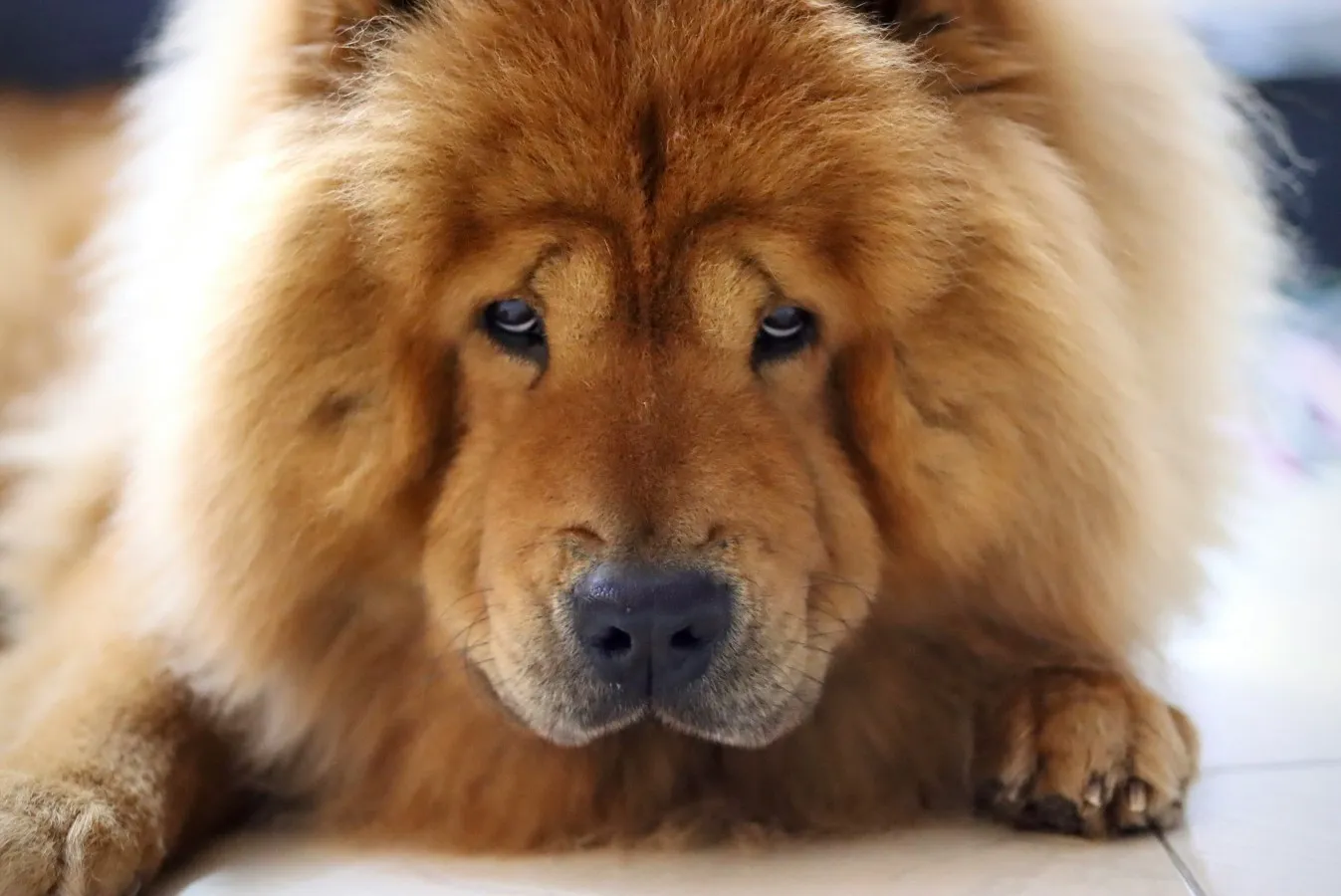
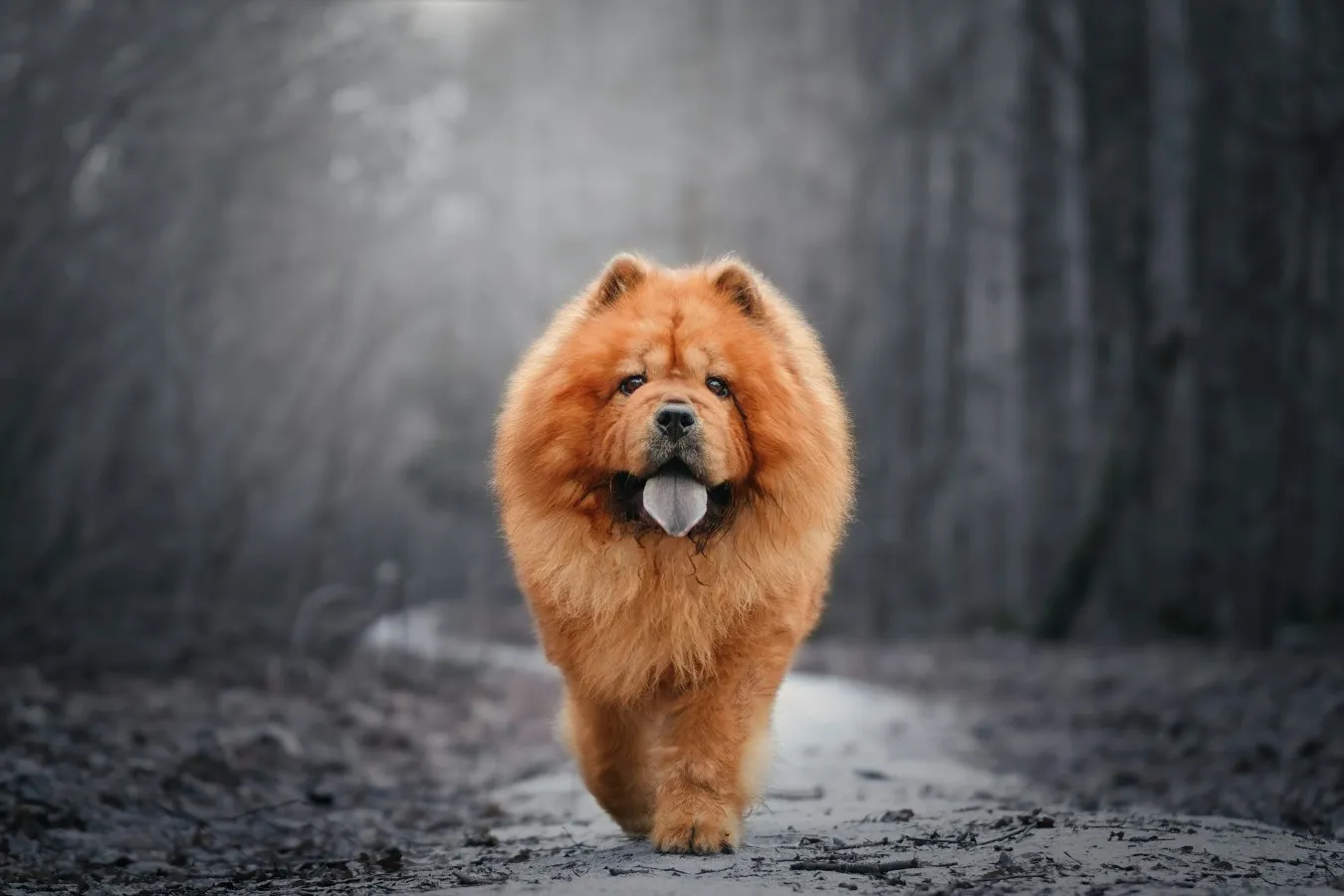
Meet the majestic Chow Chow! A dignified, cat-like companion with a lion’s mane, blue tongue, and a heart of fierce loyalty for experienced owners.

BREED GROUP

Spitz Dogs

Country of origin

China

BREED SIZE

Large

BREED HEIGHT

17 -

22 IN

43 -

56 cm

BREED WEIGHT

45 -

70 LB

20 -

32 KG

WHAT YOU NEED TO KNOW

The Chow Chow is a dignified and independent breed known for its lion-like mane and unique blue-black tongue. Originally from China, these dogs are loyal to their families but naturally aloof with strangers. They have moderate exercise needs, requiring about 45 to 60 minutes of daily activity, but are sensitive to heat due to their thick double coats. Owners should expect significant grooming requirements, with daily brushing often necessary for rough-coated varieties. While intelligent, their stubborn nature and guarding instincts make them better suited for experienced owners who can provide consistent training and early socialization.
american kennel club (AKC) recognition

Yes

Breed was recognized in 1903.

International Canine Federation (FCI) recognition

Yes

Breed was recognized in 1957.
WHAT DO OWNERS WANT TO KNOW?

Are Chow Chows good family dogs?

Not Recommended

1 out of 10

Chow Chows are loyal to their families but are best suited for experienced owners due to their independent and stubborn nature. Their guarding instincts and natural aloofness with strangers require consistent training and early socialization to ensure they are well-behaved companions.

Not Recommended

1 out of 10

Chow Chows can be good with children when raised with them and properly socialized, but they are generally best suited for families with older, respectful kids. Due to their independent, aloof nature and low tolerance for rough play or sudden movements, they may react poorly to boisterous toddlers. Supervision is always required, and children should be taught to approach these dignified dogs slowly and from the front to avoid startling them.

Not Recommended

1 out of 10

Chow Chows are generally not recommended for first-time owners due to their independent, stubborn nature and strong guarding instincts. They require a patient, experienced owner who can provide consistent, firm training and early socialization to manage their natural wariness of strangers. Prospective owners must also be prepared for significant grooming needs and a cat-like personality that prioritizes loyalty over outward affection.

Great

8 out of 10

Chow Chows are surprisingly well-suited for apartment living due to their calm, quiet nature and moderate exercise needs. While medium-sized, they are relatively inactive indoors and possess a cat-like independence that allows them to adapt well to smaller spaces. Owners must provide daily walks and mental stimulation to prevent boredom and be vigilant about cooling, as their thick coats make them highly sensitive to heat in confined environments.

Not Required

10 out of 10

A yard is not strictly required for a Chow Chow, as they are relatively inactive indoors and can adapt well to apartment living. While they benefit from a secure outdoor space for fresh air, their moderate exercise needs can be met through daily walks and mental stimulation, provided owners are mindful of their sensitivity to heat.

Great

8 out of 10

Chow Chows are notably independent and self-reliant, often described as cat-like in their ability to tolerate moderate periods of alone time. Their reserved and aloof nature means they do not demand constant attention, making them better suited for being left alone than more social breeds. However, they form very strong bonds with their owners and can still suffer from separation anxiety or become protective if left for long periods without mental stimulation. While healthy adults can typically manage 4 to 6 hours alone, they should not exceed 8 hours and benefit from consistent alone-time training from a young age.

Poor

2 out of 10

Chow Chows can coexist peacefully with cats, but their high prey drive and independent nature make them a risky choice without proper management. Success largely depends on early socialization and introducing them to cats as puppies. While they often form deep bonds with indoor feline family members, they may still view outdoor cats as prey and require consistent supervision and training to manage their hunting instincts.

Protective

3 out of 10

Chow Chows are not inherently aggressive but are naturally aloof and fiercely protective of their family and territory. While loyal to their owners, they are often wary of strangers and can be territorial with other dogs. Early socialization and consistent, firm training are essential to manage their strong guarding instincts and ensure their defensive nature remains controlled.

Low

3 out of 10

Chow Chows have low to moderate energy levels and are known for their laid-back, independent nature. While they require consistent daily exercise, such as short walks or moderate play sessions, they are often content being "couch potatoes" and do not demand constant activity. Their thick coats also make them prone to overheating, so exercise should be kept moderate and avoided during the hottest parts of the day.

~60 min a day

6 out of 10

Chow Chows have moderate exercise needs, typically requiring 45 to 60 minutes of daily activity, such as leisurely walks and mental stimulation. Because of their thick double coats and flat faces, they are highly prone to overheating, so exercise should be limited to the cooler morning or evening hours. Avoid vigorous, high-impact activities to protect their joints and prevent overexertion.

Danger

1 out of 10

Chow Chows are not well-suited for hot weather due to their thick double coats and heavy build, which make them highly susceptible to overheating and heatstroke. Owners must provide a climate-controlled indoor environment with air conditioning and limit outdoor activities to the coolest parts of the day, such as sunrise or late evening. Providing constant access to fresh water, regular grooming to remove excess undercoat, and avoiding hot pavement are essential for their safety in warm climates.

Danger

1 out of 10

Chow Chows are not well-suited for hot weather due to their thick double coats and heavy build, which make them highly susceptible to overheating and heatstroke. Owners must provide a climate-controlled indoor environment with air conditioning and limit outdoor activities to the coolest parts of the day, such as sunrise or late evening. Providing constant access to fresh water, regular grooming to remove excess undercoat, and avoiding hot pavement are essential for their safety in warm climates.

Frequently Restricted

1 out of 10

Chow Chows are frequently subject to apartment breed bans and are often ranked among the most restricted breeds due to their reputation as fiercely protective and territorial guardians. Many property insurance companies categorize them as high-risk liabilities, leading landlords to exclude them from multi-family housing. Prospective owners should thoroughly check individual landlord policies and insurance requirements, as finding chow-friendly rentals can be challenging.

WHAT DO OWNERS WANT TO KNOW?


Photo
Reviewed by
Dr. Vojtech Gabriel
DVM · PhD · MBA
Veterinarian Researcher Dog breed specialist
Verified

"Chow Chows are majestic and loyal, but they are predisposed to several serious health conditions that require proactive management. As a veterinarian, I prioritize screening for hip and elbow dysplasia, as well as patellar luxation, which can lead to chronic pain and arthritis. Their unique facial structure makes them highly susceptible to eye issues like entropion and glaucoma, which can be painful and lead to blindness if not treated promptly. Owners must also be vigilant about Gastric Dilatation-Volvulus (GDV), a life-threatening emergency common in deep-chested breeds. Additionally, their thick coats make them prone to heatstroke and skin infections. Maintaining a lean weight is critical to reduce joint stress and the risk of diabetes, to which the breed is especially prone. Regular wellness exams, including thyroid screenings and dental care, are essential for ensuring these dignified companions live a healthy life."
Other Spitz Dogs