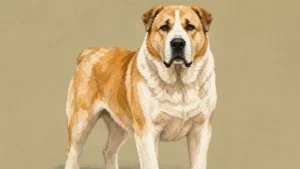
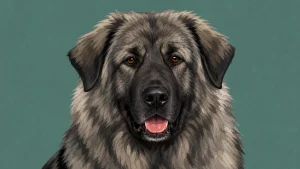
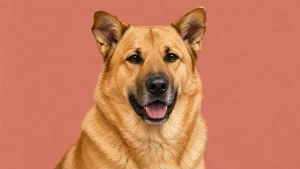
Maremma and Abruzzese Sheepdog
Breed Group
Working Dogs
Country of Origin
Italy
Breed Size
Giant
AKC Recognition
No
FCI Recognition
Yes, recognized in 1966
Family dog
Poor2 / 10
Good with kids
Not Recommended2 / 10
First-time owner
Poor2 / 10
Apartment dog
Not Recommended1 / 10
Yard need
Below Average6 / 10
Can be left alone
Above Average6 / 10
What Do Owners Want to Know?
Are Maremma and Abruzzese Sheepdog good family dogs?
The Maremma and Abruzzese Sheepdog is a loyal and protective companion that bonds deeply with its family, often viewing them as its pack. While they are gentle with children they are raised with, they require experienced owners and consistent socialization due to their independent nature and suspicion of strangers. They are best suited for families in rural environments who can provide ample space and clear leadership.
Family dog: 2 / 10
Are Maremma and Abruzzese Sheepdog good with kids?
Maremma and Abruzzese Sheepdogs are naturally protective and gentle with children they are raised with, often viewing them as part of their flock. However, their large size and independent nature mean they may accidentally knock over small children, and they can be overly suspicious of visiting friends. Constant supervision and early socialization are essential to ensure they remain calm and predictable around kids.
Good with kids: 2 / 10
Are Maremma and Abruzzese Sheepdog good for first-time owners?
Maremma and Abruzzese Sheepdogs are not recommended for first-time owners because their independent nature and strong guarding instincts require experienced leadership and consistent socialization. Their tendency to make autonomous decisions can be challenging for novices who are unfamiliar with the unique psychology of livestock guardian breeds.
First-time owner: 2 / 10
Are Maremma and Abruzzese Sheepdog good apartment dogs?
The Maremma and Abruzzese Sheepdog is not recommended for apartment living, as they are large, independent guardians that require significant open space to roam. Originally bred to patrol vast rural areas, they thrive in farm-like environments and may become bored, unhappy, or vocal if confined to small, urban spaces.
Apartment dog: 1 / 10
Do Maremma and Abruzzese Sheepdog need a yard?
While a yard is not strictly required for a Maremma and Abruzzese Sheepdog, it is highly recommended as they thrive in rural environments with ample space to roam. Their history as livestock guardians means they are happiest when they have territory to patrol and observe. Provided they receive several hours of daily exercise and mental stimulation, they can adapt to smaller living situations, but a large, securely fenced property is ideal for their well-balanced health.
Yard need: 6 / 10
Can Maremma and Abruzzese Sheepdog be left alone?
Maremma and Abruzzese Sheepdogs are highly independent and were bred to live alongside livestock for long periods without human intervention. While they can tolerate being alone for prolonged periods of time, they thrive best when they have a job to do, such as patrolling a large rural property. Without proper mental stimulation or a sense of purpose, they may become bored or hypervigilant, so owners should provide engaging tasks or interactive toys during absences.
Can be left alone: 6 / 10
Are Maremma and Abruzzese Sheepdog good with cats?
Maremma and Abruzzese Sheepdogs generally get along well with cats, especially when raised together from a young age. Due to their history as livestock guardians, they often view other household pets as part of their flock to protect. While they are naturally gentle with family animals, early socialization is important to manage their protective instincts and ensure a peaceful cohabitation.
Good with cats: 6 / 10
Are Maremma and Abruzzese Sheepdog aggressive?
Maremma and Abruzzese Sheepdogs are not inherently aggressive but possess powerful protective instincts and a natural suspicion of strangers. As independent livestock guardians, they are highly territorial and require experienced owners who can provide firm leadership and consistent socialization. When properly managed, they are loyal and dignified companions that use their presence and voice to deter threats rather than resorting to unprovoked aggression.
Aggression tendency: 6 / 10
Are Maremma and Abruzzese Sheepdog high-energy dogs?
Maremma and Abruzzese Sheepdogs are energetic working dogs that thrive when given a purposeful job, such as patrolling and guarding livestock. While they are not high-intensity athletes like some herding breeds, they require regular activity and ample space to roam to satisfy their natural instincts. Without a role to fulfill or sufficient mental and physical engagement, they can become bored and develop protective or destructive behaviors.
Energy level: 7 / 10
How much exercise does a Maremma and Abruzzese Sheepdog need?
Maremma and Abruzzese Sheepdogs are high-energy working dogs that require a significant amount of daily exercise, typically ranging from 45 to 90 minutes of walking or patrolling. Because they were bred for endurance rather than speed, they thrive on long, slow-paced walks and having a large, secure space to roam and monitor. Providing mental stimulation through interactive games or tasks is essential to prevent boredom and destructive behaviors in this independent and vigilant breed.
Exercise need: 8 / 10
Can Maremma and Abruzzese Sheepdog live in hot weather?
Maremma and Abruzzese Sheepdogs have a moderate tolerance for heat thanks to their light-colored, weather-resistant coats that reflect sunlight. While they can fare well in warmer climates, they require ample shade, fresh water, and a shady spot on the soil to rest during the hottest hours. Owners should never shave their double coat, as it provides essential insulation against the heat, and should limit strenuous activities to cooler parts of the day to prevent overheating.
Hot weather tolerance: 5 / 10
Can Maremma and Abruzzese Sheepdog live in cold weather?
Maremma and Abruzzese Sheepdogs are exceptionally well-suited for cold weather due to their thick, weather-resistant double coats. Originally bred for mountainous Italian regions, they thrive in snow and can comfortably live and work outdoors year-round, provided they have access to dry, draft-free shelter.
Cold weather tolerance: 7 / 10
Are Maremma and Abruzzese Sheepdog banned in apartments or rentals?
Maremma and Abruzzese Sheepdogs are generally considered low risk for breed-specific bans, as they are not typically found on lists of prohibited breeds. However, their large size and history as independent guardians mean they are not suited for apartment living and may exceed common weight limits in rentals. Landlords may also have concerns about their protective nature and potential for vocalization, so always verify individual property policies and insurance requirements before applying.
Rental restriction risk: 7 / 10
Vet Insights
Maremma and Abruzzese Sheepdogs are generally hardy guardians, but as a veterinarian, I prioritize screening for hip and elbow dysplasia and monitoring for life-threatening gastric dilatation-volvulus (bloat). They are also prone to anesthesia sensitivity and eye conditions like entropion, so maintaining a healthy weight and choosing puppies from health-tested parents are vital for their long-term well-being.