Skip to content

Boxer - MAIN HUB

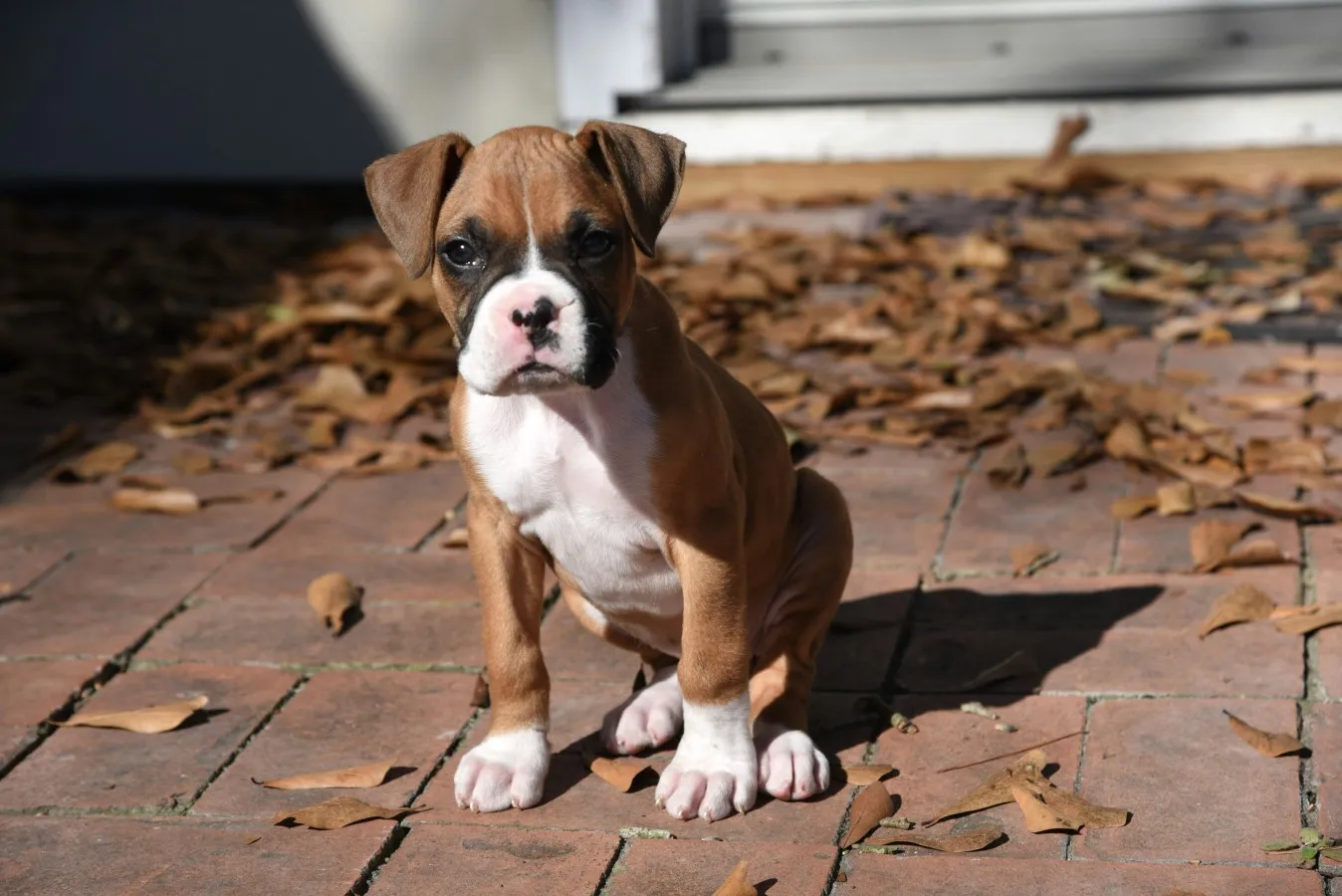
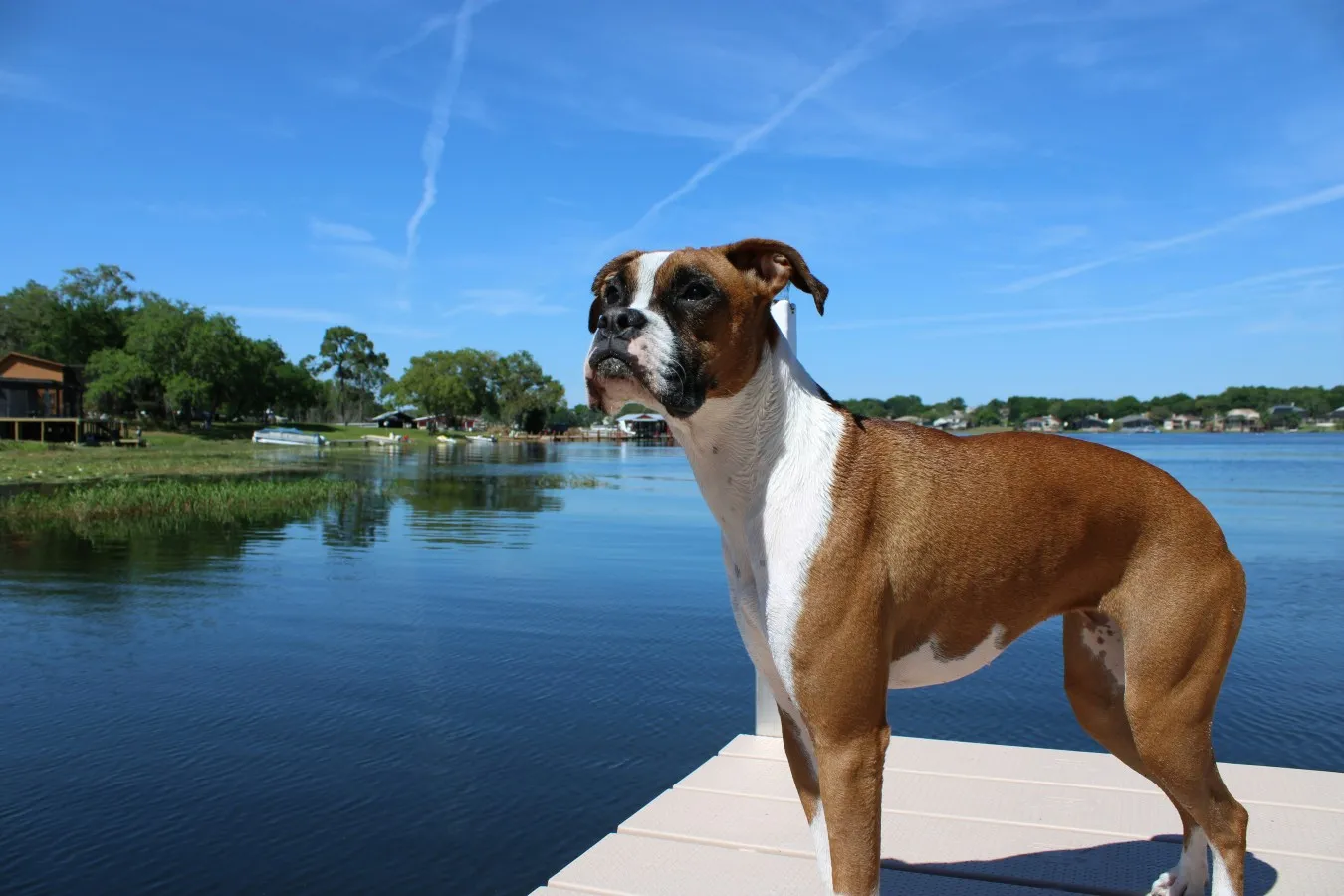
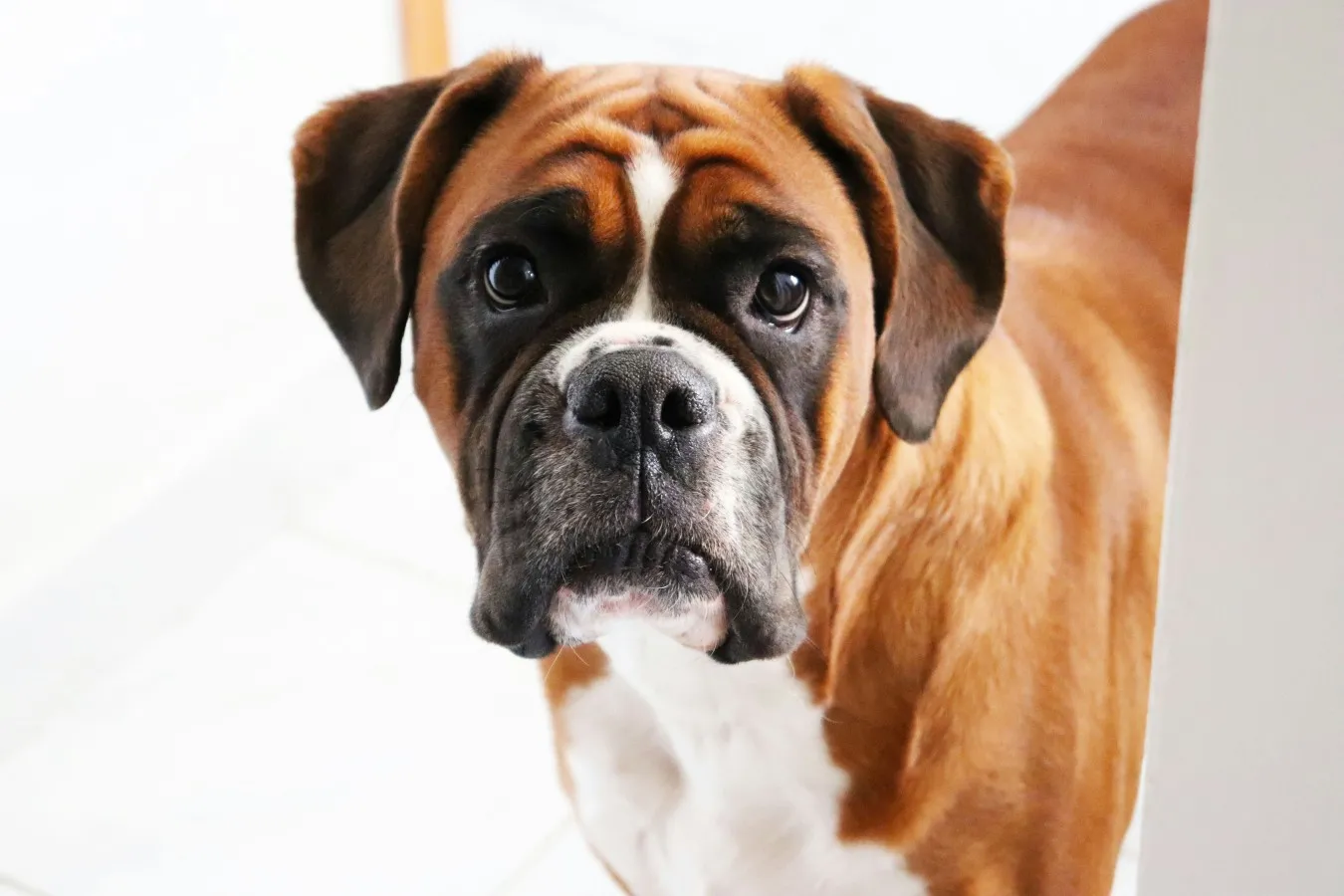
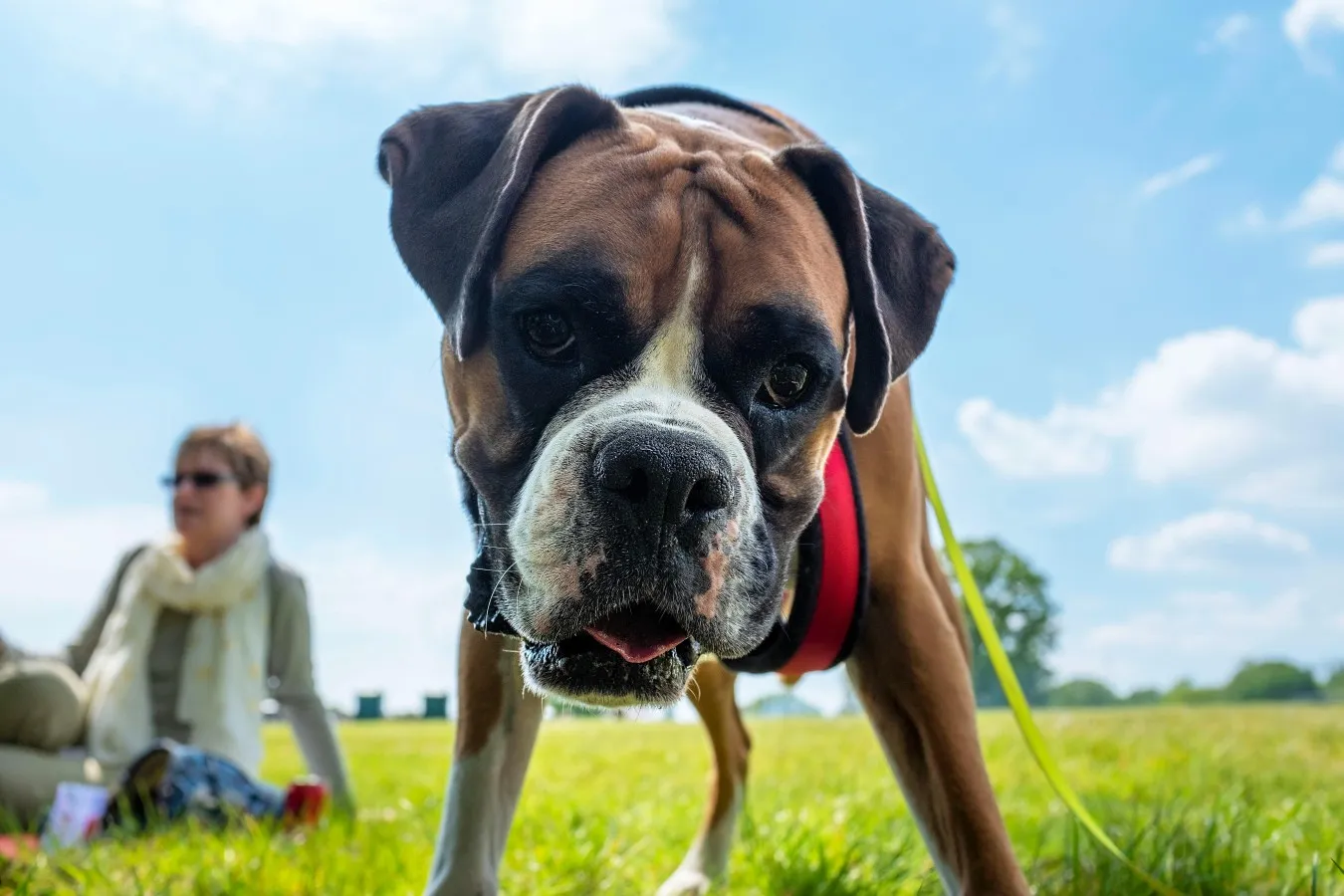
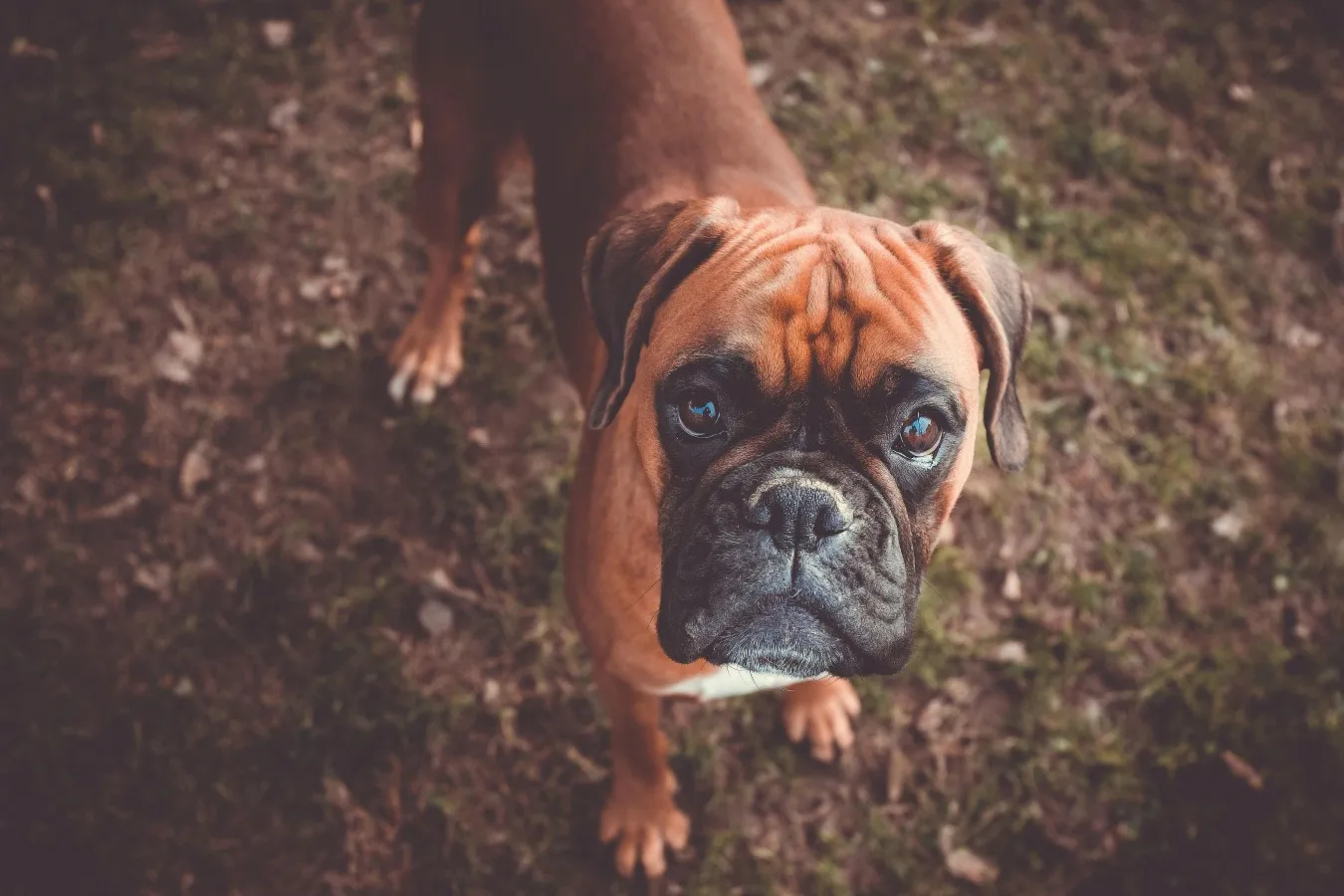
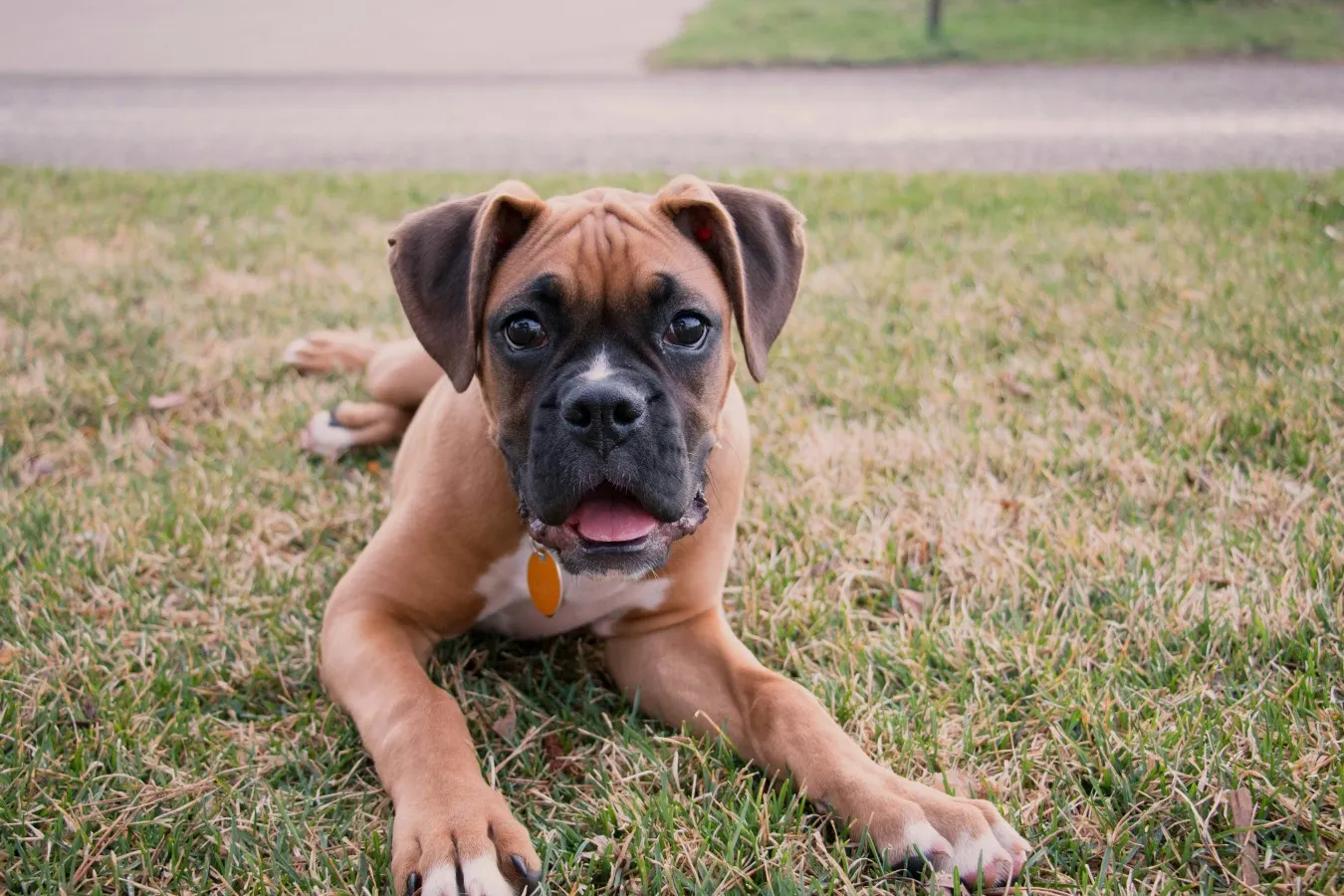
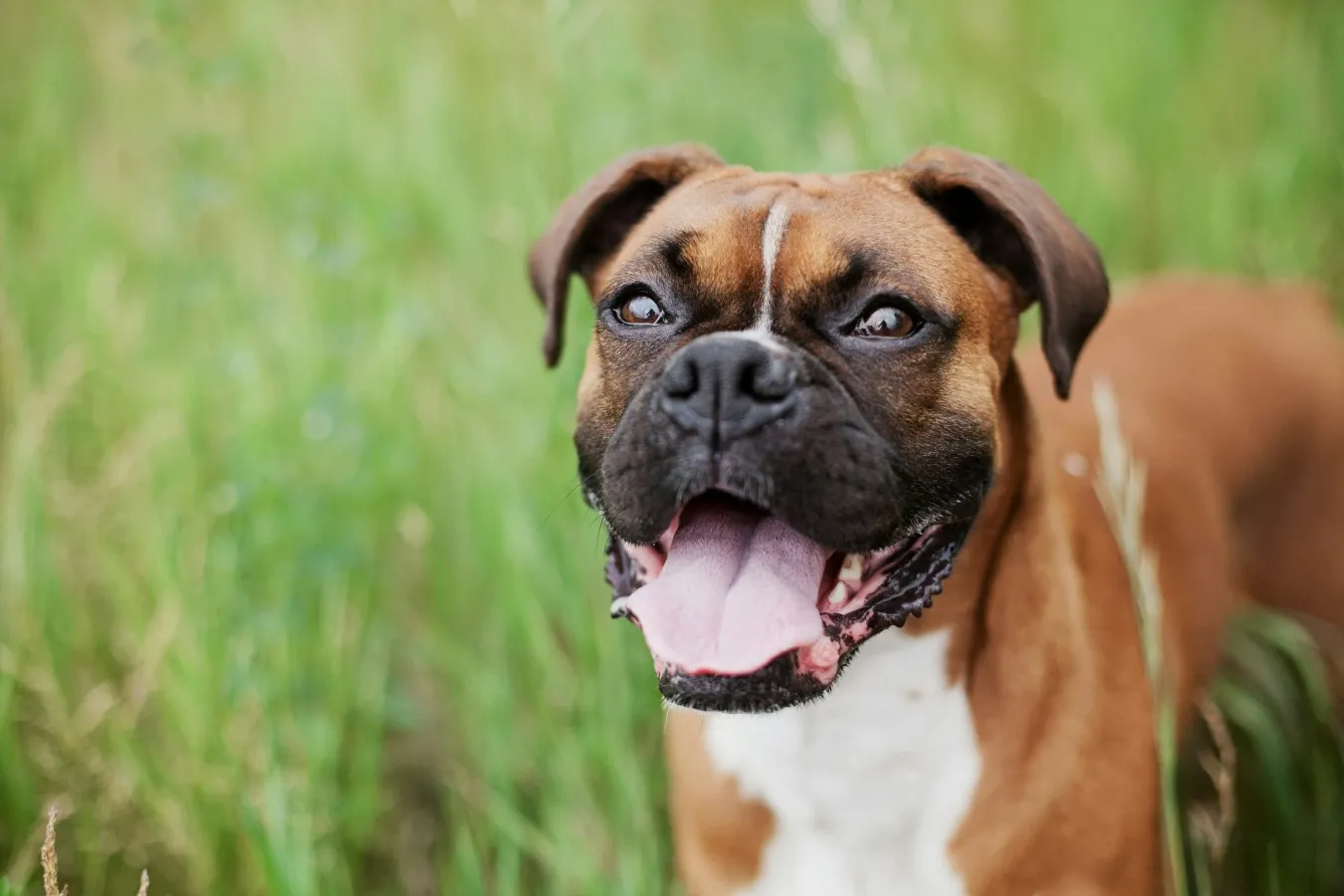
Meet the Boxer: a playful, protective, and energetic companion with a heart of gold. This loyal “Peter Pan” of dogs will fill your home with joy.

BREED GROUP

Working Dogs

Country of origin

Germany

BREED SIZE

Large

BREED HEIGHT

22 -

25 IN

56 -

64 cm

BREED WEIGHT

50 -

70 LB

23 -

32 KG

WHAT YOU NEED TO KNOW

The Boxer is a powerful and intelligent breed from Germany, belonging to the Working Group. With a lifespan of 10-12 years, they are celebrated as excellent family companions, known for being patient and protective with children. These high-energy dogs require 1-2 hours of daily exercise to prevent boredom and potential separation anxiety. While adaptable to apartment living if their activity needs are met, a fenced yard is highly recommended. Boxers are friendly yet protective watchdogs. Their boisterous nature requires consistent training, making them best suited for committed owners who can manage their exuberant personality.
american kennel club (AKC) recognition

Yes

Breed was recognized in 1904.

International Canine Federation (FCI) recognition

Yes

Breed was recognized in 1955.
WHAT DO OWNERS WANT TO KNOW?

Are Boxers good family dogs?

Excellent

10 out of 10

Boxers make excellent family companions because they are notably patient and protective with children. Their loyal and friendly nature makes them great watchdogs, though they require active owners who can manage their high energy and boisterous personality through consistent training and daily exercise.

Excellent

10 out of 10

Boxers are excellent with children, known for their patient, gentle, and protective nature. Their high energy and playful spirit make them wonderful playmates for older kids, though their boisterousness means they may accidentally knock over toddlers during play. Constant supervision and teaching children proper interaction are recommended to ensure safety for everyone.

Exceptional

10 out of 10

Boxers can be exceptional for first-time owners who are committed to providing consistent training and meeting their high physical and mental stimulation needs. Their intelligence and eager-to-please nature make them quick learners, but their "Peter Pan" personality and stubborn streaks require a patient, firm, and fun approach. For active novices who can manage their exuberant energy and boisterous spirit, their deep loyalty and affectionate heart make them incredibly rewarding companions.

Fair

3 out of 10

Boxers are generally considered fair apartment dogs because they are adaptable to smaller living spaces provided their significant physical and mental exercise requirements are met daily. While their medium-to-large size and high energy can be challenging in a compact home, they are relatively quiet indoors and thrive on being close to their families. Owners must commit to at least 1-2 hours of vigorous activity, such as long walks or interactive play, to prevent boredom-induced destructive behaviors within the apartment.

Strictly Required

1 out of 10

A medium to large securely fenced yard is highly recommended for a Boxer to safely accommodate their high energy and boisterous "zoomies." While they can adapt to apartment living if their significant exercise needs are met, having a private outdoor space allows them to run, jump, and play freely, which is essential for preventing boredom and destructive behaviors.

Not Recommended

1 out of 10

Boxers are highly social "Velcro dogs" that thrive on constant human companionship and are prone to developing separation anxiety if left alone for long periods. Because they are exceptionally high-energy and known as the "Peter Pan" of dogs, they may resort to destructive behaviors when bored or lonely, making them best suited for households where someone is home most of the day.

Great

8 out of 10

Boxers can coexist well with cats, especially when raised together from a young age, as they are naturally friendly and patient. However, their high energy and boisterous nature can be overwhelming for some cats, and they may instinctively chase smaller animals if not properly socialized. To ensure a peaceful relationship, introductions should be slow and supervised, providing the cat with escape routes and rewarding the Boxer for calm behavior.

Very Gentle

10 out of 10

Boxers are not inherently aggressive; they are renowned for being playful, friendly, and deeply loyal companions. While they possess strong protective instincts and can be wary of strangers, any aggressive behavior is typically a result of a lack of socialization, insufficient exercise, or a perceived threat to their family. With early socialization and consistent positive reinforcement training, they remain gentle and affectionate family pets.

Hyperactive

10 out of 10

Boxers are exceptionally high-energy dogs that require significant daily physical and mental stimulation to stay healthy and happy. Known as the "Peter Pan" of dogs for their lifelong puppy-like exuberance, they need at least one to two hours of vigorous exercise such as running, long walks, and interactive play. Without a proper outlet for their boundless energy, they can become bored and develop destructive behaviors.

~105 min a day

9 out of 10

Boxers are high-energy, athletic dogs that require approximately 1 to 2 hours of vigorous daily exercise to stay healthy and prevent boredom. This should include long walks, running, and interactive playtime like fetch or agility training. Because they have a low tolerance for heat due to their short muzzles, exercise should be restricted during warm weather to prevent overheating. Mental stimulation through puzzle toys and consistent training is equally important to manage their boisterous personality and prevent destructive behaviors.

Very Poor

2 out of 10

Boxers have a low tolerance for hot weather due to their brachycephalic nature, which makes it difficult for them to cool down through panting. They are highly susceptible to heatstroke, especially in humid conditions. Owners must provide constant access to shade, fresh water, and air conditioning. It is essential to limit outdoor activity to the cooler early morning or late evening hours.

Very Poor

2 out of 10

Boxers have a low tolerance for hot weather due to their brachycephalic nature, which makes it difficult for them to cool down through panting. They are highly susceptible to heatstroke, especially in humid conditions. Owners must provide constant access to shade, fresh water, and air conditioning. It is essential to limit outdoor activity to the cooler early morning or late evening hours.

Sometimes Restricted

5 out of 10

Boxers are sometimes subject to apartment breed bans, often due to their medium-to-large size and high energy levels. Some insurance companies and property managers classify them as high-risk or aggressive, leading to restrictions. Renters should review lease agreements and may benefit from providing training certifications or personal references to demonstrate their dog's good temperament.

WHAT DO OWNERS WANT TO KNOW?


Photo
Reviewed by
Dr. Vojtech Gabriel
DVM · PhD · MBA
Veterinarian Researcher Dog breed specialist
Verified

"Boxers are energetic companions but are genetically predisposed to several serious health conditions. As a veterinarian, I prioritize regular screening for heart diseases, specifically Boxer cardiomyopathy (ARVC) and subaortic stenosis, which can cause sudden collapse. This breed also has one of the highest cancer rates, with a high incidence of mast cell tumors, lymphoma, and brain tumors, making monthly lump checks essential. Owners should also be vigilant for signs of bloat (GDV), a life-threatening emergency, and maintain a lean weight to manage risks for hip dysplasia and degenerative myelopathy. Early detection through annual heart monitoring and proactive veterinary exams is key to managing these breed-specific challenges."


Other Working Dogs