Skip to content

German Pinscher - MAIN HUB

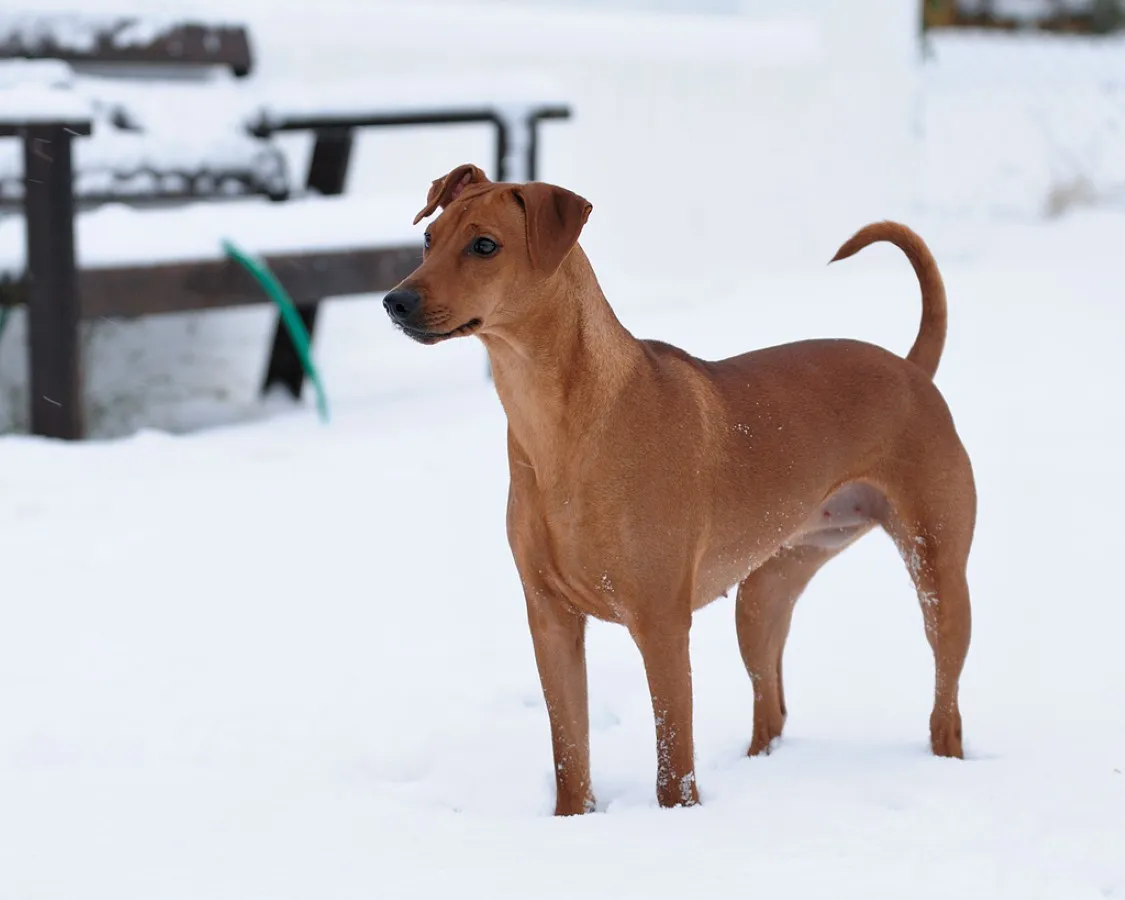
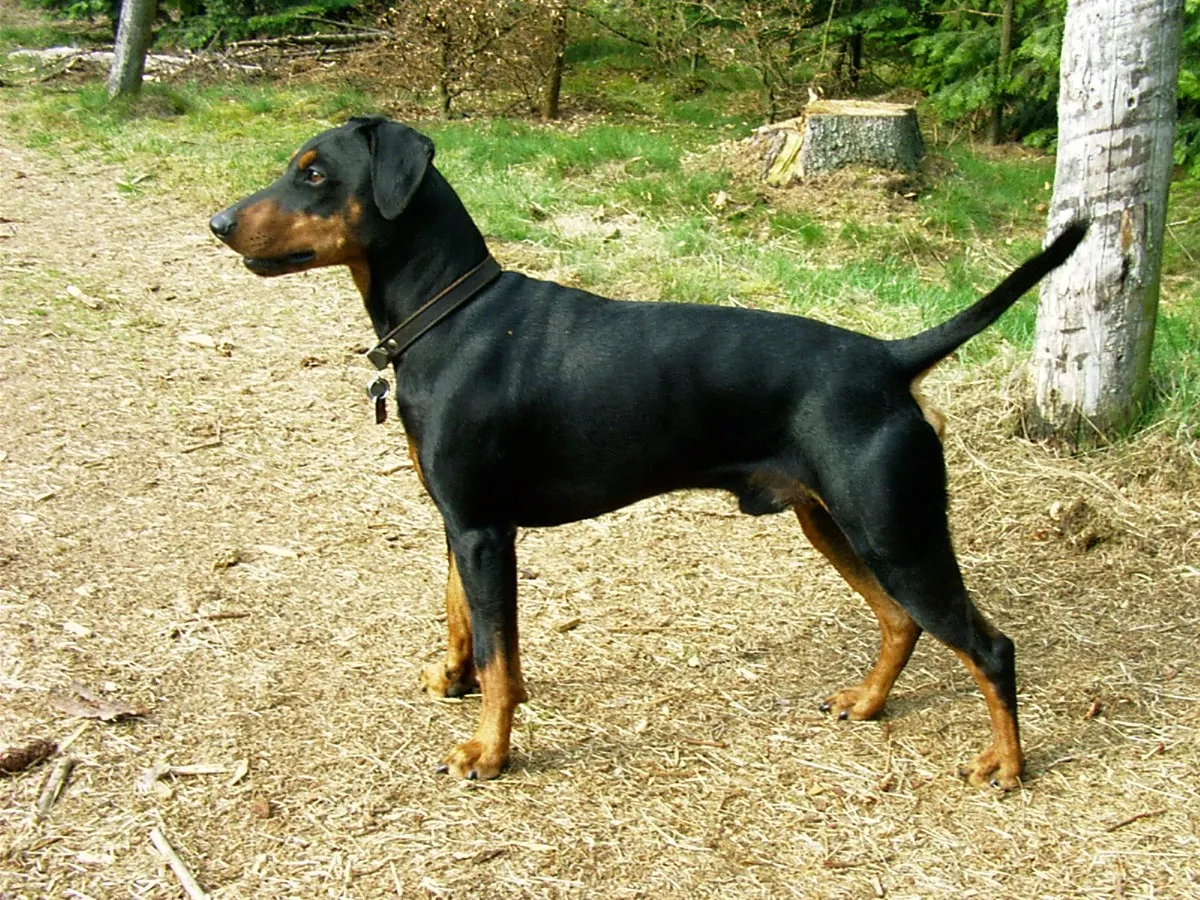
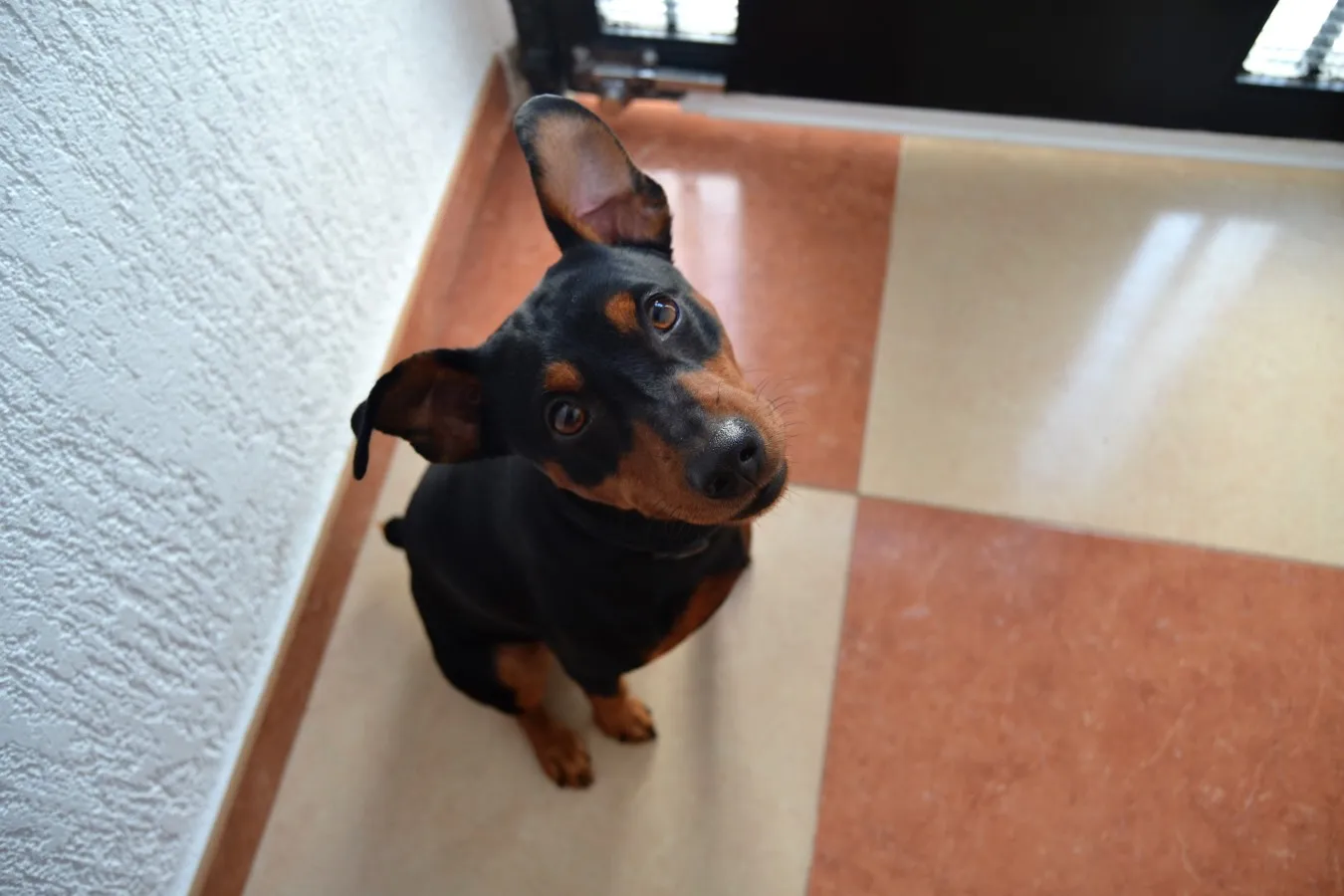
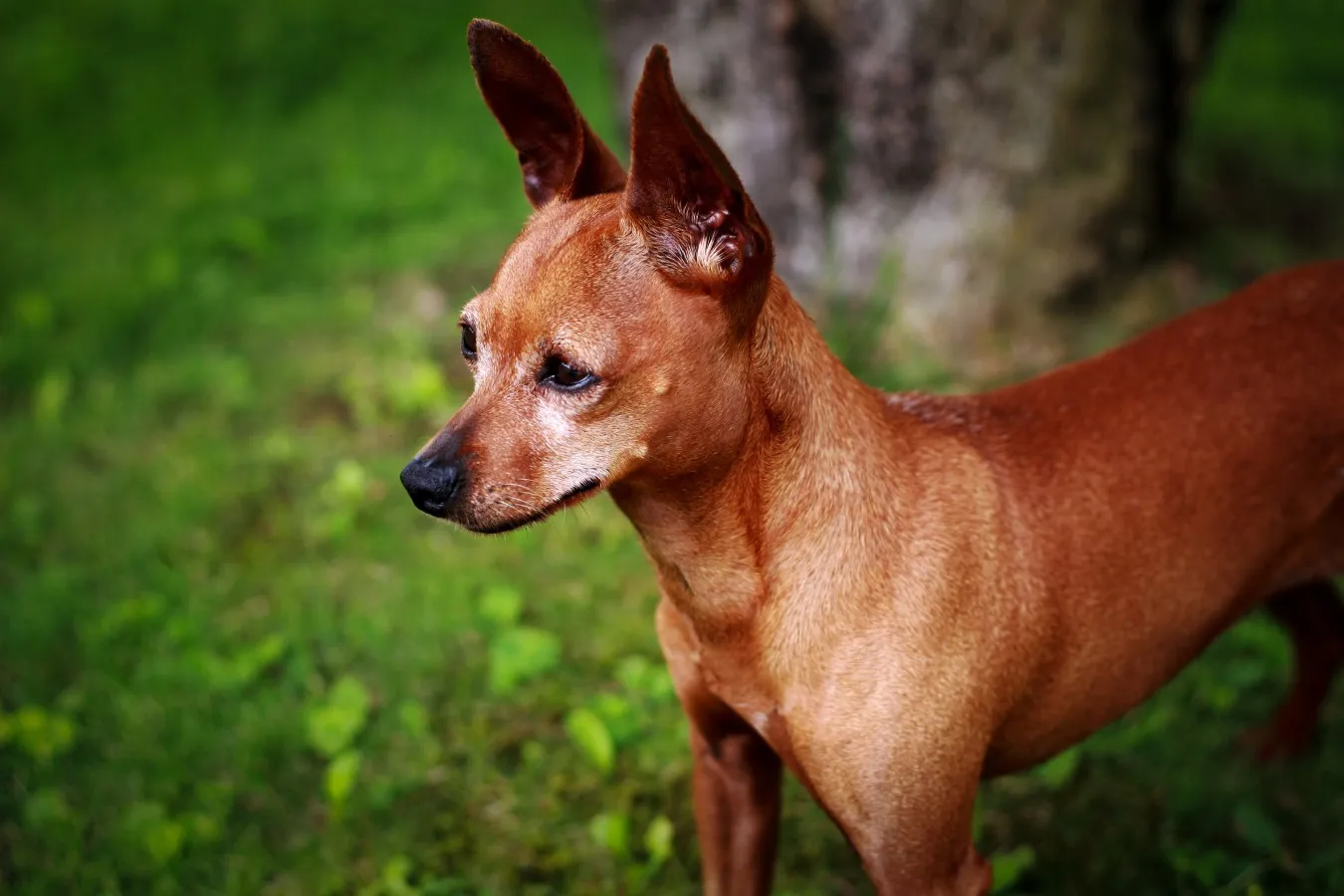
The German Pinscher is a sleek, brainy athlete. Loyal and bold, this spirited companion thrives on adventure and loves being at the heart of the family.

BREED GROUP

Working Dogs

Country of origin

Germany

BREED SIZE

Medium

BREED HEIGHT

17 -

20 IN

43 -

51 cm

BREED WEIGHT

25 -

45 LB

11 -

20 KG

WHAT YOU NEED TO KNOW

The German Pinscher is an elegant, high-energy working breed originating from Germany. Standing 17-20 inches and weighing 25-45 pounds, this intelligent dog is a loyal companion but requires an experienced, firm owner due to its independent and sometimes manipulative nature. Known for a strong prey drive and protective instincts, they make excellent watchdogs but may be better suited for families with older children. Owners should provide at least one to two hours of vigorous daily exercise and mental stimulation to prevent boredom and destructive behaviors. Their short coat is low-maintenance, requiring only weekly brushing.
american kennel club (AKC) recognition

Yes

Breed was recognized in 2003.

International Canine Federation (FCI) recognition

Yes

Breed was recognized in 1955.
WHAT DO OWNERS WANT TO KNOW?

Are German Pinschers good family dogs?

Average

5 out of 10

German Pinschers are loyal companions that are generally better suited for families with older children due to their assertive and independent nature. While they make excellent watchdogs, their high energy levels and strong prey drive require an experienced owner who can provide consistent training and significant daily exercise.

Average

5 out of 10

German Pinschers are generally better suited for families with older children who can handle them with respect. While they are loyal and affectionate with their family, their assertive nature and low tolerance for rough handling mean they may find toddlers or very young children overwhelming. Constant supervision and early socialization are essential to ensure positive interactions and to manage their high energy and protective instincts around kids.

Good

6 out of 10

German Pinschers are not recommended for first-time owners because their assertive, independent, and manipulative nature requires a firm and experienced handler. They are highly intelligent but will test boundaries and attempt to dominate if they do not have a strong leader. Successful ownership demands a significant commitment to consistent training and vigorous daily exercise to manage their high energy and prevent destructive behaviors.

Good

6 out of 10

German Pinschers can adapt to apartment living if their high energy and mental stimulation needs are met through one to two hours of vigorous daily exercise. While they are medium-sized and low-maintenance in grooming, their assertive nature and potential for vocalization mean owners must commit to consistent training and frequent outdoor activity to prevent boredom-related destructive behaviors. Although they prefer a home with a fenced yard, they can thrive in smaller spaces with dedicated owners who prioritize their active lifestyle.

Highly Recommended

8 out of 10

A yard is not strictly required for a German Pinscher, as they can adapt to apartment living if their high exercise and mental stimulation needs are met. However, a home with a securely fenced yard is highly recommended for this energetic breed to run at their leisure and satisfy their strong prey drive safely. Even with a yard, they require vigorous daily activity and human interaction to prevent boredom-related destructive behaviors.

Fair

4 out of 10

German Pinschers are devoted companions that prefer to be with their families and can develop separation anxiety or destructive behaviors if left alone for long periods. While they can typically manage a few hours of solitude, especially if well-exercised beforehand, they thrive best in households where they receive frequent interaction and mental stimulation to keep their active minds engaged.

Below Average

3 out of 10

German Pinschers have a strong prey drive and may instinctively chase cats, especially if they are not raised together from a young age. While they can learn to coexist peacefully through early socialization and supervised introductions, their background as vermin hunters means they are generally not the most natural fit for households with feline companions.

Reactive

2 out of 10

German Pinschers are not naturally aggressive but possess an assertive, bold, and protective temperament. Their independent nature and strong prey drive mean they require an experienced owner to provide firm, consistent training and early socialization. When properly guided and socialized, they are loyal and devoted companions, though their guarding instincts may make them naturally wary of strangers.

High

8 out of 10

German Pinschers are a high-energy working breed that requires substantial daily physical and mental stimulation to thrive. They are spirited, athletic, and maintain a puppy-like playfulness well into adulthood, needing at least one to two hours of vigorous activity such as running, hiking, or agility training. Without a consistent outlet for their abundant energy and alert minds, they can become bored, manipulative, or engage in destructive behaviors.

~105 min a day

9 out of 10

German Pinschers require significant physical and mental activity, needing approximately 1 to 2 hours of vigorous daily exercise. This should include brisk walks, jogs, and high-impact activities like fetch or agility training to satisfy their working breed stamina. Incorporating mental challenges through obedience training and puzzle toys is essential to prevent boredom and destructive behaviors in the home.

Great

8 out of 10

German Pinschers generally tolerate warm weather well due to their short, sleek coats, which help with heat regulation. However, their high energy levels can lead to overexertion in high temperatures, so owners must provide ample shade and fresh water while limiting intense exercise to the cooler morning or evening hours to prevent overheating.

Great

8 out of 10

German Pinschers generally tolerate warm weather well due to their short, sleek coats, which help with heat regulation. However, their high energy levels can lead to overexertion in high temperatures, so owners must provide ample shade and fresh water while limiting intense exercise to the cooler morning or evening hours to prevent overheating.

Moderate Risk

6 out of 10

German Pinschers are rarely subject to breed-specific bans, as they are generally not categorized among restricted high-risk breeds. However, their weight of 25 to 45 pounds may exceed some apartment weight limits, and their protective, vocal nature requires dedicated training to ensure they remain polite in shared living spaces. Prospective owners should always confirm individual landlord policies regarding size limits and noise regulations.

WHAT DO OWNERS WANT TO KNOW?


Photo
Reviewed by
Dr. Vojtech Gabriel
DVM · PhD · MBA
Veterinarian Researcher Dog breed specialist
Verified

"German Pinschers are generally healthy and athletic, but as a veterinarian, I focus on screening for genetic conditions including hip dysplasia, von Willebrand's disease, and eye issues like cataracts. Heart health is also a priority, specifically monitoring for dilated cardiomyopathy (DCM) through regular echocardiograms. While their short coats are low-maintenance, their high energy and assertive "feisty" nature require dedicated mental and physical outlets to prevent destructive behaviors. Because of their strong prey drive and potential for resource guarding, early socialization and firm, consistent training are essential. I recommend weight management to protect their joints and maintaining a routine of dental care and ear cleanings to ensure lifelong vitality."


Other Working Dogs