Skip to content

Great Dane - MAIN HUB

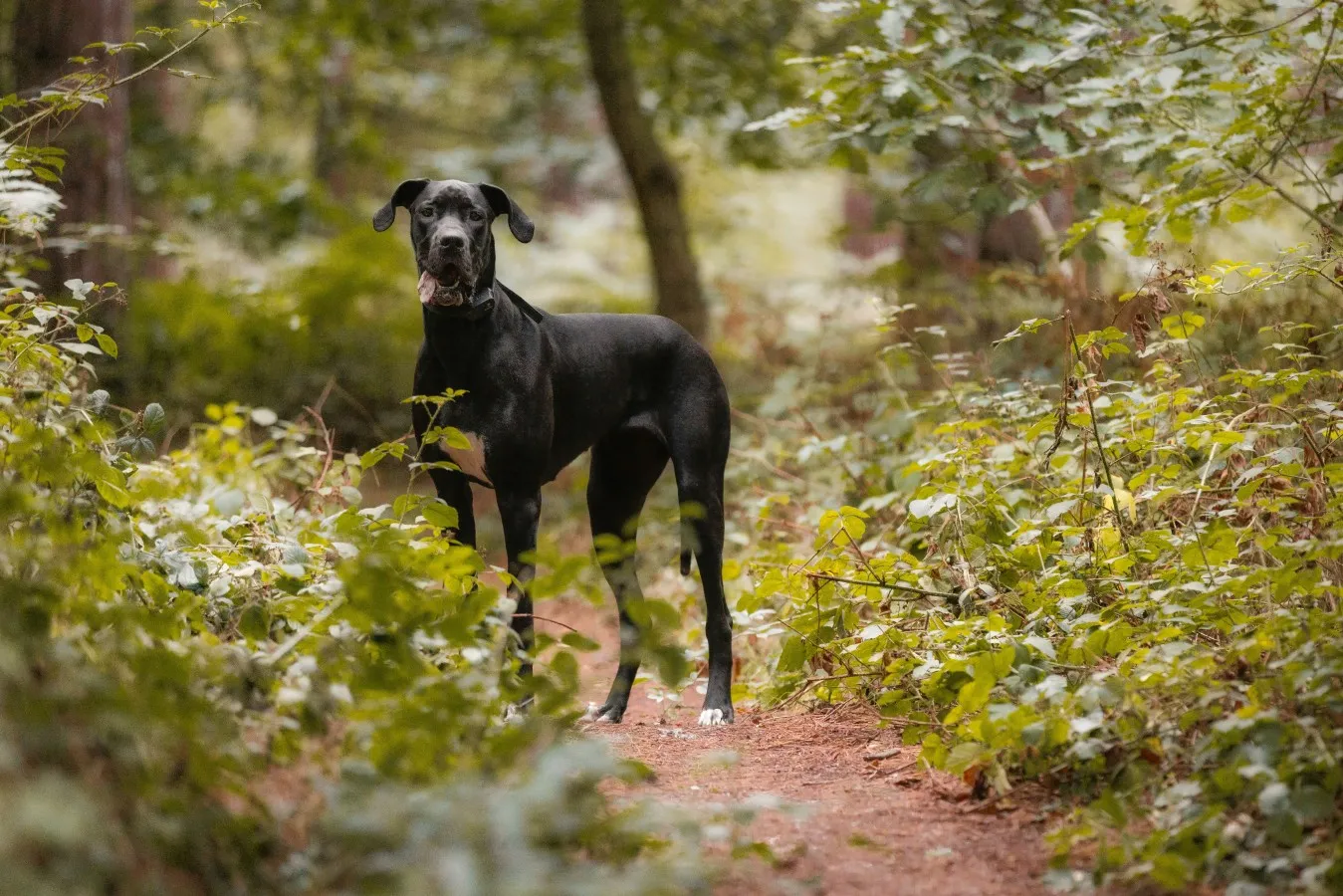
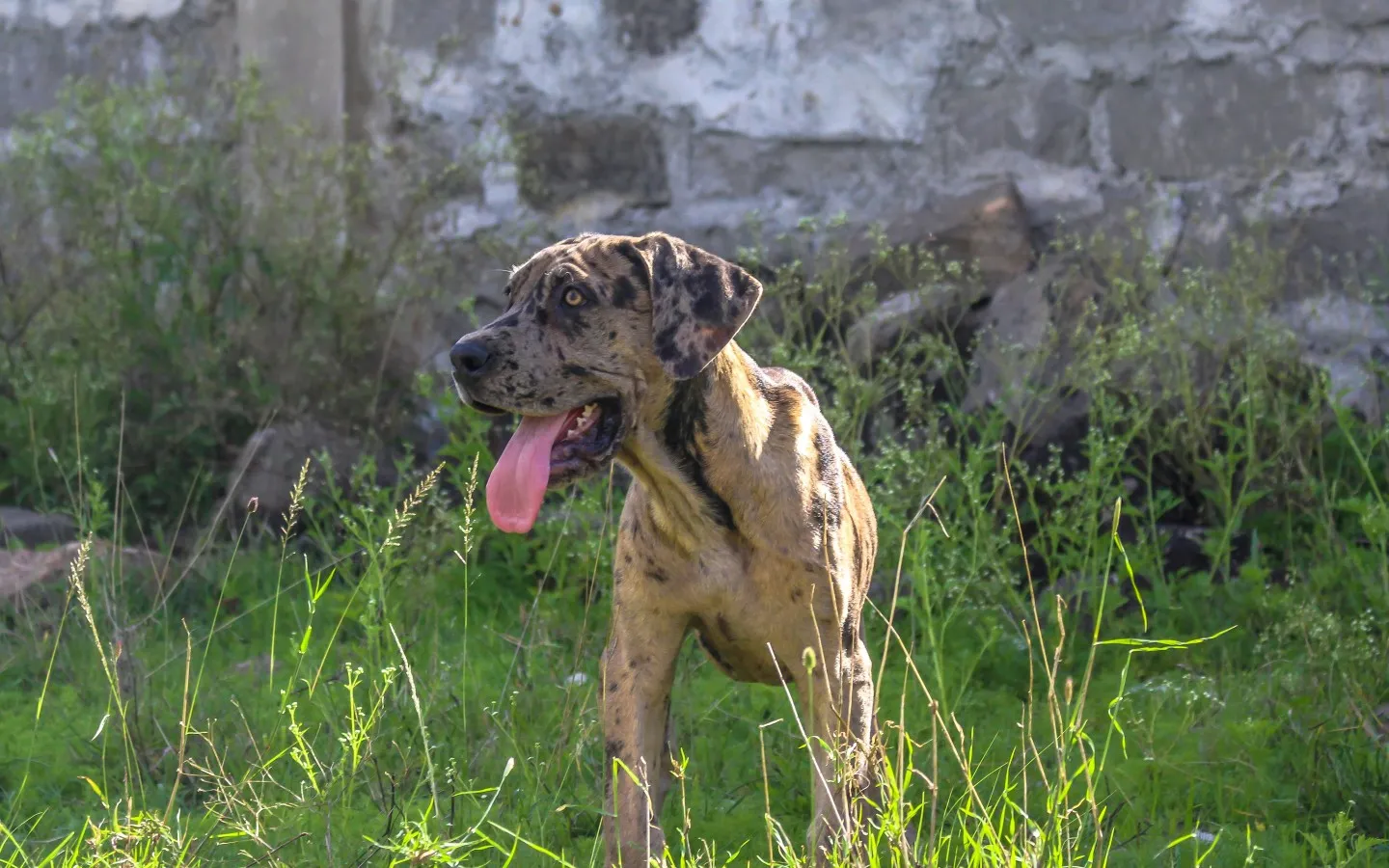
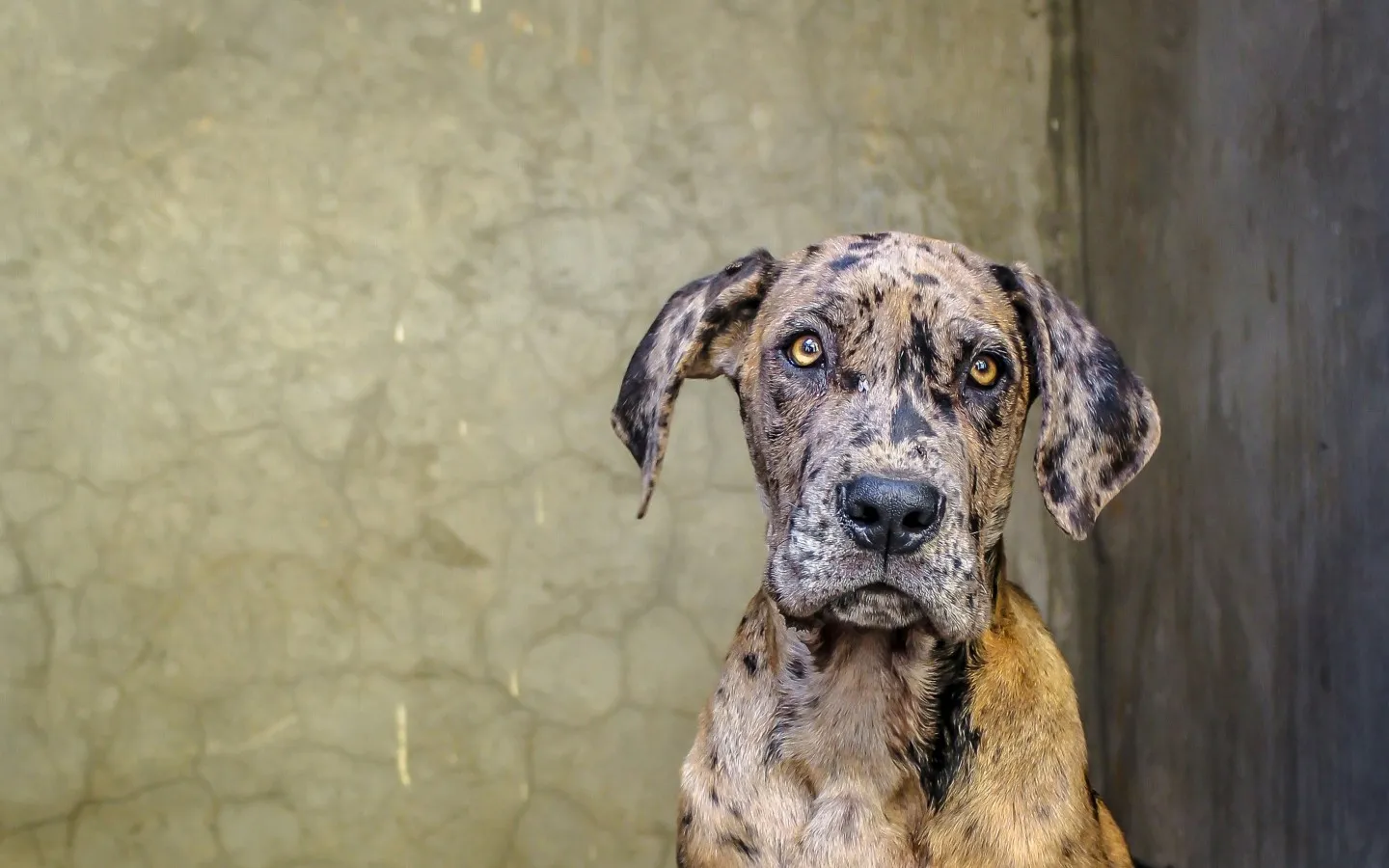
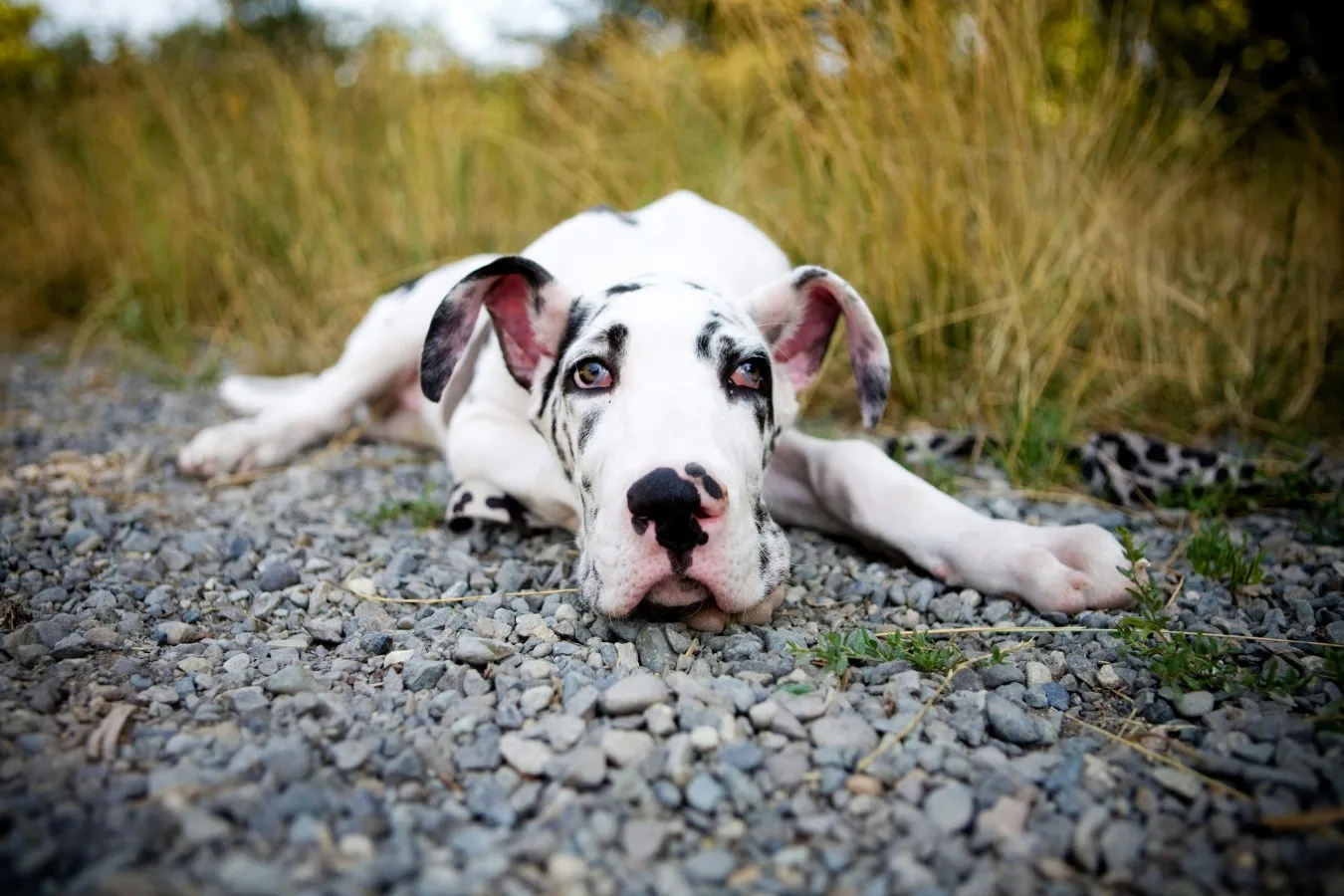
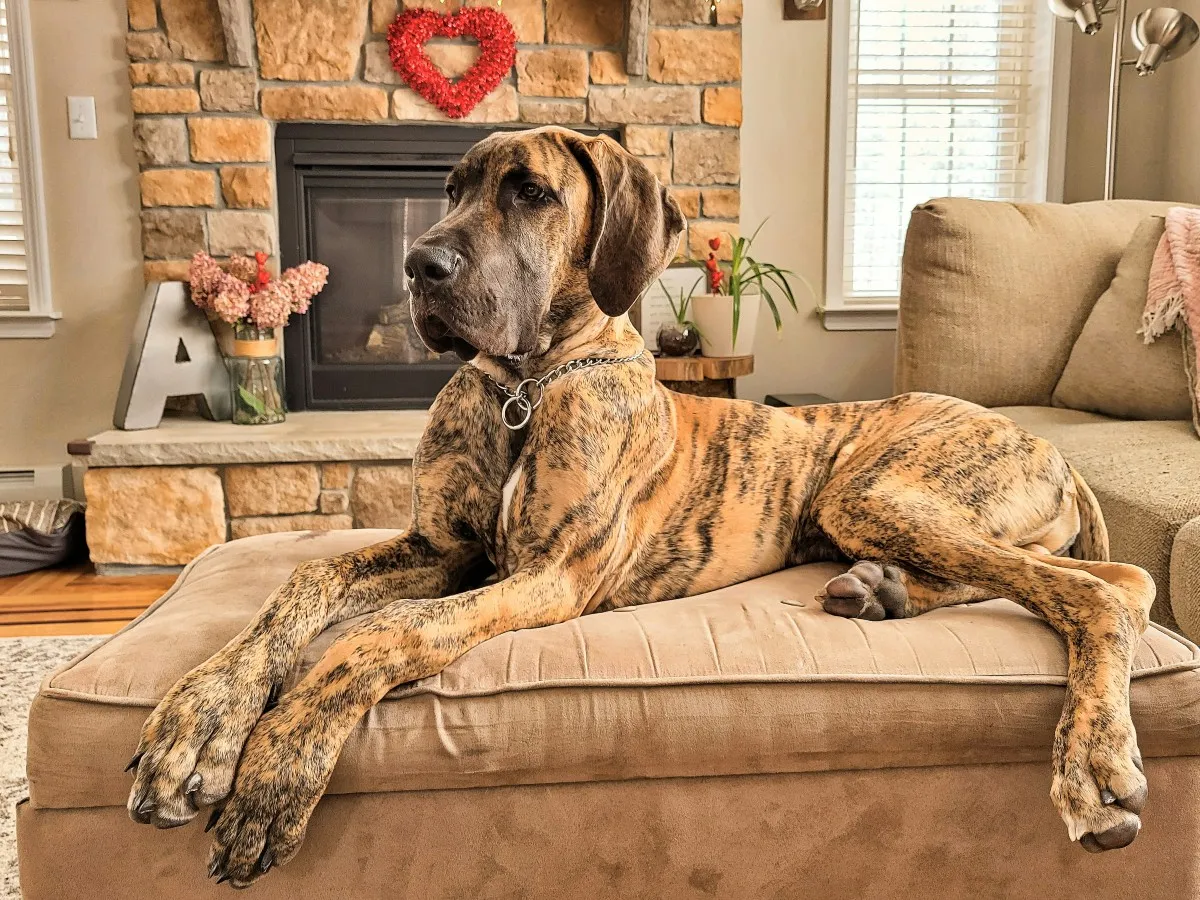
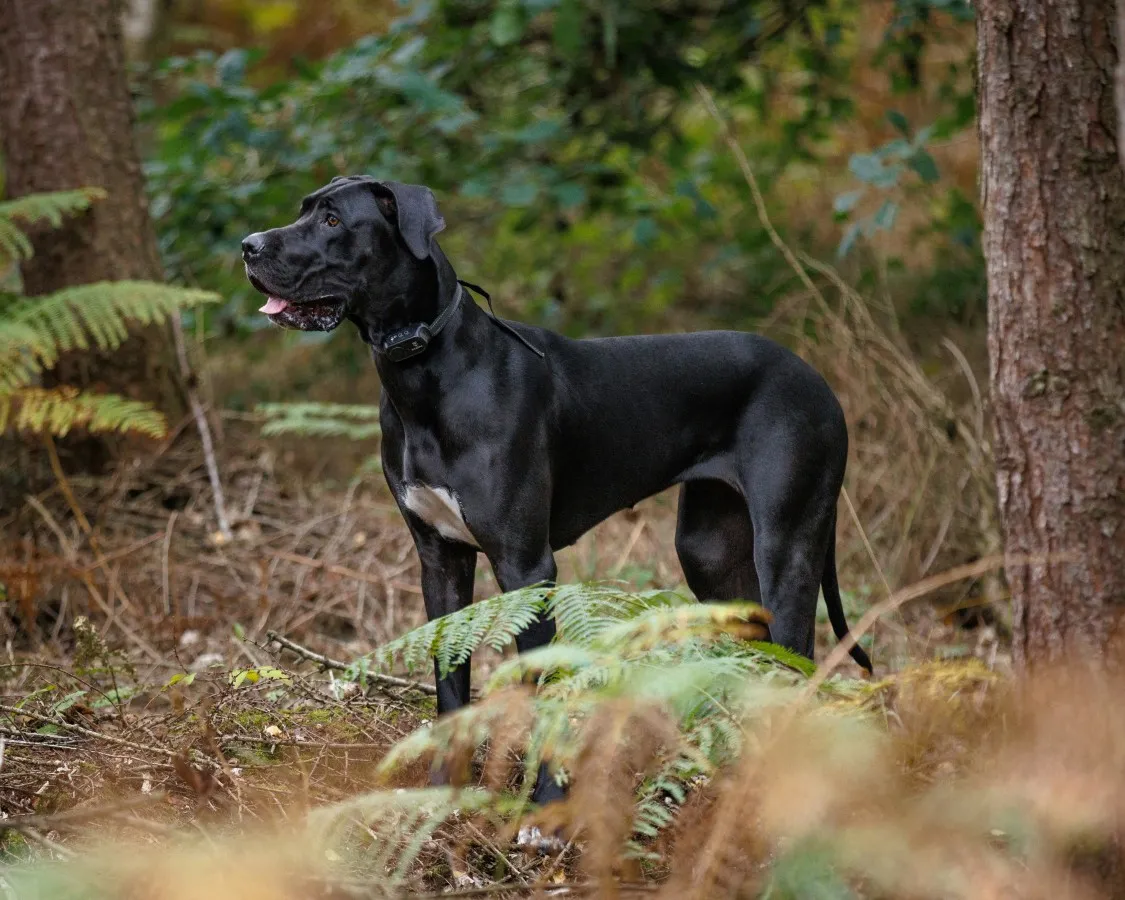
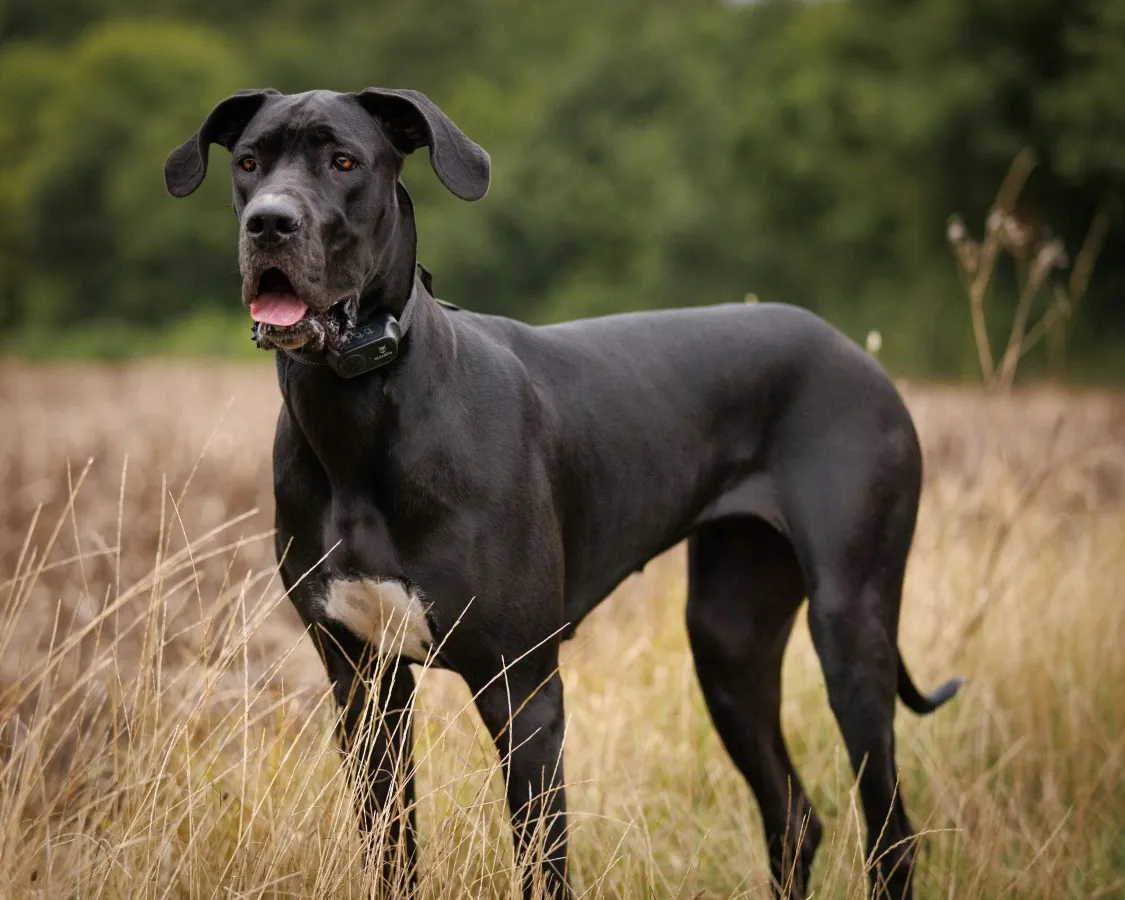
Meet the “Apollo of Dogs!” This gentle giant is a loyal, calm, and affectionate soul who loves nothing more than being your oversized lap dog.

BREED GROUP

Working Dogs

Country of origin

Germany

BREED SIZE

Giant

BREED HEIGHT

28 -

34 IN

71 -

86 cm

BREED WEIGHT

110 -

175 LB

50 -

79 KG

WHAT YOU NEED TO KNOW

The Great Dane, known as the Apollo of Dogs, is a majestic German breed originally developed for hunting boar and guarding estates. These gentle giants are famous for their massive stature, standing up to 34 inches tall, and their deeply affectionate, loyal temperament. While easygoing and friendly with families, their size requires early socialization and consistent obedience training. Owners should provide moderate daily exercise, such as brisk walks, while being mindful of joint health. Despite their short 7 to 10 year lifespan and health risks like bloat, they remain devoted, dignified companions.
american kennel club (AKC) recognition

Yes

Breed was recognized in 1887.

International Canine Federation (FCI) recognition

Yes

Breed was recognized in 1955.
WHAT DO OWNERS WANT TO KNOW?

Are Great Danes good family dogs?

Excellent

10 out of 10

Great Danes are excellent family dogs due to their deeply affectionate, loyal, and easygoing temperament. While their massive size requires early socialization and consistent obedience training to ensure they are manageable, they remain devoted and dignified companions for a household.

Excellent

10 out of 10

Great Danes are generally excellent with children, famously known as gentle giants for their patient, affectionate, and steady temperaments. While their massive size requires supervision around toddlers to prevent accidental bumps or knocks, their sweet nature makes them loyal and tolerant playmates. Early socialization and teaching them to interact gently ensure they remain well-behaved and safe companions for the family.

Excellent

9 out of 10

Great Danes can be a rewarding choice for first-time owners who are prepared for their massive size and associated costs. While they are famously patient, gentle, and eager to please, their sheer strength and weight require consistent obedience training and early socialization to ensure they remain manageable. Novices should be mindful of their significant financial needs for food and veterinary care, as well as their requirement for ample living space. For a dedicated owner willing to commit to their training and social needs, the Great Dane’s affectionate nature makes them a loyal and dignified companion.

Exceptional

10 out of 10

Great Danes are surprisingly excellent apartment dogs due to their calm, low-energy nature and infrequent barking. Despite their massive size, they are generally quiet couch potatoes indoors and only require moderate daily exercise. Owners must ensure there is enough floor space for a large bed and should verify weight restrictions in lease agreements before bringing one home.

Not Required

10 out of 10

A yard is not strictly required for a Great Dane, as they are surprisingly excellent apartment dogs due to their calm, low-energy nature and infrequent barking. While they benefit from a fenced area for daily exercise and off-leash play, their activity needs are moderate and can be met with two or three brisk daily walks and indoor mental stimulation. However, owners must ensure there is enough physical space indoors for such a massive breed to rest comfortably.

Not Recommended

1 out of 10

Great Danes are deeply social and people-oriented dogs that thrive on companionship, often earning the nickname "Velcro dogs." They do not fare well when left alone for extended periods and are highly prone to separation anxiety, which can lead to destructive chewing, excessive barking, or howling. While well-trained adults may tolerate 6 to 8 hours of isolation, it is not ideal; they are happiest in homes where they can be part of daily family activities. Owners should use crate training, provide interactive toys, and ensure vigorous exercise before departures to help them settle.

Exceptional

10 out of 10

Great Danes are gentle giants that typically get along well with cats, particularly when socialized from puppyhood. While their massive size can be intimidating to felines or lead to accidental bumps, their patient and docile nature makes them excellent companions in multi-pet households.

Very Gentle

10 out of 10

Great Danes are generally gentle, friendly, and patient giants that are not inherently aggressive. While they are protective and courageous guardians of their home, their imposing size is usually enough to deter intruders. Aggression is uncommon in the breed, especially when they receive proper early socialization and consistent obedience training. They are known for being people-pleasers who are typically well-adjusted and welcoming toward strangers and other animals.

Low

3 out of 10

Great Danes typically have moderate energy levels and are often described as "couch potatoes" as adults. While they enjoy a variety of activities like brisk walks and hiking, they tend to tire more quickly than smaller breeds due to their massive frame. As puppies, they can experience random bursts of high energy, but they generally settle into a calm, low-energy lifestyle that requires about 60 to 120 minutes of daily exercise to stay healthy.

~45 min a day

5 out of 10

Great Danes require moderate daily exercise, typically between 30 and 60 minutes of low-impact activity like brisk walks or light play. Because they are prone to joint issues and bloat, it is important to avoid overexertion, especially during puppyhood, and to limit vigorous activity around mealtimes. Swimming and mental stimulation through scent work or puzzle toys are also excellent ways to keep these gentle giants healthy without straining their massive frames.

Danger

1 out of 10

Great Danes have low heat tolerance due to their massive body size, which generates and retains significant heat. They are highly prone to overheating, heat exhaustion, and life-threatening heatstroke. Owners must provide constant access to shade and fresh water, and limit exercise to the early morning or late evening when temperatures are cooler. Since they may not stop activity on their own, owners must enforce rest periods and keep them indoors with air conditioning during peak heat.

Danger

1 out of 10

Great Danes have low heat tolerance due to their massive body size, which generates and retains significant heat. They are highly prone to overheating, heat exhaustion, and life-threatening heatstroke. Owners must provide constant access to shade and fresh water, and limit exercise to the early morning or late evening when temperatures are cooler. Since they may not stop activity on their own, owners must enforce rest periods and keep them indoors with air conditioning during peak heat.

Frequently Restricted

1 out of 10

Great Danes are frequently subject to apartment breed bans and weight restrictions due to their massive size and inclusion on many insurance-mandated restricted lists. While they are famously calm and low-energy indoors, their weight often far exceeds standard rental limits of 25 to 50 pounds. Prospective owners should specifically seek out no-restriction communities or private landlords willing to evaluate these gentle giants on an individual basis.

WHAT DO OWNERS WANT TO KNOW?


Photo
Reviewed by
Dr. Vojtech Gabriel
DVM · PhD · MBA
Veterinarian Researcher Dog breed specialist
Verified

"Great Danes are gentle giants but their massive size predisposes them to critical health risks. As a veterinarian, my primary concern is Gastric Dilatation-Volvulus (GDV), or bloat, making preventive gastropexy surgery a vital consideration. They are also highly prone to dilated cardiomyopathy (DCM), hip dysplasia, and Wobbler syndrome. It is essential to manage growth rates in puppies with a specific large-breed diet and provide regular heart screenings. Maintaining a lean body weight and using joint supplements are crucial to protecting their skeletal health throughout their relatively short lifespan."
Other Working Dogs