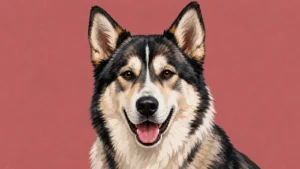
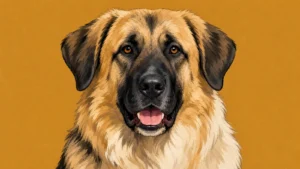
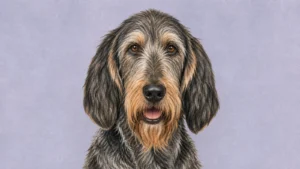
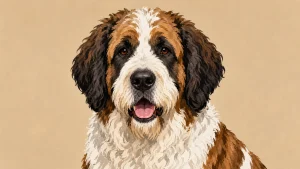
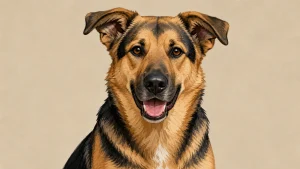
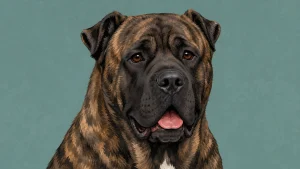
Great Dane Training Profile
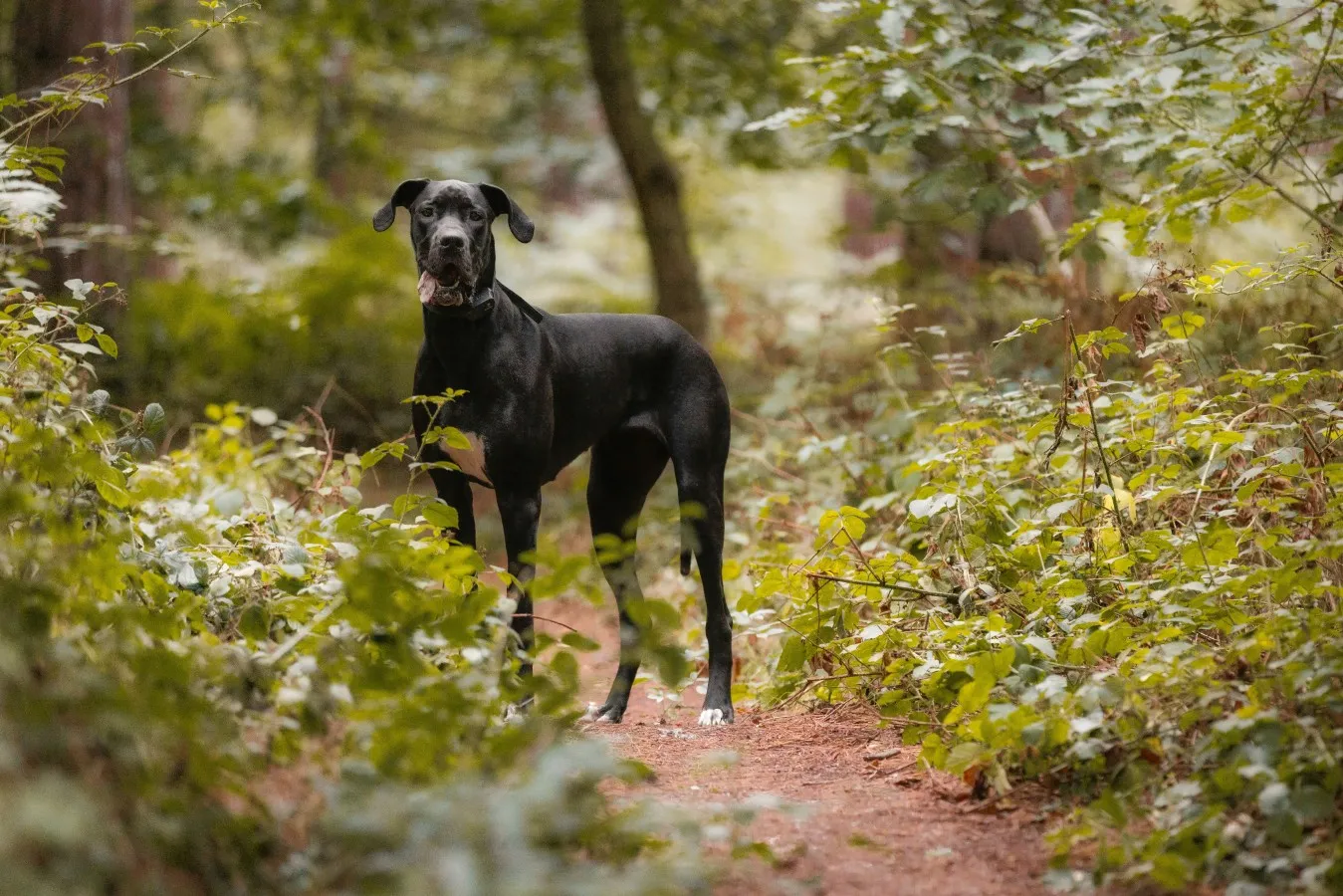
Great Danes are intelligent but independent giants that require patient, consistent training with positive reinforcement. Early socialization is vital to manage their massive size. While they are low-energy couch potatoes needing moderate daily walks, potty training can be challenging and take up to six months. Focus on low-impact activities to protect their joints.
TRAINABILITY
Hard
2 out of 10
MENTAL STIMULATION NEEDS
Very Low
1 out of 10
LOVE FOR GRUB
Eats Everything
10 out of 10
TRAINING FAQ
Are Great Danes easy to train?
Stubborn
3 out of 10
Great Danes are intelligent and agreeable, though their independent streak requires consistent, patient training. Their massive size makes early socialization and obedience training vital. Using positive reinforcement helps these sensitive giants learn effectively, ensuring they develop reliable manners and remain manageable companions as they grow into their full, powerful size.
Are Great Danes stubborn?
Very Stubborn
2 out of 10
Great Danes are intelligent but can be independent and stubborn at times. They are sensitive souls that require patient, consistent, and reward-based training. Because of their massive size, it is vital to establish boundaries early using positive reinforcement to ensure they grow into well-behaved companions.
How to train a Great Dane puppy?
Difficult
2 out of 10
Train a Great Dane puppy using positive reinforcement and consistency. Focus on early socialization and basic obedience like sitting for greetings to prevent jumping. Keep sessions short and fun to maintain their interest. Establishing clear boundaries while they are still small and manageable is vital for long-term success.
How difficult is to potty train a Great Dane puppy?
Challenging
3 out of 10
Potty training a Great Dane can take up to 6 months. Due to their large size and fast growth, their bladder control often lags behind their physical stature. Success requires a strict routine, crate training, and consistent positive reinforcement to help these gentle giants grasp the concept effectively.
How many walks does a Great Dane need?
Low Needs
2 out of 10
An adult Great Dane typically thrives with two moderate walks daily, totaling about 30 to 60 minutes of exercise. While they are massive, these gentle giants are often low-energy couch potatoes. Consistent, low-impact activity helps maintain their joint health and prevents obesity without overexerting them.
What is the best daily routine for a Great Dane?
Moderate
6 out of 10
A Great Dane’s daily routine should prioritize low-impact activities to protect their joints and prevent bloat. Provide two moderate walks daily, totaling 30 to 60 minutes, and ensure they have plenty of time for indoor rest. Feed them twice daily, avoiding exercise for at least one hour after meals to reduce the risk of stomach issues. Incorporate short training sessions with positive reinforcement to manage their size and independent nature. Because they are prone to overstimulation, maintain a calm environment and avoid strenuous activity, especially for young puppies or senior dogs.
VET INSIGHTS
Great Danes are intelligent but independent giants requiring patient training and early socialization to manage their massive size. Though low-energy couch potatoes needing only moderate low-impact walks, housebreaking can be challenging, taking up to six months. Their routine focuses on joint protection and bloat prevention, necessitating timed feedings and calm environments to ensure these sensitive, gentle giants thrive.
Reviewed by
Dr. Vojtech Gabriel
DVM · PhD · MBA
Veterinarian
Researcher
Dog breed specialist
✓
Verified