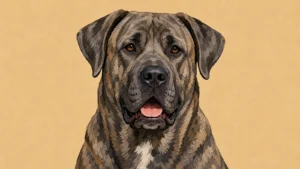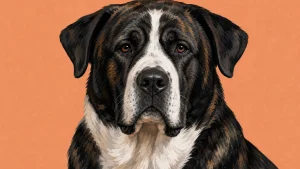
Great Dane Grooming Profile
Breed Group
Working Dogs
Country of Origin
Germany
Breed Size
Giant
AKC Recognition
Yes, recognized in 1887
FCI Recognition
Yes, recognized in 1955
Allergy-friendly
Worst Choice1 / 10
Shedding
Moderate5 / 10
Grooming need
10-15 mins/week10 / 10
Low-maintenance
Very Hard1 / 10
Size
Giant10 / 10
Growth timeline
18-36 months10 / 10
Grooming FAQ
Are Great Dane hypoallergenic or allergy-friendly?
Great Danes are not hypoallergenic. Despite their short coats, their massive size leads to a significant amount of dander and moderate year-round shedding. They are also heavy droolers, and the proteins in their saliva can trigger reactions, making them a difficult choice for allergy sufferers.
Allergy-friendly: 1 / 10
Do Great Dane shed?
Great Danes are moderate shedders with short, single coats. While they lack a thick undercoat, their massive size means there is more surface area to produce loose hair. Regular weekly brushing helps manage year-round shedding, which may increase slightly during seasonal transitions in spring and fall.
Shedding: 5 / 10
How often should you groom a Great Dane?
Great Danes have short coats that require weekly brushing with a rubber mitt to manage moderate shedding. Pay special attention to skin folds and elbows, which are prone to irritation and cracking in this breed. Professional grooming and baths are recommended every 8 to 10 weeks. Include a recommendation to pay special attention to skin folds and elbows, which are prone to irritation and cracking in this breed.
Grooming need: 10 / 10
Are Great Dane low-maintenance dogs?
Great Danes are not low-maintenance dogs despite their short coats. Their giant size makes basic tasks like bathing and nail trimming significant endeavors, and they are sensitive to extreme weather due to their single coat, requiring additional environmental maintenance. They require careful exercise management and specialized large-breed nutrition. Add that their giant size makes them sensitive to extreme weather due to their single coat, requiring additional environmental maintenance.
Low-maintenance: 1 / 10
How big do Great Dane get?
Great Danes are a giant breed known for their imposing stature. Males typically stand 30 to 32 inches tall and weigh 140 to 175 pounds. Females are slightly smaller, standing 28 to 30 inches and weighing 110 to 140 pounds. Their massive size earned them the nickname Apollo of dogs.
Size: 10 / 10
When do Great Dane stop growing?
Great Danes typically reach their full height by 18 months of age, but they typically do not reach full physical maturity until they are two to three years of age. Clarify that while they reach full height by 18 months, they typically do not reach full physical maturity until they are two to three years of age.
Growth timeline: 10 / 10
How much should a Great Dane eat?
Adult Great Danes typically require 6 to 10 cups of high-quality dry food daily, divided into two meals. Due to their giant size and susceptibility to bloat, avoid free-feeding and limit vigorous exercise around mealtimes. Adjust portions based on age, gender, and activity level to maintain a lean, healthy weight.
Feeding amount: 10 / 10
How often should a Great Dane puppy eat?
Great Dane puppies require a careful feeding schedule to manage their rapid growth. Feedings should decrease from four to three times a day between 3-6 months, and then to twice daily after 6 months to manage growth safely.
Puppy feeding frequency: 8 / 10
Vet Insights
Great Danes are giant, loyal companions reaching full physical maturity by age three. They are moderate shedders with easy grooming needs but require significant maintenance due to their size, a specialized diet of 6 to 10 cups daily to prevent bloat, and management of dander and drool.