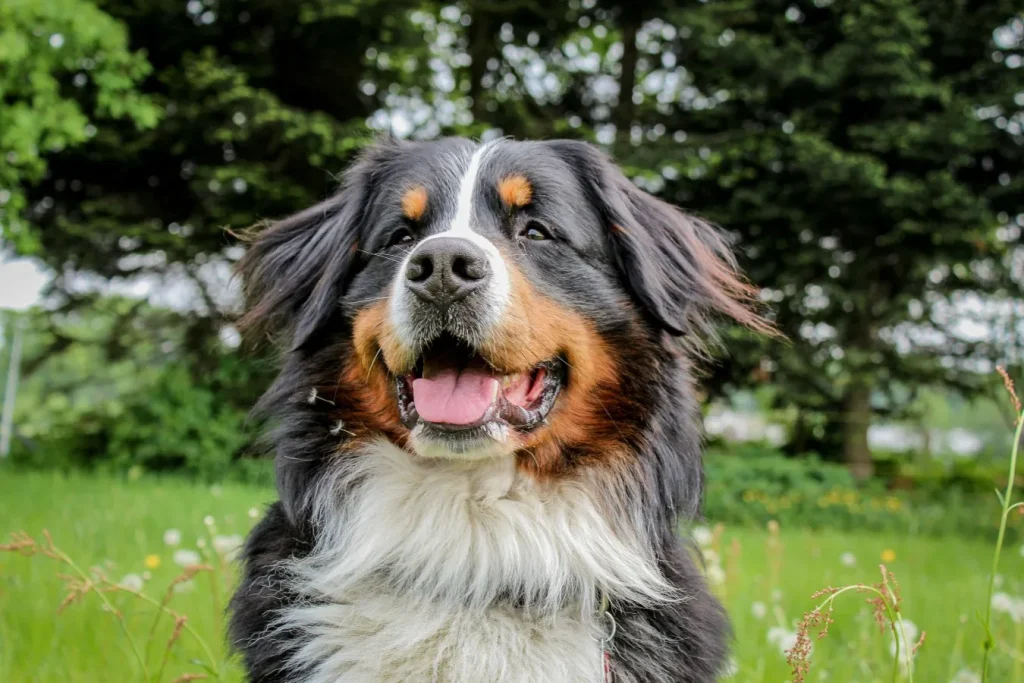
Bernese Mountain Dog
Breed Group
Working Dogs
Country of Origin
Switzerland
Breed Size
Giant
AKC Recognition
Yes, recognized in 1937
FCI Recognition
Yes, recognized in 1954
Family dog
Excellent10 / 10
Good with kids
Excellent10 / 10
First-time owner
Exceptional10 / 10
Apartment dog
Not Recommended1 / 10
Yard need
Highly Recommended9 / 10
Can be left alone
Average5 / 10
What Do Owners Want to Know?
Are Bernese Mountain Dog good family dogs?
The Bernese Mountain Dog is an excellent family pet due to its gentle, loyal temperament and affectionate nature as a "gentle giant." They thrive on human companionship and are specifically noted for being wonderful with children.
Family dog: 10 / 10
Are Bernese Mountain Dog good with kids?
Bernese Mountain Dogs are exceptionally good with children, known for their patient, gentle, and tolerant nature. As "gentle giants," they are often very affectionate and protective of their smaller family members, making them ideal companions for kids. Due to their large size, supervision is always recommended to ensure they don't accidentally knock over small children during play.
Good with kids: 10 / 10
Are Bernese Mountain Dog good for first-time owners?
Bernese Mountain Dogs are highly recommended for first-time owners due to their gentle, intelligent, and eager-to-please nature. Their calm and stable personalities make them straightforward to train, provided owners use positive reinforcement and consistent guidance. While their large size and grooming needs require a commitment, their intuitive and affectionate temperament makes them rewarding companions for novice dog owners.
First-time owner: 10 / 10
Are Bernese Mountain Dog good apartment dogs?
Bernese Mountain Dogs are generally not recommended for apartment living due to their giant size and need for space to move comfortably. While they are calm indoors and can adapt if provided with 60 to 90 minutes of vigorous daily exercise and mental stimulation, their significant weight often exceeds common rental limits. Owners in smaller homes must also manage heavy shedding and their sensitivity to heat, ensuring a cool, climate-controlled environment.
Apartment dog: 1 / 10
Do Bernese Mountain Dog need a yard?
A yard is highly recommended for a Bernese Mountain Dog to accommodate their large size and need for daily outdoor activity. While they are often "couch potatoes" indoors, a securely fenced yard provides a safe space for them to enjoy the cool air and engage in short bursts of play. However, a yard does not replace the need for structured daily walks and mental stimulation, which are essential for this social and intelligent breed.
Yard need: 9 / 10
Can Bernese Mountain Dog be left alone?
Bernese Mountain Dogs are highly social and thrive on human companionship, making them prone to separation anxiety if left alone for too long. While well-adjusted adults can typically tolerate 3 to 5 hours of solitude, they can become distressed or destructive during longer absences. They are best suited for households where they can be an integral part of daily activities and receive consistent interaction.
Can be left alone: 5 / 10
Are Bernese Mountain Dog good with cats?
Bernese Mountain Dogs generally coexist peacefully with cats due to their gentle, easygoing nature and low prey drive. While their large size may initially intimidate felines, they often form harmonious bonds when socialized from a young age. Supervision and gradual, scent-based introductions are recommended to ensure a safe and positive relationship between these "gentle giants" and their feline companions.
Good with cats: 10 / 10
Are Bernese Mountain Dog aggressive?
Bernese Mountain Dogs are not naturally aggressive; they are famously gentle, patient, and affectionate companions. Known as gentle giants, they are typically friendly with family and tolerant of other pets. While they possess protective instincts as watchdogs, they are rarely malicious or shy. Any display of aggression is usually uncharacteristic and often linked to underlying medical issues like hip dysplasia, lack of early socialization, or specific environmental triggers. Consistent positive reinforcement training and early exposure to various people and situations ensure they maintain their calm, devoted temperament.
Aggression tendency: 10 / 10
Are Bernese Mountain Dog high-energy dogs?
Bernese Mountain Dogs have moderate energy levels and are generally calm and easygoing, especially as they mature. They require around 60 to 90 minutes of daily exercise, such as brisk walks or outdoor play, to stay healthy and happy. While they enjoy activities like hiking and pulling carts, they are not high-endurance athletes and prefer shorter bursts of activity followed by plenty of relaxation with their family.
Energy level: 5 / 10
How much exercise does a Bernese Mountain Dog need?
Bernese Mountain Dogs require moderate daily exercise, typically between 60 and 90 minutes, to maintain a healthy weight and prevent boredom. This activity should be split into multiple sessions, such as brisk walks, hiking, or controlled play. Because they are a slow-growing breed prone to joint issues and overheating, owners should prioritize low-impact activities and exercise during cooler parts of the day.
Exercise need: 7 / 10
Can Bernese Mountain Dog live in hot weather?
Bernese Mountain Dogs are highly sensitive to heat due to their large size and thick, black double coats that absorb sunlight. They are prone to heatstroke and respiratory distress in temperatures exceeding 75°F (24°C). Owners must provide air conditioning, constant fresh water, and limit outdoor activity to the early morning or late evening.
Hot weather tolerance: 1 / 10
Can Bernese Mountain Dog live in cold weather?
Bernese Mountain Dogs are exceptionally well-suited for cold weather due to their origin in the Swiss Alps and their thick, water-resistant double coats. They provide excellent insulation, allowing them to remain active and comfortable in freezing temperatures and snow. While they thrive in the cold, owners should still monitor for signs of frostbite in extreme conditions and provide a warm, dry shelter for recovery.
Cold weather tolerance: 10 / 10
Are Bernese Mountain Dog banned in apartments or rentals?
Bernese Mountain Dogs are rarely subject to specific breed bans, but they frequently encounter restrictions in apartments due to their large size and weight. Most rental properties impose weight limits between 25 and 50 pounds, which this breed significantly exceeds. Always verify individual landlord policies regarding weight limits and specific requirements for giant breeds.
Rental restriction risk: 4 / 10
Vet Insights
Bernese Mountain Dogs are gentle giants, but as a veterinarian, I must emphasize their significant health challenges. They are exceptionally prone to aggressive cancers, particularly histiocytic sarcoma, which is a leading cause of their short 7-9 year lifespan. Orthopedic issues like hip and elbow dysplasia affect nearly 30% of the breed, making weight management and early screening critical to maintaining mobility. Their deep chests also put them at high risk for life-threatening bloat (GDV). I strongly recommend proactive genetic testing for degenerative myelopathy and Von Willebrand’s disease, as well as securing comprehensive pet insurance to manage their potentially complex medical needs.