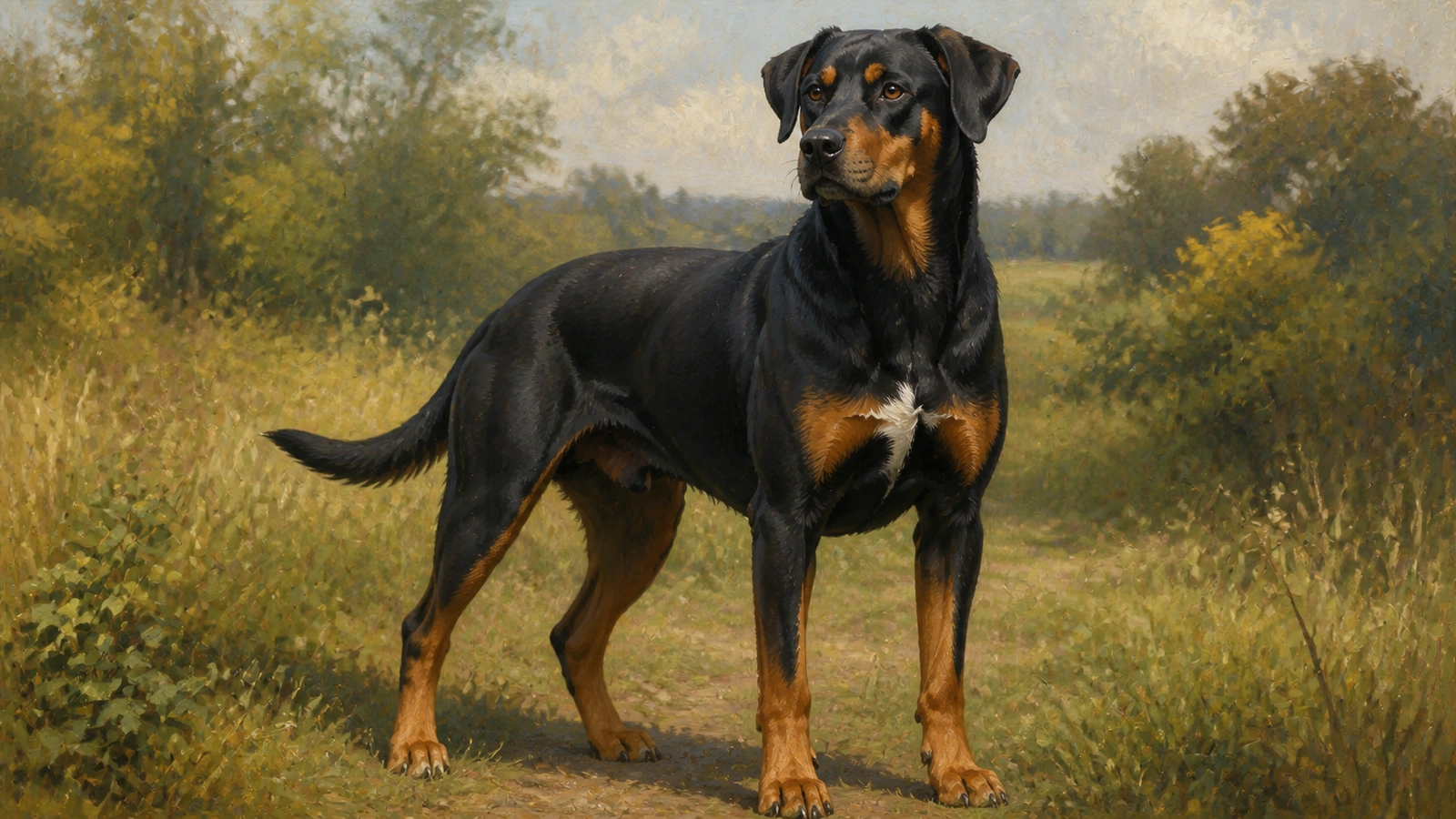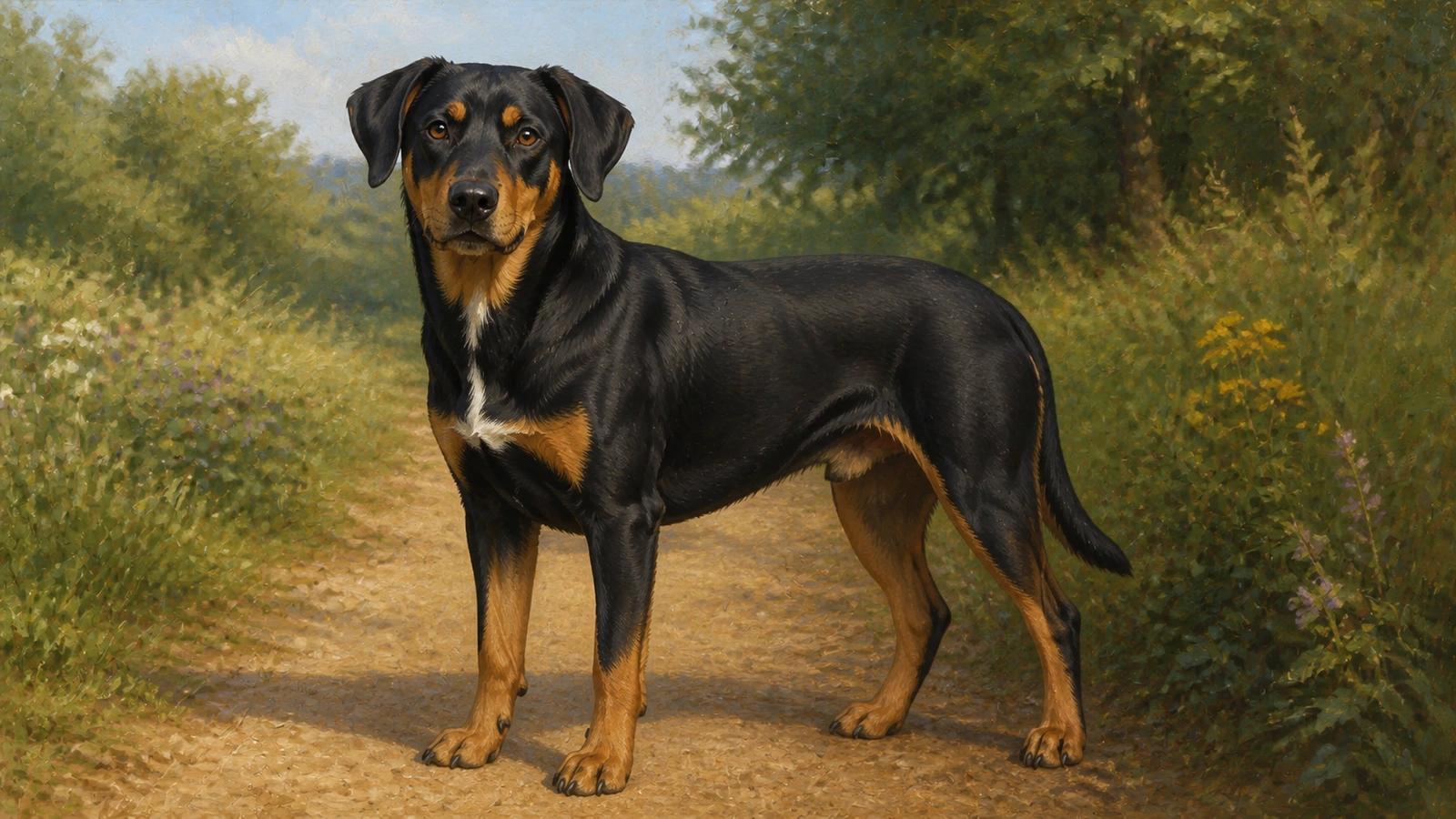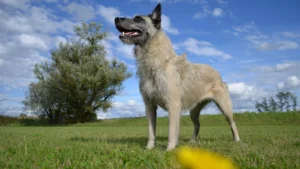
Doberdor - MAIN HUB
BREED GROUP
Hybrid Dogs
Country of origin
United States
BREED SIZE
Large
BREED HEIGHT
23 -
28 IN
58 -
71 cm
BREED WEIGHT
60 -
99 LB
27 -
45 KG
WHAT YOU NEED TO KNOW
american kennel club (AKC) recognition
No
Breed was recognized in 0.

International Canine Federation (FCI) recognition
No
Breed was recognized in 0.
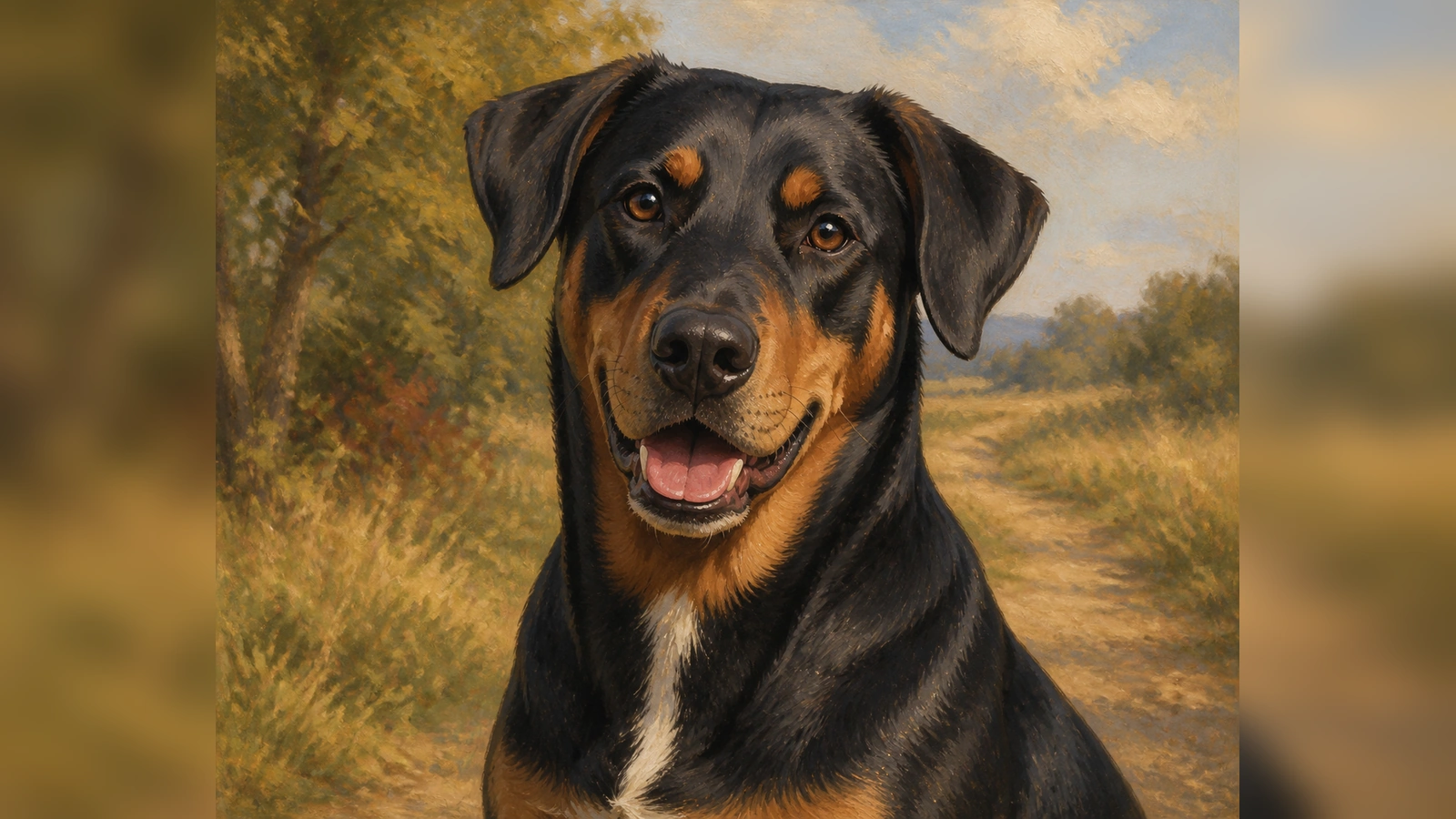
WHAT DO OWNERS WANT TO KNOW?
Are Doberdors good family dogs?
Fair
4 out of 10
The Doberdor is a loyal and affectionate companion that excels as a devoted family dog and protective watchdog. They are best suited for active families who can provide 60 to 90 minutes of daily exercise and experienced handling to manage their intelligence and energy.


Are Doberdors good with kids?
Fair
4 out of 10
Doberdors are generally excellent with children, combining the protective loyalty of the Doberman with the playful, friendly nature of the Labrador. They are known to be gentle and patient, often forming deep bonds with kids and viewing them as part of their pack. Due to their large size and high energy, supervision is recommended around toddlers, but they make wonderful, active companions for older children.
Are Doberdors good dogs for first time owners?
Below Average
4 out of 10
Doberdors are generally not recommended for first-time owners due to their high energy levels, immense physical strength, and protective instincts inherited from the Doberman. They require a confident, experienced handler who can provide consistent training, early socialization, and significant daily exercise. Without expert guidance and mental stimulation, they can become stubborn or develop destructive behaviors.
Are Doberdors good apartment dogs?
Not Recommended
1 out of 10
Doberdors are excellent apartment dogs due to their adaptable nature and ability to settle indoors when their physical needs are met. Despite their large size, they are often described as Velcro dogs that prefer being close to their owners, making them well-suited for smaller living spaces provided they receive 60 to 90 minutes of vigorous daily exercise.
Do Doberdors need a yard?
Strictly Required
1 out of 10
A yard is not strictly required for a Doberdor, as they can adapt to various living situations if their high physical needs are met. While a large, fenced yard is ideal for managing their immense stamina and vigorous daily activity, they can thrive without one if provided with 60 to 90 minutes of dedicated exercise.
Can Doberdors be left at home alone?
Average
5 out of 10
Doberdors are highly social hybrids that bond deeply with their families and can be prone to separation anxiety if left alone for extended periods. While they can typically manage moderate absences of four to six hours if well-exercised, they thrive best in households where someone is frequently present to provide the mental stimulation and companionship they crave.
Do Doberdors tolerate cats well?
Average
5 out of 10
Doberdors generally coexist well with cats, especially when raised together from a young age or properly socialized. They combine the Doberman's protective loyalty with the Labrador's affable personality, often viewing household cats as part of their pack. However, their high energy and potential prey drive mean that introductions should be gradual and supervised to ensure the dog's curiosity doesn't overwhelm the cat.
Are Doberdors known to be aggressive?
Balanced
5 out of 10
Doberdors are not naturally aggressive but possess a strong protective instinct inherited from the Doberman Pinscher. While generally friendly and loyal family companions, they can be wary of strangers and may show hostility toward other dogs if not properly socialized. Consistent obedience training and early exposure to different people and environments are essential to ensure they remain well-mannered and gentle guardians.
Do Doberdors have a lot of energy?
Moderate
5 out of 10
Doberdors are high-energy, athletic hybrids that require significant daily physical activity and mental stimulation to thrive. Combining the stamina of both Dobermans and Labradors, they need approximately 60 to 90 minutes of vigorous exercise, such as long walks, swimming, or running in a large, fenced yard, to prevent boredom and destructive behaviors. Their intelligent and playful nature means they are happiest when engaging in interactive play and consistent training with active owners.
How much exercise do Doberdors need?
~60-90 min a day
10 out of 10
The Doberdor is an active hybrid that requires approximately 60 to 90 minutes of vigorous daily exercise to maintain its health and manage its high energy levels. This should include two to three long walks and activities that tap into its parent breeds' traits, such as swimming, running, and playing fetch. Incorporating mental stimulation through obedience training and puzzle toys is essential to keep this intelligent breed engaged and prevent destructive behaviors.
Do Doberdors tolerate hot weather well?
Good
6 out of 10
Doberdors generally handle warm weather well, but their high energy levels and dark coats can lead to overexertion and overheating. Owners should provide constant access to shade and fresh water, while scheduling intense exercise for the cooler parts of the day to ensure their safety.
Are Doberdors good with cold weather?
Good
6 out of 10
Doberdors generally handle warm weather well, but their high energy levels and dark coats can lead to overexertion and overheating. Owners should provide constant access to shade and fresh water, while scheduling intense exercise for the cooler parts of the day to ensure their safety.
Are Doberdors sometimes banned from rentals?
Low Risk
7 out of 10
Doberdors are frequently subject to apartment breed bans due to their Doberman Pinscher heritage, which is often listed as a high-risk or dangerous breed by insurance companies and landlords. Their large size and athletic nature also make them more likely to exceed standard weight limits for rental properties. Prospective owners should carefully check local lease agreements and individual landlord policies, as these restrictions are common despite their potential as loyal family companions.
WHAT DO OWNERS WANT TO KNOW?