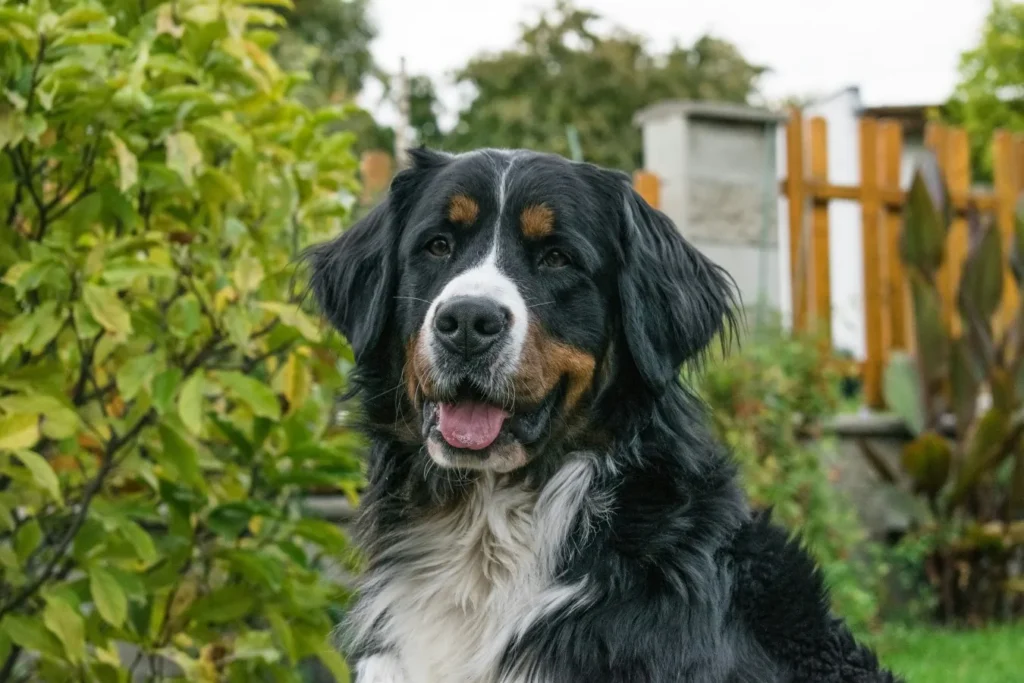
Bernese Mountain Dog Health and Costs
Breed Group
Working Dogs
Country of Origin
Switzerland
Breed Size
Giant
AKC Recognition
Yes, recognized in 1937
FCI Recognition
Yes, recognized in 1954
Rarity
Most Common1 / 10
Purchase cost
Expensive7 / 10
Life expectancy
Short Lifespan3 / 10
Health
High health risk2 / 10
Health problem risk
Extreme health burden10 / 10
Maintenance cost
Moderate upkeep cost4 / 10
A Veterinarian's Guide
Bernese Mountain Dog Health Problems and Costs
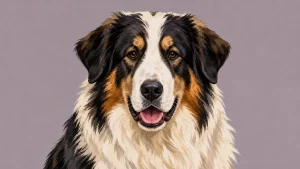
The Bernese Mountain Dog is a large, calm, affectionate working dog from the Swiss Alps, built to pull carts and guard farms in cold weather. It is also one of the breeds with the heaviest health burden: cancer, joint disease, bloat, and a few inherited conditions all repeat in the breed, and life expectancy is shorter than most dogs of similar size. Knowing what to screen for before you bring a puppy home, or while you already share your life with one, makes the vet visits and the budget much easier to plan.
In this guide
Why Is Cancer Such a Big Concern in This Breed?
Have your veterinarian examine any new or growing lump, unexplained weight loss, or lameness that lasts more than a few days. Early evaluation gives the most treatment options.
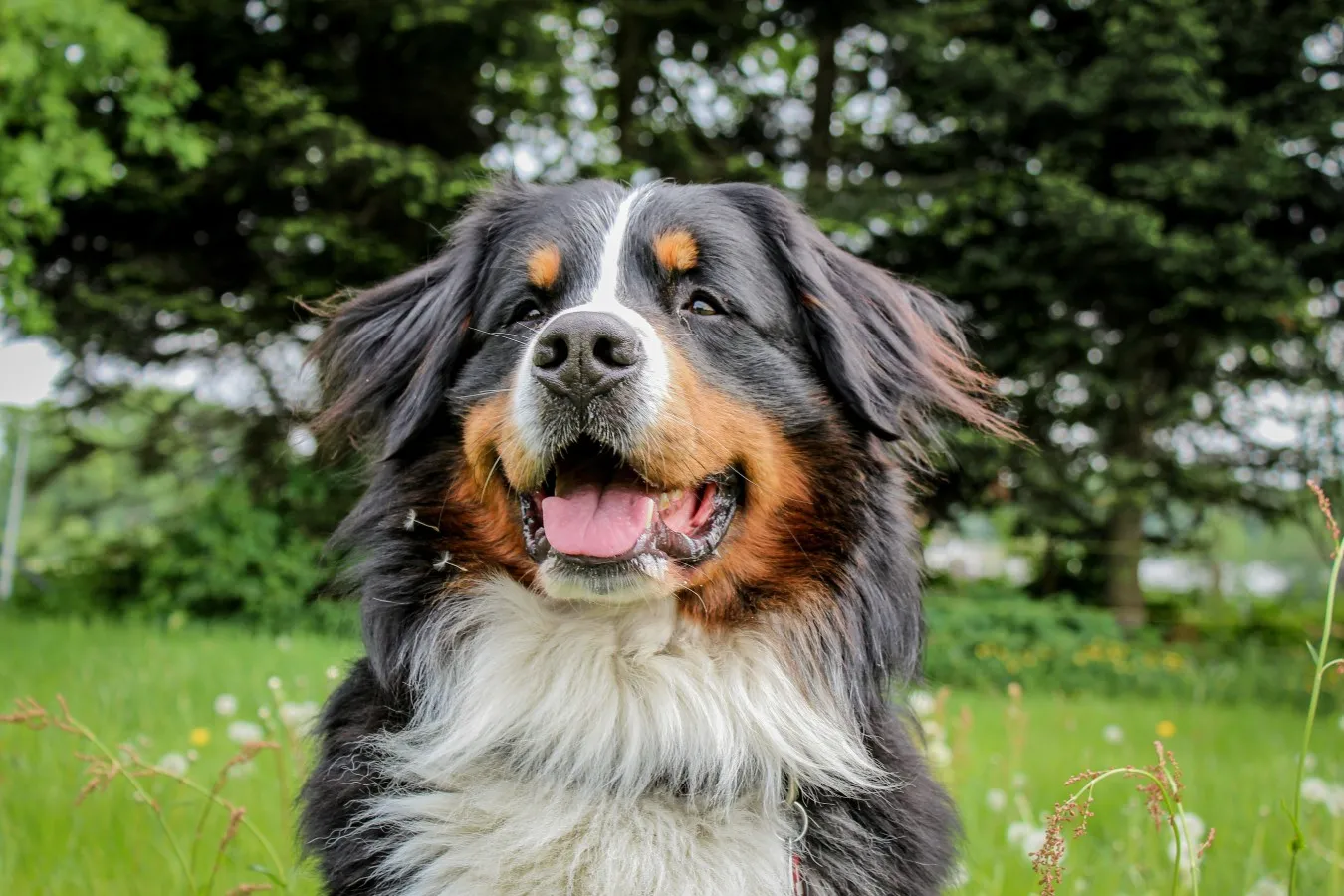
Cancer is the headline health issue in the breed. In one Dutch study of Bernese Mountain Dogs, cancer accounted for 55 percent of deaths, and histiocytic sarcoma, an aggressive cancer of immune cells, is especially common in the breed. The word comes from the Greek histos, "tissue," and kytos, "cell," plus the suffix -oma, "tumor." Published life expectancy studies put the average at roughly 8 to 10 years, which is why so much veterinary research focuses on this breed.
No screening test prevents these cancers, so the practical protection is attention. Regular wellness exams, a monthly hands-on check for new lumps, and prompt evaluation of weight loss or a limp that does not settle all help catch problems while treatment is still an option.
Why Do Hips and Elbows Need Screening?
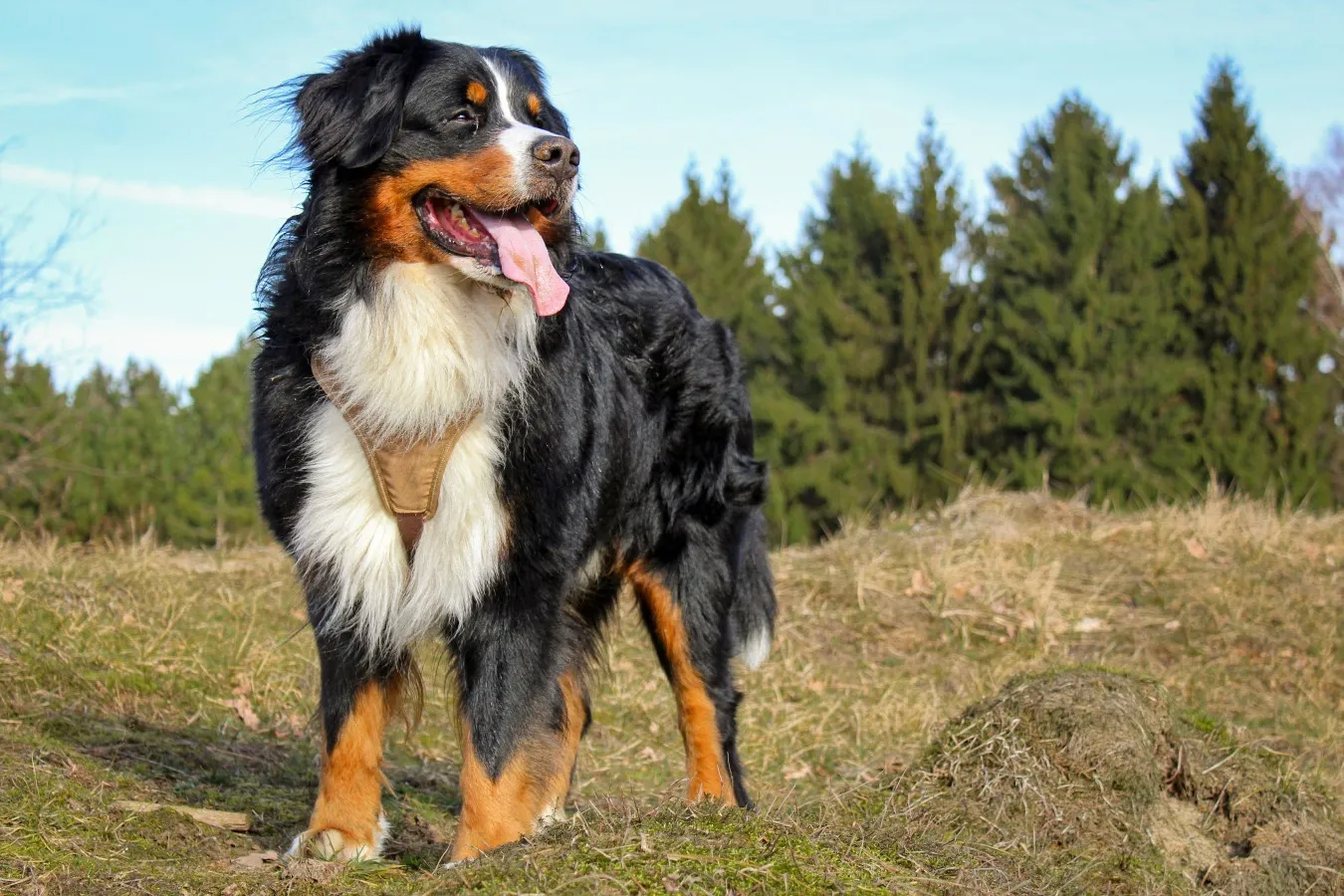
Dysplasia, an inherited abnormal development of a joint that leads to looseness, pain, and arthritis over time, affects both hips and elbows in the breed. The word comes from the Greek dys, "abnormal," and plasis, "formation." Elbow dysplasia is especially well documented, with published studies reporting roughly 14 to 26 percent of Bernese Mountain Dogs affected. A big, growing puppy can hide early discomfort, which is why the AKC lists hip and elbow evaluations among the recommended tests for the breed.
Keeping a growing puppy lean is one of the few things owners control, since extra weight loads joints that may already carry some structural risk. A hands-on rib check at routine visits catches changes a scale alone can miss, and early arthritis care keeps an older dog comfortable for longer.
Bloat Is an Emergency in Large, Deep-Chested Dogs
Bloat, medically gastric dilatation-volvulus, happens when the stomach fills with gas and twists on itself, cutting off its own blood supply. Large dogs with deep, narrow chests are at higher risk. There is no home treatment, and surgery is the only way to correct a twisted stomach, so a dog that reaches a hospital quickly generally does better.
- 01
Swollen belly
The abdomen looks tight, rounded, or distended.
- 02
Unproductive retching
Straining to vomit with little or nothing coming up.
- 03
Restlessness and drooling
Pacing, drooling, or being unable to settle.
- 04
Weakness or collapse
The dog seems weak, pale, or collapses.
Feeding several smaller meals and avoiding hard exercise right around mealtimes can help, though no precaution removes the risk entirely. Some owners choose a preventive gastropexy, from the Greek gaster, "stomach," and pexis, "fixing in place." The surgery tacks the stomach to the abdominal wall, often at the same time as a spay or neuter. It does not stop gas from building up, but it should stop the stomach from twisting, which is the life-threatening part.
Which Inherited Conditions Are Worth Testing For?
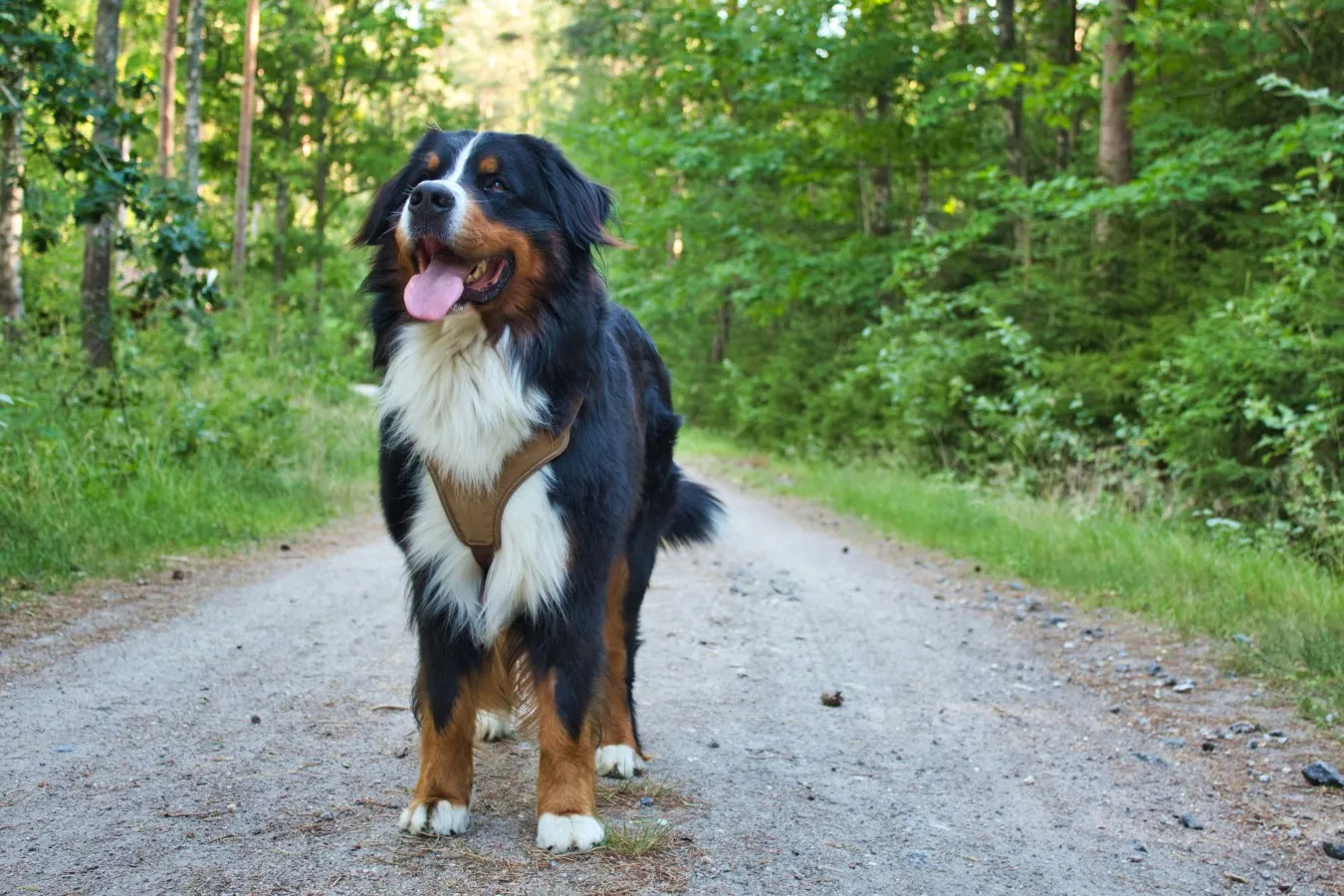
Degenerative myelopathy is a progressive spinal cord disease that causes gradual hind-limb weakness in older dogs, from the Greek myelos, "marrow," and pathos, "suffering." The AKC lists DNA tests for two variants of the gene involved, one of them specific to the Bernese Mountain Dog, so a breeder can know before breeding which dogs carry it. There is no cure, but physical therapy and mobility support help many dogs stay comfortable longer.
Von Willebrand's disease is an inherited clotting disorder, and the Bernese Mountain Dog is one of the breeds in which it is more commonly reported. Many affected dogs look completely normal day to day, so it often comes to light only around surgery or an injury. If your dog needs any procedure, ask your veterinarian whether clotting screening makes sense first. The AKC also recommends a cardiac exam and an eye exam by a veterinary ophthalmologist for breeding dogs.
What Does Managing a Bernese Mountain Dog's Health Actually Cost?
| Condition or Need | Typical Cost Range | Notes |
|---|---|---|
| Hip and elbow evaluations | $250 to $600 | Before breeding, ideally |
| DNA test for degenerative myelopathy | $60 to $150 | One-time, can be done in puppyhood |
| Cardiac exam | $200 to $500 | Recommended for breeding dogs |
| Annual eye exam | $75 to $200 | Starting in early adulthood |
| Joint surgery | $3,000 to $6,000 | Per procedure, varies by joint |
| Cancer treatment | $3,000 to $10,000 or more | Depends on cancer type and stage |
| Emergency bloat surgery | $3,000 to $7,500 | Life-threatening, surgical |
Questions to Ask a Breeder Before Buying a Puppy
Ask for hip, elbow, cardiac, and eye results on both parents, and for the DNA results for degenerative myelopathy. The AKC working group testing list shows what is recommended for the breed, so you know what to request.
It is also worth asking how long the parents and grandparents lived and what they died of. In a breed with this much cancer, a family line with several dogs reaching old age is useful information, even though no breeder can promise a long life.
Daily Life With a Bernese Mountain Dog
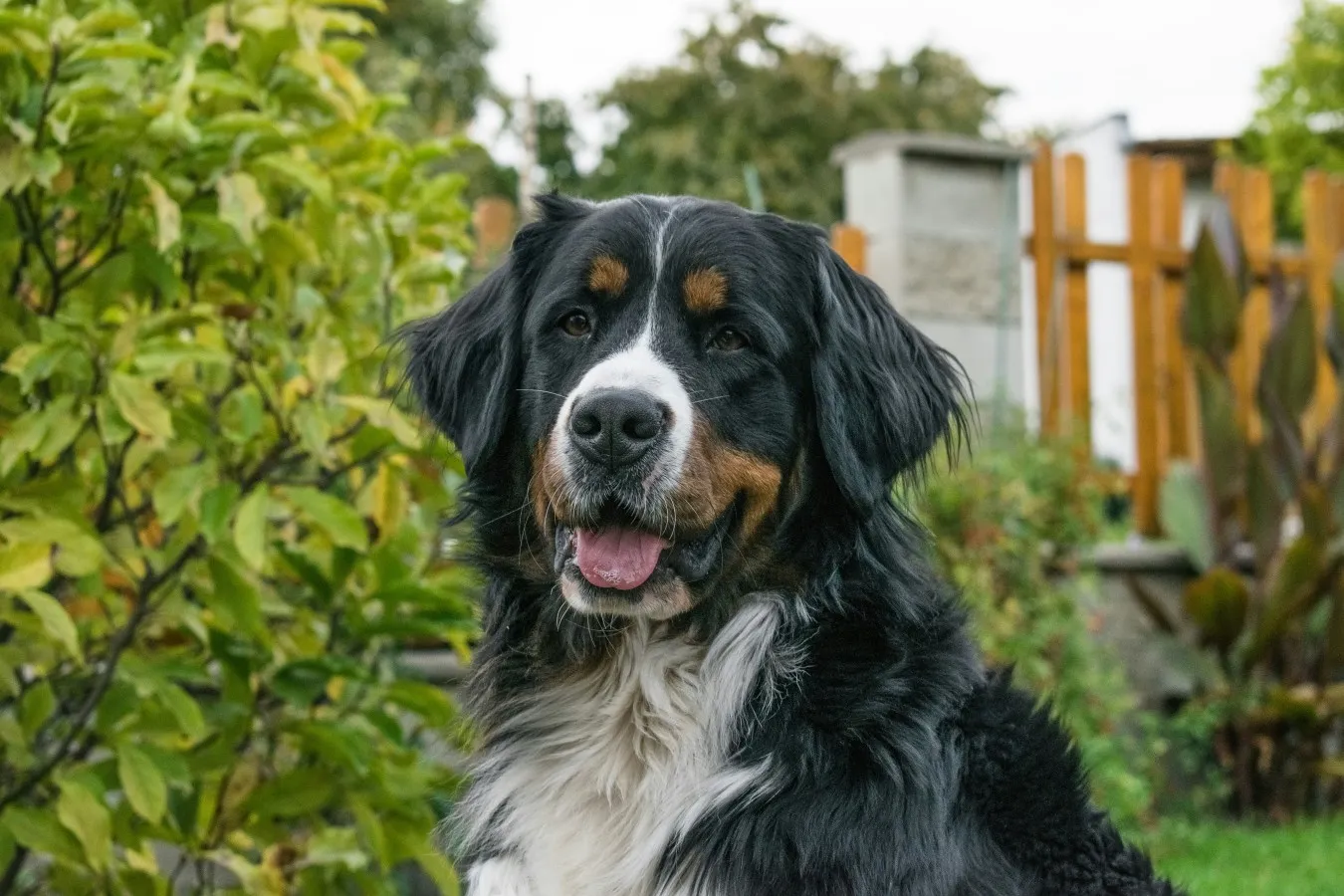
This is a big, gentle, people-loving dog, and a young Bernese can be clumsy and strong at once. The long, thick double coat sheds heavily, so regular brushing at home is part of grooming, and the breed tends to prefer cooler weather. Most are affectionate and eager to be near the family, as the personality profile explains, and starting training early matters because a dog that size is much harder to manage if manners are learned late.
Keeping Your Bernese Mountain Dog Healthy for the Long Run
Keep your dog lean, schedule regular wellness exams, and check for new lumps often. Plan joint screening and a conversation about gastropexy with your veterinarian, and learn bloat's warning signs before you ever need them. Pet insurance is worth pricing while your dog is young and healthy, since cancer and joint care are the costs most likely to be large.
Final Thoughts From a Veterinarian
Bernese Mountain Dogs are loving family dogs with real cancer, joint and bloat risks and a shorter life than many breeds. Choose a breeder who screens, learn bloat's warning signs, and see a vet promptly for any new lump. Your veterinarian can tailor the plan.
Health & Costs FAQ
How much do Bernese Mountain Dog cost?
Purchasing a Bernese Mountain Dog typically costs between $1,000 and $5,000 from reputable breeders, though champion-line puppies can exceed $8,000. Adoption is a more affordable option, with fees ranging from $300 to $1,400. Initial setup costs for supplies and medical care often add another $500 to $1,000.
Purchase cost: 7 / 10
How long do Bernese Mountain Dog live?
Published studies put the average life expectancy of Bernese Mountain Dogs at roughly 8 to 10 years, shorter than most dogs of similar size. Cancer is a leading cause of death in the breed. Choosing a breeder who screens for inherited disease and keeping up with regular veterinary checkups give a dog the best chance of reaching the upper end of that range.
Life expectancy: 3 / 10
Are Bernese Mountain Dog healthy dogs?
Bernese Mountain Dogs are affectionate and sturdy, but they carry a high health burden for a popular breed. Cancer, hip and elbow dysplasia, bloat, and inherited conditions such as degenerative myelopathy and von Willebrand's disease are all part of the picture, and life expectancy is roughly 8 to 10 years. A screening breeder and regular veterinary checkups matter a great deal.
Health: 2 / 10
What health problems do Bernese Mountain Dog have?
Bernese Mountain Dogs are prone to cancers such as histiocytic sarcoma, hip and elbow dysplasia, and bloat. Inherited conditions include degenerative myelopathy and von Willebrand's disease, and the AKC also recommends cardiac and eye exams for breeding dogs. Regular screening and prompt attention to new lumps, lameness, or a swollen belly make the biggest difference.
Health problem risk: 10 / 10
Are Bernese Mountain Dog expensive to maintain?
Day-to-day upkeep is moderate. A giant dog eats a lot, and the long double coat sheds heavily, so regular brushing at home is a must, though professional grooming is optional. The larger costs are health related, including screening, joint care, and the possibility of cancer treatment or emergency bloat surgery, so budgeting for those is wise.
Maintenance cost: 4 / 10
How much does it cost to own a Bernese Mountain Dog per month?
Expect to spend between $227 and $540 per month to own a Bernese Mountain Dog.
Monthly ownership cost: 6 / 10
How much does pet insurance cost for a Bernese Mountain Dog?
Pet insurance for a Bernese Mountain Dog typically ranges from $75 to $230 per month. Premiums run high because of the breed's cancer and joint risks, so it is worth pricing a policy while your dog is young and healthy, before conditions appear.
Pet insurance cost: 10 / 10
Will homeowners insurance cover a Bernese Mountain Dog?
Yes, most homeowners insurance policies cover Bernese Mountain Dogs, since the breed is not generally on restricted lists. A large dog can raise liability concerns for some insurers, so always disclose your dog and confirm coverage and any premium impact with your provider.
Homeowners insurance difficulty: 9 / 10
Are Bernese Mountain Dog on insurance restricted breed lists?
No, Bernese Mountain Dogs are not typically found on insurance restricted-breed lists, and insurers generally view them as gentle family dogs. Still, always disclose your dog to your provider, since some companies review large breeds individually.
Insurance restriction risk: 2 / 10
Can you get renters insurance with a Bernese Mountain Dog?
Yes, you can typically get renters insurance with a Bernese Mountain Dog, since the breed is rarely restricted. Landlords may set their own pet size limits, so confirm the policy and the lease with both your insurer and landlord.
Renters insurance difficulty: 8 / 10