Skip to content

Rottweiler - MAIN HUB

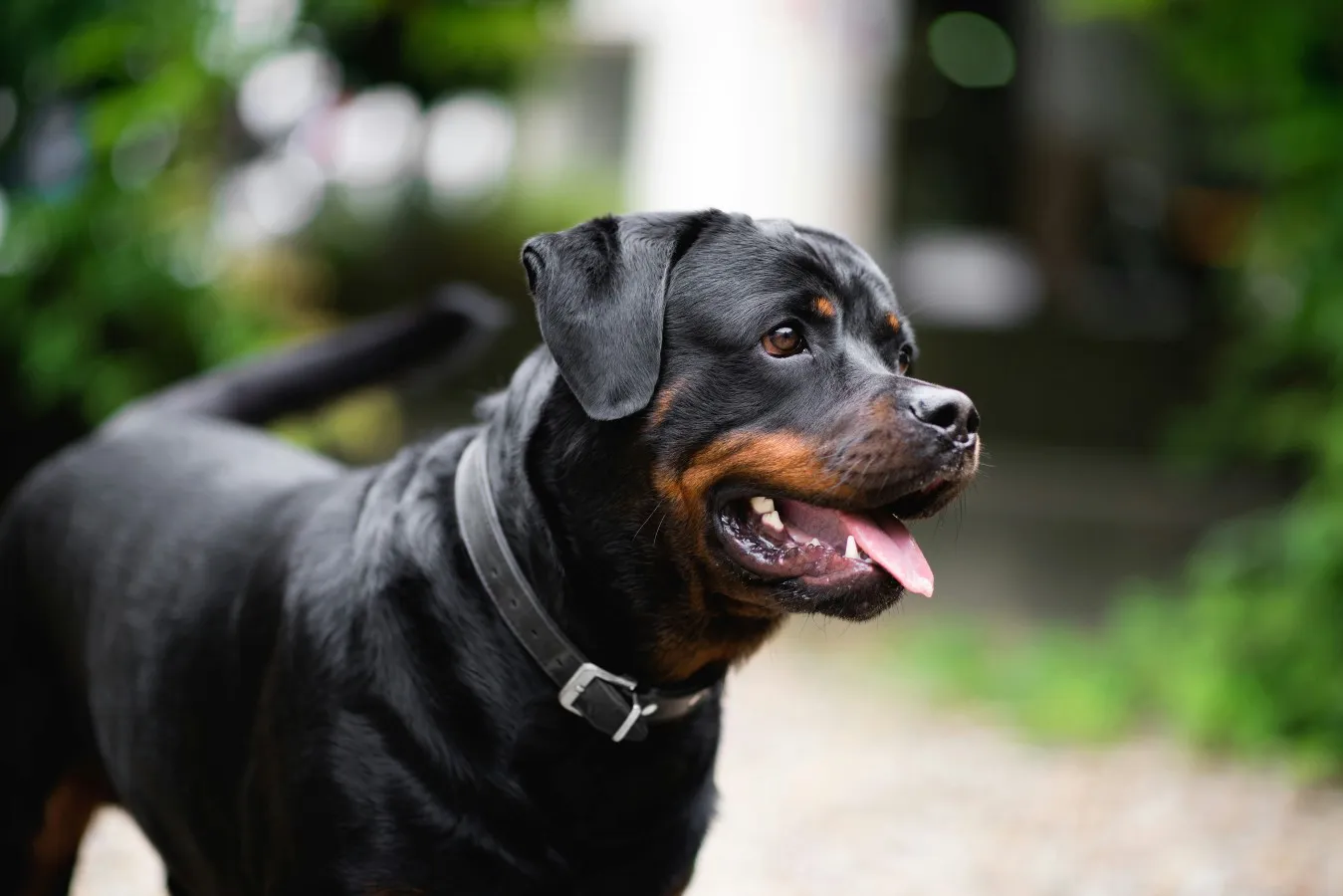
A loyal, powerful guardian with a heart of gold. Rottweilers are devoted companions that thrive on activity, training, and lots of family love!

BREED GROUP

Working Dogs

Country of origin

Germany

BREED SIZE

Large

BREED HEIGHT

22 -

27 IN

56 -

69 cm

BREED WEIGHT

80 -

135 LB

36 -

61 KG

WHAT YOU NEED TO KNOW

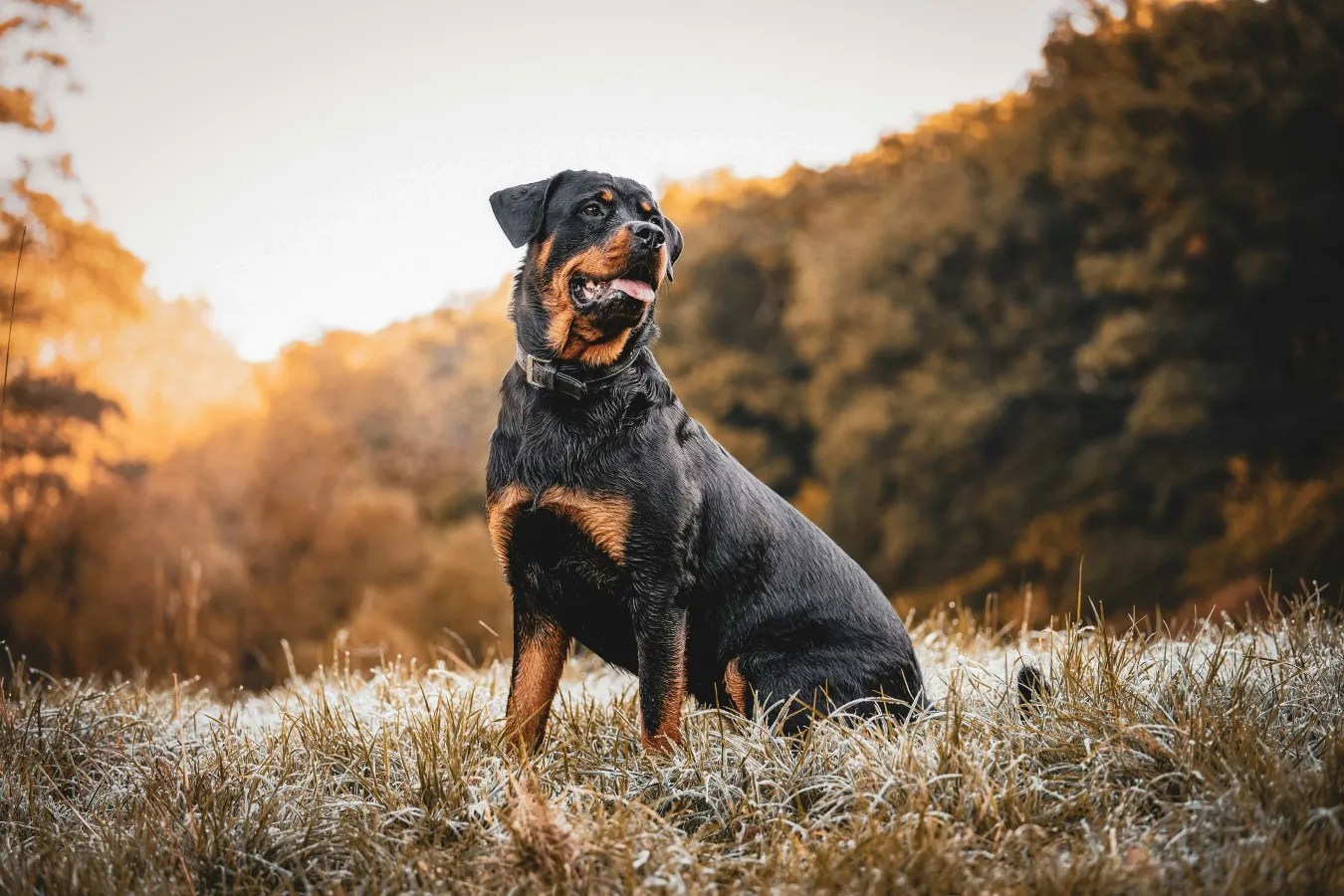
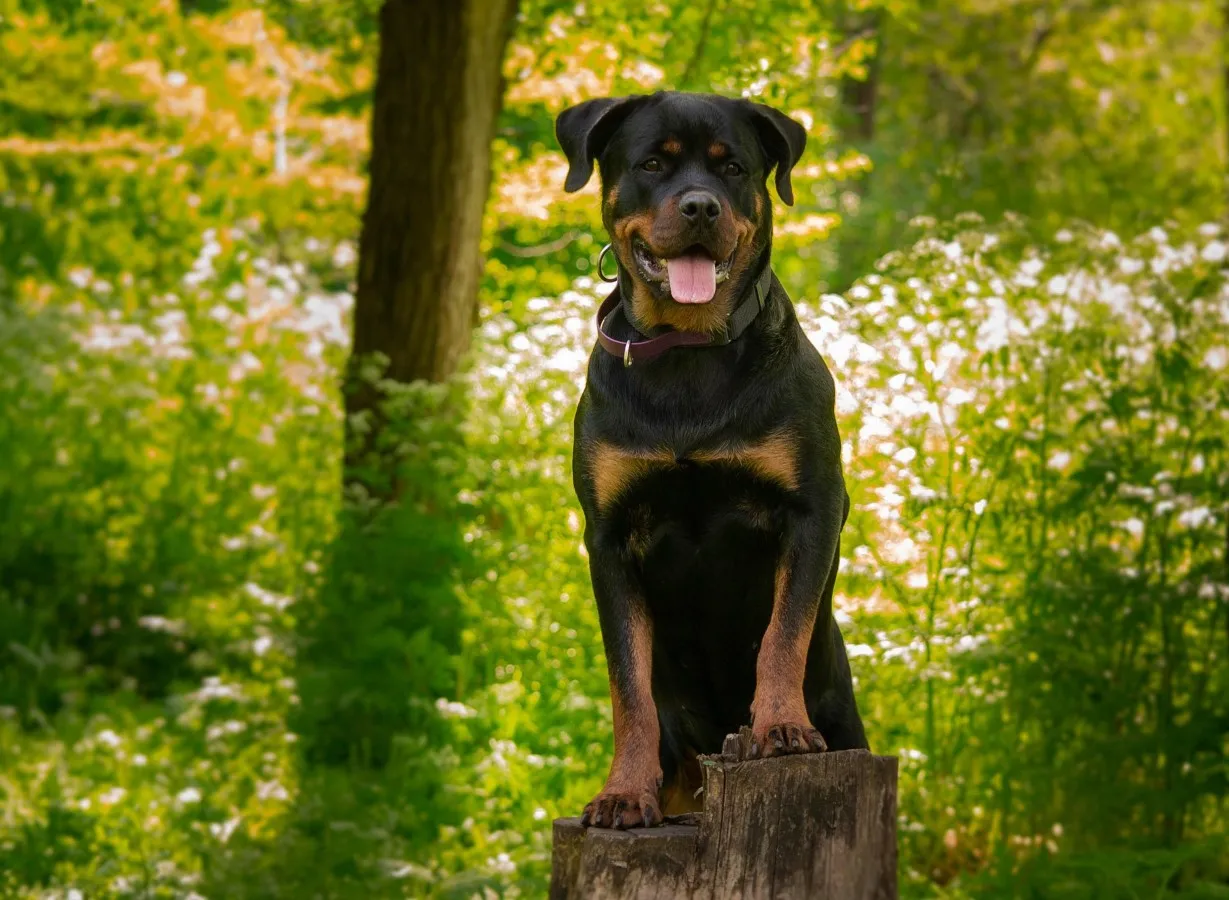
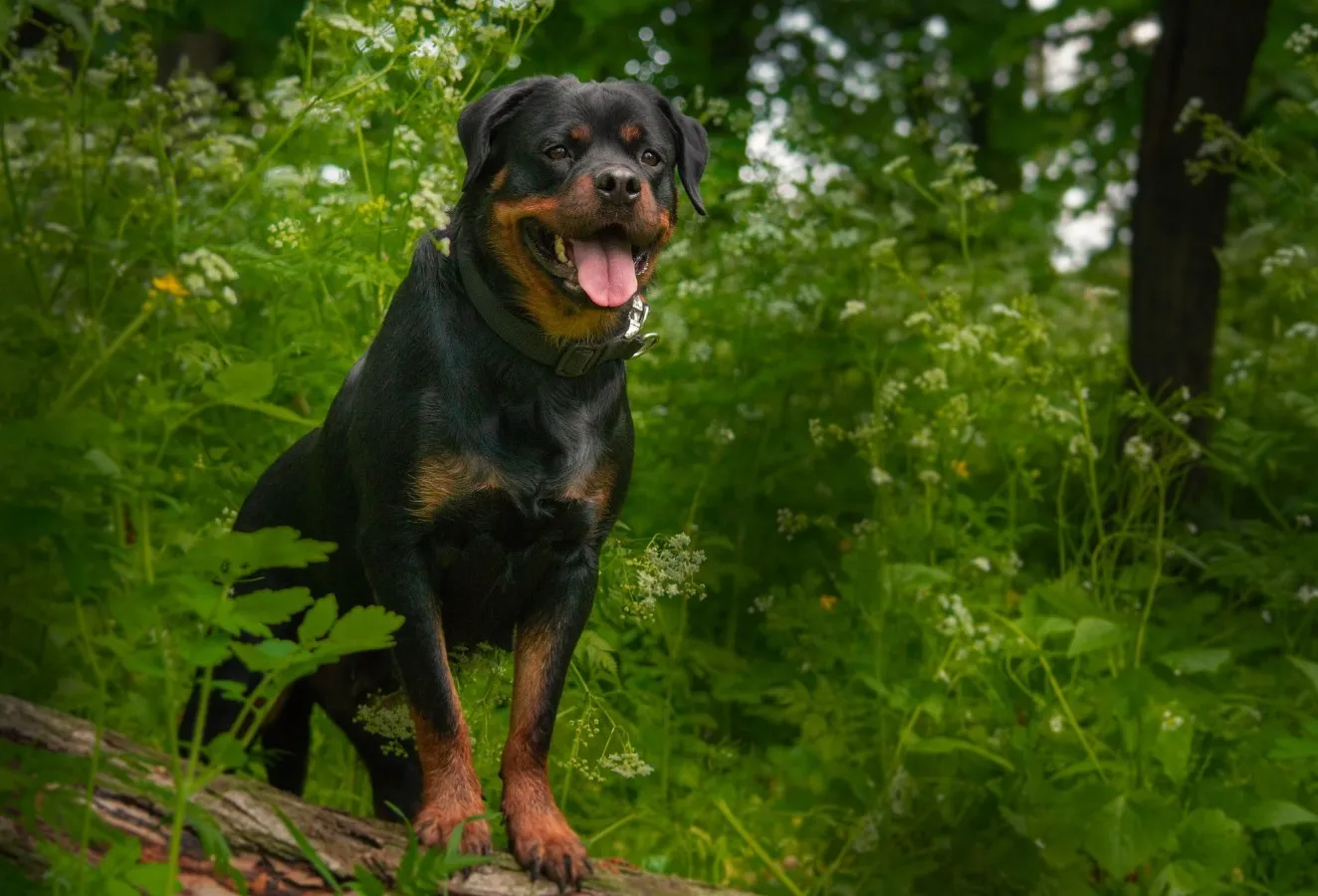
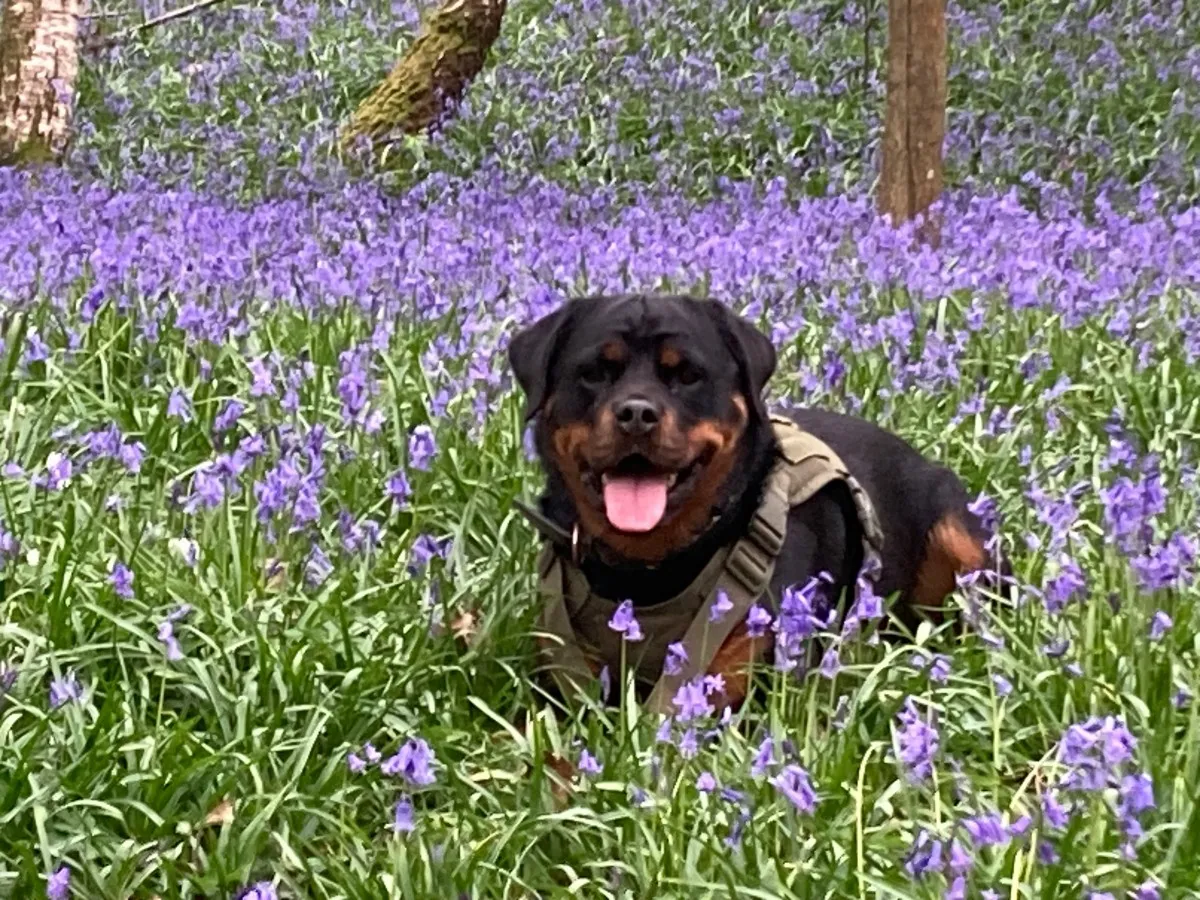
The Rottweiler is a powerful, loyal, and intelligent working breed originating from Germany. Known for their muscular build and distinctive black-and-tan coat, they serve as devoted family guardians and versatile companions. While they are often calm and affectionate with their loved ones, they remain naturally wary of strangers, making early socialization and firm, consistent training essential. These high-energy dogs thrive on daily exercise and mental stimulation, excelling in activities like herding, tracking, and agility. With a lifespan of 8–12 years, Rottweilers are best suited for experienced owners who can provide strong leadership. While they are devoted, they are not universally recommended for families with small children due to their size and potential for mistaking the intentions of children's friends.
american kennel club (AKC) recognition

Yes

Breed was recognized in 1931.

International Canine Federation (FCI) recognition

Yes

Breed was recognized in 1955.
WHAT DO OWNERS WANT TO KNOW?

Are Rottweilers good family dogs?

Excellent

10 out of 10

Rottweilers make excellent family dogs for experienced owners, as they are devoted guardians who are calm and affectionate with their loved ones. However, their powerful build and natural wariness of strangers mean that early socialization and firm, consistent training are essential to ensure they remain well-mannered companions. While they are devoted, they are not universally recommended for families with small children due to their size and potential for mistaking the intentions of children's friends.

Excellent

10 out of 10

Rottweilers are typically gentle and devoted companions that can be excellent with children when properly socialized and trained. Due to their large size and strength, they can be boisterous during play, necessitating supervision around smaller children. Early training and positive exposure ensure they remain calm, patient, and protective family members.

Not Recommended

1 out of 10

Rottweilers are generally not recommended for first-time owners due to their immense physical power, strong guarding instincts, and need for experienced leadership. While they are highly intelligent and responsive to training, they can be stubborn and require consistent, structured socialization from an early age to manage their protective nature. For a novice, their size and strength can make them a significant challenge to handle without prior experience in managing dominant working breeds.

Fair

3 out of 10

Rottweilers can adapt to apartment living if their high physical and mental exercise needs are met rigorously. Due to their large size and protective nature, they require dedicated daily training, multiple long walks, and significant mental stimulation to prevent destructive behavior. Owners must also be mindful of breed-specific restrictions and the potential for noise complaints due to alert barking.

Strictly Required

1 out of 10

Rottweilers are powerful and high-energy working dogs that thrive with access to a securely fenced yard for play and exercise. While they can adapt to apartment living if provided with multiple daily walks and structured mental and physical stimulation, a yard is highly recommended to safely accommodate their size and exercise needs. Consistent outdoor activity helps prevent boredom and ensures these loyal guardians remain healthy and well-mannered.

Not Recommended

1 out of 10

Rottweilers are deeply devoted to their owners and are often described as velcro dogs, making them prone to separation anxiety if left alone for long periods. They thrive on human companionship and being included in daily family activities. While they can tolerate moderate absences with proper training and mental stimulation, they do best in households where they are not isolated, as they require significant interaction and a consistent routine to remain well-balanced.

Fair

4 out of 10

Rottweilers can coexist peacefully with cats, particularly when raised together from puppyhood and properly socialized. However, their significant size and natural prey drive mean that consistent training, supervised interactions, and gradual introductions are necessary for safety. Providing cats with high, safe retreats and ensuring a reliable "leave it" command will help maintain a harmonious multi-pet home.

Protective

3 out of 10

Rottweilers are not inherently aggressive but are natural guardians with strong protective instincts. While they are calm and affectionate with their families, they are typically aloof or wary of strangers. Proper socialization and firm, consistent training from a young age are essential to manage their territorial nature and ensure they do not become dominant or reactive.

High

8 out of 10

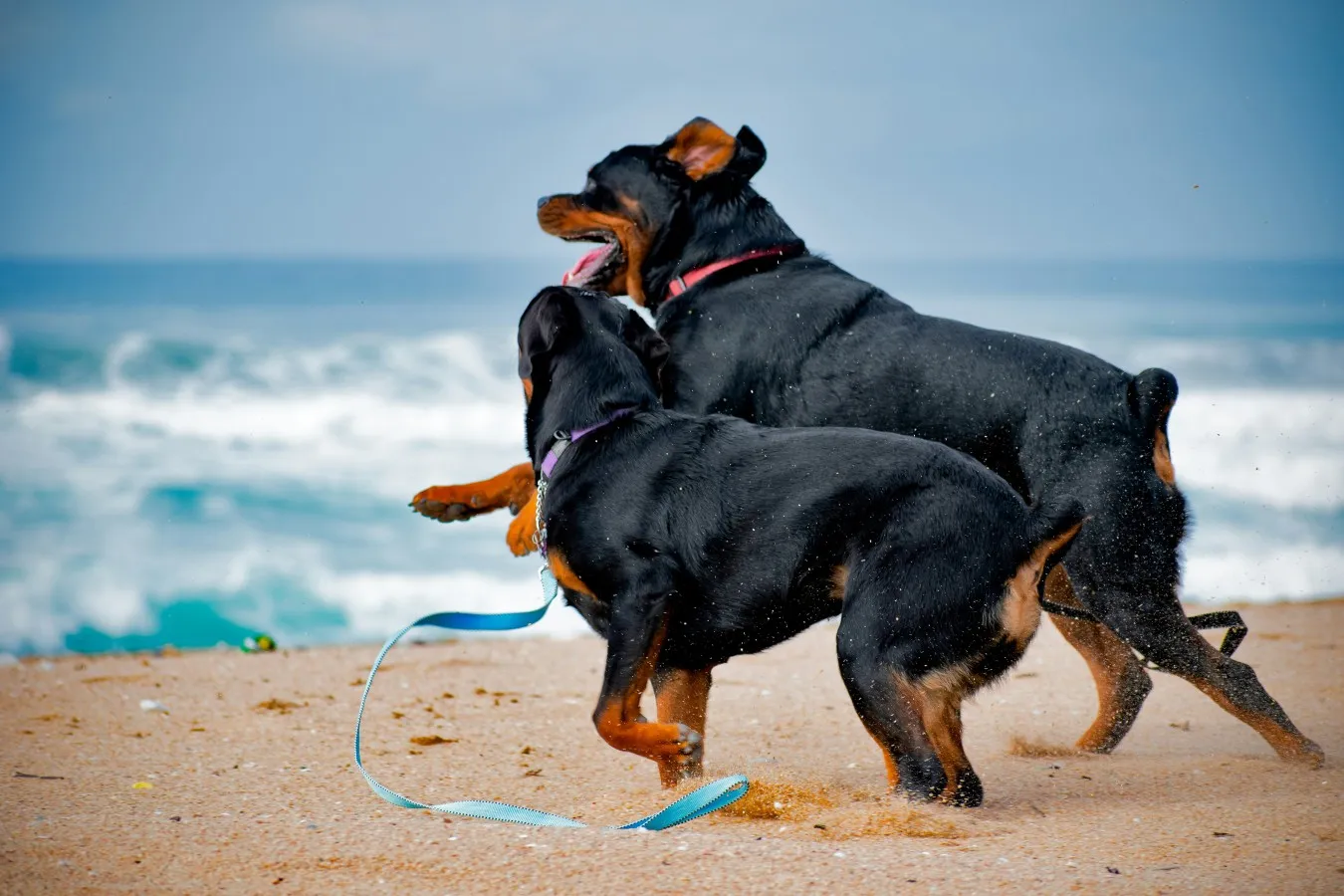
Rottweilers are high-energy working dogs that require significant daily physical and mental stimulation to stay healthy and well-behaved. They thrive on activities like long walks, jogging, swimming, and hiking, as well as purposeful tasks like herding or agility. Without at least one to two hours of active engagement daily, these powerful dogs can become bored, leading to destructive behaviors like chewing or barking.

~105 min a day

9 out of 10

Adult Rottweilers require substantial physical and mental stimulation, typically needing between 1 and 2 hours of exercise daily. This should include a mix of activities such as brisk walks, hiking, swimming, and interactive play like fetch or tug-of-war. Because they are highly intelligent, incorporating mental challenges through obedience training, agility, or scent work is essential to prevent boredom and destructive behaviors. Owners should divide exercise into multiple sessions to avoid overexertion and be cautious of strenuous activity in hot weather due to their risk of overheating. Monitoring activity is particularly important for puppies to protect developing joints and for seniors to manage mobility with low-impact movements.

Poor

3 out of 10

Rottweilers have a moderate tolerance for hot weather but are susceptible to overheating due to their large size and dark, dense coats. Owners should provide ample shade and fresh water, and limit strenuous exercise to the cooler morning or evening hours. On days with high humidity or temperatures above 90 degrees Fahrenheit, outdoor time should be kept to a minimum to prevent life-threatening heatstroke.

Poor

3 out of 10

Rottweilers have a moderate tolerance for hot weather but are susceptible to overheating due to their large size and dark, dense coats. Owners should provide ample shade and fresh water, and limit strenuous exercise to the cooler morning or evening hours. On days with high humidity or temperatures above 90 degrees Fahrenheit, outdoor time should be kept to a minimum to prevent life-threatening heatstroke.

Frequently Restricted

1 out of 10

Rottweilers are frequently subject to apartment breed bans due to their large size and reputation as powerful guardians. Many insurance companies include them on restricted lists, which often forces landlords to prohibit the breed to maintain coverage. Prospective renters should proactively provide training certificates and pet resumes, as individual landlord policies can vary despite common corporate restrictions.

WHAT DO OWNERS WANT TO KNOW?


Photo
Reviewed by
Dr. Vojtech Gabriel
DVM · PhD · MBA
Veterinarian Researcher Dog breed specialist
Verified

"Rottweilers are powerful and loyal guardians, but their health requires diligent management. As a veterinarian, I strongly recommend screening for hip and elbow dysplasia, which are common in this large breed, as well as cardiac exams for subaortic stenosis (SAS). They are also highly susceptible to osteosarcoma (bone cancer) and life-threatening bloat; feeding smaller, frequent meals and avoiding exercise around mealtime can reduce risks. Maintaining a lean weight is critical to prevent joint strain and obesity-related issues. With regular veterinary check-ups, early socialization, and consistent mental and physical activity, these devoted companions typically live 8-10 years."


Other Working Dogs