Skip to content

Greater Swiss Mountain Dog - MAIN HUB

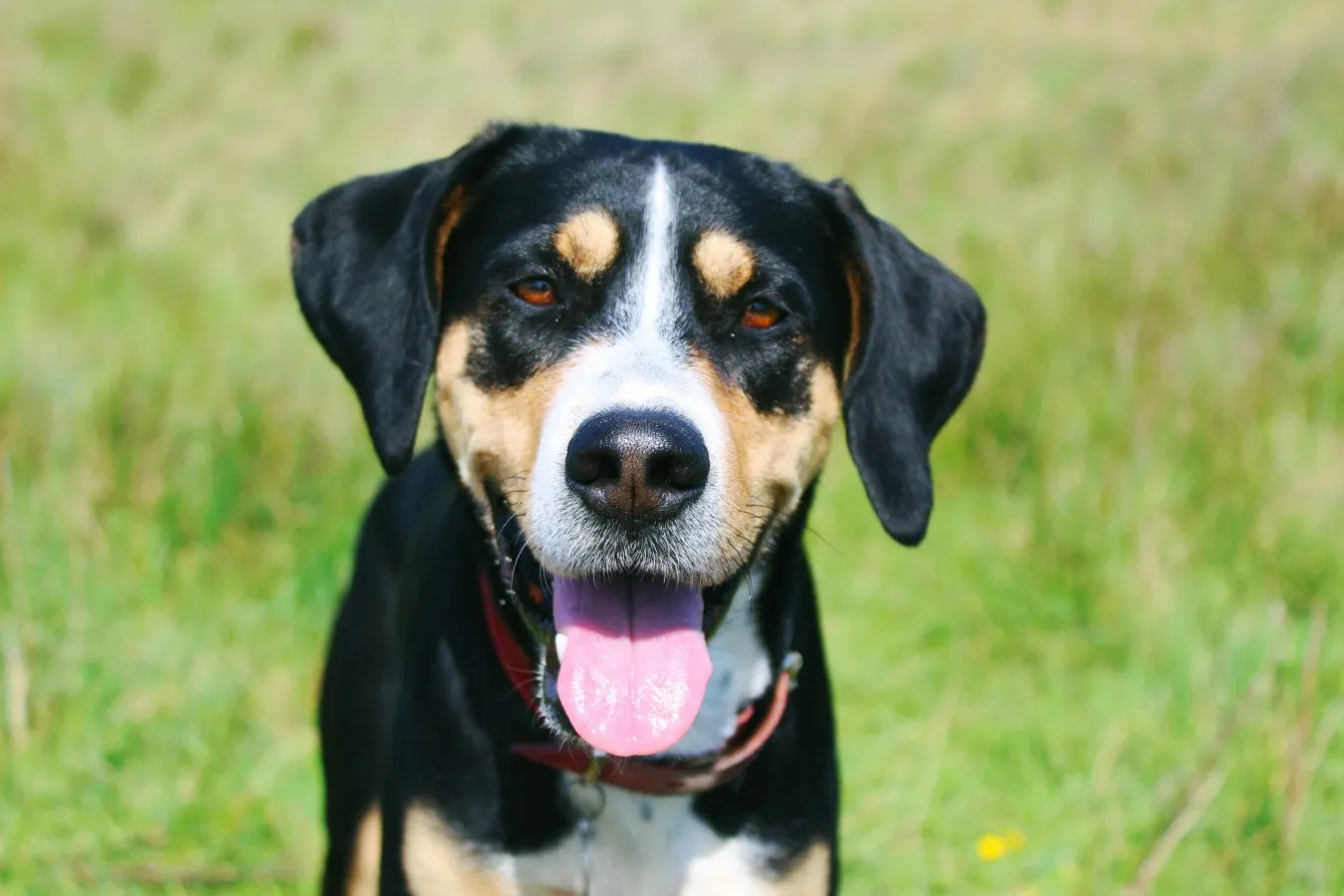
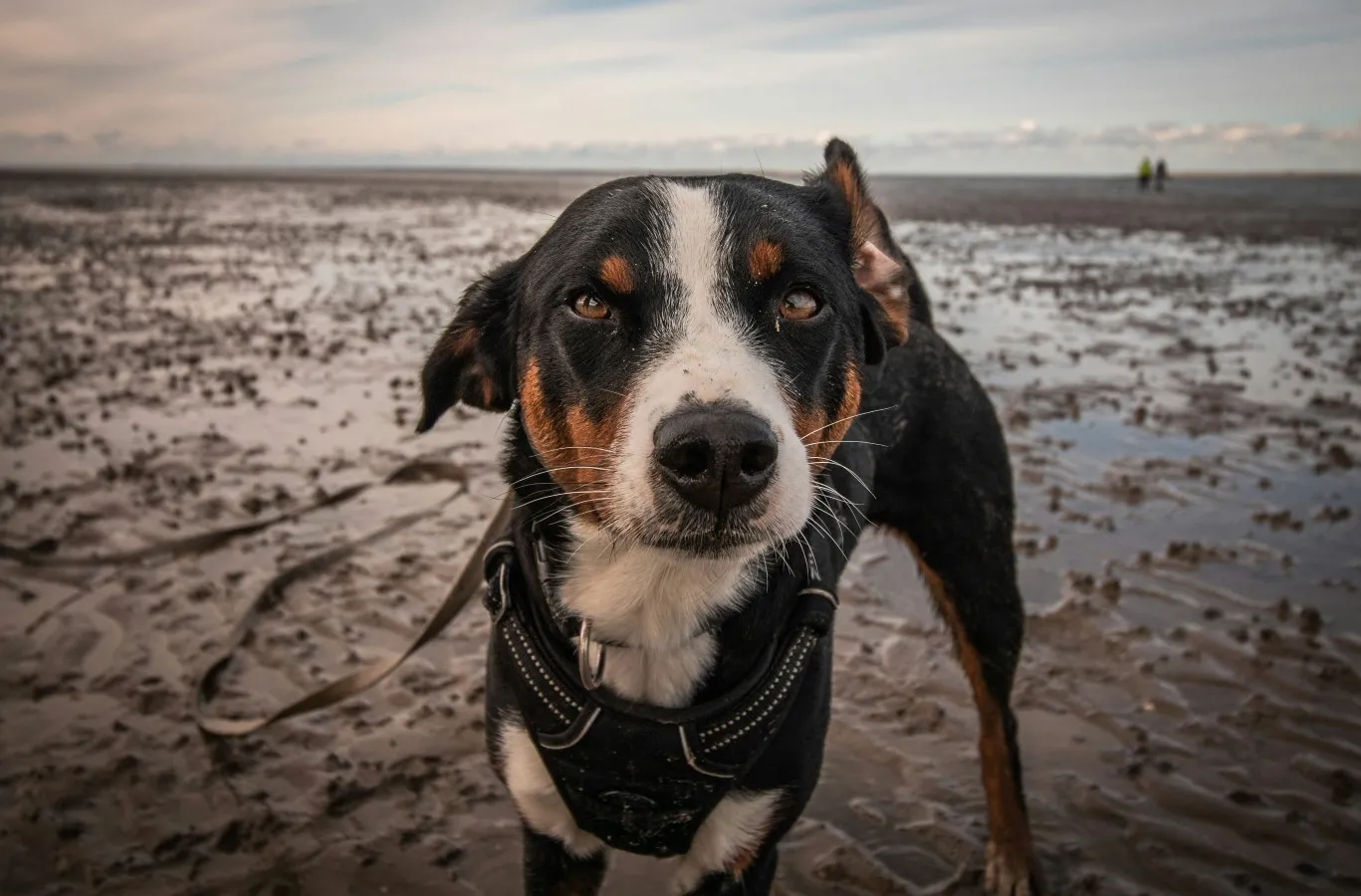
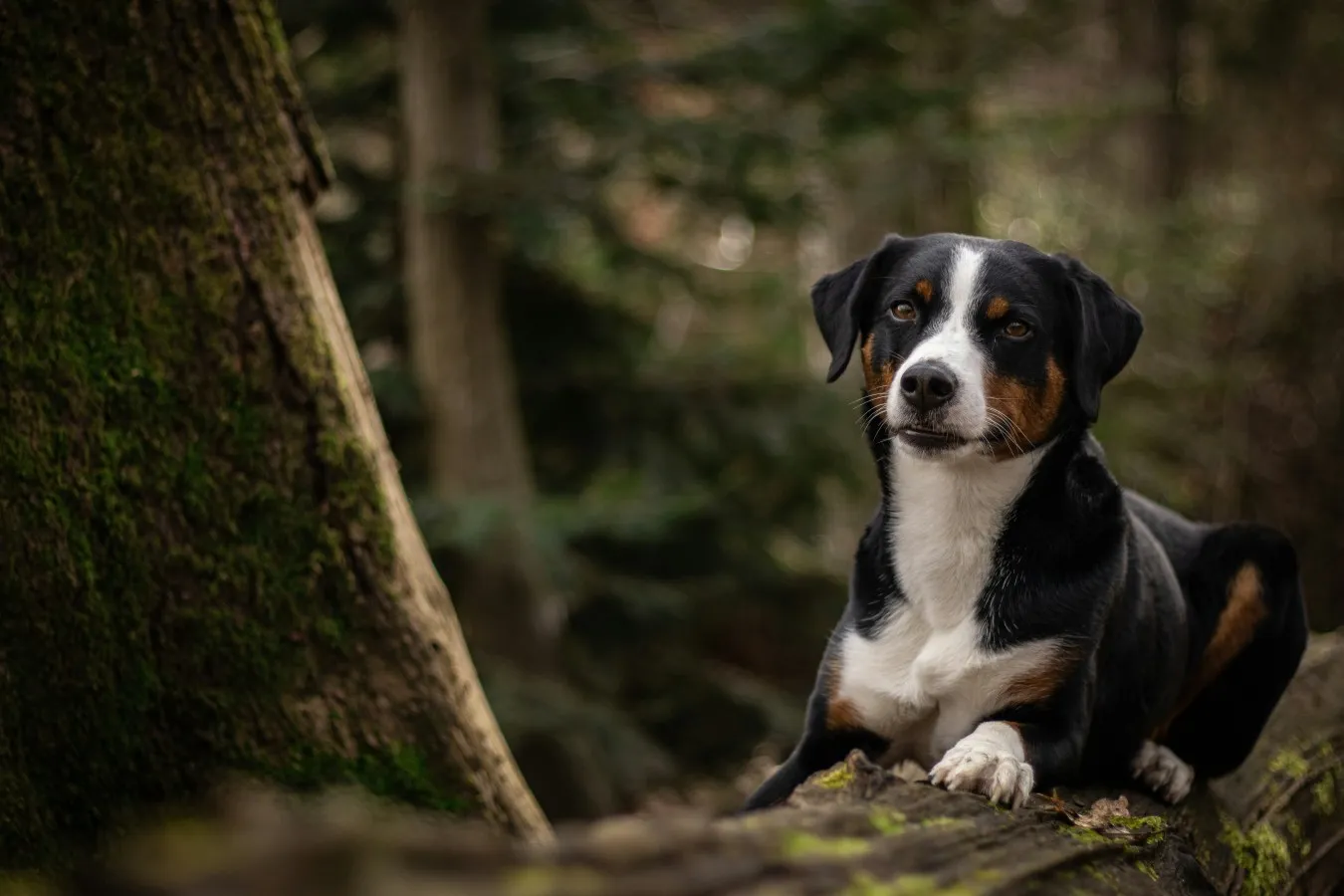
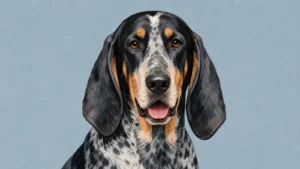
Meet the Swissy! A loyal gentle giant, this affectionate powerhouse loves family adventures and hikes. Perfect for active homes with room to roam.

BREED GROUP

Working Dogs

Country of origin

Switzerland

BREED SIZE

Giant

BREED HEIGHT

24 -

29 IN

61 -

74 cm

BREED WEIGHT

85 -

140 LB

39 -

64 KG

WHAT YOU NEED TO KNOW

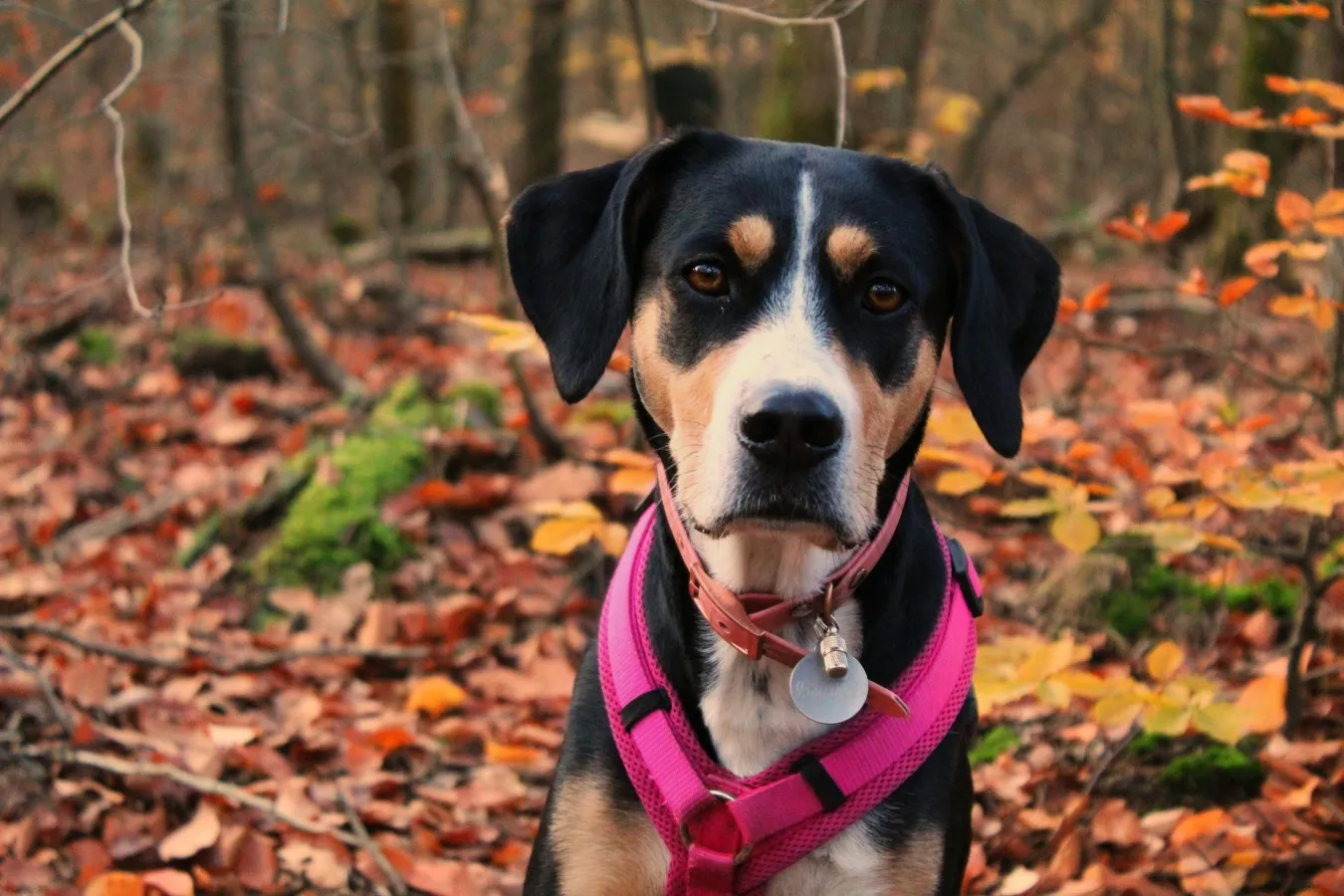
The Greater Swiss Mountain Dog is a large, powerful working breed from Switzerland, historically used for herding, guarding, and pulling heavy carts. Known as a gentle giant, the Swissy is affectionate, loyal, and protective of its family. These dogs have moderate exercise needs but struggle in hot weather due to their thick tricolor coats. While eager to please, they are slow to mature and require consistent, confident training. Potential owners should be mindful of health concerns like hip dysplasia and bloat. Overall, they make dependable, faithful companions for active households with space.
american kennel club (AKC) recognition

Yes

Breed was recognized in 1995.

International Canine Federation (FCI) recognition

Yes

Breed was recognized in 1954.
WHAT DO OWNERS WANT TO KNOW?

Are Greater Swiss Mountain Dogs good family dogs?

Excellent

10 out of 10

The Greater Swiss Mountain Dog is a wonderful family companion known for its affectionate, loyal, and protective nature toward its owners. These gentle giants thrive in active households with plenty of space and are dependable, faithful partners for families that enjoy outdoor adventures.

Exceptional

10 out of 10

Greater Swiss Mountain Dogs are generally excellent with children, known for being gentle, patient, and affectionate companions. While their massive size and enthusiastic nature require supervised play to avoid accidentally toppling toddlers, they are deeply loyal and protective. Early socialization and training help these gentle giants learn proper manners around smaller family members.

Not Recommended

1 out of 10

Greater Swiss Mountain Dogs are generally not recommended for first-time owners because they are large, powerful, and strong-willed working dogs that require a confident leader. They are slow to mature both mentally and physically, demanding significant time, patience, and consistent training to manage their stubborn streak and dominant tendencies. Success with this breed requires a dedicated commitment to intensive early socialization and firm guidance to ensure they become well-mannered family companions.

Poor

2 out of 10

Greater Swiss Mountain Dogs are generally not recommended for apartment living due to their massive size and need for ample space to move comfortably. While they have moderate energy levels and can remain calm indoors with regular daily exercise like hikes or long walks, their powerful bark and potential for vocalization can be disruptive to neighbors. Additionally, their large physical presence makes navigating small spaces and stairs challenging, especially during their slow maturation period when protecting developing joints is critical.

Recommended

5 out of 10

A yard is not strictly required for a Greater Swiss Mountain Dog, as they can adapt to various living environments with adequate exercise. However, a securely fenced yard is highly recommended for these gentle giants to accommodate their large size and safe play. Due to their strong prey drive, a yard provides a secure space to prevent them from chasing neighborhood animals.

Average

5 out of 10

Greater Swiss Mountain Dogs are social, people-oriented companions that thrive on human interaction and can develop boredom or destructive behaviors if left alone for extended periods. While they can typically tolerate moderate absences of four to six hours, they are happiest when integrated into daily family life and prefer not to be isolated from their owners.

Average

5 out of 10

Greater Swiss Mountain Dogs can coexist peacefully with cats, especially if they are raised together and introduced early. While their natural herding and prey drives may occasionally trigger a desire to chase, they typically bond well with cats that are part of their family pack. Supervision is essential during initial meetings to ensure safety given the breed's significant size and strength.

Protective

3 out of 10

Greater Swiss Mountain Dogs are not inherently aggressive and are typically described as gentle, sweet-natured giants. While they possess strong protective instincts and will use a deep, powerful bark to alert owners of strangers or unusual activity, they are generally accepting once properly introduced. Aggression is not a standard trait, though some males may exhibit same-sex dog aggression after reaching maturity. Consistent leadership and early socialization are essential to ensure their watchful nature remains balanced and manageable.

Average

5 out of 10

Greater Swiss Mountain Dogs have moderate energy levels and require daily exercise such as brisk walks or hikes to stay healthy and calm indoors. While they have bursts of activity and enjoy having a job to do, they are generally not hyperactive and appreciate a regular napping schedule. Owners should avoid overexertion in hot weather, as this breed is prone to overheating due to their thick coats.

~105 min a day

9 out of 10

Greater Swiss Mountain Dogs require a moderate amount of daily exercise, typically between 60 to 120 minutes, to remain healthy and calm. They enjoy activities like brisk walks, hiking, or drafting, but their energy often comes in short bursts followed by naps. Because they have thick coats and are prone to overheating, it is important to exercise them during cooler times of the day and avoid overexertion in hot weather. Providing mental stimulation through obedience training and interactive play is also essential for this intelligent working breed.

Very Poor

2 out of 10

Greater Swiss Mountain Dogs have a low tolerance for hot weather due to their large size and thick, tricolor double coats, which make them highly prone to overheating and heatstroke. Owners should limit outdoor activities to the cooler parts of the day, provide constant access to shade and fresh water, and utilize cooling aids like fans or air conditioning. Vigilance is necessary to monitor for signs of heat exhaustion, as this breed was developed for the cool climate of the Swiss Alps.

Very Poor

2 out of 10

Greater Swiss Mountain Dogs have a low tolerance for hot weather due to their large size and thick, tricolor double coats, which make them highly prone to overheating and heatstroke. Owners should limit outdoor activities to the cooler parts of the day, provide constant access to shade and fresh water, and utilize cooling aids like fans or air conditioning. Vigilance is necessary to monitor for signs of heat exhaustion, as this breed was developed for the cool climate of the Swiss Alps.

Sometimes Restricted

5 out of 10

Greater Swiss Mountain Dogs are occasionally subject to apartment breed bans or restrictions, primarily due to their massive size and weight, which often exceeds standard 50-pound limits. While not typically classified as aggressive, their historical role as guardians and their deep, loud bark can lead to liability concerns or noise complaints from landlords. Owners should verify specific weight and breed policies with property management, as these gentle giants thrive best in homes with ample space to roam.

WHAT DO OWNERS WANT TO KNOW?


Photo
Reviewed by
Dr. Vojtech Gabriel
DVM · PhD · MBA
Veterinarian Researcher Dog breed specialist
Verified
"Greater Swiss Mountain Dogs are noble and powerful companions, but their large size and rapid growth make them predisposed to several significant health conditions. As a veterinarian, I prioritize screening for orthopedic issues such as hip and elbow dysplasia, as well as Osteochondrosis Dissecans (OCD) in the shoulders. This breed is particularly vulnerable to life-threatening gastric dilatation-volvulus (bloat) and splenic torsion; I recommend feeding multiple small meals daily and considering a prophylactic gastropexy. Owners should also be vigilant for idiopathic epilepsy, urinary incontinence in females, and "lick fits" which often indicate gastrointestinal distress. Maintaining a lean body condition and avoiding overexertion in heat are essential to support their joints and prevent overheating. Regular eye exams are also advised to monitor for conditions like distichiasis or entropion."
Other Working Dogs