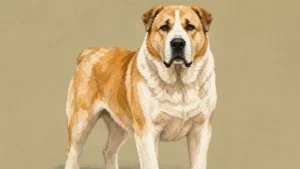
Greater Swiss Mountain Dog Health and Costs
Breed Group
Working Dogs
Country of Origin
Switzerland
Breed Size
Giant
AKC Recognition
Yes, recognized in 1995
FCI Recognition
Yes, recognized in 1954
Rarity
Very Common2 / 10
Purchase cost
Moderate to Expensive6 / 10
Life expectancy
Short Lifespan4 / 10
Health
Notable health concerns3 / 10
Health problem risk
High health burden7 / 10
Maintenance cost
Moderate upkeep cost4 / 10
A Veterinarian's Guide
Greater Swiss Mountain Dog Health Problems and Costs
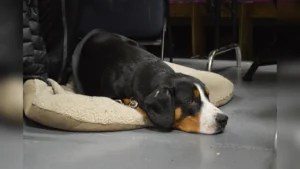
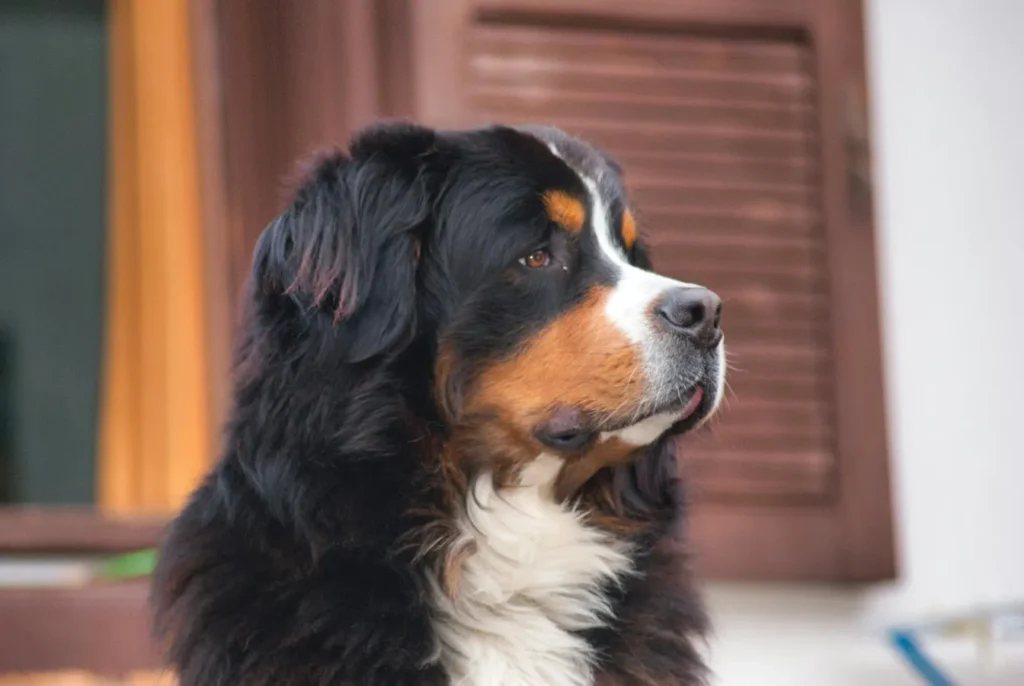
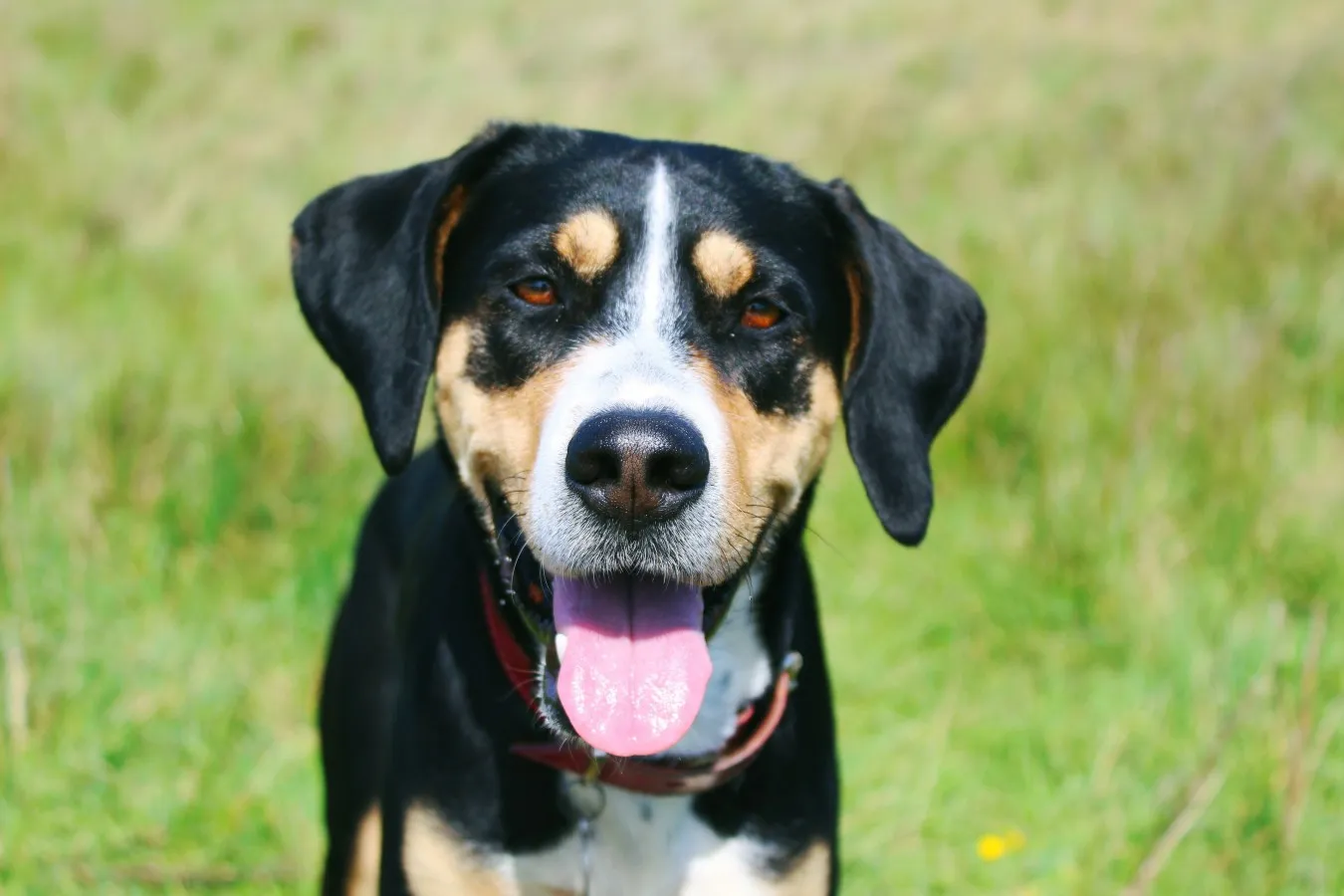
The Greater Swiss Mountain Dog, often called a Swissy, is a large, immensely strong working dog from the Swiss Alps, once used to herd cattle and pull carts. Its size and fast puppy growth bring a longer list of health concerns than many breeds: bloat and a related twisting of the spleen, joint disease, seizures, bladder control problems in females, and eyelid conditions. Knowing the list before you bring a puppy home, or while you already share your life with one, makes screening and vet visits much easier to plan.
In this guide
Why Is Bloat Such a Serious Risk for This Breed?
Bloat and splenic torsion can be fatal within hours, so never wait to see whether a swollen, restless dog settles down on its own.
Bloat, medically gastric dilatation-volvulus, happens when the stomach fills with gas and twists on itself, cutting off its own blood supply. The name comes from the Latin dilatare, "to widen," and volvere, "to turn." Large, deep-chested dogs are at higher risk. The breed is also known for splenic torsion, in which the spleen twists on its own blood supply, and the Swiss breed club notes it can occur alone, which is rare in other breeds, or together with bloat.
- 01
Swollen belly
The abdomen looks tight, rounded, or distended.
- 02
Unproductive retching
Straining to vomit with little or nothing coming up.
- 03
Restlessness and drooling
Pacing, heavy drooling, or being unable to settle.
- 04
Pale gums or collapse
Weakness, fast breathing, or sudden collapse.
There is no home treatment, and surgery is how a twisted stomach is corrected. Feeding smaller, more frequent meals is commonly advised, though no precaution removes the risk. Because the breed's risk is high, many owners ask about a preventive gastropexy, from the Greek gaster, "stomach," and pexis, "fixing in place." It tacks the stomach to the body wall, often at the same time as a spay or neuter, and should prevent the dangerous twist even though it does not stop gas from building up.
What Joint Problems Are Common in This Breed?
Hip and elbow dysplasia are inherited malformations in which the joint does not form or fit together properly, leading to wear, arthritis, and lameness. Dysplasia comes from the Greek dys, "abnormal," and plasis, "formation." Osteochondrosis dissecans, or OCD, is a developmental problem of rapidly growing large breeds in which cartilage fails to turn into bone, in this breed often in the shoulder. The breed club recommends hip, elbow, and shoulder evaluations for breeding dogs.
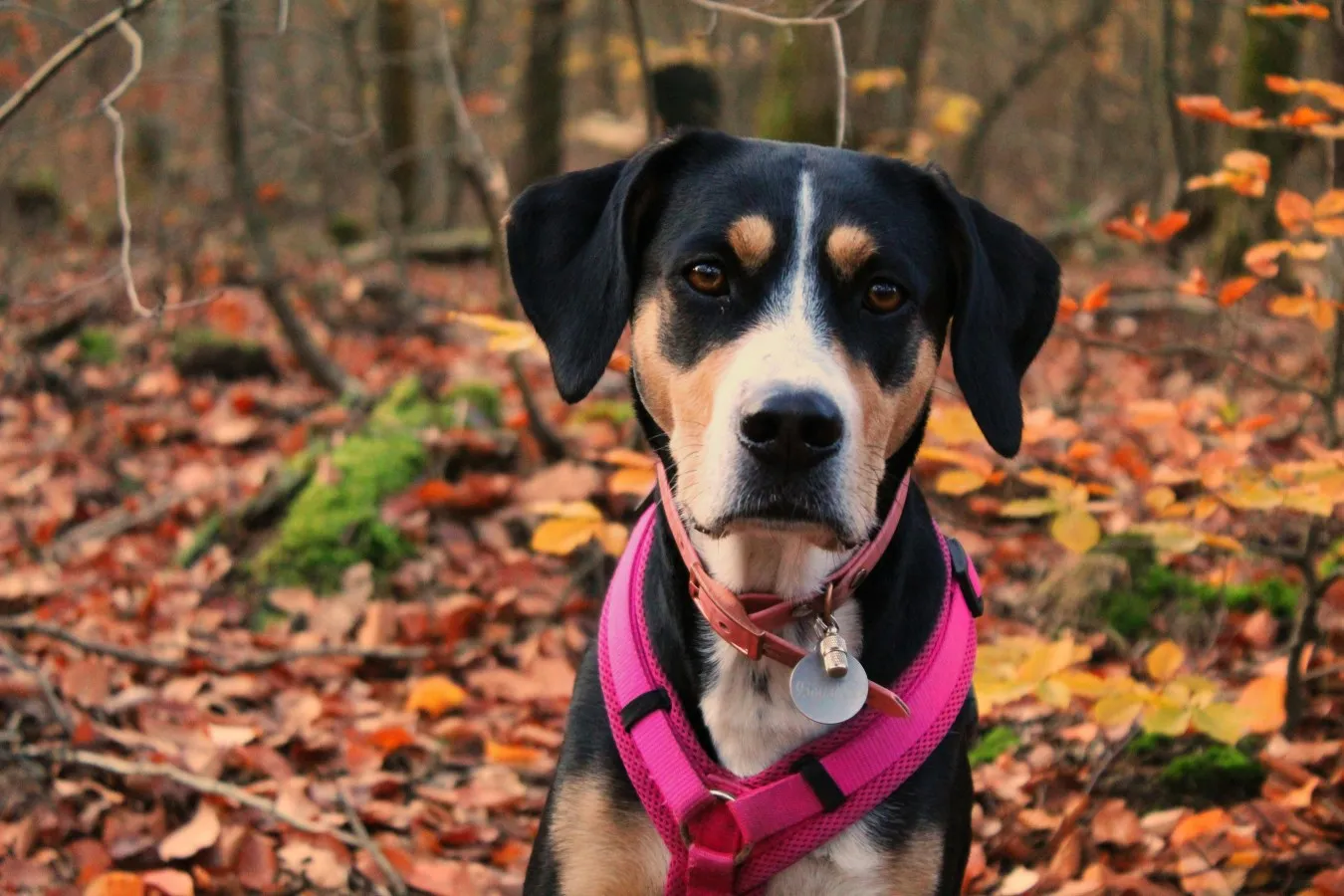
A young Swissy that tires quickly, hesitates on stairs, or moves oddly deserves an orthopedic exam rather than being written off as clumsy. Rapid growth is among the factors linked to OCD, so large-breed puppy food and steady, lean growth are sensible, and the breed is prone to obesity, so keep treats to a minimum.
What Seizure and Bladder Conditions Affect the Breed?
Idiopathic epilepsy is a seizure disorder with no identifiable underlying cause, and the Swiss breed club says it is commonly seen in the breed and may be inherited. Idiopathic comes from the Greek idios, "one's own," and pathos, "suffering." Affected dogs may need lifelong medication, with periodic bloodwork to check that it is working and well tolerated.
Urinary incontinence, a loss of voluntary control of urination, is common in young growing females and a frequent problem in spayed females of all ages. Another quirk is the lick fit, an episode of frantic licking that is most likely linked to stomach upset. Both are worth mentioning to your veterinarian.
Which Eyelid and Eye Conditions Should Owners Watch For?
Entropion is an eyelid that rolls inward so the lashes rub the cornea, and distichiasis is a row of extra eyelashes growing close to the eye. Both cause squinting, tearing, and irritation, and either may need surgery or lash removal depending on severity. Cataracts, a clouding of the lens, can also lead to blindness. The breed club recommends an ophthalmologist evaluation for breeding dogs.
What Does Managing a Greater Swiss Mountain Dog's Health Actually Cost?
| Condition or Need | Typical Cost Range | Notes |
|---|---|---|
| Routine annual care | $400 to $700/year | Higher medication doses for body weight |
| Joint screening X-rays | $150 to $400 | Usually a one-time cost in early adulthood |
| Emergency bloat or torsion surgery | $3,000 to $8,000 | Life-threatening, surgical |
| Pet insurance | $40 to $110/month | Cheaper while young and healthy |
Questions to Ask a Breeder Before Buying a Puppy
Ask to see hip, elbow, shoulder, and eye evaluations for both parents. These are the tests the breed club recommends, listed in its working group requirements. It is also worth asking about bloat, splenic torsion, and seizures in the family line, and how long relatives lived.
Daily Life With a Greater Swiss Mountain Dog
Moderate exercise, such as a daily walk or hike, is enough for this strong, steady worker. The breed has good endurance but is not built for long, fast runs, and it needs mental stimulation too. The personality profile describes the calm, loyal nature behind that, and early training matters for a dog of this size.
Grooming is light most of the year, with a thorough brushing when the undercoat sheds, usually about twice a year, plus regular ear checks and daily tooth brushing.
Keeping Your Greater Swiss Mountain Dog Healthy for the Long Run
Greater Swiss Mountain Dogs typically live 8 to 11 years, which is normal for a dog this large. Keep your dog lean, learn the signs of bloat before you ever need them, and schedule regular joint and eye checks. Pet insurance is worth pricing while your dog is young and healthy, since the breed's biggest risks are sudden and expensive.
Final Thoughts From a Veterinarian
Greater Swiss Mountain Dogs usually live 8 to 11 years. Learn the signs of bloat and splenic torsion, keep growth steady and weight lean, and ask breeders for hip, elbow, shoulder, and eye results. Your veterinarian can tailor the plan.
Health & Costs FAQ
How much do Greater Swiss Mountain Dog cost?
A Greater Swiss Mountain Dog from a reputable breeder commonly costs somewhere between a couple of thousand and several thousand dollars, depending on region and bloodline. New owners should also budget for large-breed supplies, food, and first-year veterinary care.
Purchase cost: 6 / 10
How long do Greater Swiss Mountain Dog live?
Greater Swiss Mountain Dogs typically live 8 to 11 years, which is normal for a dog this large. A lean weight, steady puppy growth, and regular joint and eye checks help them stay comfortable as they age.
Life expectancy: 4 / 10
Are Greater Swiss Mountain Dog healthy dogs?
Greater Swiss Mountain Dogs are sturdy working dogs but carry several serious risks. Bloat and splenic torsion are life-threatening emergencies, and hip and elbow dysplasia, osteochondrosis, epilepsy, urinary incontinence in females, and eyelid conditions also occur. Screening of breeding dogs, a lean weight, and regular veterinary checkups are essential.
Health: 3 / 10
What health problems do Greater Swiss Mountain Dog have?
Greater Swiss Mountain Dogs are prone to hip and elbow dysplasia, osteochondrosis of the shoulder, epilepsy, urinary incontinence, and eyelid problems such as entropion and distichiasis. They are also at high risk for life-threatening bloat and splenic torsion. Breeder screening and early veterinary evaluation of limping or eye irritation help most.
Health problem risk: 7 / 10
Are Greater Swiss Mountain Dog expensive to maintain?
Greater Swiss Mountain Dogs are moderately expensive to maintain. Their short coats have low grooming needs, but their large size raises the cost of food and weight-based medication. Owners should also prepare for veterinary expenses related to large-breed problems such as joint disease or a bloat emergency.
Maintenance cost: 4 / 10
How much does it cost to own a Greater Swiss Mountain Dog per month?
Monthly ownership costs are $300-$600.
Monthly ownership cost: 9 / 10
How much does pet insurance cost for a Greater Swiss Mountain Dog?
Pet insurance for a Greater Swiss Mountain Dog typically costs about $40 to $110 per month, and premiums rise with age and pre-existing conditions. Enrolling while your dog is young and healthy is wise, since bloat surgery and joint disease can add up to thousands of dollars.
Pet insurance cost: 5 / 10
Will homeowners insurance cover a Greater Swiss Mountain Dog?
Yes, most homeowners insurance policies will cover a Greater Swiss Mountain Dog, as they are not typically found on restricted breed lists. However, due to their large size, it is important to confirm liability limits with your provider to ensure you have adequate coverage.
Homeowners insurance difficulty: 9 / 10
Are Greater Swiss Mountain Dog on insurance restricted breed lists?
No, Greater Swiss Mountain Dogs are not typically found on insurance restricted-breed lists. These lists generally focus on breeds perceived as high-liability risks or aggressive. Most insurers treat them as standard dogs, though you should always disclose your pet to your provider to ensure full coverage.
Insurance restriction risk: 2 / 10
Can you get renters insurance with a Greater Swiss Mountain Dog?
Yes, you can typically obtain renters insurance with a Greater Swiss Mountain Dog. This breed is rarely included on restricted lists, though their large size may prompt some insurers to evaluate liability limits. Always disclose your dog to your provider to ensure full coverage and protection under your policy.
Renters insurance difficulty: 8 / 10